Revitalizing Dallas: Understanding Urban Challenges and the Vital Role of Fair Park
Dallas, a city steeped in history and characterized by its unique blend of Southern charm and metropolitan ambition, now faces a critical juncture. Much like other maturing urban centers across the United States, our beloved city grapples with a complex array of challenges that threaten to undermine its foundational strength and future trajectory. These issues range from economic shifts and demographic changes to infrastructure demands and social disparities. Yet, Dallas’s situation presents a unique paradox: while prosperity booms in its immediate vicinity, its core struggles. Amidst these challenges, one significant asset stands out with the potential for transformative impact: Fair Park.
The Evolving Landscape of Dallas: Identifying Key Urban Challenges
A closer look at Dallas reveals a city in transition, wrestling with an array of issues that necessitate urgent attention and strategic solutions. These are not isolated problems but interconnected facets of a larger urban narrative:
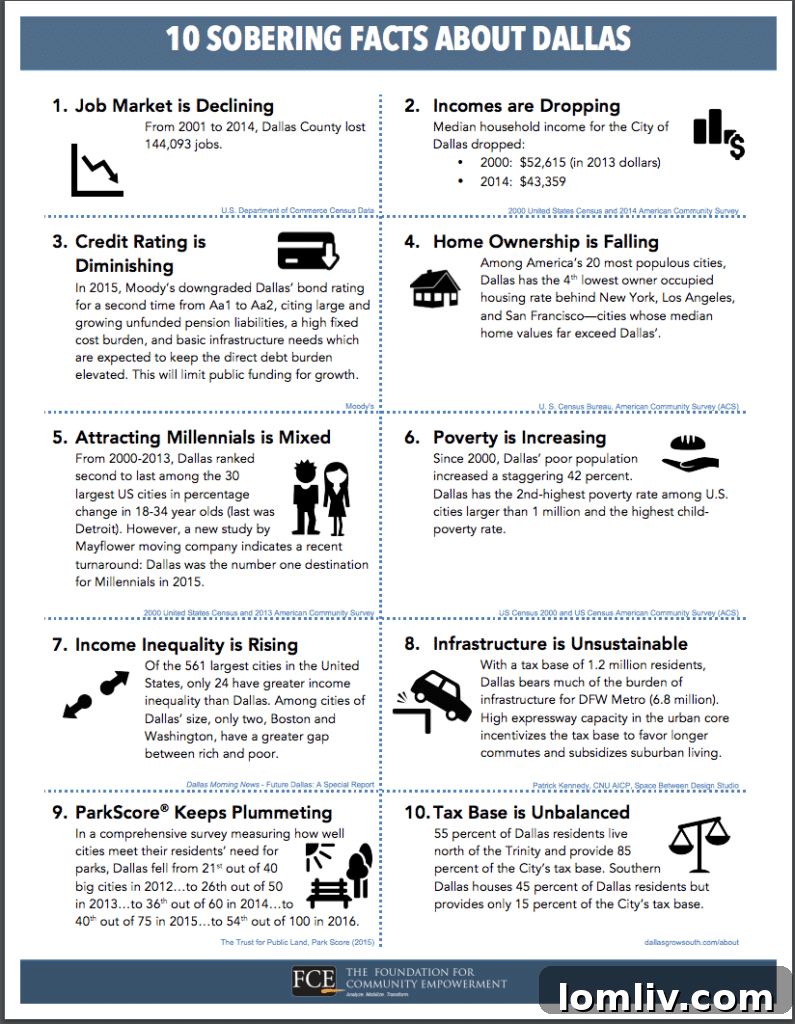
- Declining Job Market: The dynamism of a city’s economy is often reflected in its job market. Dallas has witnessed shifts, particularly in high-growth sectors, leading to concerns about job availability and future economic prospects. This decline can deter new talent and impact the city’s overall economic vitality.
- Dropping Median Household Incomes: A direct consequence of a challenging job market and rising cost of living, the reduction in median household incomes signals a squeeze on residents’ purchasing power and quality of life. This trend affects family stability and the city’s ability to support a robust consumer economy.
- Diminishing Credit Rates: As financial pressures mount, credit rates often suffer, making it harder for residents to access loans for homes, education, and entrepreneurial ventures. This creates significant barriers to wealth creation and economic mobility for individuals and families.
- Diminishing Home Ownership: The dream of owning a home is becoming increasingly distant for many Dallasites. A decline in home ownership rates reflects affordability issues and can lead to reduced long-term civic engagement and investment in local communities.
- Difficulty Attracting Millennials and Younger Generations: Modern urban centers thrive on the influx of young, dynamic talent. Millennials and Generation Z are drawn to cities offering robust job opportunities, affordable housing, vibrant cultural scenes, sustainable infrastructure, and a strong sense of community. Dallas’s struggle to capture this demographic threatens its future workforce, innovation capacity, and cultural evolution.
- Increase in Poverty and Income Inequality: The widening gap between the affluent and the less privileged is a profound social challenge. Rising poverty levels and stark income disparities can lead to social fragmentation, increased public service demands, and hinder overall community well-being and cohesion.
- Unsustainable Infrastructure: Dallas’s infrastructure, from its roadways and public transport to its water and utility systems, faces the strains of age and growth. An unsustainable infrastructure directly impacts daily life, compromises public safety, and escalates maintenance costs, deterring investment and hindering efficient urban functioning.
- Plummeting Park Scores: Green spaces and accessible parks are crucial for urban dwellers’ physical and mental health. A decline in park scores indicates neglect of these vital public amenities, impacting quality of life and making Dallas less attractive to residents seeking a balanced urban environment.
- An Unbalanced Tax Base: A healthy municipal budget relies on a diversified and resilient tax base. An over-reliance on specific industries or an imbalance in property tax contributions can make the city vulnerable to economic downturns, limiting its capacity to fund essential services and crucial development projects.
The Dallas Paradox: Prosperity Surrounds a Struggling Core
Perhaps the most bewildering aspect of Dallas’s current situation is its geographical context. The city resides within one of the nation’s most rapidly expanding regions, yet its core struggles. Just a stone’s throw away, vibrant communities like Plano, Frisco, and Fort Worth are experiencing unprecedented economic booms. These neighboring cities are thriving, attracting massive corporate investments, burgeoning populations, and a younger demographic eager for new opportunities. They boast modern amenities, dynamic retail environments, and strong job markets, often eclipsing Dallas in certain growth metrics.
Furthermore, Dallas is located within a three-hour drive of Austin, a city frequently celebrated as one of the most innovative and booming urban centers globally. This stark contrast—Dallas’s internal struggles against a backdrop of phenomenal regional success—begs a fundamental question: Why is our core deteriorating when prosperity is flourishing all around us? This paradox suggests that Dallas’s challenges may not merely stem from external economic forces but could be rooted in internal structural issues, a lack of cohesive strategic vision, or an inability to effectively leverage its unique assets and overcome historical inertia. Addressing this disconnect is paramount for charting a path toward comprehensive urban revitalization.
Fair Park: A Cornerstone for Dallas’s Revival and Urban Renewal
In the face of these formidable challenges and the perplexing regional contrast, one significant asset shines with immense potential for driving Dallas’s revitalization: Fair Park. Far more than just the iconic home of the State Fair of Texas, Fair Park is a sprawling, historic landmark poised to serve as a powerful catalyst for urban renewal, economic growth, and community development. Its importance transcends its physical boundaries, reaching into the very heart of Dallas’s identity and future prospects.
Historical Significance and Cultural Heritage
Fair Park is a national treasure, renowned for its magnificent Art Deco architecture and its profound legacy from the 1936 Texas Centennial Exposition. This rich heritage provides an unparalleled cultural anchor, housing numerous museums, historical buildings, and stunning public art. Preserving and promoting this unique cultural identity can not only attract domestic and international tourists, bolstering the local economy, but also instill a deep sense of pride and connection among residents, connecting them to Dallas’s illustrious past and inspiring its future.
A Powerful Economic Engine and Source of Job Creation
A thoughtfully revitalized Fair Park possesses the capacity to transform into a dynamic economic engine for Dallas. By expanding its role beyond seasonal events to host a diverse array of year-round concerts, exhibitions, cultural festivals, and community gatherings, it can generate substantial revenue. This continuous activity will stimulate local businesses, particularly in the historically underserved neighborhoods surrounding the park, and create a multitude of jobs across various sectors, including hospitality, event management, retail, and arts. Such sustained economic activity is crucial for fostering inclusive growth and combating local poverty.
A Vibrant Community Hub and Essential Green Oasis
In a rapidly urbanizing environment, accessible green spaces and well-maintained public parks are invaluable for the well-being of a city’s populace. Fair Park offers extensive parkland and open recreational areas that, with proper investment and programming, can significantly improve Dallas’s plummeting park scores. It has the potential to become a vibrant community hub, offering diverse recreational opportunities, educational programs, and a much-needed green oasis for residents. These types of spaces are paramount for attracting and retaining younger demographics, such as Millennials, who consistently prioritize quality of life and access to high-quality public amenities when choosing where to live.
Directly Addressing Dallas’s Urban Challenges
Fair Park’s potential to provide direct solutions to Dallas’s specific urban challenges is profound:
- Attracting Younger Generations: A dynamic, well-managed Fair Park, offering diverse cultural experiences, innovative programming, and inviting green spaces, can be a significant draw for young professionals and families seeking a vibrant and balanced urban lifestyle.
- Boosting the Job Market and Incomes: Its expanded role as a year-round event and cultural center can create new, sustainable job opportunities, helping to reverse the trend of a declining job market and elevate median household incomes for residents.
- Balancing the Tax Base: Increased economic activity, tourism, and potential property value appreciation stemming from a revitalized Fair Park can significantly contribute to a more diversified and robust tax base, providing the city with crucial resources for essential services and vital infrastructure improvements.
- Enhancing Infrastructure and Quality of Life: Strategic investment in Fair Park naturally extends to improving the surrounding public infrastructure, which in turn elevates the overall quality of life for residents in adjacent communities and across the city.
Join the Conversation: Shaping Fair Park’s Future and Dallas’s Revival
Understanding the gravity of these urban challenges and recognizing the immense, untapped potential of Fair Park is the crucial first step towards formulating effective and sustainable solutions. This vital conversation demands deep expert insights, broad community engagement, and a collective vision for Dallas’s future prosperity. To facilitate this pivotal dialogue, a distinguished blue ribbon panel of speakers has been convened to delve into these pressing questions and guide us toward actionable strategies.
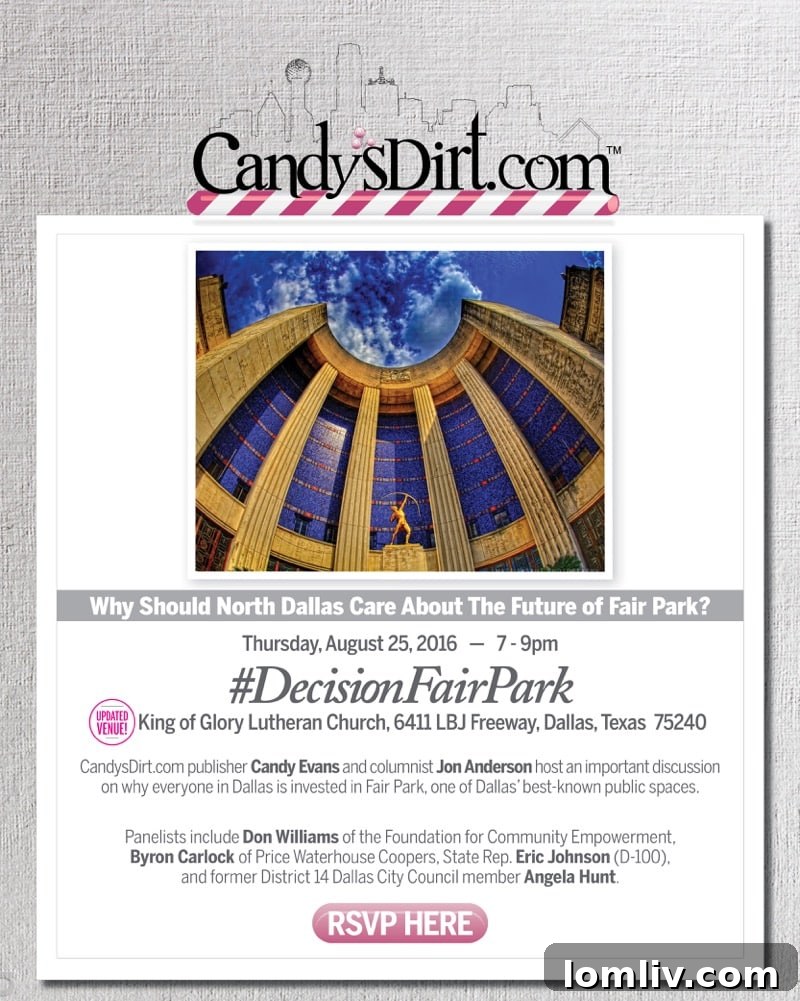
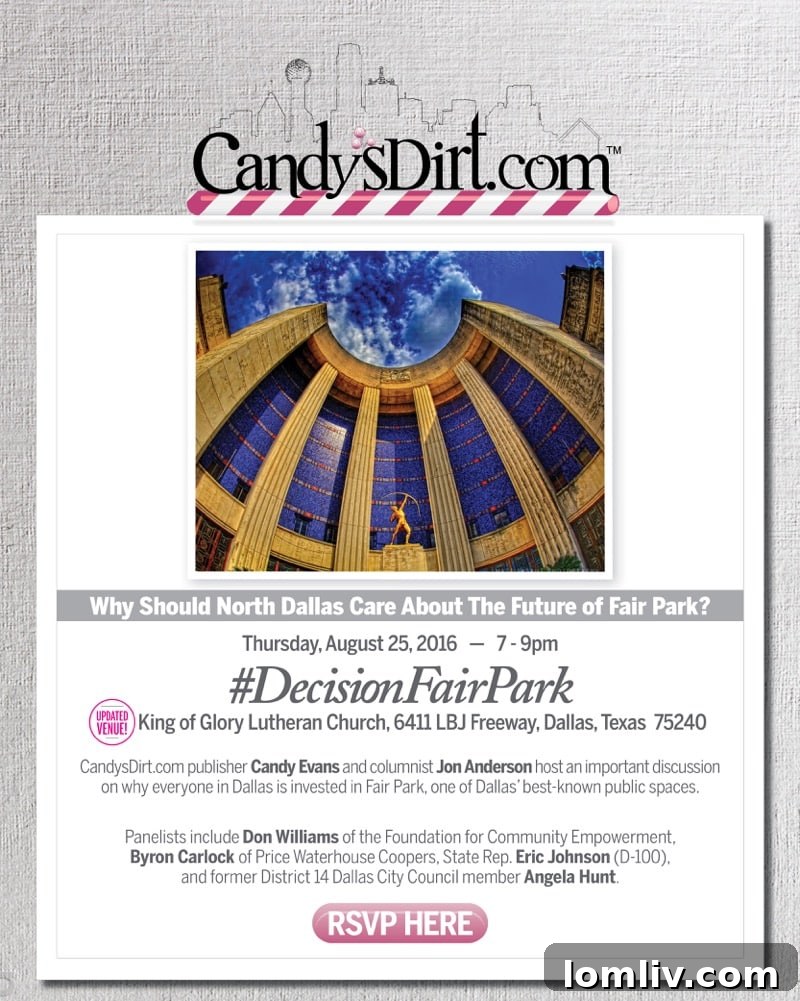
Featuring eminent figures such as Don Williams, Byron Carlock, Angela Hunt, and our very own Jon Anderson, this panel brings together diverse perspectives and unparalleled expertise in urban planning, real estate development, civic leadership, and community advocacy. They will illuminate the complexities of Dallas’s urban core deterioration and articulate precisely why Fair Park is so indispensable to its resurgence and long-term vitality. This upcoming event offers an unparalleled opportunity for North Dallas residents, community leaders, concerned citizens, and stakeholders to engage directly with thought leaders and contribute meaningfully to a shared vision for our city’s trajectory.
Event Details:
- What: Why North Dallas Should Care About the Future of Fair Park
- Who: A Blue Ribbon Panel featuring Don Williams, Byron Carlock, Angela Hunt, and Jon Anderson
- When: This Thursday, 7:00 to 9:00 pm
- Where: Founders Hall at Preston Hollow Presbyterian Church, 9800 Preston Road
This discussion transcends mere academic discourse; it is an urgent call for proactive civic engagement and collaborative action. The future vibrancy of Dallas, and the critical role of its heart—Fair Park—hinges on informed decisions and collective efforts. Your presence and active participation are not just welcomed; they are invaluable to shaping the future of our beloved city.
Seating for this crucial event is limited, so we strongly encourage you to secure your spot today!
RSVP Here for This Critical Discussion
Conclusion: Forging a Brighter Horizon for Dallas Through Fair Park
Dallas stands at a pivotal moment in its illustrious history, facing significant urban challenges but also endowed with immense potential for renewal and growth. The path to comprehensive revitalization lies in strategic investment, robust community involvement, and a clear understanding of its unique, undervalued assets. Fair Park, with its rich historical tapestry, architectural grandeur, and untapped potential, represents far more than just a public space; it is a profound symbol of Dallas’s enduring spirit and a vital key to unlocking a brighter, more prosperous, and equitable future for all its residents. By collectively addressing the pressing issues and embracing the transformative opportunities presented by Fair Park, Dallas can confidently reclaim its status as a dynamic and thriving urban center, a beacon of progress in the heart of Texas.