Fair Park at a Crossroads: Dallas Demands Transparency and Accountability in Redevelopment
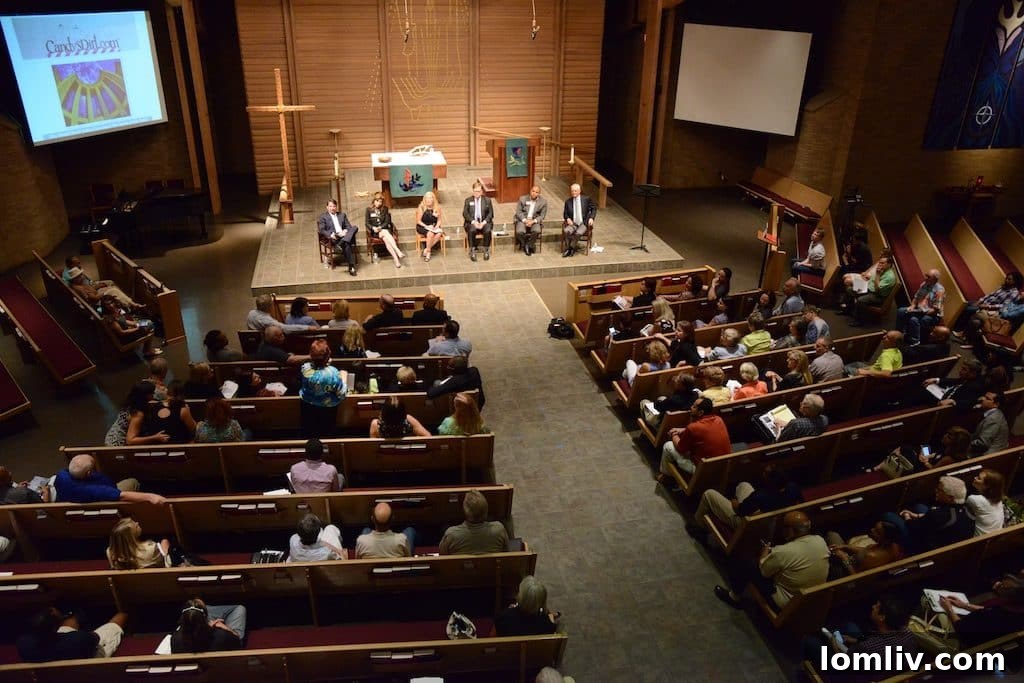
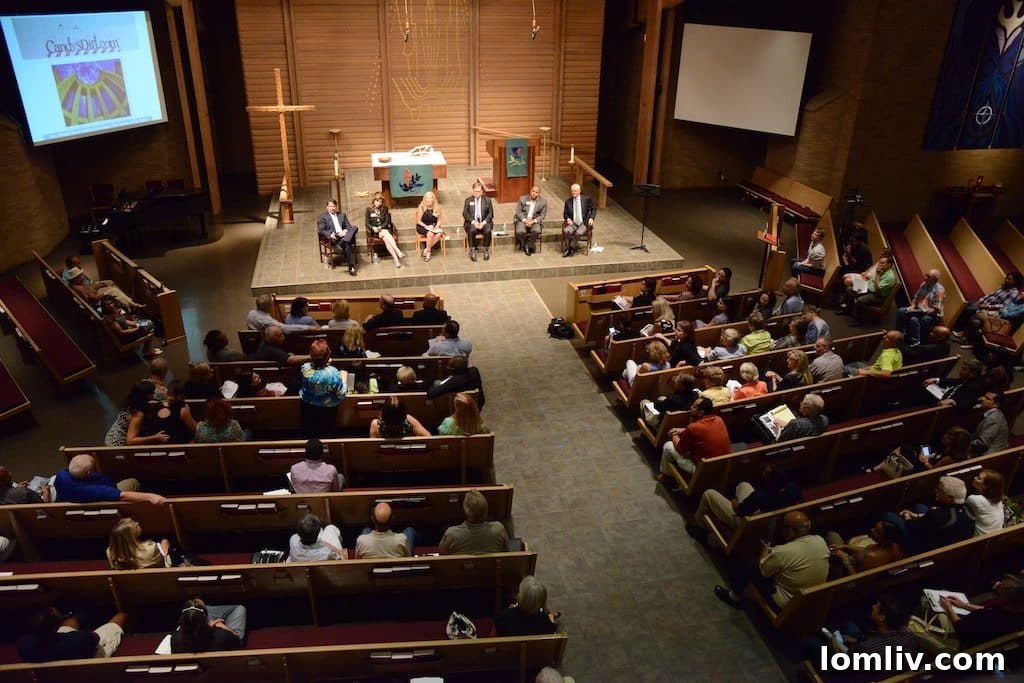
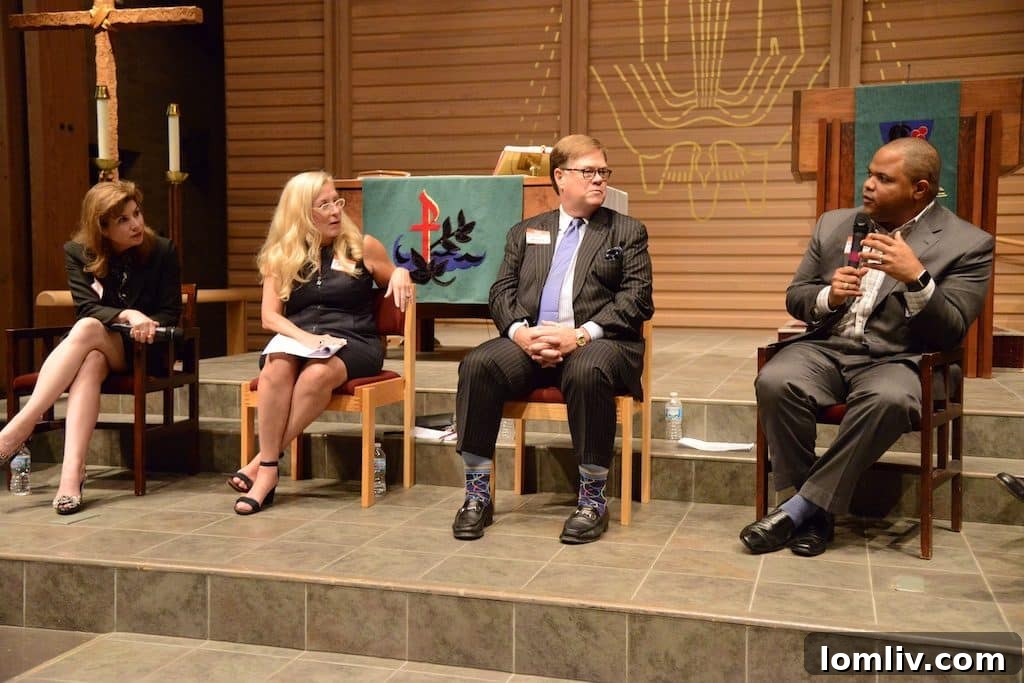
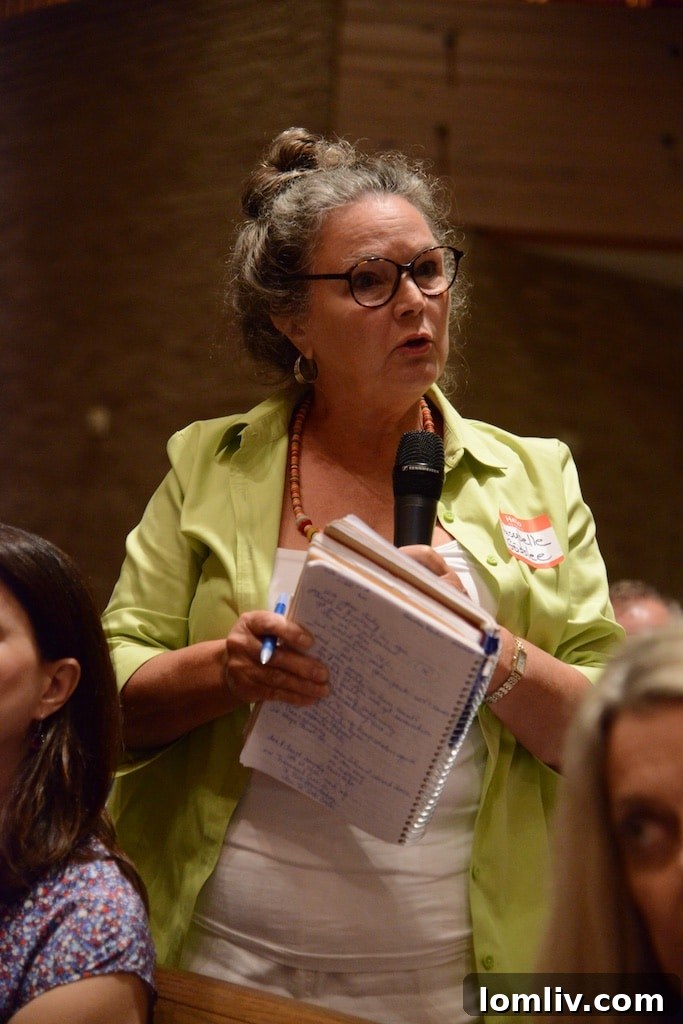
A palpable sense of urgency filled King of Glory Lutheran Church last night as over 200 concerned Dallasites gathered for a crucial panel discussion about the future of Fair Park. Despite a last-minute venue change, the overwhelming turnout underscored the community’s deep-seated anxieties regarding the ambitious yet controversial Fair Park redevelopment plan. Hosted by daltxrealestate.com, the event brought together a distinguished panel of speakers who voiced their dismay over what many perceive as a “runaway freight train” – a project progressing with insufficient public input, transparency, and a solid contractual framework.
The historical significance of Fair Park to Dallas cannot be overstated. As a National Historic Landmark, it hosts the annual State Fair of Texas, a multitude of cultural events, and stands as a testament to the city’s rich past. However, years of neglect have left parts of the park in disrepair, sparking a need for revitalization. While the aspiration to breathe new life into Fair Park is widely supported, the method and execution of the current redevelopment proposal have become a source of profound contention.
A Distinguished Panel Illuminates the Path Forward
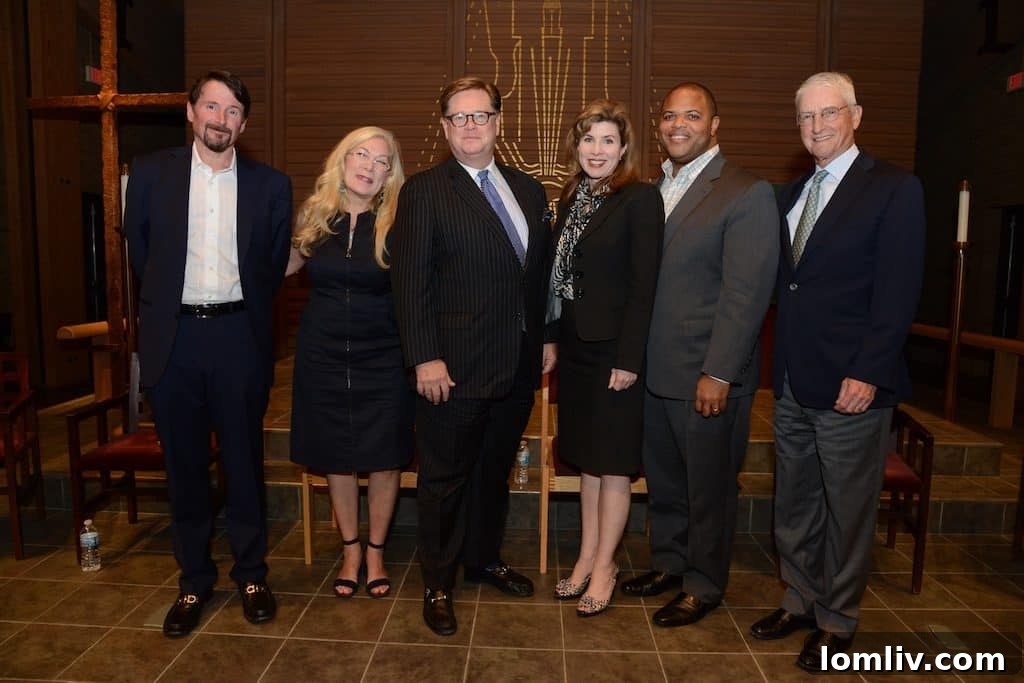
The evening’s discussion was skillfully moderated by Candy Evans and featured a panel of experts whose diverse backgrounds offered invaluable perspectives on the complex issues at hand. Their insights were crucial in dissecting the intricacies of urban development, real estate, community empowerment, and civic governance, providing the audience with a comprehensive understanding of the challenges facing Fair Park.
- Don Williams, a luminary in Dallas’s civic and business spheres, brought decades of experience to the discussion. As the former CEO of Trammell Crow, a founder of the Foundation for Community Empowerment, Frazier Revitalization Inc., and the Institute for Urban Policy Research at the University of Texas, Williams has a profound understanding of how large-scale projects impact communities. His receipt of the prestigious Dallas Linz Award is a testament to his dedication to equitable urban development. His presence on the panel emphasized the need for development that genuinely serves the community’s best interests.
- Byron Carlock, Head of Price Waterhouse Coopers’ U.S. real estate practice, offered a vital perspective on strategic planning and property transactions. With expertise in capital formation and business plan execution, and an MBA from Harvard, Carlock is renowned as a process and implementation expert. His insights were particularly relevant in evaluating the financial and logistical soundness of the Fair Park plan, highlighting standard industry practices that seemed to be overlooked in the current proposal.
- State Rep. Eric Johnson, representing District 100, is a key legislative voice, serving as the vice chair of the House Committee on Economic and Small Business Development. As another Harvard graduate, Rep. Johnson’s legal acumen and understanding of public policy were critical in assessing the contractual and legal frameworks of the redevelopment plan, particularly in terms of safeguarding public interests and ensuring accountability.
- Angela Hunt, a respected former Dallas City Council member, brought direct experience from the city’s legislative body. Her past leadership, recognized with the Virginia MacDonald Leadership Award by the League of Women Voters of Dallas in 2010, made her an authoritative voice on the nuances of municipal decision-making and the importance of civic engagement. Her perspective was crucial in understanding the historical context and potential pitfalls of city-led initiatives.
- And, of course, Jon Anderson, the author of this article, contributed his unique insights, grounded in a deep understanding of Dallas real estate and community dynamics.
The Ghost of Projects Past: Learning from Costly Mistakes
The atmosphere in the church, though serious, was devoid of mere complaints. Instead, the discussion was framed by thoughtful analysis and a shared sense of responsibility. I opened my comments by invoking a cautionary tale, a quote from our past that could eerily echo our future if due diligence is not exercised:
“In the three years since the Mayor announced a plan to transform a derelict downtown rail yard into a dazzling park for the new millennium, the project has turned into an expensive public-works debacle that can be traced to haphazard planning, design snafus and cronyism.” – Chicago Tribune comment as Millennium Park opened four years late and costs soared from $150 million to $475 million.
This stark reminder of Chicago’s Millennium Park, a project that went significantly over budget and behind schedule due to perceived planning flaws and cronyism, served as a potent metaphor for the fears many harbor about the Fair Park redevelopment. The word “concerned” resonated throughout the evening, becoming the most frequently used descriptor for the sentiments expressed by both the panel and the audience. The specter of a similar debacle looms large, prompting critical questions about the current trajectory of Fair Park’s future.
Unpacking the Core Concerns: Why Dallasites Are Worried
The collective anxiety stemmed from several interconnected issues, each highlighting a perceived deviation from best practices in urban planning and public-private partnerships. The panel articulated a clear set of concerns that painted a picture of a process lacking in fundamental safeguards and inclusive governance.
- The lack of public input in the plan: A project of Fair Park’s magnitude and civic importance should inherently involve robust community engagement. The current process, however, appears to have sidelined the voices of residents, stakeholders, and experts, leading to a sense of disenfranchisement and a fear that the plan may not truly reflect the community’s needs or aspirations.
- The lack of contract and financial transparency: Public funds and assets are involved, making transparent dealings non-negotiable. Concerns were raised about the opacity surrounding financial agreements and the details of the management contract, hindering public scrutiny and accountability.
- The lack of dialogue (we’ve been lectured to, not involved): Genuine dialogue fosters collaboration and mutual understanding. The feeling among many is that information has been disseminated as a dictate rather than presented as a basis for constructive conversation, stifling meaningful participation.
- The lack of a “request for proposal” process to seek and understand other options: A standard business practice for major public projects, an RFP ensures competitive bids and a thorough evaluation of various proposals, leading to the best possible outcome. Bypassing this process suggests a predetermined path, limiting innovative solutions and potentially compromising value for the city.
- The lack of rigid, pro-city contract language: A robust contract should unequivocally protect the city’s interests, define clear responsibilities, and set measurable performance standards. The perceived looseness of the current contract language leaves Dallas vulnerable to potential non-performance and disputes.
- The lack of contingency planning (what happens when — not if — it goes over budget?): Large-scale projects are inherently susceptible to unforeseen challenges and cost overruns. The absence of clear contingency plans within the proposal is a significant red flag, raising fears of escalating costs borne by taxpayers.
- The disconnect between what’s needed and what’s funded: True revitalization requires a deep understanding of the community’s actual needs. Concerns were voiced that the proposed funding and scope might not align with the most critical priorities for Fair Park and its surrounding neighborhoods.
The Troubling “Draft” Contract: A Foundation Built on Shaky Ground
Just hours before our gathering, Preservation Dallas circulated an invitation to a City Council session, accompanied by two critical links. One led to an art-filled presentation from May, conspicuously watermarked “DRAFT” on most pages. The other was the management contract with Walt Humann’s Fair Park Texas Foundation.
It was revealed that the management contract had been updated since an earlier, highly edited “DRAFT” version was approved by the Parks Board. While some minor improvements were noted, such as a hard date for the construction of a 6- to 7-acre community park (contingent on 2017 bond money) and a small addition of Minority and Women Business Enterprises (MWBE) support, these concessions barely scratched the surface of deeper structural issues. It remains deeply troubling that the Parks Board approved what could only be described as a work in progress. What sane business would proceed with a “DRAFT” contract for a 30-year investment plan? None, yet here we are, asking the Parks Board and Dallas City Council to vote on just such a document. This single point, raised multiple times during the evening, encapsulates the haphazard nature of the entire process.
While the most recent contract version dropped the “DRAFT” watermark, notes remained, making it a “cleaner” but by no means conclusive document. It was still far from a condition ready for a decisive vote. Furthermore, this version was significantly slimmer, having been reduced from over 100 pages to a mere 12. All the pesky “Exhibits” – mostly blank placeholder pages and essential reference documentation that would have illustrated the project’s foundational shortcomings – had been stripped out. This reduction effectively made it seem less troubling, adopting an “out of sight, out of mind” philosophy that undermines transparency and comprehensive review.
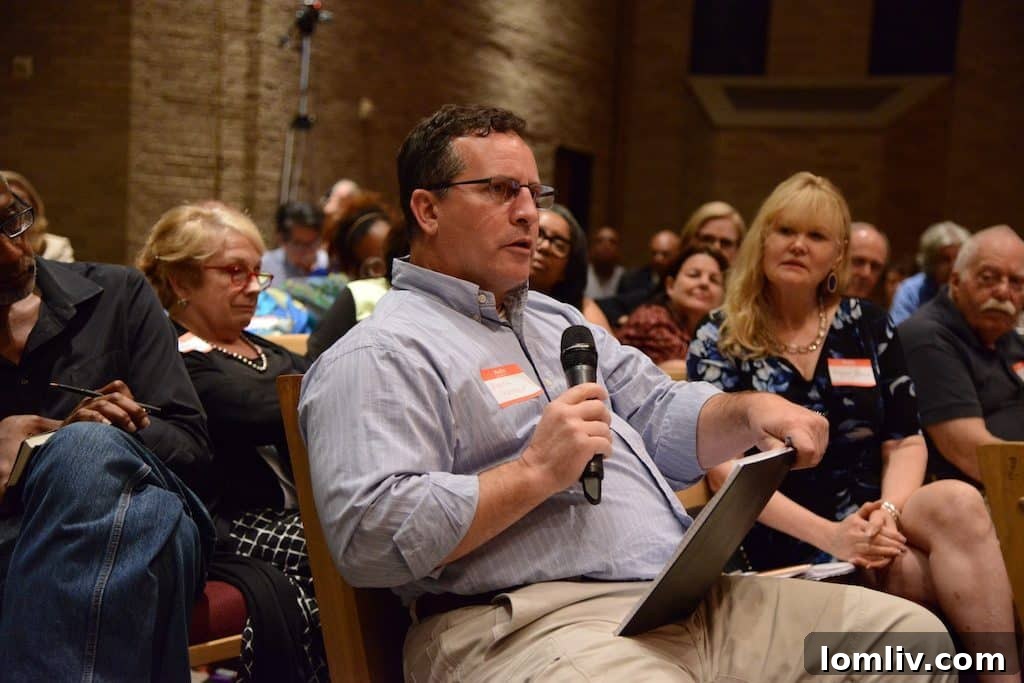
The foundational problem here, as highlighted by an audience member, is the complete omission of a Request for Proposal (RFP) process. In any well-managed business scenario, the city would have clearly articulated its requirements and goals for Fair Park. This RFP would then be publicly posted to invite competitive bids and diverse implementation strategies from qualified entities. Such a process allows for a thorough evaluation of multiple plans, ensuring Dallas selects the path that best maximizes the potential of Fair Park for all its citizens.
Indeed, when Walt Humann was initially appointed three years ago to study this issue, his primary deliverable should have been the crafting of an RFP and the subsequent presentation of responses for the city to evaluate. Instead, it appears to have morphed into a carte blanche for him to essentially “DIY” a plan. It is exceptionally rare for a single voice to arrive at the optimal solution for an issue as multifaceted and complex as Fair Park’s future and its intricate relationship with its surrounding neighborhood and the city of Dallas as a whole.
While many feel that “this is our last opportunity to get this right,” a sentiment I wish were entirely true, the reality is that the clock cannot simply be turned back. The process has progressed significantly, and reversing course completely seems unlikely. However, this does not imply that mistakes cannot be rectified. We retain the capacity to address shortcomings, albeit at exponentially higher costs in both time and financial resources, should the current trajectory prove flawed. The imperative now is to minimize future damage and ensure that any further steps are taken with utmost care and public accountability.
Legal Ramifications: The Power of What’s NOT in the Contract
State Rep. Eric Johnson’s incisive commentary on the contract crystallized many of the evening’s concerns. He powerfully articulated a fundamental principle of legal agreements:
“If something is in the contract, there is legal remedy for non-performance. But if something is not in the contract, you guarantee it won’t happen and you have no recourse.”
This statement underscores the critical importance of meticulous contract drafting. While any contract can technically be violated, and an injured party may choose not to enforce performance, the mere presence of specific clauses provides the crucial option of seeking remedy or demanding adherence. Lawyers rigorously strive to create “ironclad” contracts precisely for this reason – to protect their clients’ interests by leaving no room for ambiguity or unmet expectations. As I reviewed the Fair Park Foundation’s management contract with the city, it struck me as an agreement “clad in gauzy imprecision,” alarmingly lacking the robust clarity required for such a significant public asset.
Angela Hunt’s Insight: Dense Legalese Versus True Precision
Angela Hunt, herself an experienced lawyer, characterized the contract language as “very legally dense,” demanding multiple readings to truly grasp its meaning. However, she sagely pointed out that “dense legalese doesn’t equal precision and it doesn’t equal an encompassing document.” Complexity, in this context, does not equate to comprehensive protection. After the panel discussion, a Parks Board member approached me, inquiring if any of the updated contract changes genuinely benefited the city. Without ample time to scour the hours-old version, I could identify only two minor improvements: a fixed date for the community park (albeit still subject to bond money) and the city’s ability to cancel the contract beyond merely withholding annual fees from the Foundation. Crucially, the “big bucket problems” – the fundamental issues of transparency, public input, and comprehensive planning – remained unaddressed, indicating that the contract still fell far short of safeguarding Dallas’s long-term interests.
Beyond the Gates: The Overlooked Neighborhood and the Specter of Gentrification
A recurring and deeply poignant theme throughout the evening was the fate of the neighborhoods immediately surrounding Fair Park. A critical point made multiple times was that the Fair Park Texas Foundation’s plans, and by extension the city’s, appear to conclude abruptly at the park gates. There is a glaring absence of an economic development component specifically designed to uplift and integrate these historically underserved communities into the revitalization efforts. Instead, much like the early days of the State Fair, these residents feel left outside the gates, mere spectators to a transformation that may not benefit them.
Economic Development: A Missing Piece of the Puzzle
The lack of a robust economic development strategy for the adjacent neighborhoods is a significant oversight. Successful urban revitalization projects around the country demonstrate that integrating the local community through job creation, business opportunities, affordable housing initiatives, and improved infrastructure is paramount. Without such measures, the risk of creating an isolated, revitalized park within a struggling, displaced community becomes very real. This exclusionary approach not only exacerbates existing inequalities but also undermines the very spirit of community improvement that such a project should embody.
The Shadow of Displacement: Learning from History
Concerns about gentrification and displacement were passionately voiced by many in the audience. These fears are not unfounded; I have previously written about these anxieties here and here. State Rep. Johnson’s words resonated once more: “If it’s not in the plan, it will be a free for all.” This stark warning points to the potential for unchecked market forces to dominate, leading to “capitalism at warp speed.” The outcome could be a familiar narrative in Dallas: “Buy ‘em out, price ‘em out, move ‘em out.” The parallels to the gentrification of State-Thomas, which dramatically transformed a historic Black neighborhood, serve as a potent historical precedent and a chilling prospect for the long-standing residents near Fair Park. Without explicit protections and proactive strategies written into the plan, generations of residents could be forced out, losing their homes, their community, and their connection to Fair Park.
The “Not Invented Here” Syndrome: Is Dallas Truly Different?
Speaker Byron Carlock presented several compelling examples of other U.S. cities that have successfully rehabilitated decayed neighborhoods through projects similar to the Fair Park endeavor. He posed a crucial question: why had Dallas not thoroughly evaluated and learned from these successes? This point was met with an unfortunately familiar sentiment from at least one attendee after the program, who asserted that “Dallas has its own way of doing things and doesn’t need any help from anyone. Dallas is different.” This dismissive “Not Invented Here” attitude is, frankly, poison to progressive urban development. No single person or city possesses all the answers, especially when tackling complex challenges like revitalizing historic public spaces and integrating them with diverse communities. At best, cities learn what works elsewhere and adapt those successful strategies with local flavors and specific needs. To continually attempt to reinvent the wheel, under the misguided belief that “our wheel” will be entirely unique and superior, is not only inefficient but often leads to avoidable pitfalls and missed opportunities.
Embracing Best Practices: Why Learning from Other Cities Matters
The experiences of other cities offer invaluable blueprints for navigating the intricate challenges of public-private partnerships, community integration, and sustainable urban development. Benchmarking against successful projects provides a framework for setting realistic goals, anticipating potential obstacles, and adopting proven methods for engagement and equitable growth. Rejecting this wealth of collective knowledge due to a perceived exceptionalism for Dallas is a dangerous stance that risks repeating common mistakes, driving up costs, and alienating critical stakeholders. Thankfully, this narrow-minded opinion was not the majority in the room that evening. However, observing how this critical project has been handled by Dallas thus far, one cannot help but wonder if, perhaps, “Dallas is different” – though not in a way that serves its citizens well.
The Path Ahead: A Call for Greater Scrutiny and Collaboration
The panel discussion and the robust attendance demonstrated a clear demand from Dallas citizens for a more thoughtful, transparent, and inclusive approach to the Fair Park redevelopment. The concerns articulated – from the lack of public input and transparency to the inadequacies of the management contract and the overlooked fate of surrounding neighborhoods – highlight a process that requires significant reevaluation. For Fair Park to truly flourish as a vibrant, equitable asset for all Dallasites, the city must move beyond a “runaway freight train” mentality. It must embrace best practices in urban planning, prioritize genuine community engagement, ensure robust and transparent contractual agreements, and integrate comprehensive economic development strategies that benefit every part of the community, not just those within the park gates. The future of this iconic landmark hinges on whether Dallas will choose to learn from its own history and the experiences of others, or persist in a path that risks monumental disappointment and irreversible consequences.