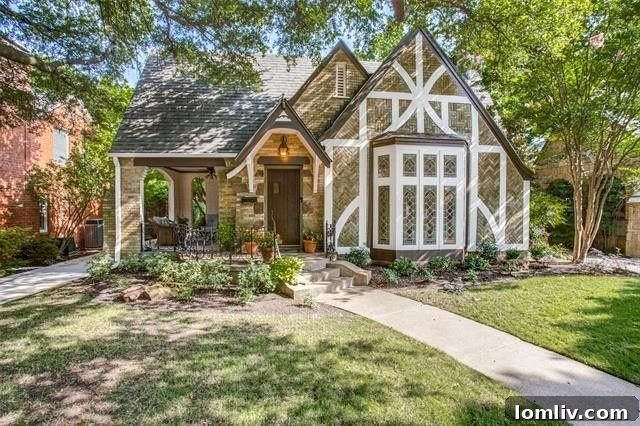
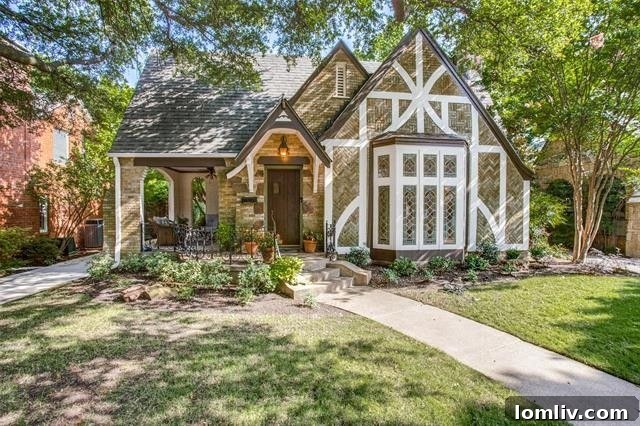
Nestled in the heart of the historic Lakewood neighborhood, the Dines and Kraft Tudor at 6914 Westlake Avenue stands as a timeless testament to architectural brilliance and enduring charm. This exquisite residence captures the quintessential allure that defines Lakewood homes, embodying the very essence of what many envision when they dream of classic Dallas architecture. From its distinctive brickwork to its meticulously crafted interiors, this property is a rare gem, offering a captivating blend of historical integrity and modern sophistication. It represents an era when homes were built not just for shelter, but as enduring works of art, each detail thoughtfully considered and expertly executed.
In today’s fast-paced world, finding a historic home that has been updated with such reverence for its original character is increasingly challenging. Many attempts at modernization inadvertently strip away the unique features that make these properties so special. However, this magnificent Dines and Kraft Tudor is a shining exception. It has undergone a careful and comprehensive renovation, ensuring that every enhancement complements its rich heritage rather than detracting from it. The result is a home where the past and present coalesce seamlessly, offering contemporary comfort without sacrificing an ounce of its irreplaceable historic soul. This delicate balance of preservation and innovation sets it apart in the Dallas real estate market.
The remarkable transformation and meticulous preservation of this Tudor masterpiece are largely attributable to the visionary talents of Carol Gantt. Renowned and highly respected as a leading expert in renovating historic Dallas homes, Carol Gantt possesses an unparalleled understanding of how to honor and enhance these architectural treasures, ensuring they are updated “the right way.” Her philosophy centers on maintaining authenticity while integrating modern functionality. In 2013, she collaborated with the home’s previous owners to thoughtfully enhance this Dines and Kraft Tudor, introducing elements that were not only true to its original period but also perfectly aligned with the demands and preferences of contemporary living. Her work showcases a deep respect for historical accuracy, combined with an intuitive grasp of modern lifestyle needs, making her a pivotal figure in the successful stewardship of Dallas’s architectural legacy.
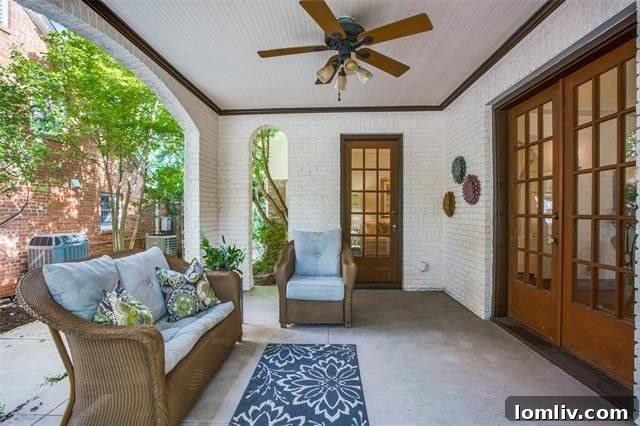
Gantt’s expertise is evident in every thoughtful detail of the renovation. A prime example of her sensitive approach was the addition of a period-appropriate overhang to the front door, offering practical protection from the elements while enhancing the home’s curb appeal and maintaining its architectural integrity. A more significant undertaking was the restoration of the sunporch, an area that had fallen victim to less sympathetic renovations in the 1980s. During that period, the sunporch was enclosed with stained-glass windows whose colors were jarringly inconsistent with the home’s original aesthetic. Furthermore, an inappropriate Saltillo tile covered the concrete flooring, contributing to a dark and somewhat depressing atmosphere. Under Gantt’s guidance, these anachronisms were carefully removed, and the room was lovingly transformed back into an authentic porch, allowing natural light to flood the space and restoring its intended character as a bright, inviting transition between indoor and outdoor living. This restoration beautifully illustrates how strategic updates can breathe new life into historic spaces without compromising their timeless appeal.
The exterior of this Dines and Kraft Tudor is an architectural marvel, immediately capturing attention with its distinctive and varied brickwork patterns. This intricate detailing, often seen in the most opulent and expensive houses of its era, speaks volumes about the home’s original intent. It seems unequivocally evident that this residence was constructed to be a showplace, a prominent example of exceptional craftsmanship and design within the Lakewood community. The eclectic and often quirky talents of Dines and Kraft, celebrated architects of their time, are magnificently displayed throughout this property. It is speculated that this home may have even served as a model, showcasing all of their most notable custom features, from the meticulously laid brick patterns to the subtle, artistic touches that define their unique architectural signature. This level of exterior artistry is a hallmark of truly exceptional historic homes, making 6914 Westlake Avenue a standout example of Dines and Kraft’s legacy.
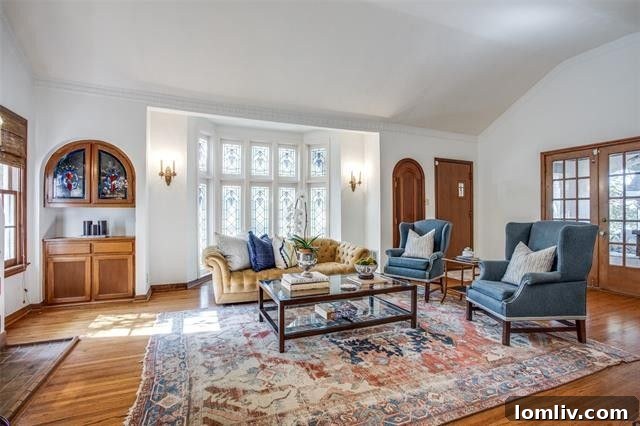
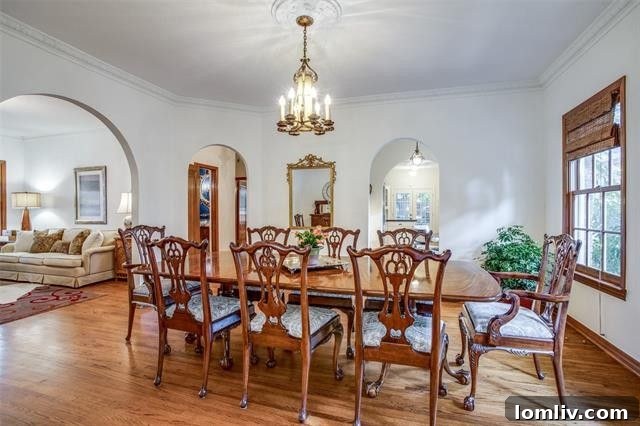
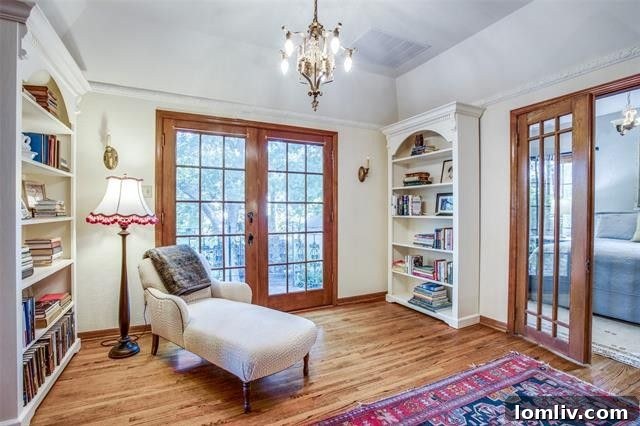
Stepping inside, one is immediately drawn to the living room, where a pair of truly gorgeous stained glass windows creates an atmosphere of timeless elegance. Interestingly, these exquisite windows were not part of the original architectural blueprints. Carol Gantt discovered through a former owner’s possession of the house plans that these stunning additions were integrated during the actual construction process, a testament to the custom and evolving nature of Dines and Kraft’s design philosophy. Arches, a defining characteristic and important design element for Dines and Kraft, are prominently featured, contributing to a graceful flow between spaces while subtly defining areas for privacy. This clever architectural solution maintains an open yet intimate feel. Furthermore, the living room boasts its original, impressive ceiling height, a feature that was quite common in formal reception rooms of that period. Far from being a mere structural element, these tall ceilings were a deliberate design choice, effectively creating a greater sense of space, grandeur, and openness that continues to enhance the room’s elegant ambiance today. The combination of these thoughtful details elevates the living room beyond a mere gathering space, transforming it into a true architectural statement within the home.
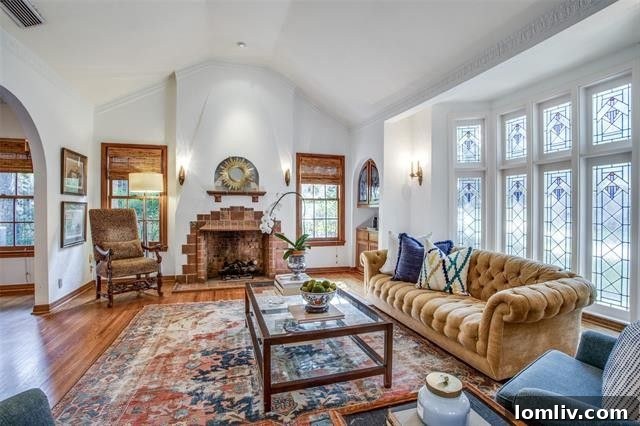
The fireplaces of the Dines and Kraft Tudor era were far more than functional heating elements; they were monumental works of art, serving as central focal points that showcased the finest craftsmanship of the period. Typically, these exquisite installations featured tiles from renowned artistic movements, such as the distinctive Rookwood Pottery, the vibrant California art tile, or the celebrated Batchelder tiles. Each type brought its unique aesthetic and historical significance to the heart of the home, transforming a practical necessity into a decorative masterpiece.
According to Carol Gantt, the magnificent fireplace in this Dines and Kraft Tudor is a genuine Batchelder, named after its pioneering artist, Ernest Batchelder. A true leader in the American Arts and Crafts movement, Batchelder’s influence extended far beyond his studio. He was a master of marketing, innovative for his time, becoming one of the first artists to offer his distinctive tiles through catalogs, thus making his art accessible to a wider audience. Batchelder fireplaces are recognizable by their signature neutral color palette, which imparts a sense of earthy tranquility and timeless elegance. Often, his designs beautifully incorporate natural motifs such as birds, flowers, and animals, adding an organic and serene touch to the home’s interior. Given their historical and artistic value, the preservation of these unique installations is paramount. As a fervent plea to future owners and enthusiasts alike: for goodness sake, never paint a Batchelder fireplace! To do so would be to diminish a piece of art history, stripping away its original beauty and irreplaceable character. Such a fireplace is not just a feature; it is a legacy.
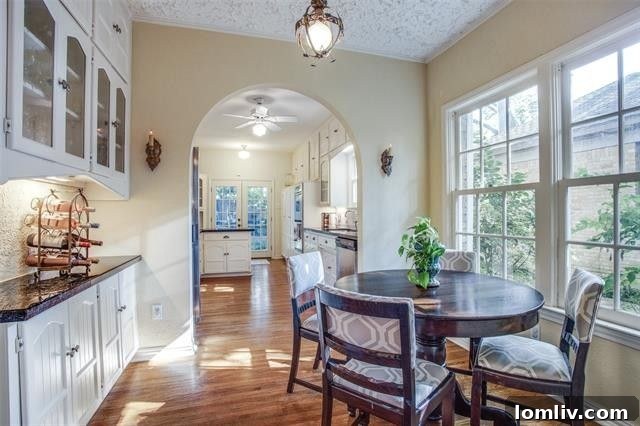
Among the many distinctive elements that set a Dines and Kraft Tudor apart, two of the most eclectic and captivating features are the stalactite ceiling and the evocative “Monday morning floors.” These unique design choices exemplify the architects’ playful creativity and their commitment to infusing homes with unparalleled character.
Let’s first delve into the marvel of the stalactite ceiling. During the 1920s, plasterwork transcended mere construction to become a true art form. The craftsmen of the day, with their incredible skill and dedication, clearly delighted in their intricate work, transforming mundane surfaces into sculptural masterpieces. These ceilings, often found in key areas of the home, resemble the delicate, whipped peaks of egg whites or the natural formations of stalactites, creating a three-dimensional tapestry overhead. They are utterly arresting and command immediate attention, especially for those encountering such a unique architectural detail for the first time. This particular Dines and Kraft Tudor is fortunate to preserve an original stalactite ceiling in its breakfast room, an extraordinary feature that is simply stunning, adding an unexpected layer of elegance and historical depth to a space typically reserved for everyday moments. This ceiling is not just a part of the home; it is a conversation piece, a testament to an era of unparalleled artistry in construction.
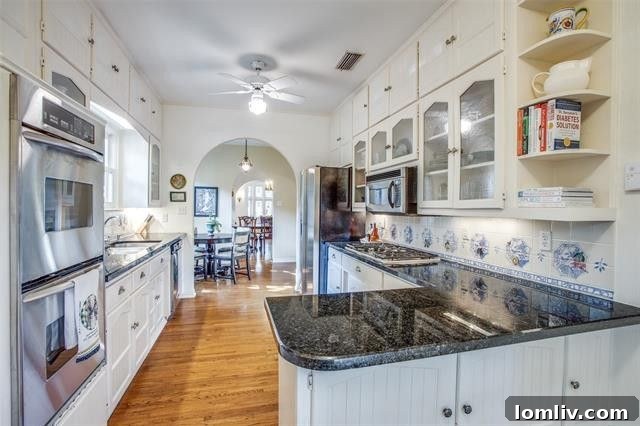
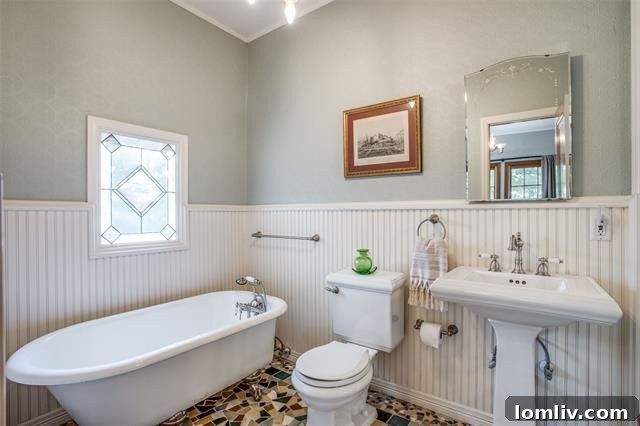
Equally enchanting and historically significant are the “Monday morning floors,” a charming nickname for what is formally known as trencadís or pique assiette. If the image of a mosaic made from broken tiles comes to mind, you are absolutely correct. This ingenious and eco-conscious practice involved collecting leftover tile fragments and shards from the previous week’s construction projects. These remnants, instead of being discarded, were meticulously chopped and artfully arranged to create stunning mosaic floors. It was a remarkably clever and artistic solution to repurpose materials, transforming what could have been waste into unique, handcrafted surfaces that tell a story of resourcefulness and creativity. This practice not only showcased the ingenuity of the builders but also added an unparalleled layer of bespoke artistry to the homes of the era. Each Monday morning floor is a unique composition, a tangible piece of architectural history.
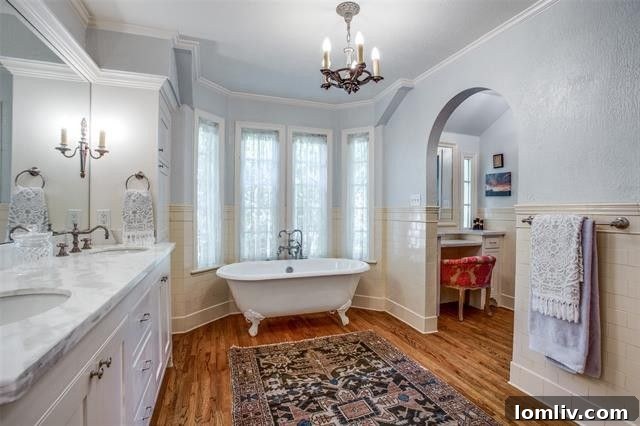
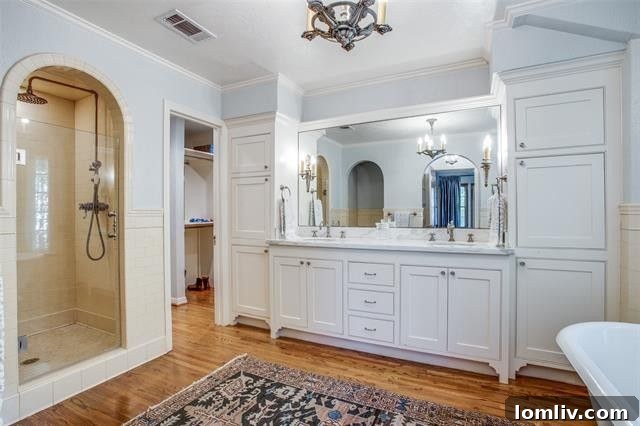
Today, original Monday morning floors are highly coveted by architectural purists and enthusiasts of historic homes, representing a cherished aspect of Dines and Kraft’s unique design philosophy. When the bathrooms in this Dines and Kraft Tudor were thoughtfully redone, Carol Gantt approached the task with exceptional care and precision. Her goal was to faithfully mimic the aesthetic and craftsmanship one would have found in the late 1920s. This commitment to historical accuracy extended to the recreation of a captivating Monday morning tile floor in one of the bathrooms. The result is a beautifully authentic space that not only provides modern amenities but also transports inhabitants back to the original charm and artistic ingenuity of the home’s early days. This dedication to reproducing such distinctive features ensures that the home’s unique character remains intact and celebrated for generations to come, making it a truly exceptional find for buyers seeking historic preservation.
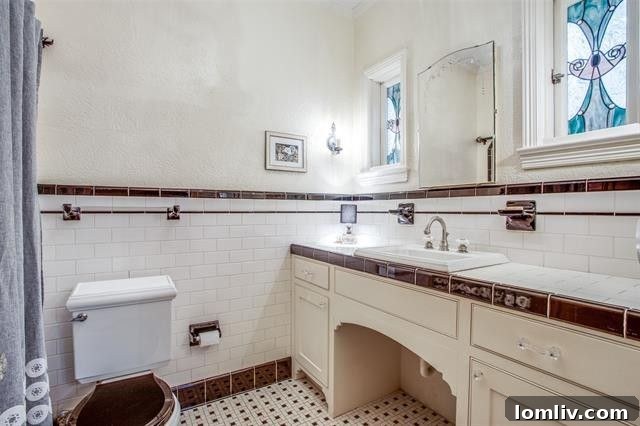
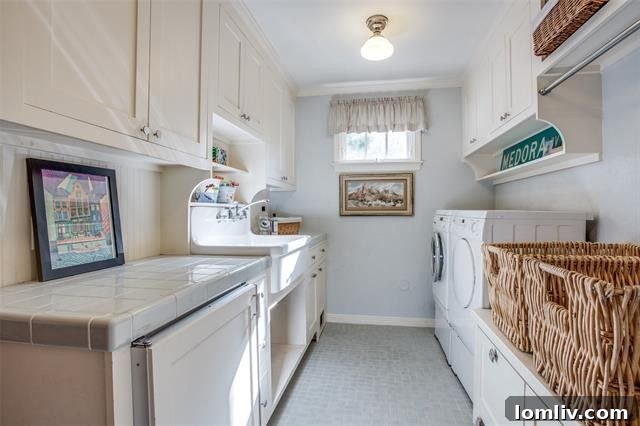
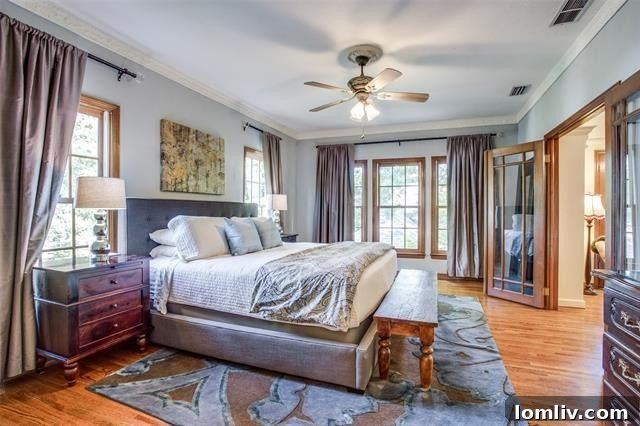
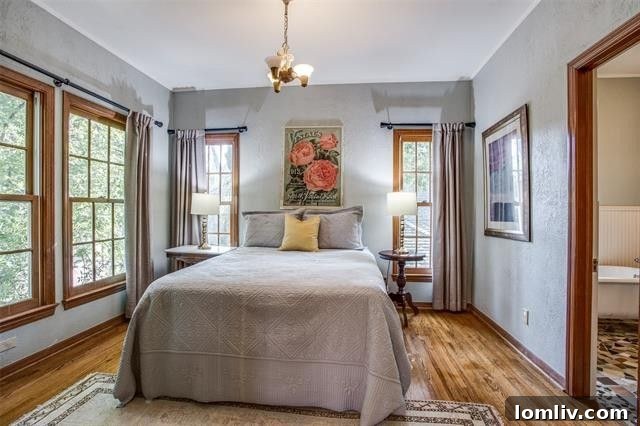
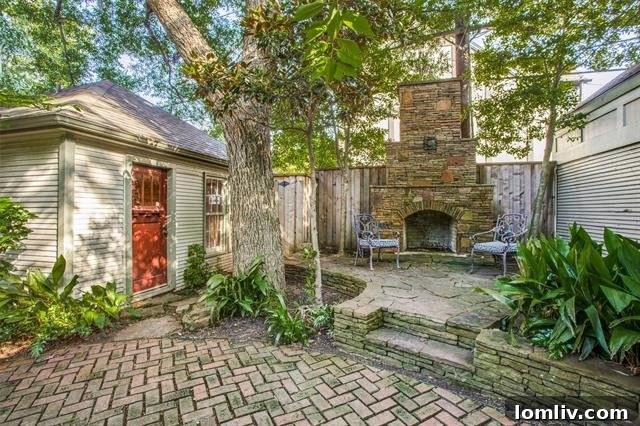
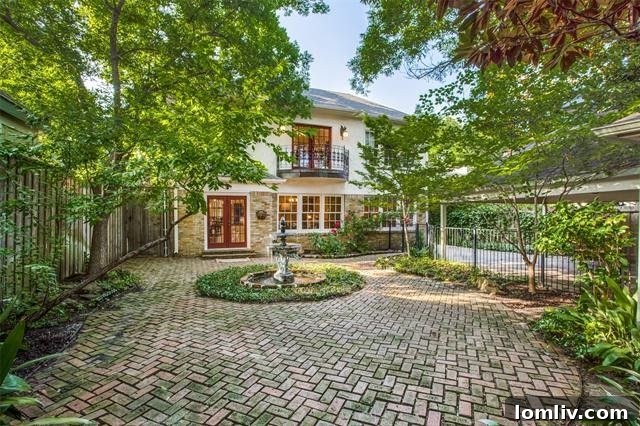
This Dines and Kraft Tudor at 6914 Westlake Avenue has been fortunate to be stewarded by owners who deeply respected its inherent character, artistic details, and rich history. This commitment to preservation is an invaluable bonus for today’s discerning buyers, ensuring that the home’s unique charm remains undiluted. Beyond its captivating aesthetics, this property offers substantial living space, boasting 2,880 square feet designed for comfort and elegance. The layout includes four generous bedrooms, three full bathrooms, and a convenient powder bath, providing ample space for families and guests alike. An additional highlight is the thoughtfully integrated guest quarters, offering privacy and versatility for visitors or extended family members. Adding to its allure, the home features a romantic New Orleans-style courtyard nestled behind the main residence, a tranquil oasis perfect for relaxation, entertaining, and enjoying the Dallas climate. For any enthusiast of Tudor homes or those who appreciate the enduring beauty of historic Dallas architecture, this residence, with its harmonious blend of preserved artistry and modern functionality, truly represents a dream come true.
This truly rare Dines and Kraft Tudor, meticulously preserved and thoughtfully updated, is currently on the market. Lauren Farris of Compass Real Estate has the exclusive listing for this architectural masterpiece located at 6914 Westlake Avenue, Dallas, TX 75214. It is being offered at an exceptional price of $995,000. In a market where historic properties of this caliber, with such a rich backstory and an impeccable renovation, often command well over a million dollars, finding a gem like this for under that threshold is indeed a significant treat. It presents a unique opportunity for a discerning buyer to own a piece of Dallas history, seamlessly blending the elegance of the past with the comforts of modern luxury in the highly sought-after Lakewood neighborhood. This is more than just a home; it’s an heirloom, ready for its next chapter.