Discovering the Historic L.O. Daniel Neighborhood: A Timeless Gem in North Oak Cliff
By Deb R. Brimer
Special Contributor
Nestled within the vibrant landscape of North Oak Cliff, the L.O. Daniel neighborhood stands as a testament to Dallas’s rich history and enduring charm. This distinctive area is every bit as noteworthy as its legendary namesake, Lark Owen Daniel, a figure who, though perhaps not a household name today, indelibly stamped his footprint on the city’s early development and its burgeoning business world. His vision and ambition helped shape not only this picturesque corner of Dallas but also contributed significantly to its financial and civic growth.
The Visionary Behind the Name: Lark Owen Daniel’s Enduring Legacy
Lark Owen Daniel’s journey to prominence began when he moved to the Dallas area from Waxahachie in 1890. A true entrepreneur, he swiftly made his fortune as the astute founder of the Daniel Millinery Company, a significant enterprise located in downtown Dallas. In an era when fashion and elaborate headwear were paramount, his millinery business thrived, becoming a key player in the city’s commercial scene and establishing Daniel as a formidable businessman.
Beyond his successful venture in millinery, Daniel was a pivotal figure in Dallas’s financial and civic sectors. He was instrumental as a founder and officer of the Mercantile National Bank, a cornerstone institution in Dallas’s financial landscape. This bank underwent a series of strategic mergers and acquisitions over the decades, eventually evolving into what is known today as JPMorgan Chase Bank, a testament to its enduring legacy and Daniel’s foundational vision. His leadership extended to the broader business community, serving with distinction as president of the Dallas Chamber of Commerce, the Wholesale Merchants Building Company, and the Trade League. These roles underscored his profound commitment to fostering economic prosperity and civic engagement in Dallas.
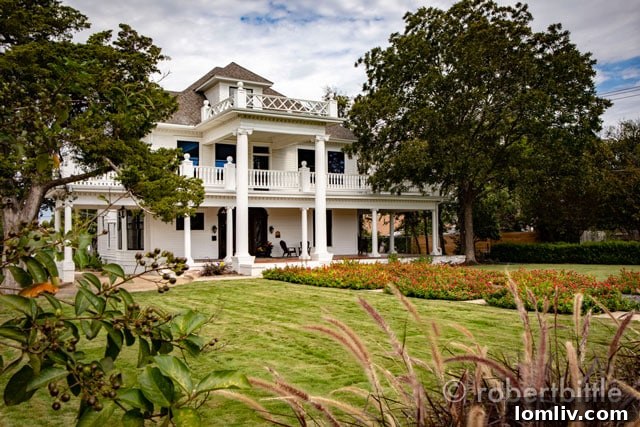
In 1901, a landmark year for Dallas as it annexed the town of Oak Cliff, Daniel made a visionary investment, purchasing a sprawling 27-acre tract of rolling countryside. This beautiful land, located in what would later become the prestigious neighborhood bearing his name, offered a canvas for his burgeoning success. Within an astonishing four years, Daniel’s business acumen propelled him to millionaire status. To commemorate this remarkable achievement and solidify his place among Dallas’s elite, he commissioned the construction of a magnificent 5,000-square-foot Colonial Revival mansion on his newly acquired property, creating a grand homestead that would become the heart of the future L.O. Daniel neighborhood.
A Historic Landmark: The Majestic L.O. Daniel Mansion
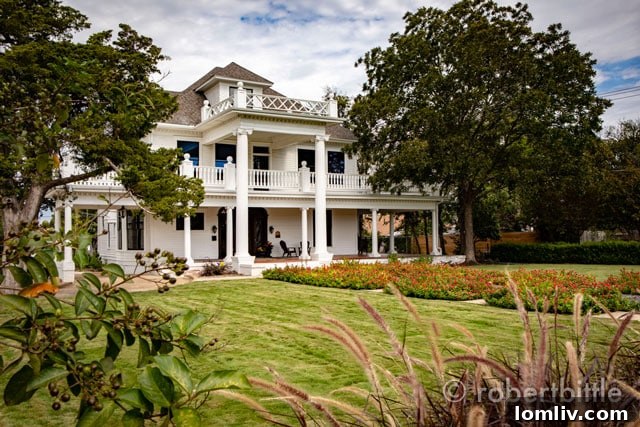
The crowning jewel of the neighborhood, the L.O. Daniel homestead, was rightfully designated a historical landmark by the City of Dallas in 1984. This grand Colonial Revival mansion, with its characteristic symmetrical façade, stately columns, and two stories of inviting wrap-around porches, exudes an timeless elegance that captivates residents and visitors alike. Its impressive scale and classic design reflect the architectural trends of the early 20th century, embodying a period of prosperity and refined taste. Situated prominently across the street from Sunset High School, the restored wood frame mansion serves not only as a physical centerpiece but also as a historical anchor, connecting the community to its distinguished past and the legacy of its founder.
The historical landmark status of the L.O. Daniel Mansion ensures its preservation for future generations, highlighting its architectural significance and its pivotal role in the narrative of Oak Cliff. It stands as a symbol of the neighborhood’s commitment to heritage, reminding everyone of the grandeur and vision that shaped this unique corner of Dallas. Its presence continues to inspire a strong sense of pride among residents and acts as a focal point for the community’s identity.
Architectural Diversity and Community Charm in L.O. Daniel
Though spatially modest, encompassing less than half a square mile, the L.O. Daniel neighborhood is immense in its character, offering a rich tapestry of architectural diversity, a profound sense of history, and a vibrant front-porch culture that defines its unique appeal. This compact area boasts a remarkable collection of over 200 homes, each telling a story that spans from the early 1900s to the mid-century era. While a handful of duplexes dating back to the late 1930s add to its historical fabric, the vast majority are cherished single-family residences, contributing to a stable and family-oriented atmosphere.
A Showcase of Classic American Architecture
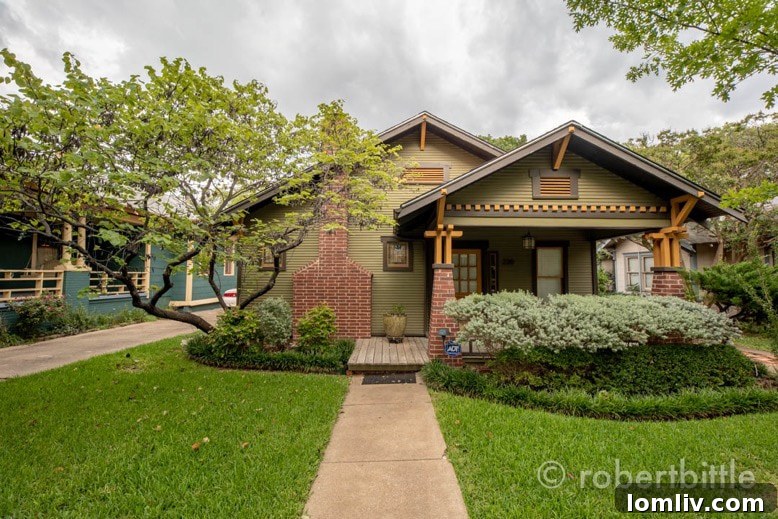
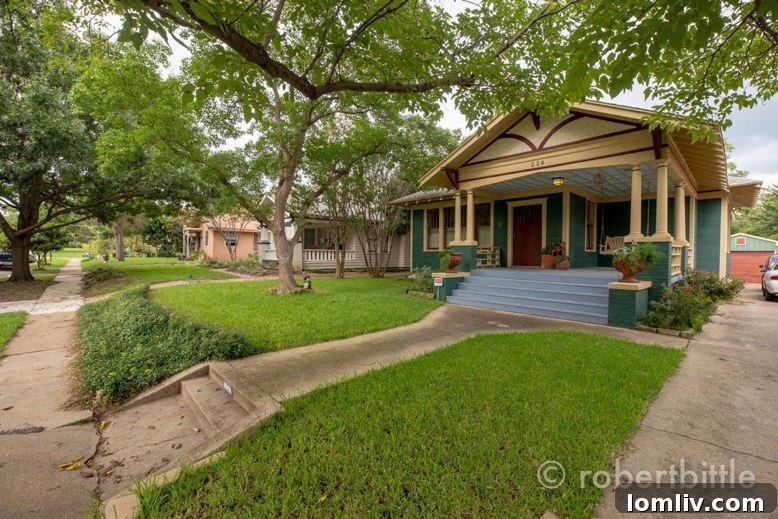
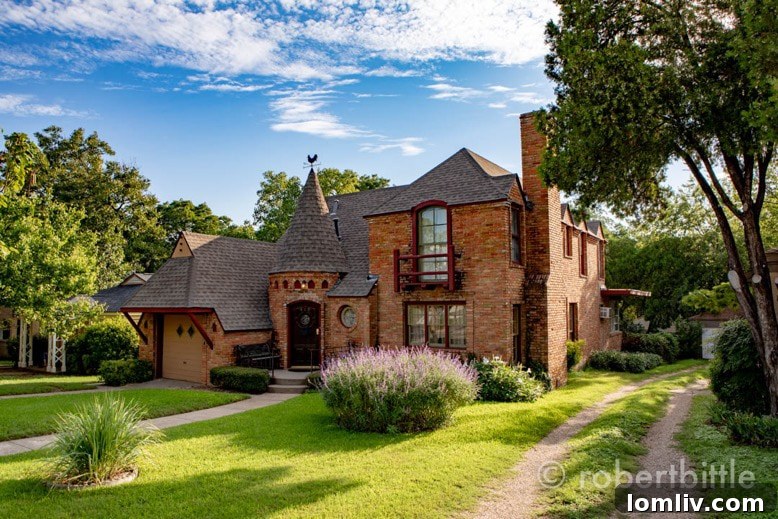
The architectural styles found within L.O. Daniel are a true delight for enthusiasts, showcasing a rich spectrum of American residential design. Visitors and residents can admire robust stone and brick Tudor cottages, distinguished by their steeply pitched roofs, decorative half-timbering, and charming storybook aesthetics that evoke a sense of Old World character. Equally prevalent are the iconic brick and frame Craftsman bungalows, celebrated for their natural materials, wide overhanging eaves, exposed rafters, and, most notably, their expansive front porches. These inviting porches are more than just architectural features; they are symbols of the neighborhood’s beloved “front-porch culture,” encouraging impromptu conversations, fostering strong neighborly bonds, and creating a tangible sense of community that is increasingly rare in modern urban environments.
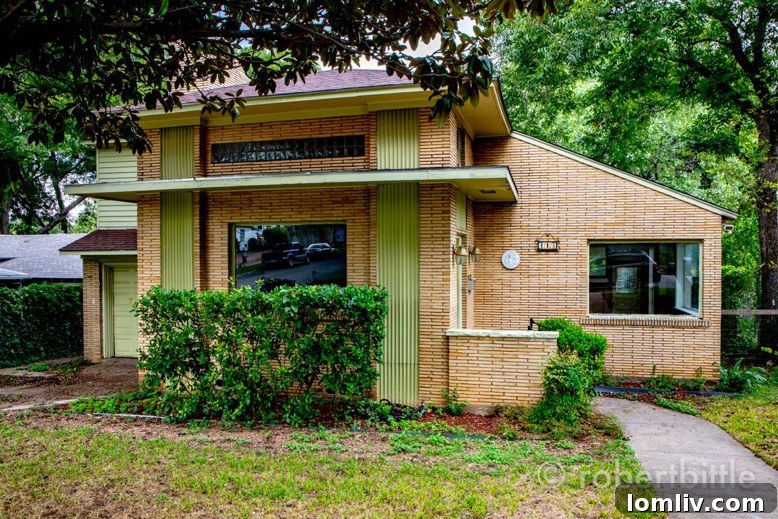
Adding further to this rich architectural tapestry are the graceful one and two-story Prairie frame homes, characterized by their strong horizontal lines, low-pitched roofs, and deep eaves that connect the structures seamlessly with the surrounding landscape. Influenced by the progressive design philosophies of architects like Frank Lloyd Wright, these homes embody a modernist sensibility that contrasts beautifully with the more traditional styles, contributing to the neighborhood’s unique visual appeal and diverse architectural narrative. This eclectic mix ensures that every street offers a new discovery, a different historical period, and a distinct aesthetic appeal.
The Unique Allure of Charles Dilbeck Homes
A particularly cherished feature of the L.O. Daniel neighborhood is a modest yet significant collection of post-World War II houses designed by the iconic Dallas architect Charles Dilbeck, located along Montreal Avenue. Dilbeck’s signature style, a distinctive blend of European country influences, French Provincial charm, and a touch of Texas vernacular, makes his homes instantly recognizable and highly sought after. Finding his designs within L.O. Daniel is considered a special treasure, as the majority of his works in the local market are typically found across the Trinity River in the affluent enclaves of North Dallas and the Park Cities. These Dilbeck homes introduce an additional layer of architectural character and diversity, further enriching L.O. Daniel’s already captivating aesthetic and underscoring its historical significance in Dallas’s architectural landscape.
Thriving Community and Modern Conveniences
The L.O. Daniel neighborhood isn’t just about historic homes; it’s about a vibrant, evolving community. According to resident Angela Angel, an active member of the neighborhood association, the area boasts a broad and harmonious mix of age groups. “I have been here for 13 years,” Angel shared, “Among my closest neighbors, I am [still] the new kid on the block.” This anecdote perfectly illustrates the enduring appeal and stability of the community. Yet, she observes a wonderful shift: “I have seen in that time the homes being sold going to younger couples starting families. Our National Night Out cookout is swarming with kids and babies, which is nice to see.” This influx of younger families injecting fresh energy while respecting the established charm creates a dynamic and truly multi-generational environment where new memories are forged alongside historical narratives. Community events, like the lively National Night Out cookout, serve as essential gathering points, reinforcing neighborly ties and celebrating the collective spirit of L.O. Daniel.
As a predominantly residential neighborhood, L.O. Daniel offers a tranquil retreat from the hustle and bustle, yet residents are never far from exceptional dining, shopping, and entertainment options. The strategic location within North Oak Cliff means that the vibrant Bishop Arts District and other nearby commercial areas are just a stone’s throw away, providing unparalleled access to urban amenities without sacrificing the peace of a historic residential enclave.
A Culinary Journey and Cultural Delights
While the L.O. Daniel neighborhood cherishes its quiet residential character, it also boasts a beloved local institution: the Metro Diner. “The only restaurant we have in the neighborhood is the Metro Diner, which is open 24 hours and serves breakfast and burgers,” Angel notes. This classic diner is more than just a place to eat; it’s an “Oak Cliff staple,” a comforting, round-the-clock gathering spot where residents can enjoy hearty meals and connect with neighbors, embodying the friendly, unpretentious spirit of the area.
Beyond the immediate neighborhood, the walkability and short drives to nearby hotspots significantly enhance the L.O. Daniel lifestyle. Residents frequently stroll to acclaimed establishments like Nova on West Davis Street, known for its inviting ambiance and diverse menu. Cultural experiences abound at The Kessler Theater, a historic venue that regularly hosts live music and performances, providing a vibrant cultural pulse for the community. For a more casual yet equally satisfying dining experience, Jed’s Grill on Jefferson Boulevard remains a local favorite. This enviable access to a spectrum of dining and entertainment options means L.O. Daniel residents enjoy the best of both worlds: the tranquility of a historic home-lined street and the dynamic energy of urban living.
L.O. Daniel: A Timeless Treasure in Dallas
The L.O. Daniel neighborhood epitomizes the ideal blend of historical grandeur, architectural diversity, and a thriving community spirit, making it one of North Oak Cliff’s most coveted and unique areas. From the enduring legacy of its visionary namesake, Lark Owen Daniel, and his magnificent Colonial Revival mansion, to the charming Craftsman bungalows and rare Charles Dilbeck designs, every aspect of this neighborhood tells a story of Dallas’s rich past.
With its welcoming front-porch culture, a dynamic mix of residents, and unparalleled access to the vibrant Bishop Arts District and local amenities, L.O. Daniel offers a lifestyle that balances serene historic living with modern urban convenience. It stands as a timeless treasure, inviting those who seek a home rich in character, history, and community to discover its undeniable charm.