By Philip Henderson, FAIA
Special Contributor
The Enduring Legacy of Charles Dilbeck: Master Architect of French Norman and Ranch Styles
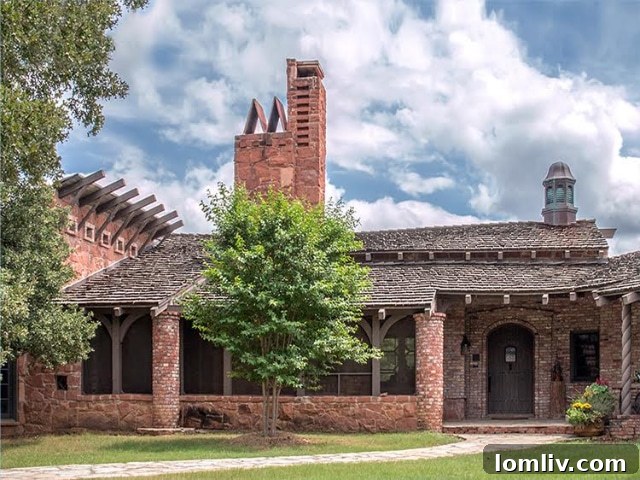
In the pantheon of American architects, few possess the singular vision and profound impact of Charles Stevens Dilbeck. Working tirelessly across Texas and Oklahoma from the late 1920s until his retirement in 1970, Dilbeck didn’t just design buildings; he crafted homes that told stories, marrying functionality with an unparalleled aesthetic sensibility. His distinctive touch became instantly recognizable, marking him as an architect of extraordinary skill, originality, and boundless imagination. What truly set Dilbeck apart was his ability to not only develop one personal style but to master two vastly different yet equally beloved aesthetics: the enchanting French Norman and the quintessential American Ranch style.
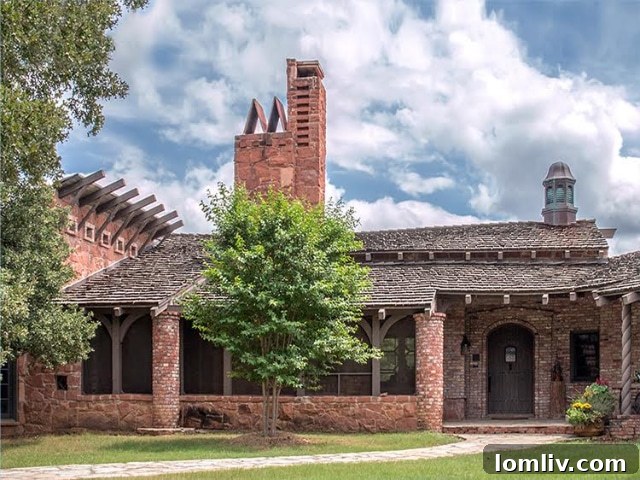
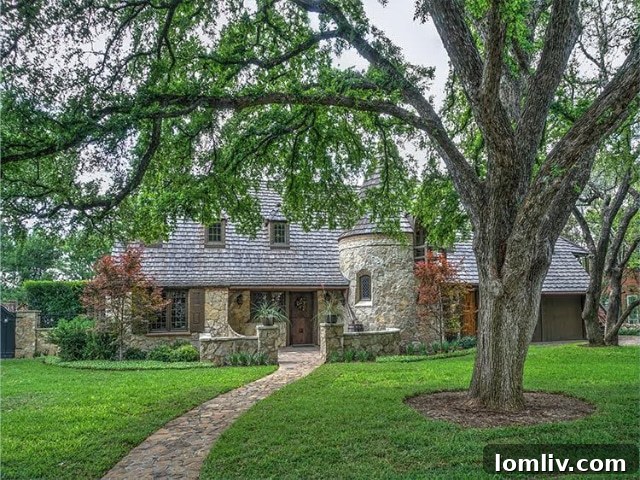
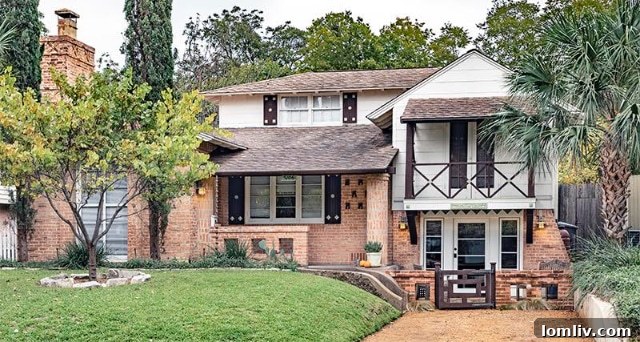
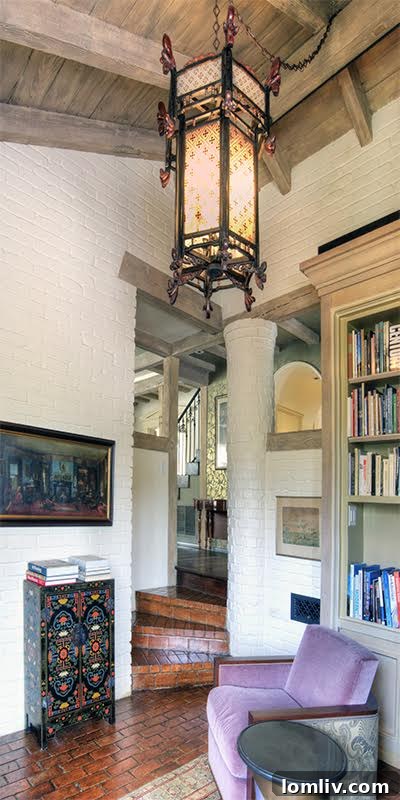
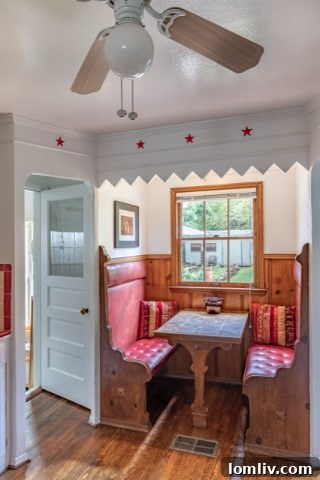
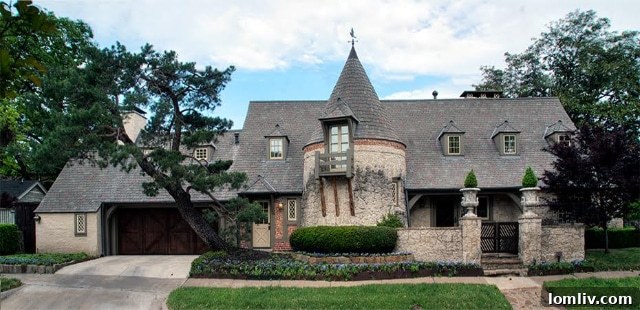
Dilbeck’s French Norman homes evoke the picturesque charm of rural France, characterized by steep pitched roofs, turrets, stone and stucco exteriors, and often whimsical, storybook details. His Ranch style, conversely, took the popular mid-century American form and elevated it, imbuing it with sophisticated finishes, intricate brickwork, and thoughtful layouts that often blurred the lines between indoor and outdoor living. He skillfully combined and recombined signature elements from both traditions, playing with variations, symmetry, and asymmetry to create a remarkable portfolio of residences. From grand estates to more modest dwellings, each Dilbeck house, though unique in its specific expression, undeniably bore the unmistakable hallmark of its creator. His work transcends mere architectural design; it embodies a timeless appeal that continues to captivate homeowners and enthusiasts alike.
To fully appreciate the breadth and depth of his genius, a current exhibition at AD EX meticulously showcases Dilbeck’s celebrated French Norman and Ranch styles. This exhibition beautifully illustrates his mastery of architectural language, revealing how he consistently innovated within his chosen styles to produce a diverse yet cohesive body of work. It’s an invaluable opportunity to explore the evolution of his craft and understand why his designs remain so highly coveted.
The Self-Taught Genius: Charles Dilbeck’s Formative Years and Personal Style
Unlike many architects of his era who followed a traditional path of university education, Charles Dilbeck’s journey into the world of architecture was uniquely hands-on and self-forged. His personal style began to evolve at the remarkable age of 15, not in a classroom, but as a draftsman modifying house plans for two Tulsa lumberyards. This early, practical immersion laid the foundation for his distinctive approach, one deeply rooted in the realities of construction and client desires. His informal apprenticeship continued to flourish under the guidance of two seasoned Tulsa architects, further refining his innate talents.
Dilbeck’s father, John W. Dilbeck, was a reputable building contractor in Tulsa, Oklahoma, and played a pivotal role in his son’s early career. John Dilbeck ensured his two sons gained invaluable experience working alongside skilled carpenters and master craftsmen on his construction sites. This direct exposure to the building process, understanding materials, joinery, and the practical challenges of construction, proved to be an indispensable education for Charles. It instilled in him a builder’s perspective that would profoundly influence his design philosophy throughout his career, ensuring his creations were not only beautiful but also structurally sound and practical to construct.
The 1920s saw a burgeoning demand for residential housing, with many homes being built using standardized drawings from “plan books.” However, clients often desired customization to meet their specific functional needs and aesthetic preferences. This is where young Charles Dilbeck’s talent shone brightest. Clients would bring magazine clippings and their personal visions, and Dilbeck, with remarkable precision and creativity, would modify the existing plans, transforming generic blueprints into personalized dream homes. His father quickly recognized Charles’s exceptional drawing skills and aptitude for design, effectively harnessing them to offer bespoke plan modifications to his own clients. Charles became so proficient at this intricate work that, at just 15, he was formally hired by the Long-Bell Lumber Company as a draftsman. For the next three crucial years, he honed his craft, working in two Tulsa lumberyards, continuously adapting and designing house plans for local builders.

His apprenticeship deepened at the Hanna Lumber & Building Company, where he worked under the direct supervision of an architect. This invaluable mentorship provided him with formal training, eventually entrusting him with all modification and design responsibilities. This model of learning, through direct experience within a practicing architect’s office, was a common and highly effective route to becoming an architect during that period. It ensured that Dilbeck’s education was intensely practical, grounded in real-world applications, and directly responsive to market demands.
The Tulsa Years: From Mystery House to Architectural Prodigy
Dilbeck’s innate talent for creating homes that were not only appealing but also highly marketable quickly earned him recognition among Tulsa’s builders. His ability to blend aesthetic charm with practical appeal made his designs hot commodities. In a brilliant marketing move for a new residential development by Hanna Lumber & Building Company, the then 20-year-old Dilbeck was commissioned to design a “mystery house.” This innovative project involved constructing a complete house concealed beneath a tabernacle tent, generating immense public curiosity. On the much-anticipated Announcement Day, the tent was dramatically removed, revealing the beautifully finished home to an eager crowd. The immediate public response was a testament to Dilbeck’s design prowess: the house sold within a staggering two hours! This early success solidified his reputation as a formidable designer, capable of creating homes that resonated deeply with the public.
After completing his architectural apprenticeship with two prominent Tulsa architecture firms, Dilbeck felt confident enough to establish his own practice. In 1928, at the remarkably young age of 21, he opened his first office in Tulsa. By this point, he was already widely recognized as an architect who consistently created attractive, welcoming, and eminently livable homes. His practice initially focused primarily on residential projects, designing multiple houses within new Tulsa subdivisions for developers and builders, private custom homes, and several grand estates. His work helped shape the residential landscape of Tulsa, laying the groundwork for his future, even broader, influence.
A New Horizon: Dilbeck Departs For Dallas During the Great Depression
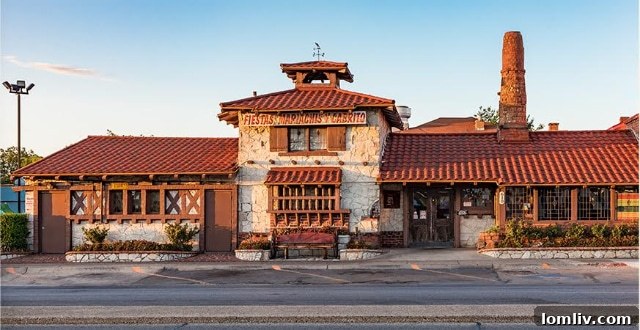
The economic upheaval of the Great Depression significantly impacted Tulsa, prompting Charles Dilbeck to seek new opportunities. In 1932, he made the pivotal move to Dallas, Texas, a city that would become the canvas for much of his most celebrated work. Dilbeck quickly became an integral part of Dallas’s burgeoning growth, contributing significantly to its architectural identity during a period of rapid development. Much like his tenure in Tulsa, Dilbeck designed a plethora of builder houses for new subdivisions across Dallas, alongside numerous private homes and magnificent large estates in prestigious areas like Preston Hollow. His adaptability and range were evident as his Dallas portfolio expanded beyond residential projects to include commercial ventures such as tourist courts, hotels, and restaurants, demonstrating his versatility and understanding of diverse architectural needs.
Dilbeck’s distinct vision, characterized by a charming blend of traditional European influences and regional American styles, allowed him to create spaces that felt both grand and inviting. His French Norman designs, with their characteristic stone facades, steep roofs, and often asymmetrical massing, lent an old-world elegance to Dallas neighborhoods. Simultaneously, his innovative Ranch designs, which he evolved into a more sophisticated and custom-oriented style, perfectly captured the spirit of expansive Texas living. He masterfully integrated local materials and often added whimsical, bespoke details—from uniquely crafted chimneys to custom ironwork—that made each of his creations truly stand out. His homes became highly sought after, known for their exceptional craftsmanship, timeless appeal, and the immediate sense of character they conveyed.
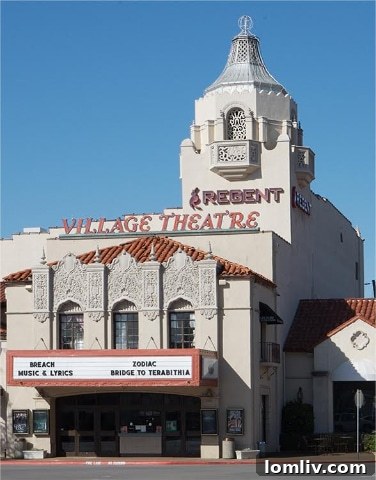
When Charles Dilbeck closed his office and retired from architectural practice in 1970, he left behind an extraordinary body of work that continues to define architectural excellence. His prolific career encompassed several hundred residences, numerous commercial buildings in both Tulsa and Dallas, and over 50 large homes and estates spread across an impressive array of states, including Oklahoma, Texas, Kansas, Colorado, Louisiana, Mississippi, and Tennessee. It is widely estimated that he contributed an astonishing 600 projects to the Dallas landscape alone, a testament to his tireless dedication and creative output. His structures are not merely buildings; they are cherished landmarks, embodying an enduring charm and historical significance that speaks volumes about his architectural genius. Today, Dilbeck homes are considered architectural treasures, celebrated for their unique character, superior construction, and timeless aesthetic that continues to inspire and delight.
Experience the Legacy: IF YOU GO
To delve deeper into the fascinating world of Charles Dilbeck and witness the masterful evolution of his French Norman and Ranch styles, the current Dilbeck exhibition offers an unparalleled opportunity. This meticulously curated showcase is on view through September 30 at AD EX, the Architecture and Design Exchange. Located in the Republic Center at 325 N. St. Paul St., Suite 150, precisely at the vibrant corner of St. Paul and Pacific, the exhibition is easily accessible to all. Plan your visit during exhibition hours: Tuesday through Thursday from 10 a.m. to 6 p.m., and Friday and Saturday from 10 a.m. to 3 p.m. Don’t miss this chance to connect with the architectural brilliance of Charles Dilbeck.
Phillip Henderson, FAIA, is a distinguished board member of the Charles Stevens Dilbeck Architecture Conservancy. Established in 2022, the Conservancy is dedicated to championing the promotion and advocacy for the preservation of Dilbeck’s invaluable architectural legacy. Mr. Henderson also lent his expertise as the co-designer of the current exhibition at AD EX, collaborating with Willis Winters, FAIA, and Carolyn Brown, whose photography class skillfully captured the evocative images on display. Their collective efforts ensure that Dilbeck’s extraordinary contributions to architecture continue to be recognized and protected for future generations.