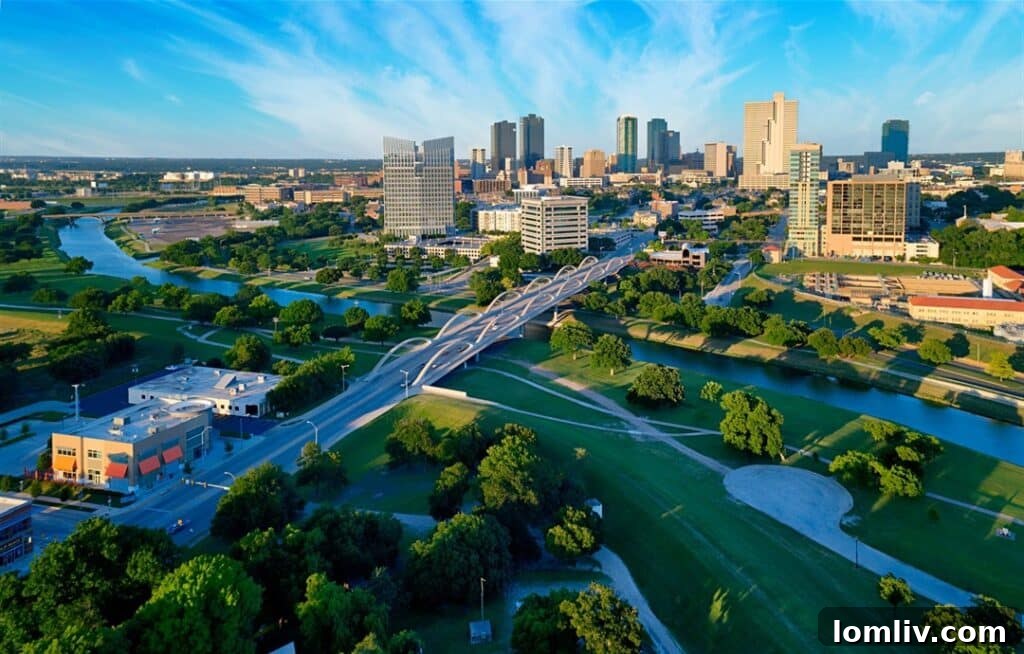
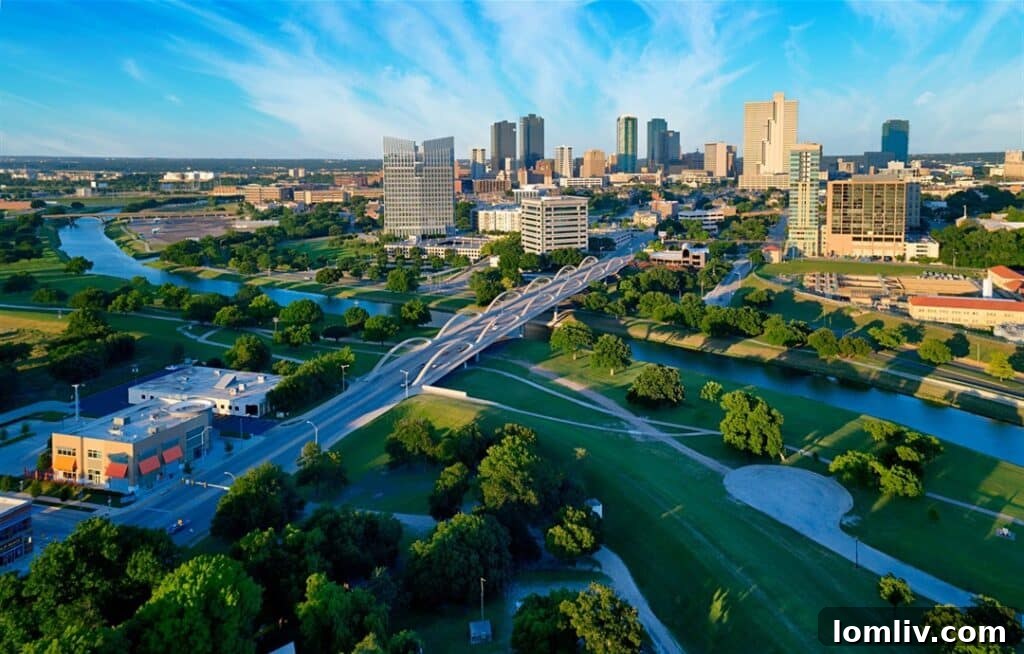
Fort Worth, Texas, stands as a testament to rapid urban expansion, holding the distinction of being the fastest-growing municipality in the state. While this growth signals prosperity and opportunity, it also brings forth a complex array of challenges that city leaders are actively striving to address. At the forefront of these concerns are the escalating issues of gentrification, the potential for resident displacement, and a critical shortage of attainable, affordable housing options for its diverse and expanding population.
Recognizing the urgency and multi-faceted nature of these challenges, key influencers and community stakeholders in Fort Worth gathered on December 6th for a pivotal discussion. This event was a central component of the Fort Worth Report’s acclaimed “Candid Conversations” series, designed to foster open dialogue on the city’s most pressing urban development issues. The insights shared during this forum are crucial for understanding Fort Worth’s strategic approach to balancing progress with preservation.
The timing of Fort Worth’s conversation on gentrification was particularly significant, coinciding with similar intense urban planning debates across the North Texas region. In neighboring Dallas, the Zoning Ordinance Advisory Committee was in the midst of reviewing controversial minimum lot size requirements, a policy often central to discussions about increasing housing density and affordability. Simultaneously, a legal injunction was filed to temporarily halt the enforcement of Dallas’s new short-term rental regulations, illustrating the ongoing struggle to balance property rights with neighborhood stability. These parallel developments across the metroplex underscore that Fort Worth’s challenges are not isolated, but rather part of a broader regional pattern of rapid development and its profound social and economic implications.
Fortunately, the Fort Worth gentrification discussion was expertly hosted by our partners at The Fort Worth Report, providing comprehensive coverage of the critical insights shared. The “Candid Conversations” series, with its explicit focus on “preserving neighborhood integrity while fostering economic growth and inclusivity,” courageously tackled the sensitive equilibrium required to navigate urban progress without sacrificing the unique character of Fort Worth and the well-being of its long-standing communities. Panelists openly acknowledged and discussed the difficult realities of gentrification, signaling a proactive commitment to confronting these issues head-on before they become irreversible.
Addressing Gentrification Through High Density and Diverse Housing Options
For Fort Worth, the threat of gentrification is not a distant concern; it is a current reality profoundly impacting cherished communities. Experts at the Dec. 6 panel discussion pointed to areas like the predominantly working-class Hemphill neighborhood, situated within Fort Worth’s vibrant Near Southside district, as prime examples. Here, an influx of investment and rising property values have created significant pressure, often leading to the displacement of long-term residents and threatening the established cultural identity of the area. The overarching challenge for Fort Worth is to ensure that economic revitalization is inclusive, benefiting all segments of the community without inadvertently pushing out vulnerable populations.
Mike Brennan, president of Near Southside Inc., a pivotal organization driving revitalization in the district, powerfully articulated the necessity of increasing residential density as a fundamental solution to the broader housing crisis. “Absolutely that’s a good thing,” Brennan affirmed, emphasizing its critical role. “In fact, that’s essential. I think we as a country are in a current housing crisis because we had a lull in housing development… We just haven’t built enough houses.” His insights align with national trends indicating that decades of underbuilding, coupled with restrictive zoning policies and surging demand, have created an acute shortage of housing units. This deficit drives up prices and diminishes affordability across major urban centers. For Fort Worth, embracing higher density is a strategic imperative, enabling the creation of more homes on less land, which is vital for accommodating its rapidly expanding population while mitigating urban sprawl.
However, the solution isn’t merely about constructing more buildings. Shawn Lassiter, executive director of BRAVE/R, introduced a crucial nuance: development must be community-driven and holistic. Her organization is deeply committed to fostering greater housing density within the 76104 ZIP code, but always with the critical caveat that essential resources like grocery stores, healthcare facilities, and other vital amenities are simultaneously provided and remain accessible to all residents. This comprehensive approach ensures that increased density genuinely enhances the overall quality of life, rather than simply adding structures without the necessary supporting infrastructure and services.
Lassiter eloquently articulated BRAVE/R’s foundational philosophy: “It’s been very important to not show up to a community with the plan already created. It’s important to come, blank slate, and say, ‘What is it that you need?’ and not to force a particular vision on people, because that is the battle of gentrification. That is the problem with what we’re doing in this city, and we don’t want to repeat things that other cities have screwed up. Fort Worth, we can be different.” This powerful declaration encapsulates the core principle of equitable urban development: a process rooted in authentic community engagement and empowerment, where the voices and needs of local residents shape the vision for their own neighborhoods.
Acknowledging past challenges, Lassiter openly conceded that Fort Worth has indeed faced its share of missteps. In some instances, rapid development has unintentionally led to the displacement of long-term residents, priced out by larger, more expensive projects. She passionately defined her organization’s mission: “Our job and our goal, and my job while I’m here is to lead the effort [so] the community is heard because there’s a void there. Gentrification is a void of culture.” This perspective reframes gentrification as not merely an economic shift but a profound cultural erosion, where the unique heritage, social fabric, and collective memory of a community are threatened when its original inhabitants are no longer able to afford to live there.
Building Inclusive Communities Through Workforce Housing and Strategic Development
Expanding on the critical theme of equitable growth, Stacy Marshall, president and CEO of Southeast Fort Worth Inc., highlighted his organization’s targeted efforts to foster density through the development of workforce housing. This vital category of housing is specifically tailored to be affordable for middle-income workers—professionals such as teachers, nurses, firefighters, and other essential service providers—who often earn too much to qualify for traditional subsidized housing but struggle significantly to afford market-rate homes in rapidly appreciating urban areas. By championing workforce housing, Southeast Fort Worth Inc. aims to cultivate economically diverse neighborhoods where these crucial members of the community can afford to live close to their jobs, actively contributing to the local economy and social vitality.
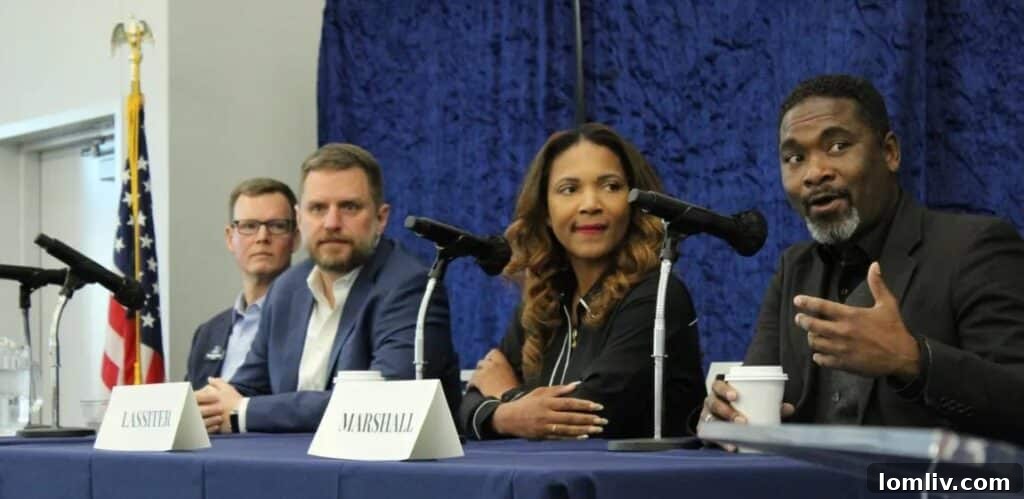
The imperative of increasing housing density, particularly through initiatives like workforce housing, is a sentiment that resonates powerfully across the entire Dallas-Fort Worth metroplex. In Dallas, city officials have engaged in vigorous debates concerning the reduction of minimum lot sizes for new residential developments. Proponents of such changes argue that they are essential for boosting housing supply, enhancing affordability, and introducing a greater variety of housing types. Conversely, critics frequently express significant concerns that decreasing lot sizes could fundamentally alter the established character of existing single-family neighborhoods, potentially leading to undesirable shifts in aesthetics, green space, and overall community feel. Fort Worth’s proactive stance on density, especially its deliberate focus on workforce housing, represents a nuanced and thoughtful approach to these shared regional challenges, striving to achieve sustainable growth without compromising core community values.
Marshall offered a compelling explanation of the strategic sequencing required for successful urban development: “By bringing workforce housing into the area, we’re bringing in those higher incomes. One of the things, as an example, yesterday I did a tour with a developer and she said, ‘How many people live in this area?’ and so I had to explain to her that we’re still in the process of building up, and by building up that’s going to get us the grocery stores, that’s going to get us the clinics, that’s going to get us all the amenities, but we have to have a plan in place.” This profound insight highlights a fundamental principle of urban economics: the presence of people, and their collective demand, is the primary driver for the emergence and proliferation of amenities and services. A stable, diverse, and adequately housed population acts as the essential magnet that attracts crucial businesses and infrastructure, fostering genuine community vitality.
Reiterating this crucial sequential understanding, Marshall emphasized, “The housing — the people — have to come first. We can’t expect the clinics to just pop up. We can’t expect the grocery stores to just pop up if we don’t have the people that are going to use them.” This perspective is critical for sustainable community building, debunking the common misconception that amenities alone will revitalize an area. Instead, a robust and diverse residential base serves as the indispensable prerequisite for a thriving local ecosystem of services, retail, and community spaces. By prioritizing the provision of diverse and affordable housing options, Fort Worth strategically lays the groundwork for comprehensive and enduring neighborhood improvement.
The Power of Citizen Engagement in Shaping Fort Worth’s Future
Beyond the valuable perspectives offered by urban planners and community leaders, the “Candid Conversations” panel vividly underscored the irreplaceable role of active citizen engagement in steering Fort Worth’s ongoing growth and evolution. Former Fort Worth City Councilman Joel Burns shared a relatable anecdote, recounting how during his tenure as an elected official, he was frequently “accosted” by residents eager to discuss intricate zoning ordinances or other pressing city business, even during personal moments like dining out. These seemingly informal encounters, he noted, were not nuisances but rather powerful indicators of a vibrant, informed, and deeply engaged citizenry.
Burns passionately stressed that these proactive residents are often the most effective catalysts for genuine change: “Those are the people who get results.” His message served as a direct and empowering call to action, urging all Fort Worth citizens to actively participate in the democratic processes that shape their city. He encouraged residents to “stand up in front of your elected officials, go to city council meetings, and make sure the conversation includes you.” This advice is particularly vital in a rapidly developing metropolitan area, where policy decisions regarding zoning, infrastructure investments, and community development can profoundly impact residents’ daily lives and fundamentally alter the long-term character of their beloved neighborhoods. Citizen voices provide critical feedback and ensure accountability from elected representatives.
The key takeaways from Fort Worth’s “Candid Conversations” are both clear and compelling. As the city continues its remarkable trajectory of growth, it must confront the intricate dual challenges of economic expansion and social equity with deliberate intentionality and proactive foresight. The insightful discussions highlighted a collective commitment to fostering sustainable development that intelligently embraces increased residential density and diverse housing options, including the crucial provision of workforce housing. Crucially, this forward-thinking vision is championed through a lens of authentic community collaboration, ensuring that development plans are not imposed from the top down, but rather organically shaped by the real needs and aspirations of existing residents.
By learning from past errors and actively seeking innovative, inclusive solutions, Fort Worth aims to craft a future where prosperity is equitably shared, and the rich cultural tapestry of its neighborhoods remains vibrantly intact. The path forward for this fast-growing Texas city relies on maintaining a delicate yet essential balance: cultivating robust economic vitality while staunchly protecting its communities from displacement and the erosion of their unique identities. Ultimately, the enduring success of Fort Worth’s urban evolution hinges on sustained, transparent dialogue, responsive and empathetic leadership, and the unwavering, active engagement of its citizens in shaping a truly inclusive, resilient, and thriving metropolitan landscape for generations to come.