
Arizona’s vibrant housing market, especially in bustling metropolitan areas like Phoenix, Tucson, and Mesa, is characterized by rapid shifts and dynamic trends. Whether you’re a first-time seller or a seasoned investor, navigating this unique landscape requires strategic planning and a keen understanding of local nuances. Inventory levels constantly fluctuate, influenced by a steady stream of incoming residents, seasonal demand, and economic indicators. By preparing meticulously and executing a well-thought-out strategy, you can significantly enhance your chances of selling your property faster, securing its maximum value, and protecting your hard-earned equity. A comprehensive plan not only improves the accuracy of your pricing but also instills greater buyer confidence, ultimately leading to a quicker and smoother closing process. This guide will walk you through the essential steps to successfully sell your home in Arizona’s competitive real estate environment.

Unlocking the Dynamics of the Arizona Real Estate Market
Arizona’s allure extends to a diverse demographic, drawing in retirees seeking a warm climate, remote workers looking for a high quality of life, and out-of-state investors capitalizing on growth opportunities. However, it’s crucial to recognize that demand is not monolithic; it varies significantly by region, property type, and specific neighborhood characteristics. For instance, single-family homes nestled within established suburban communities of Phoenix or Scottsdale often experience faster sales cycles compared to properties in more rural or remote areas.
To truly understand your position in the market, an in-depth study of recent comparable sales (comps) within a one-mile radius of your property is indispensable. This research should go beyond just asking prices; delve into actual closed sales prices, evaluating the price per square foot, the average days on market for similar homes, and any seller concessions made. Utilizing advanced market heat maps can provide visual insights into areas with the strongest buyer demand, helping you pinpoint the optimal time and strategy for your listing. Understanding these micro-market trends is key to positioning your home effectively.
Seasonality plays a particularly vital role in the Arizona housing market. The cooler, more comfortable weather of winter and early spring typically ushers in a surge of buyer activity. This period often sees an influx of snowbirds and vacationers who use their visit to explore potential new homes. Conversely, the intense summer heat can significantly reduce showing traffic, especially for vacant homes that lack an efficient air conditioning system to provide a comfortable viewing experience. Timing your sale to align with peak buying seasons can offer a distinct advantage.
Furthermore, local economic indicators, especially job growth and population expansion, directly influence how quickly homes sell. Arizona, and particularly the Phoenix metropolitan area, has experienced robust tech sector growth and continuous population increase across Maricopa County. These factors create a strong foundation of sustained buyer demand, helping to keep the real estate market robust and sales moving at a healthy pace. Keeping an eye on these broader economic trends can inform your selling strategy.
Strategic Pricing: Your Key to a Fast Arizona Home Sale
Pricing your home correctly is arguably the most critical factor in achieving a fast and profitable sale. Overpricing, even slightly, can lead to prolonged market time, deter potential buyers, and ultimately result in price reductions and increased carrying costs. On the other hand, underpricing without a clear, deliberate strategy means leaving money on the table and diminishing your net proceeds. The goal is to find that “sweet spot” where your home is perceived as a compelling value.
The foundation of effective pricing lies in a comprehensive comparative market analysis (CMA). This analysis should be based predominantly on recent closed sales, not active listings, as closed sales reflect what buyers are actually willing to pay. Adjustments must be meticulously made for various property features, including significant upgrades, lot size variations, and the presence of amenities like pool installations—which are particularly common and highly valued in the Arizona climate. A skilled real estate agent can provide an expert CMA, incorporating their local knowledge.
Monitoring current mortgage rate trends is also essential. When interest rates are higher, buyer purchasing power diminishes, meaning your price needs to align with what potential buyers can realistically afford within their budget. Being proactive in adjusting your price to current financing conditions can keep your property attractive to a broader pool of buyers.
If speed is your absolute top priority and outweighs maximizing the final sale price, you might consider alternative selling routes. Engaging with reputable Arizona cash home buyers can offer a significantly expedited process. These buyers typically eliminate financing contingencies, appraisal delays, and often skip many lender-required repairs, as they pay in cash. This can lead to a closing in a matter of days or weeks, rather than months, providing unparalleled convenience and certainty.
When weighing a traditional listing against a direct cash sale, meticulously evaluate your net proceeds. Factor in all potential costs for both scenarios: agent commissions (for traditional sales), potential repair credits or concessions requested by traditional buyers, and holding costs such as mortgage payments, utilities, and property taxes during the selling period. Understanding these financial implications will help you make the most informed decision for your unique circumstances and goals.
Tackling Climate-Specific Repairs for Arizona Homes

Arizona’s arid desert climate presents unique challenges and specific areas of focus during a home inspection. Buyers in the Grand Canyon State meticulously scrutinize certain components, particularly the performance of the heating, ventilation, and air conditioning (HVAC) system, due to the extreme summer temperatures. A robust, efficient AC unit isn’t just a luxury; it’s a necessity.
Proactively servicing your air conditioning systems before listing your home is highly recommended. Providing maintenance records or even recent tune-up receipts can significantly boost buyer confidence. Be prepared to replace worn capacitors, aging compressors, or even consider a full system replacement if your unit is nearing the end of its lifespan, as this can be a major selling point and prevent headaches during negotiations.
Roofing materials also require close inspection for sun damage. While tile roofs are prevalent in Arizona and known for their durability, the underlying membrane or underlayment can degrade faster due to intense UV exposure and heat fluctuations. Any signs of cracking, blistering, or dislodged tiles should be addressed promptly to prevent costly leaks and ensure structural integrity.
Check your window seals and overall insulation levels throughout the home. Energy efficiency is a significant concern for Arizona homeowners, as utility costs can be substantial during the long, hot summers. Upgraded, energy-efficient windows and proper attic insulation can be a major selling point, highlighting potential savings for the new owner.
Finally, landscaping around your home should reflect smart water conservation practices. Drought-tolerant xeriscaping, featuring native plants, gravel, and efficient irrigation systems, strongly appeals to buyers seeking lower maintenance and reduced water bills. Addressing these climate-specific issues upfront not only enhances your home’s appeal but also drastically lowers the likelihood of buyers renegotiating the price or demanding repairs after an inspection, streamlining your path to closing.
High-Impact Repairs and Updates That Maximize Value
When preparing your Arizona home for sale, discerning where to invest your time and money is crucial. Focus on repairs and updates that offer the highest return on investment and address functional reliability first. This means promptly fixing any visible plumbing leaks, rectifying electrical issues, repairing damaged drywall, and replacing outdated fixtures that detract from the home’s overall aesthetic, particularly if these updates are cost-effective.
The interior paint scheme plays a significant role in broadening buyer appeal. Neutral colors—such as soft grays, warm whites, or subtle beiges—create a blank canvas that allows potential buyers to easily envision their own furniture and style within the space. Removing any highly personalized or bold color schemes is a simple yet effective way to make your home feel more inviting and spacious.
Kitchen and bathroom refreshes consistently deliver a strong return without the need for a full, expensive remodel. Simple updates can include replacing cabinet hardware, updating faucets, ensuring grout lines are meticulously clean, and even resurfacing countertops rather than replacing them entirely. These smaller changes can dramatically improve the perceived value and modernity of these critical spaces.
Flooring is another element that makes an immediate first impression. Heavily stained, worn carpet should be replaced with new, neutral carpeting or a hard surface. Scratched or dull hardwood floors can often be refinished to restore their original luster. For desert homes, durable and cool options like tile or luxury vinyl plank are often preferred.
Crucially, avoid undertaking upgrades that push your home’s value significantly above the typical price range for your neighborhood. Your improvements should align with comparable property standards in your area; over-improving can make it challenging to recoup your investment, especially in a fast-moving market.
Boosting Your Desert Curb Appeal: First Impressions Matter
In Arizona, the exterior presentation of your home, or its curb appeal, is paramount as it forms the buyer’s very first impression. A well-maintained exterior signals that the entire property has been cared for. Start by power-washing stucco surfaces to remove the ubiquitous dust and grime that quickly accumulates in the desert environment, instantly brightening your home’s façade.
Inspect and repair any visible cracked driveways or walkways. These can be tripping hazards and also detract from the home’s overall neatness. Ensure all exterior lighting functions perfectly, especially for evening showings, which can happen frequently in the cooler hours. Well-lit pathways and entryways enhance safety and create a welcoming ambiance.
Maintain gravel beds by raking them clean and removing any weeds. For homes with xeriscape landscaping, ensure all plants are healthy, trimmed, and free of dead foliage. If your exterior paint is faded, peeling, or outdated, consider a fresh coat in a neutral, appealing color that complements the desert landscape. This can significantly update the look of your home.
Pay close attention to your entry door. It should be spotlessly clean, free of scuffs, and ideally freshly painted. Ensure that weatherstripping is intact around the door frame; this not only reduces visible wear and tear but also makes the home feel more energy-efficient and well-sealed against the elements.
Staging for the Discerning Arizona Buyer
Effective home staging goes beyond merely decluttering; it should thoughtfully reflect regional lifestyle preferences and help buyers envision themselves living in the space. In Arizona, this often means highlighting the seamless indoor-outdoor flow, especially if the property boasts patios, courtyards, or sliding glass doors that lead to outdoor living areas. Showcase these spaces as extensions of the home.
During showings, maximize natural light by keeping window coverings open and clean. Desert properties often benefit immensely from bright, airy interiors that counteract any perception of darkness from the sun-shielding exteriors. Ensure all light fixtures have working bulbs and use warm-toned lighting to create an inviting atmosphere.
Minimize clutter relentlessly. Every item you remove makes a room feel larger and more open. Consider storing personal items, excess furniture, and seasonal decorations offsite to create a sense of spaciousness and neutrality. The goal is for buyers to focus on the home’s features, not your personal belongings.
Incorporate subtle decorative elements that make the space feel inviting without overwhelming or distracting buyers. For example, a neatly folded throw blanket, a few neutral decorative pillows on a sofa, or thoughtfully selected framed art that incorporates unique textures—perhaps even utilizing custom patches framed or subtly displayed in a home office or craft space—can add personality and warmth. However, always ensure decor remains neutral, tasteful, and easily removable to appeal to the broadest audience.
Early Preparation of Essential Paperwork
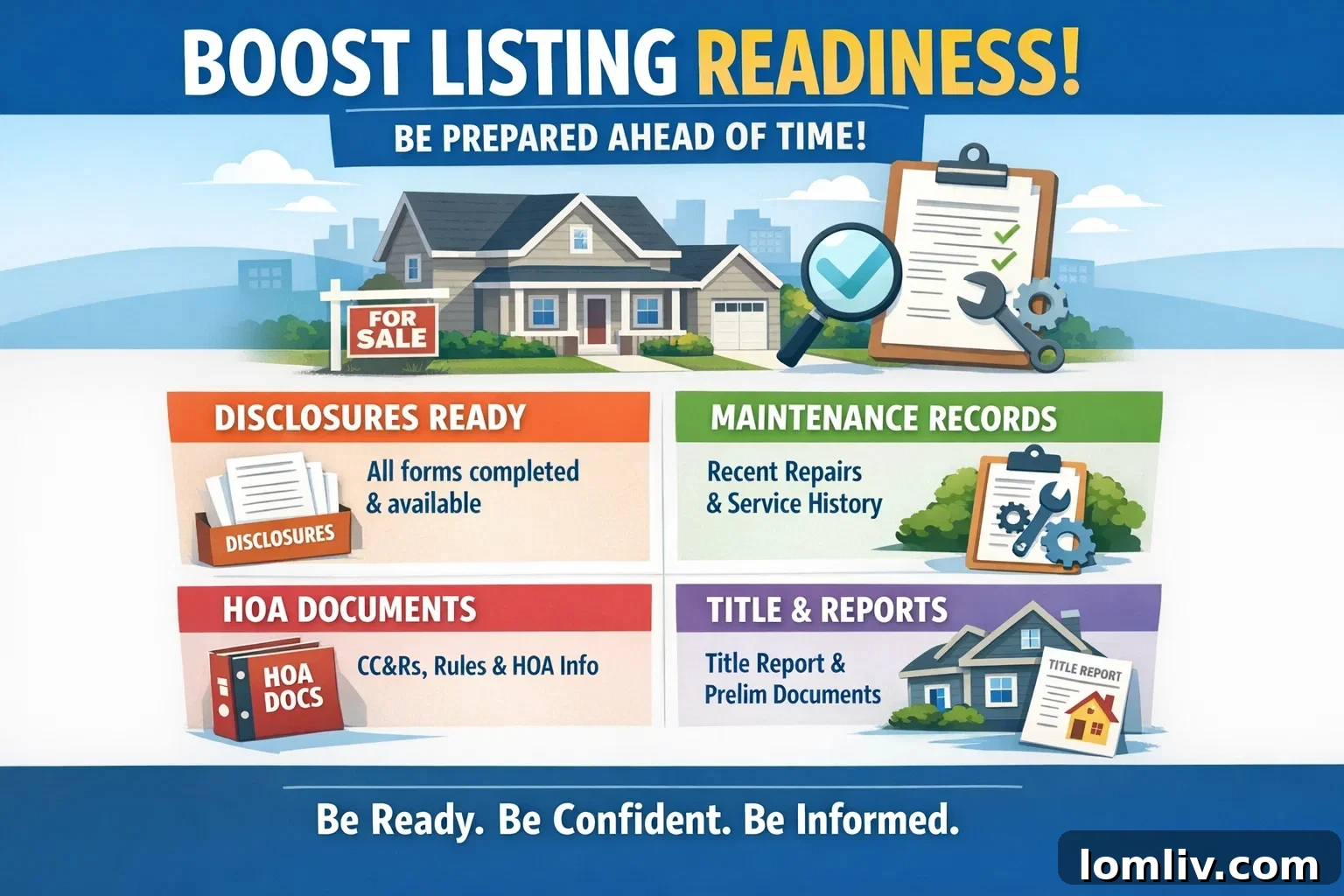
A smooth and swift closing in Arizona hinges significantly on the timely and accurate preparation of all necessary documentation. Arizona real estate transactions mandate specific disclosures, so it’s paramount to prepare your Seller Property Disclosure Statement (SPDS) completely, truthfully, and with meticulous attention to detail. This document informs buyers of any known material facts about the property.
Gathering comprehensive records for major home systems and repairs dramatically increases buyer confidence. This includes receipts and service histories for your HVAC system, any roof repairs or replacements, pool maintenance logs, and transferable warranties for appliances or new installations. Organized documentation demonstrates transparency and reduces buyer apprehension.
If your property is part of a homeowners’ association (HOA), review all HOA documents well in advance. Be prepared to provide prospective buyers with copies of the Covenants, Conditions, and Restrictions (CC&Rs), current fee schedules, meeting minutes, and community regulations early in the process. Delays in providing these can stall the sale, as buyers need time to review them thoroughly.
Initiate a preliminary title search promptly. This crucial step helps identify any liens, encumbrances, easements, or other issues that could cloud the title. Resolving these issues early on, before an offer is even accepted, can prevent significant closing delays and unexpected complications, ensuring a clean transfer of ownership.
Effective Marketing for Your Arizona Listing
In today’s digital age, professional photos are no longer optional—they are an absolute must. High-quality imagery is often the first interaction buyers have with your home online. Ensure you capture wide-angle interior shots with balanced lighting to showcase space and brightness. Include stunning exterior images taken during daylight hours, ideally at “golden hour,” to highlight your home’s curb appeal against Arizona’s natural beauty. Consider adding drone photography for unique perspectives or a 3D virtual tour for an immersive experience.
Listing your property on the local Multiple Listing Service (MLS) is fundamental for maximum exposure. The MLS not only makes your home visible to all local real estate agents but also syndicates your listing across numerous online real estate platforms like Zillow, Realtor.com, and Trulia. This online syndication expands your reach exponentially, connecting you with national buyers who may be relocating to Arizona and actively searching from out of state.
Craft compelling listing descriptions that highlight your home’s best features and unique selling points. Emphasize energy-efficient upgrades, such as new windows or solar panels, which are highly valued in Arizona. Also, draw attention to the property’s proximity to key employment hubs, highly-rated schools, popular shopping districts, and desirable lifestyle amenities. Buyers relocating from colder climates often prioritize easy access to outdoor recreation, golf courses, and dining options.
While online marketing is dominant, traditional yard signage remains a powerful tool for capturing neighborhood traffic and passive buyers. Ensure your “For Sale” sign is prominently placed, well-maintained, and complies with all local ordinances and HOA regulations. A clear, visible sign can generate interest from people who are already familiar with and enjoy your specific community.
Preparing for Inspections and Appraisals in Arizona
Even in Arizona’s competitive seller’s markets, most buyers will request a home inspection. This is a crucial phase where potential issues can arise and impact negotiations. To minimize surprises and accelerate the process, consider obtaining a pre-listing inspection. This allows you to identify and address any major concerns proactively, giving you more control over repairs and avoiding last-minute demands from buyers.
Address termite concerns proactively, as desert climates inherently increase the risk of pest exposure, particularly subterranean termites. Ensure your home has a current termite inspection report and, if necessary, professional treatment or prevention in place. Providing a clear termite warranty or treatment history can alleviate buyer worries and prevent delays.
Appraisals are another critical hurdle, heavily relying on recent comparable sales to determine your home’s fair market value. Maintaining realistic pricing, anchored by your CMA, is essential to prevent appraisal gaps—where the appraised value comes in lower than the agreed-upon sale price. An appraisal gap can lead to renegotiations or even the deal falling through if the buyer cannot cover the difference or secure additional financing.
Finally, be prepared for repair requests tied to lender requirements, especially if the buyer is using government-backed loans such as FHA or VA. These loans often have specific safety, health, and structural requirements that must be met for the loan to be approved. Understanding these potential requirements in advance can help you prepare for specific corrections that might be mandated, ensuring a smoother underwriting process.
The Bottom Line: Master Your Arizona Home Sale
Selling a home quickly and profitably in Arizona’s dynamic real estate market demands disciplined preparation, an informed strategy, and proactive execution. By meticulously leveraging market data to establish an accurate and attractive price, diligently tackling climate-specific maintenance unique to the desert, and strategically staging your home to appeal to the typical Arizona buyer, you can build undeniable buyer confidence and significantly accelerate your journey to the closing table.
Sellers who approach this process with a systematic mindset—from initial repairs and curb appeal enhancements to diligent paperwork and effective marketing—spend less time on the market. More importantly, they position themselves to walk away with more money in their pockets, having preserved their equity and maximized their investment. With efficient execution and a clear understanding of the local landscape, you can turn Arizona’s active and vibrant housing market into an outstanding opportunity for your real estate goals.