The Definitive Guide to Pipe Relining Lifespan: How Long Do Trenchless Repairs Last?
Dealing with persistent plumbing issues like stubbornly clogged drains, slow-draining sinks, or recurrent pipe leaks can be a homeowner’s worst nightmare. Traditional repair methods often involve extensive excavation, tearing up your yard, driveway, or even parts of your home’s foundation, leading to significant disruption and costly restoration. Fortunately, modern plumbing technology offers innovative alternatives, with pipe relining standing out as a leading trenchless solution. This advanced method promises to restore your piping system without the destructive digging, but a crucial question naturally arises for anyone considering this investment: how long does pipe relining truly last?
In this comprehensive guide, we’ll dive deep into the world of pipe relining, exploring its expected longevity, the key factors that influence its remarkable durability, and what you can do to maximize its lifespan. From the quality of the epoxy resin to the precision of the installation process, understanding these elements is vital for making an informed decision about your plumbing future. As experts like The Relining Company attest, pipe relining is designed to be a permanent, decades-long restoration. Let’s uncover the secrets behind the enduring performance of pipe relining.
Understanding Pipe Relining: A Trenchless Revolution for Modern Plumbing
Before we delve into its lifespan, it’s essential to understand what pipe relining entails and why it’s considered a revolutionary approach to pipe repair. Often referred to as Cured-In-Place Pipe (CIPP) lining, this cutting-edge trenchless technology involves creating a new, seamless pipe within an existing damaged one, without the need for extensive excavation.
The process typically begins with a thorough inspection of your pipes using a high-definition camera. This allows plumbers to pinpoint the exact location and nature of the damage, whether it’s cracks, holes, corrosion, or root intrusion. Following this crucial assessment, the pipes are meticulously cleaned to remove any obstructions, debris, scale, or intruding roots that could compromise the liner’s adherence or overall performance.
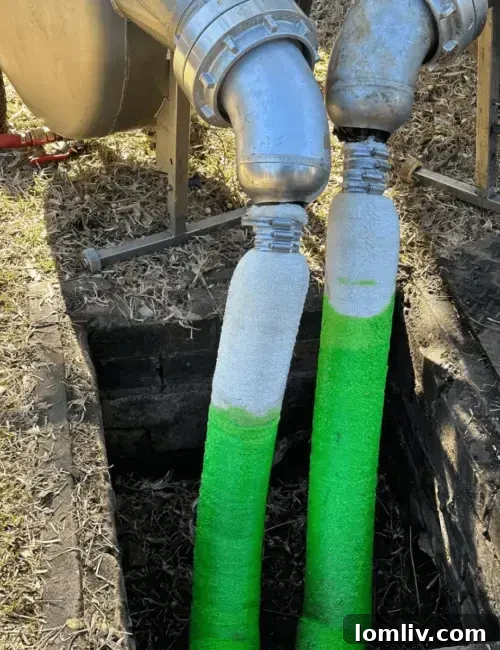
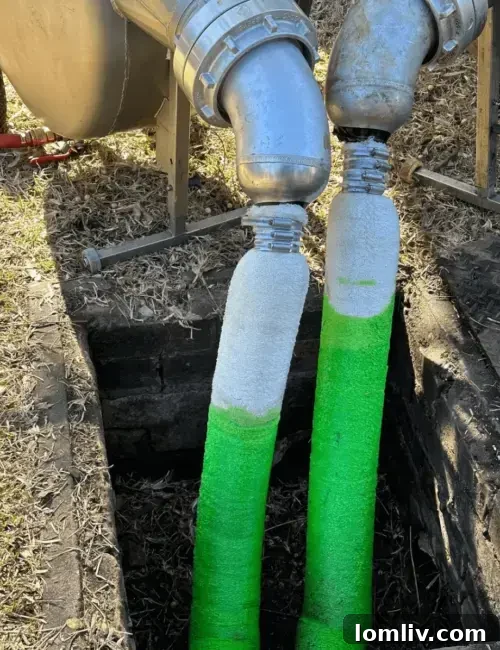
Once the pipe is adequately prepped, a flexible textile liner, specially impregnated with a durable epoxy resin, is carefully inserted into the existing pipe. This liner is then expanded or inverted using air or water pressure, pressing the epoxy firmly against the interior walls of the old pipe. As the epoxy cures – a chemical process often accelerated with heat, steam, or UV light – it hardens to form a robust, watertight, and seamless new pipe. This innovative method effectively repairs a wide range of pipe damages, restoring the pipe’s structural integrity, improving flow capacity, and preventing future issues, all while preserving your landscape and property from destructive digging.
The Expected Lifespan: Designed for Decades of Reliable Performance
One of the most compelling advantages of pipe relining is its exceptional durability and longevity. Unlike temporary fixes, high-quality pipe relining is engineered to provide a robust and long-lasting solution, frequently outperforming the original piping material. Reputable plumbing professionals and industry experts commonly state that a properly installed pipe relining can easily last for 50 years or even longer. This impressive lifespan positions relining as a truly permanent restoration, offering unparalleled peace of mind for homeowners and property managers for generations to come. In many cases, the cured epoxy liner is expected to last as long as, or even surpass, the lifespan of newly installed traditional pipes.
The seamless nature of the epoxy barrier is paramount to its enduring performance. It effectively eliminates the joints and weak points where leaks or root intrusions typically occur in traditional segmented pipes. Furthermore, the specialized epoxy material is inherently highly resistant to corrosion, abrasion, and chemical degradation—factors that commonly lead to the deterioration and failure of conventional metal or PVC pipes over time. This intrinsic resilience ensures that the relined pipe can effectively handle temperature fluctuations, minor ground shifts, and constant water flow without compromising its integrity or efficiency.
Key Factors Influencing Pipe Relining Longevity
While pipe relining is inherently designed for impressive durability, several critical factors play a significant role in determining its actual lifespan and long-term performance. Understanding these elements can help homeowners ensure they receive the highest quality and most enduring repair for their plumbing system.
1. Quality of Materials: The Foundational Strength of Your Repair
The type and quality of the epoxy resin used are absolutely paramount to the relining’s longevity and structural integrity. Not all epoxy resins are created equal. High-quality relining projects utilize premium, medical-grade, 100% solids epoxy resins that are specifically formulated for demanding plumbing applications. These superior resins offer exceptional strength, flexibility, chemical resistance, and powerful adhesion properties. Conversely, lower-grade or off-brand mixes, which may contain fillers or lower concentrations of active solids, can degrade faster, become brittle over time, or fail to bond properly with the host pipe, thereby significantly reducing the lifespan and effectiveness of the repair.
- Medical-Grade Epoxy: Engineered for maximum durability, providing unparalleled corrosion proofing, and robust resistance to various environmental and chemical stressors.
- 100% Solids Content: Guarantees maximum structural integrity, minimal shrinkage during the curing process, and a dense, impenetrable barrier.
- Broad Chemical Resistance: A high-quality liner will reliably resist common household chemicals, cleaning detergents, and even mild acids frequently found in wastewater, ensuring the liner remains intact and functional.
2. Thickness of the Liner: Enhancing Structural Robustness
The thickness of the cured epoxy liner directly impacts its structural strength, its ability to withstand external pressures, and its overall resistance to wear and tear. While typical thicknesses range from 3mm to 10mm, the optimal thickness will depend on various factors, including the diameter of the existing pipe, the material it’s made from, and the extent of its original damage. For severely compromised or older pipes, a thicker liner provides significantly enhanced structural support, essentially creating a stronger, standalone pipe within the old one. A properly specified and applied thickness ensures the relined pipe can reliably withstand ground movement, external loads (e.g., from above-ground traffic), and internal water pressure for many decades, often mirroring or exceeding the expected lifespan of a brand-new pipe.
3. Expertise and Precision of Installation: The Critical Human Element
Even with the most advanced materials, improper or rushed installation can severely compromise the relining’s effectiveness and drastically shorten its lifespan. The success of a pipe relining project heavily relies on the skill, experience, and meticulous precision of the technicians. Key aspects of a proper, professional installation include:
- Thorough Pipe Cleaning: The existing pipe must be absolutely free of debris, scale, rust, and roots for the epoxy resin to bond uniformly and permanently to the interior surface.
- Accurate Measurements and Liner Selection: Precise measurements ensure the liner fits perfectly within the host pipe, covering the entire damaged section and allowing for seamless transitions.
- Correct Epoxy Saturation: Even and complete impregnation of the liner with epoxy is crucial for uniform curing, consistent strength throughout the entire length, and optimal adhesion.
- Optimal Curing Conditions: Controlling temperature, pressure, and curing time precisely according to the manufacturer’s specifications is vital for the epoxy to harden into a strong, seamless, and durable barrier. Rushed, uncontrolled, or shoddy application can lead to uneven curing, weak spots, air bubbles, or delamination, significantly shortening the liner’s life and leading to premature failure.
- Post-Installation Inspection: A final, detailed camera inspection is essential to confirm the integrity, completeness, and successful application of the new liner, ensuring all specifications have been met.
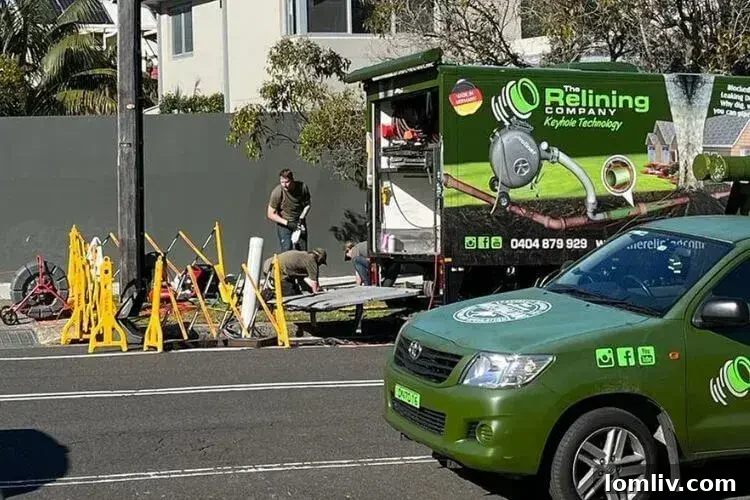
Working exclusively with certified, reputable, and highly experienced plumbing professionals who specialize in trenchless technology is non-negotiable for maximizing the longevity and effectiveness of your pipe relining investment.
4. Condition of the Existing Pipe Prior to Relining
While pipe relining is incredibly versatile, the initial structural condition of the host pipe does play a role in the overall success and longevity of the repair. Relining is most effective when the existing pipe is largely structurally sound but suffers from issues like cracks, leaks, corrosion, or minor breaks. If the pipe has completely collapsed, is severely misaligned (beyond a certain tolerance), or has large sections missing, relining might not be a sufficient solution, and partial or full pipe replacement could be necessary. A thorough pre-inspection, including video assessment, helps plumbing professionals determine the feasibility and optimal approach for relining.
5. Environmental and Usage Factors
Although epoxy liners are remarkably resilient, extreme environmental conditions could theoretically impact longevity over very long periods. However, the inherent flexibility of the cured epoxy makes it highly resistant to minor ground shifts, soil settlement, and extreme temperature variations. Unlike rigid pipes that can crack under stress, the liner adapts. For typical residential use, the relined pipes are designed to withstand a wide range of common household chemicals and waste streams. In industrial settings with highly corrosive discharge, specialized resins would be selected to ensure compatibility and maximum lifespan, though for standard residential plumbing, this is rarely a concern.
Maintenance and Care: Prolonging Your Pipe Relining Investment
Just like any other vital aspect of your home, even the most durable plumbing system benefits from proper care and maintenance. While pipe relining significantly reduces the need for frequent repairs and reactive interventions, adopting good habits can help ensure it reaches and even comfortably exceeds its impressive expected lifespan.
- Mindful Drain Usage: Always avoid flushing harsh chemicals, excessive amounts of grease, cooking oils, coffee grounds, and non-biodegradable items (like wet wipes or feminine hygiene products) down your drains. While the smooth epoxy surface resists buildup, these substances can still accumulate over time or introduce corrosive elements that might affect parts of your plumbing system beyond the relined section.
- Regular Hot Water Flushes: Periodically flushing your drains with very hot water (from your tap, not boiling) can help prevent the accumulation of minor debris, fats, and oils, helping to keep the pipes clean and clear.
- Non-Abrasive Drain Cleaners: If minor clogs do occur, opt for enzyme-based or environmentally friendly, non-abrasive drain cleaners. Always avoid harsh chemical drain openers, as they can be detrimental to your entire plumbing system, although high-quality epoxy liners are highly resistant to most common chemicals.
- Prevent Root Intrusion: While a properly installed relining creates a seamless, impenetrable barrier that tree roots cannot penetrate, it’s still prudent to manage aggressive tree roots near your main sewer lines. Consider professional root barriers or regular landscape maintenance to prevent roots from damaging other parts of your plumbing system or causing structural issues in the surrounding soil.
- Periodic Professional Inspections: Consider scheduling a professional plumbing camera inspection every 5-10 years. This allows experienced plumbers to visually monitor the condition of your relined pipes, identify any potential issues early, and ensure proactive maintenance rather than costly reactive repairs. This routine check-up offers an additional layer of assurance for your long-term investment.
Beyond Longevity: Additional Benefits of Pipe Relining
The remarkable lifespan of pipe relining is just one of its many compelling advantages. Homeowners and property managers often choose this advanced trenchless solution for a host of other compelling reasons that provide significant value:
- Superior Cost-Effectiveness Over Time: While the initial investment for relining can be significant, it often costs substantially less than a full pipe replacement, especially when considering the hidden and indirect costs of traditional trenching. These expenses include not only the labor for digging but also the costly restoration of damaged landscaping, driveways, patios, or even parts of your home’s foundation. The long-term savings in terms of reduced labor, materials, and property restoration make it an economically sound choice for many homeowners.
- Minimal Disruption and Mess: This is arguably the biggest immediate benefit. Trenchless technology means no unsightly trenches tearing up your yard, no ruined gardens, and no major construction zones disrupting your daily life or business operations. The repair process is typically completed much faster than traditional methods, with minimal impact on your property’s aesthetics and functionality.
- Improved Flow and Significantly Reduced Clogging: The new epoxy liner creates an exceptionally smooth, seamless interior surface within the existing pipe. This drastically reduces friction and turbulence, significantly improving water flow and efficiency. This smoother surface is far less prone to mineral buildup, grease accumulation, and future root intrusion, leading to dramatically fewer clogs and better overall drainage performance compared to older, rougher, or corroded pipes.
- Enhanced Corrosion and Abrasion Resistance: The epoxy barrier completely isolates the original pipe from the wastewater and external elements, effectively halting further corrosion and deterioration of the host pipe. Furthermore, the new liner itself is immune to rust, chemical attack, and abrasive wear, ensuring superior protection for decades.
- Environmental Friendliness: By avoiding extensive excavation, pipe relining significantly reduces soil disruption, minimizes the amount of waste sent to landfills (as old pipes are not removed), and lessens the carbon footprint associated with heavy machinery and transportation of materials.
- Stabilizes Aging Infrastructure: In older homes or commercial properties with aging, deteriorating pipe systems, relining can add crucial stability and strength. It effectively reinforces pipes that are still structurally viable but prone to leaks or cracks, giving them a new lease of life without the need for a costly and invasive full replacement of an entire system.
- Resists Future Damage Proactively: Once relined, the robust epoxy coating acts as a formidable protective shield, making your pipes highly resistant to common causes of future damage such as mineral deposits, aggressive root intrusion, corrosion from various elements, and stress from water pressure fluctuations. This inherent resilience significantly prolongs the repair’s effectiveness and proactively prevents recurring issues, saving you future headaches and expenses.
When Might Re-Lining Be Considered Again in the Distant Future?
While designed to last for many decades and often outlive the original structure of the home, no plumbing solution is truly “forever.” In the very long term, perhaps 50, 70, or even 100+ years down the road, the relined pipes may eventually show signs of wear, just like any other material. However, even if a second relining is needed in the distant future, it still avoids the much more expensive, destructive, and disruptive process of full pipe replacement. It restores full function for extended periods, making the initial investment a highly effective and long-lasting solution that provides exceptional value over its lifetime.
Conclusion: A Durable, Smart Investment for Your Plumbing Infrastructure
In summary, high-quality pipe relining stands as an exceptional long-term investment for your home’s or commercial property’s plumbing infrastructure. Designed to last for decades, often exceeding 50 years, it offers a remarkably durable, resilient, and highly effective solution to a wide range of common pipe problems. Its impressive longevity is directly tied to the superior quality of the epoxy materials used, the expert precision and experience of the installation team, and diligent, albeit minimal, ongoing maintenance practices.
By choosing pipe relining, you’re not just fixing a leak or clearing a clog; you’re essentially installing a new, corrosion-proof, and highly efficient pipe within your existing system, all without the mess, disruption, and significant costs associated with traditional excavation. It effectively stabilizes aging pipes, proactively resists future damage from roots and corrosion, significantly improves flow dynamics, and ultimately provides a substantial return on investment through its extended lifespan, dramatically reduced maintenance needs, and the invaluable preservation of your property’s aesthetics and structural integrity. For homeowners and businesses alike seeking a reliable, cost-effective, and minimally invasive solution to their plumbing challenges, pipe relining is undoubtedly a choice that offers unparalleled peace of mind and long-lasting performance.