Navigating Joint Homeownership: A Comprehensive Guide for Unmarried Couples
The journey of falling in love is often described as an exhilarating experience, one that uncorks the imagination and, perhaps, temporarily bottles common sense. For many couples, particularly in today’s dynamic real estate market, buying a house together is a significant milestone, often fueled by excitement and deep emotional connection. While the dream of creating a shared home is powerful, the practicalities of joint property ownership, especially for unmarried partners, demand careful consideration and proactive planning.
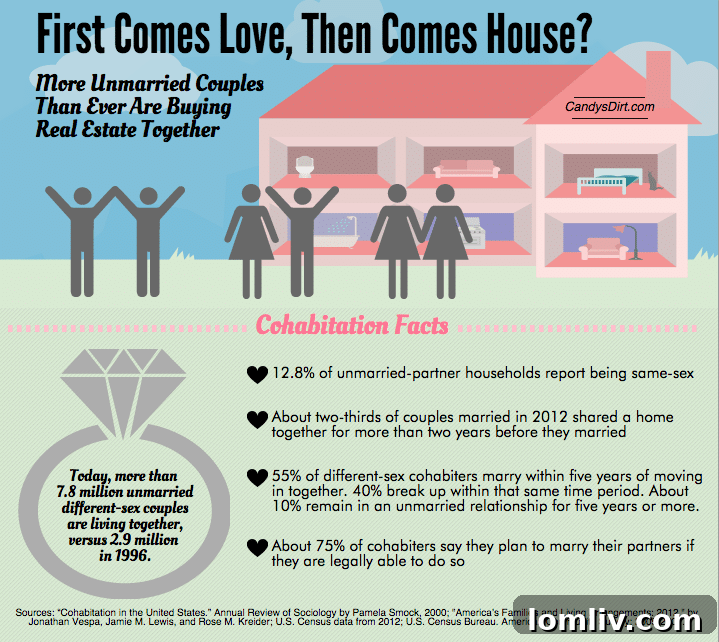
In Texas, community property laws provide married couples with clear guidelines, offering equal rights, responsibilities, and protections for their shared investments. However, the American demographic landscape is evolving rapidly. With over 12 million unmarried partners cohabiting across the U.S., and a growing percentage of these being same-sex couples who, in some states, still face limitations regarding marriage, the trend of unmarried couples purchasing homes together is undeniably on the rise. While this reflects societal changes and personal choices, it also introduces unique complexities that necessitate a distinct approach to property ownership.
For those who embark on this exciting journey without adequate preparation, the dream of buying a house together can inadvertently transform into a source of significant trouble. A failure to plan for the potential complexities, particularly the possibility of a relationship’s dissolution, can leave both parties vulnerable and their investments unprotected. This article delves into the critical considerations and essential strategies for unmarried couples buying a house, offering insights to safeguard their financial future and relationship.
The Underside of Unplanned Joint Ownership: The “Three Ds” of Real Estate
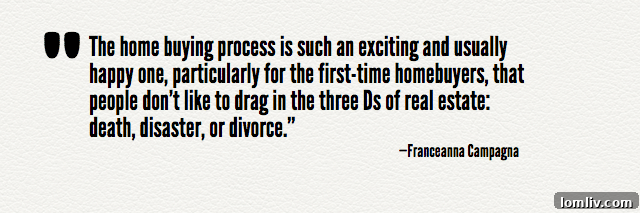
Dallas Realtor Franceanna Campagna, a seasoned professional with extensive experience assisting a diverse clientele, has observed firsthand the critical need for proactive planning among unmarried homebuyers. “The home buying process is such an exciting and usually happy one, particularly for first-time homebuyers, that people don’t like to drag in the three Ds of real estate: death, disaster, or divorce,” Campagna explains. This natural human inclination to avoid contemplating negative scenarios, while understandable, often leads to overlooking crucial legal and financial safeguards.
However, Campagna consistently advises her clients on the importance of comprehensive financial planning and estate planning. She emphasizes that these proactive measures are the most effective ways to protect individuals and their significant investments from the myriad of “future unknowns” that life inevitably presents. Her advice stems not only from professional experience but also from personal understanding. Campagna and her partner purchased a home together in East Plano approximately 18 months ago. Both women are duly listed on the property’s title and note, and, crucially, they implemented a strategy highly recommended by real estate attorneys: establishing robust estate planning documents. These documents meticulously outline their respective rights and responsibilities concerning the property and its associated mortgage in the event of any unforeseen circumstances, including the aforementioned “three Ds” of real estate.
Understanding the Legal Landscape: What Happens When Unmarried Couples Separate?
The statistics underscore the necessity of such foresight. Research published in the Annual Review of Sociology indicates that while 55 percent of different-sex cohabiting couples marry within five years of moving in together, a substantial 40 percent ultimately separate. This raises a pressing question: what becomes of the joint property and financial investments made by these 40 percent who decide to part ways? The situation is even more complex for same-sex couples in jurisdictions like Texas, where marriage equality may not grant the same protections or simplify property division processes as for married heterosexual couples.
Dallas family law and divorce attorney Lisa McKnight sheds light on the legal default for unmarried couples. “Basically, what the law says is that you are joint tenants,” McKnight clarifies. “If you buy something before you’re married, it’s like a partnership, and each partner has the unequivocal right to partition, which means to sell if they want to.” This concept of “joint tenancy” implies equal ownership, but it doesn’t automatically translate to a smooth or amicable separation process without a prior agreement.
The “Battle of the Receipts”: Reimbursement Disputes and Emotional Entanglements
A common scenario McKnight encounters involves a house financed under both partners’ names, where one individual wishes to retain the property after a breakup but cannot independently qualify to refinance the mortgage. In such cases, the other partner possesses the legal right to force a sale of the property. This often leads to contentious disputes, particularly concerning financial contributions made during the relationship. “There’s always a fight about reimbursements—one person inevitably says they’re owed more from the sale of the house because they paid more for this, that, or the other,” McKnight explains. “Everybody shows up with [their paperwork], and it’s kind of like a battle of the receipts.” These disputes can quickly escalate, turning a business transaction into an emotionally charged conflict.
The inherently emotional nature of a breakup significantly complicates this scenario. As McKnight aptly puts it, “There are people who can treat it like a business decision, but usually somebody’s heart is involved and it becomes more like a divorce.” When emotions, rather than logic, dictate decisions, individuals may seek what they perceive as their “pound of flesh,” driven by unresolved issues and hurt feelings. This entanglement of personal grievances with a significant financial transaction almost inevitably leads to problems, protracted negotiations, and potentially costly legal battles. If you find yourself in such a situation, it might be beneficial to seek professional advice. You can schedule a consultation with a family law expert to better understand your rights and responsibilities, ensuring a smoother resolution and protecting your interests.
The Proactive Solution: Crafting a Partnership Agreement (The “Real Estate Prenup”)
So, what is the most effective solution to preempt these potential conflicts? The answer lies in establishing a comprehensive partnership agreement, often colloquially referred to as a “real estate prenup.” This legally binding document serves as a roadmap, clearly defining how the property will be managed and, more importantly, how it will be handled in the event of a relationship’s end.
“Come up with a partnership agreement about the property that says how you’re going to deal with it [in the event of a breakup],” advises McKnight. Such an agreement should meticulously address a range of critical questions, leaving no room for ambiguity: “If we want to end the partnership, how does the sale of the house take place? What kind of things are we going to reimburse? How do we decide on a sales price?” Without a written agreement, a common challenge arises when one partner, still residing in the house, resists selling or agreeing to a fair market price, often resorting to passive-aggressive tactics. As McKnight vividly illustrates, “sometimes you have to get a stick of dynamite to get that person out,” highlighting the extreme difficulties that can arise.
Key Elements to Include in Your Partnership Agreement
A well-drafted partnership agreement for unmarried couples buying a house should be incredibly detailed, clarifying what constitutes reimbursable expenses and what does not. This level of clarity prevents disputes over past financial contributions, which often arise when relationships sour. For example, “Like say one person paid the utilities and the other person paid the mortgage—you want to get that clarified so the person paying the mortgage doesn’t look for reimbursement,” McKnight suggests. Without this specificity, when emotions run high, partners may create extensive lists of perceived debts, such as “I paid to put the new deck in and you owe me for that.”
Here are crucial aspects every unmarried cohabitation agreement for property ownership should cover:
- Ownership Shares: Clearly define each partner’s ownership percentage. Is it 50/50, or does it reflect differing down payment contributions or ongoing expenses?
- Financial Contributions: Detail who is responsible for mortgage payments, property taxes, insurance, utilities, maintenance, and home improvement costs.
- Buyout Clause: Establish a clear process and methodology for one partner to buy out the other’s share if they wish to keep the property. This should include valuation methods (e.g., agreed-upon appraisers, recent market analysis) and payment terms.
- Sale Procedures: Outline the steps for selling the property if both partners decide to part ways. This includes agreeing on a listing price, choosing a real estate agent, and splitting sale proceeds after outstanding debts.
- Dispute Resolution: Include provisions for mediation or arbitration to resolve disagreements before resorting to costly litigation.
- Death or Incapacity: Address what happens to the property if one partner passes away or becomes incapacitated, ensuring their wishes are respected and the other partner is protected. This is particularly crucial as joint tenancy without such an agreement could lead to unforeseen inheritance issues.
- Default Clause: What happens if one partner defaults on their financial obligations?
A partnership agreement also opens the door to more sophisticated ownership structures, such as forming a limited liability partnership (LLP) or a limited liability company (LLC) together before acquiring the property. However, as Campagna notes, this approach is less common among romantic couples. “I have helped lots of clients buy and sell homes over the last 11 years,” she says. “Investor clients are more likely to utilize a…LLC entity. From my experience, unmarried couples generally tend to purchase together without forming a partnership.” While LLPs and LLCs offer robust legal protections and clear operational frameworks, their complexity might deter couples simply seeking a home together, underscoring the vital role of a simpler, yet comprehensive, cohabitation agreement.
Essential Takeaways for Unmarried Homebuyers
The bottom line for any unmarried couple considering joint homeownership is remarkably clear and consistent across legal and real estate professionals: robust communication and clear, documented expectations are paramount. As Lisa McKnight succinctly states, “Get your understanding in writing—an oral agreement is not good enough for real property—agreements regarding real estate must be in writing.” This legal principle, known as the Statute of Frauds, mandates that all contracts pertaining to real estate must be in writing to be enforceable.
To summarize, here are the critical steps every unmarried couple should take before purchasing a home together:
- Communicate Openly and Honestly: Discuss all financial aspects, future aspirations, and potential challenges candidly before committing to such a significant investment.
- Plan for All Contingencies: Envision the “three Ds” – death, disaster, or dissolution of the relationship – and discuss how each scenario would be handled regarding the property.
- Draft a Comprehensive Partnership Agreement: Work with a qualified attorney to create a legally binding document that addresses all aspects of joint ownership, financial contributions, and exit strategies.
- Understand Property Titling: Know the implications of “joint tenancy with right of survivorship” versus “tenancy in common” and choose the option that best suits your intentions and legal needs.
- Seek Professional Legal Counsel: Do not rely on assumptions or verbal agreements. An attorney specializing in family law and real estate can provide invaluable guidance, tailored to your specific situation and state laws, ensuring your interests are protected.
Buying a home together as an unmarried couple can be a wonderfully rewarding experience, symbolizing a profound commitment and a shared future. However, by embracing foresight, transparency, and legal preparedness, you can transform a potentially risky venture into a secure and joyful foundation for your shared life, protecting both your investment and your relationship from unforeseen challenges.