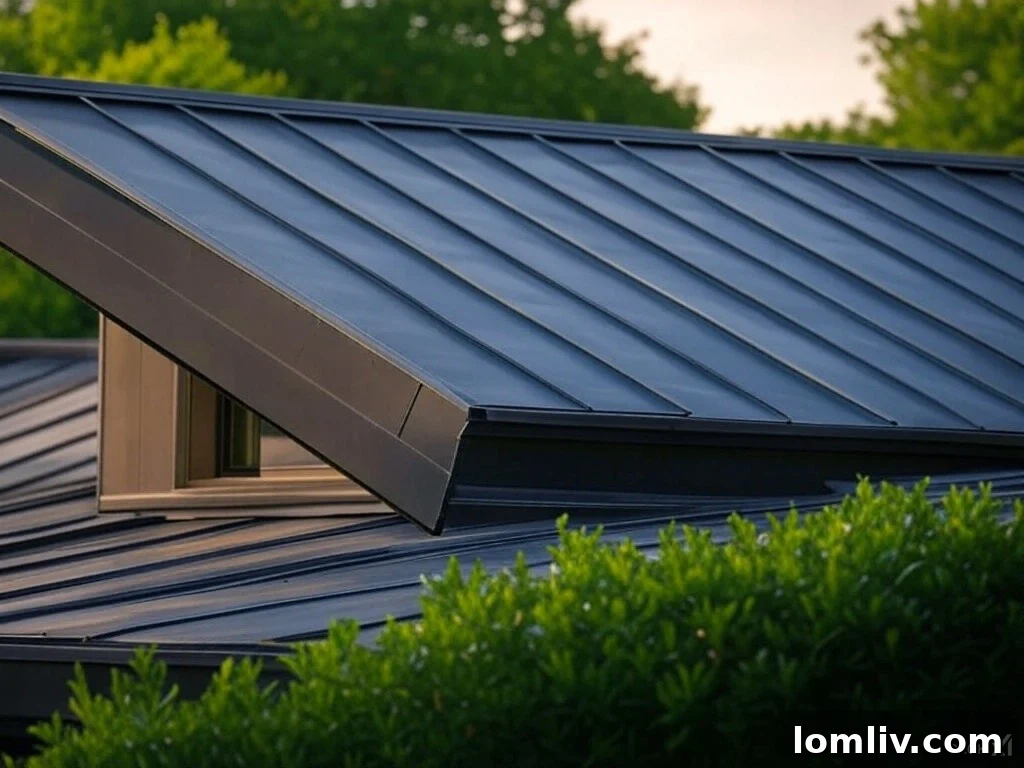

The intricate world of property roofing structures is remarkably diverse, extending far beyond mere aesthetics. Across continents, the array of roof designs is truly captivating, each meticulously engineered to serve specific functional purposes tailored to its environment. While some roofs may undoubtedly possess a more striking visual appeal than others, their fundamental design always prioritizes the unique demands of their intended location and climate.
For instance, regions characterized by heavy rainfall and significant snowfall often feature homes with steeply pitched roofs. This architectural choice is not arbitrary; it’s a deliberate design to facilitate the rapid shedding of water and prevent the dangerous accumulation of snow, safeguarding the structural integrity of the home. Conversely, in hot climate zones, you’ll frequently find roofs constructed with highly reflective materials. These “cool roofs” are designed to bounce sunlight away from the building, significantly reducing heat absorption and keeping interior spaces cooler naturally.
The roofing industry is a testament to this global importance. According to Fortune Business Insights, the global market value of roofing materials was an impressive $139.33 Billion in 2024. This robust market is projected to continue its growth trajectory, expanding at a rate of 3.6% to reach an estimated $85.92 billion by 2032. Such figures underscore the vital role roofing plays in construction and home maintenance worldwide. Furthermore, recent data from Instant Roofer indicates a steady increase in roofing prices in Texas over recent years, reflecting rising demand and material costs.
To truly grasp its significance, consider this perspective: while a door primarily safeguards a home’s interior from unwanted intrusions and criminal activity, the roof provides comprehensive protection from virtually all other external elements. It is the home’s ultimate shield against weather, temperature extremes, and environmental wear and tear.
This comprehensive article will delve into the multifaceted ways a roof’s design significantly enhances overall home comfort, a concept that inherently includes its safety and structural resilience. We will also explore several popular and effective roof designs, offering insights to help you make an informed choice for your property.
The Crucial Role of Proper Ventilation
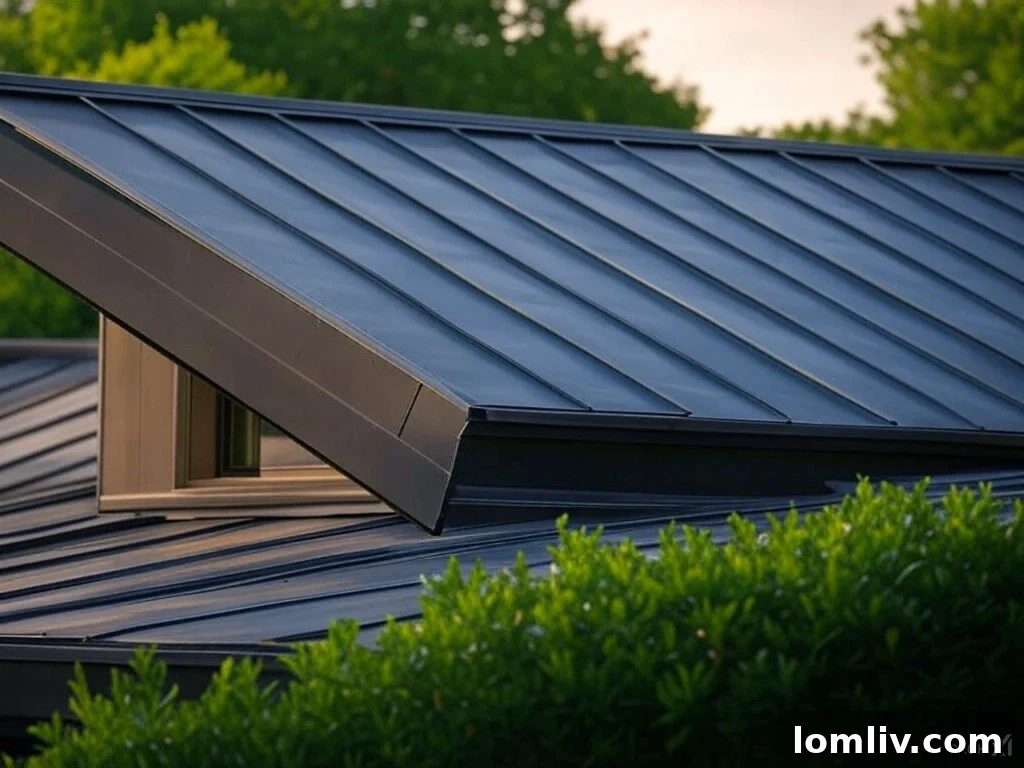
Every healthy home necessitates an adequate and continuous connection with the outdoors to prevent issues related to indoor air quality. TheEnvironmental Protection Agency (EPA)offers critical insights into the paramount value of maintaining good indoor air quality. A concerning statistic reveals that Americans typically spend approximately 90% of their time indoors, a figure that is even higher for those working remotely from their personal residences. Over the past few decades, the concentration of various indoor air pollutants has alarmingly increased, disproportionately affecting individuals who are most susceptible to their negative health effects and spend extended periods inside.
These pervasive indoor pollutants can include a range of harmful substances such as particulate matter, lingering pesticides, asbestos fibers, volatile organic compounds (VOCs) emitted from common household products, and pet dander. TheAmerican Lung Associationemphatically highlights proper ventilation as a cornerstone strategy for significantly improving indoor air quality. While windows and doors are often the first elements that come to mind when considering home ventilation, the roof plays an equally decisive and often underestimated role.
Consider the classic gable roof, frequently equipped with ridge vents along its peak. This design ingeniously harnesses natural airflow, allowing hot, stagnant air trapped in the attic to rise and escape efficiently, while cooler, fresh air is drawn in through soffit vents located under the eaves. The net result is a natural, passive cooling effect that is particularly beneficial during sweltering summer months, simultaneously reducing the burden on air conditioning systems and lowering energy costs.
Another excellent example is the hip roof design, which typically incorporates soffit vents along all four sides. This configuration ensures consistent and efficient airflow throughout the entire attic area, preventing heat and moisture buildup. Proper attic ventilation, facilitated by thoughtful roof design, is crucial not only for overall interior comfort but also for extending the lifespan of the roofing materials and preventing issues like mold growth and wood rot caused by excessive humidity.
A Shield Against Temperature Fluctuations and for Energy Efficiency
The art of home design, while seemingly complex, becomes clear once you understand the foundational principles at play. While proper ventilation is indispensable, the importance of robust insulation cannot be overstated. These two elements work in tandem, directly impacting a home’s protection against extreme temperature fluctuations and its overall energy efficiency.
To illustrate this point more vividly, let’s consider San Diego, California, a U.S. city that experiences significant temperature variations throughout the year. The city’s official website projects that its already hot days are expected to become even more intense in the coming decades. This forecast underscores the urgent need for residents to prepare, and a substantial part of that preparation involves ensuring the home is adequately insulated, with particular attention to the roof.
As the topmost structure of any property, the roof bears the brunt of direct sun exposure and heat transfer. Therefore, it must be constructed or retrofitted with high-quality insulating materials to create a formidable barrier against external temperatures. TheDepartment of Energyprovides comprehensive information on different types of insulation, elaborating on how each offers resistance against heat flow, leading to cooler interiors in summer and warmer interiors in winter. Proper insulation acts as a thermal buffer, stabilizing indoor temperatures.
Selecting and installing the right insulation can be a nuanced process, which is why professional expertise is often required, especially for homeowners undertaking a roof replacement or a major structural overhaul. Builders in regions like San Diego meticulously consider multiple factors, including the thermal properties of various materials, the specific local climate, the roof’s design features, and the long-term functional requirements of the chosen materials. If you’re interested in learning more about professional roof installation services and considerations, you can find further information here.
Whether it’s the inherent thermal properties of the roofing material itself or the strategic design principles applied, the overarching goal remains consistent: to either retain heat during colder periods or minimize heat gain during hotter seasons, depending on the geographical location. This intelligent thermal management directly translates into tangible savings on heating and cooling costs, making a well-insulated roof a critical component of any energy-efficient home.
Optimizing Natural Lighting and Interior Ambiance
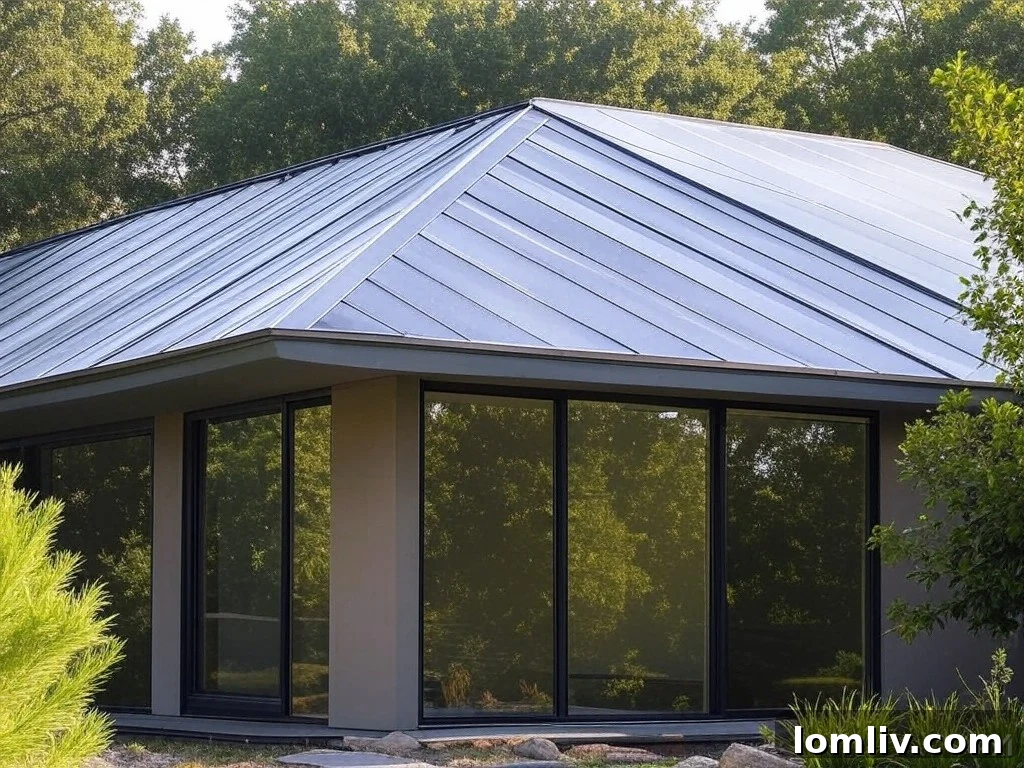
Both the human body and a home’s interior environment thrive on consistent exposure to natural light. When either is deprived of this essential element, the consequences can range from lethargy and diminished well-being for individuals to the proliferation of mold and mildew within living spaces. Therefore, it is imperative for home builders and designers to integrate ample provisions for natural light throughout a property.
While numerous strategies exist to maximize natural light – such as strategic window placements, glass doors, light-colored ceilings, and reflective surfaces or mirrors – the roof, as a fundamental component of a home’s structure, should never be overlooked. It offers unique and effective avenues for introducing daylight into interior spaces.
For instance, features like skylights can be artfully installed onto the sloped areas of a roof. When strategically positioned, these overhead windows can flood specific rooms, particularly those in the center of a home or on upper floors, with abundant natural light, transforming dimly lit areas into bright, inviting spaces. Modern skylights often come with features like UV protection, self-cleaning glass, and integrated blinds, making them a practical and aesthetically pleasing addition.
Similarly, purpose-built windows known as dormers can be integrated into rooflines. These structures project vertically from the main roof, creating additional headroom and allowing for the installation of vertical windows that significantly enhance both natural lighting and ventilation within attic spaces or upper stories. Beyond their primary function, dormers also add architectural interest and character to a home’s exterior.
An additional and highly significant benefit of optimizing natural lighting through roof features is the substantial reduction in the reliance on artificial lighting during daylight hours. This directly translates into greater energy efficiency and lower electricity bills. When natural light generously illuminates a home’s interiors, it profoundly improves the mood and energy levels of its occupants. This can lead to increased productivity, reduced eye strain, improved sleep patterns, healthier indoor plants, and a noticeable decrease in stress and anxiety levels, contributing to a more comfortable and health-conscious living environment.
Achieving Architectural Harmony and Enhancing Curb Appeal
It is a fundamental principle in design that functionality, when seamlessly complemented by aesthetics, achieves a state of true completeness. In both interior and exterior home design, striking the optimal balance between practical utility and visual appeal is absolutely crucial for creating architectural harmony. The roof, being a dominant feature of a home’s exterior, plays a pivotal role in this balance.
An ill-conceived or visually jarring roof can detract significantly from a property’s overall presentation. If a home sports a misshapen, incongruous, or visually unsettling roof, it can evoke unpleasant reactions from observers and considerably diminish the property’s curb appeal. This, in turn, can have a tangible negative impact on the home’s resale value, as potential buyers are often swayed by first impressions.
Even for those residing within the home, a visually discordant roof can be a source of constant low-level dissatisfaction. Beyond the objective principles of balance and symmetry, personal taste and cultural familiarity also play a significant role. For instance, steeply sloped roofs are deeply ingrained in traditional architectural styles and resonate strongly with individuals who prefer classic aesthetics. They often evoke a sense of heritage and permanence.
Conversely, the clean lines and minimalist profiles of modern flat roofs are highly sought after by those gravitating towards contemporary and minimalist design sensibilities. These roofs offer a sleek, unobtrusive look that aligns with modern architectural trends. When such personal preferences for style align harmoniously with practical considerations like the local climate, the home’s overall architectural style, and the homeowner’s budget, the outcome is a truly unified and aesthetically pleasing structure. A well-chosen roof not only protects but also profoundly contributes to the home’s character, blending seamlessly with its surroundings and reflecting the homeowner’s taste, thereby achieving genuine architectural harmony.
Clear Signs Your Home’s Roof Needs Replacement
We fully appreciate that the decision to replace or significantly alter a home’s roof is not one that homeowners make lightly. It involves considerable financial investment and planning. There are numerous critical considerations that factor into such an important decision, with the primary catalyst often being visible signs of wear, damage, or degradation.
One of the most compelling reasons for homeowners to undertake a roof replacement is when the existing roofing structure unequivocally displays signs of needing repair or total replacement. A roofing structure can suffer damage in countless ways, with adverse weather elements being among the most common culprits. The continuous exposure to harsh environmental conditions gradually takes its toll.
Revisiting our earlier example, the extreme and prolonged heat prevalent in areas like San Diego can severely impact asphalt shingles. This intense thermal exposure can cause shingles to blister, dry out, become brittle, crack, or even break apart. Over time, relentless sun exposure can significantly diminish the effectiveness and protective capabilities of the shingles. In some instances, minor issues such as a few damaged shingles can be successfully repaired. However, in cases of widespread damage, extensive deterioration, or structural compromise, a complete roof replacement becomes the only viable and responsible course of action.
According to Peak Builders & Roofers of San Diego, a thorough and professional roof inspection is indispensable for accurately assessing the extent of damage and determining whether repair or replacement is the appropriate solution. Beyond heat, other severe weather events like excessive rain, hailstorms, and heavy snowfall can also inflict significant damage. This can manifest as water leakage into the attic or interior, compromised sealing points, and clogged or damaged gutters which exacerbate water-related issues. If you observe any suspicious signs of damage, such as missing or curling shingles, granules accumulating in gutters, a sagging roofline, water stains on ceilings, or excessive moss/algae growth, it is imperative to contact qualified roofing professionals at the earliest opportunity. Timely intervention can prevent more extensive and costly damage down the line.
Explore Top Roof Designs to Choose From
Navigating the array of roof designs can be overwhelming, but understanding the characteristics of each will empower you to make an informed decision for your home. In this section, we will explore some of the most popular and functional roof designs, helping you identify one that perfectly aligns with your aesthetic preferences, climate considerations, and practical needs.
- Gable Roofs: Characterized by two sloping sides that meet at a central ridge, forming a distinctive triangular shape. Often referred to as “A-frame” roofs, they are renowned for their excellent natural ventilation, efficient water and snow drainage, and the generous attic space they provide. Gable roofs are relatively straightforward and economical to construct, making them a popular choice for many residential styles, from traditional to modern farmhouse.
- Cross Gable Roofs: These are more architecturally intricate variations, involving two or three gable roof sections that intersect at right angles. This design creates a more complex and visually engaging roofline, primarily chosen to add significant visual character, architectural interest, and sometimes extra interior volume to a home’s exterior and upper levels. They are excellent for breaking up large, monotonous roof expanses.
- Hip Roofs: Featuring slopes on all four sides, each converging upwards to meet at a central ridge. This design is inherently aerodynamic, offering superior durability and resistance against strong winds and severe storms, making them ideal for hurricane-prone regions. While highly robust, hip roofs are generally more complex and therefore more expensive to construct compared to simple gable roofs. They often create less usable attic space.
- Mansard Roofs: Often associated with classic French architecture and historical buildings, Mansard roofs also present four sides, but each side is double-sloped. The lower slope is considerably steeper than the upper one, sometimes almost vertical, and often features dormer windows. Beyond their elegant and sophisticated appearance, Mansard roofs are excellent for maximizing attic space, often allowing for the creation of additional habitable rooms or living areas on the top floor.
- Jerkinhead Roofs (or Clipped Gable Roofs): These roofs represent a clever hybrid, combining the structural integrity of hip roofs with the classic appeal of traditional gable roofs. They feature the characteristic gable ends, but the peak of each gable is “clipped” or sloped inwards, similar to a small hip section. This modification significantly enhances their durability and resistance against wind damage compared to a standard gable, while still providing some attic space.
- Bonnet Roofs (or Kicked-Eaves Roofs): Generally featuring a double slope on all sides, much like a Mansard, but with a crucial difference: the lower slope is much gentler, flaring outwards. This distinctive gentle “kick” at the eaves is specifically designed to provide extended shade and superior sun protection to outdoor spaces such as porches, verandas, or surrounding walls. It is an ideal design choice for homes in areas with hot climates, effectively reducing solar gain and enhancing outdoor living comfort.
- Flat Roofs: Despite their name, flat roofs are not entirely horizontal; they possess a very slight pitch or incline, typically between 1/4 inch to 1/2 inch per foot, specifically engineered to ensure efficient water drainage. They are the simplest and often most inexpensive roof design to build, known for their modern, minimalist aesthetic. A significant advantage is the added usable space on top, which can be creatively repurposed for rooftop gardens, solar panel installations, outdoor living areas, or simply air-drying clothes. Careful waterproofing and maintenance are key for longevity.
- Dormer Roofs: It’s important to note that dormers are not a standalone roof style but rather an architectural addition or feature integrated into an existing roof structure. A dormer creates a windowed area that projects vertically from the main roofing structure, offering both aesthetic enhancement and practical benefits. Dormers are a highly suitable choice for improving ventilation, introducing natural lighting into attic spaces or upper rooms, and increasing usable head height, thereby transforming previously confined areas into more comfortable and functional living spaces.
As we conclude this exploration, we hope you now perceive your home’s roof as a vital element that expertly merges both aesthetic appeal and indispensable functionality. By adopting this comprehensive perspective, you can confidently stay abreast of the latest home design trends without ever compromising on the fundamental aspects of comfort, safety, and energy efficiency.
Whether you are embarking on the construction of a brand-new home or diligently planning an extensive renovation of your existing property, remember to approach your project from the top down. In other words, never underestimate or overlook the profound importance of the roof. The thoughtful decisions you make in this single, critical area possess the remarkable power to not only elevate your home’s visual stunningness but also to cultivate an interior atmosphere that is exceptionally comfortable, inviting, and truly harmonious for years to come.