
Imagine your deck as the heart of your outdoor living space – a place for barbecues, quiet morning coffees, and starlit gatherings. To ensure this essential area remains beautiful, safe, and ready for every moment, year-round maintenance is paramount. From the searing heat of summer to the icy grip of winter, your deck faces constant challenges from the elements. A well-cared-for deck not only enhances your home’s curb appeal but also significantly extends its lifespan, protecting your investment for years to come. This comprehensive guide will walk you through a simple yet effective seasonal maintenance plan, ensuring your deck remains a durable and inviting extension of your home, no matter the weather.

From the first signs of spring to the final chill of winter, each season brings its unique demands on your deck. Understanding and addressing these needs proactively can prevent minor issues from escalating into major, costly repairs. Follow our expert advice to keep your deck in pristine condition, ready to create lasting memories with family and friends throughout the year.
The Indispensable Value of Seasonal Deck Maintenance
Regular maintenance is not just about keeping your deck looking good; it’s an intelligent investment in its structural integrity and longevity. Neglecting your deck, even for a single season, can lead to a cascade of problems. Exposure to harsh UV rays, torrential rains, freezing temperatures, and heavy snow can quickly cause significant damage. You might notice issues like unsightly cracked boards, dangerously loose fasteners, splintering surfaces, and faded finishes that not only detract from your deck’s aesthetic appeal but also compromise its safety. These seemingly minor flaws, if left unaddressed, can rapidly evolve into extensive structural damage requiring expensive professional repairs or even premature deck replacement.
By dedicating a small amount of time to seasonal tasks, you actively safeguard your deck against these environmental aggressors. Protecting the surface from summer UV radiation, preventing moisture penetration from fall rains, and mitigating the damaging effects of winter snow and ice ensures a safer, more stable surface underfoot. The specific maintenance routine largely depends on your deck’s material. Natural wood decks typically demand periodic cleaning, along with the application of a fresh coat of penetrating stain or a high-quality water repellent to protect against moisture and UV damage. In contrast, most capped composite and PVC decks are designed for low maintenance, often requiring nothing more than an occasional wash with mild soap and water.
Beyond material-specific care, a quick seasonal inspection is crucial. Dedicate a few minutes to meticulously check for any loose hardware, signs of soft or rotting spots, and wobbly rails or posts. Identifying and rectifying these issues promptly, such as tightening a loose screw or addressing a small area of rot, can significantly extend your deck’s life by several years and save you a substantial amount of money in potential future repairs. This proactive approach ensures both the beauty and safety of your outdoor sanctuary.
Preparing Your Deck for the Warmth of Summer
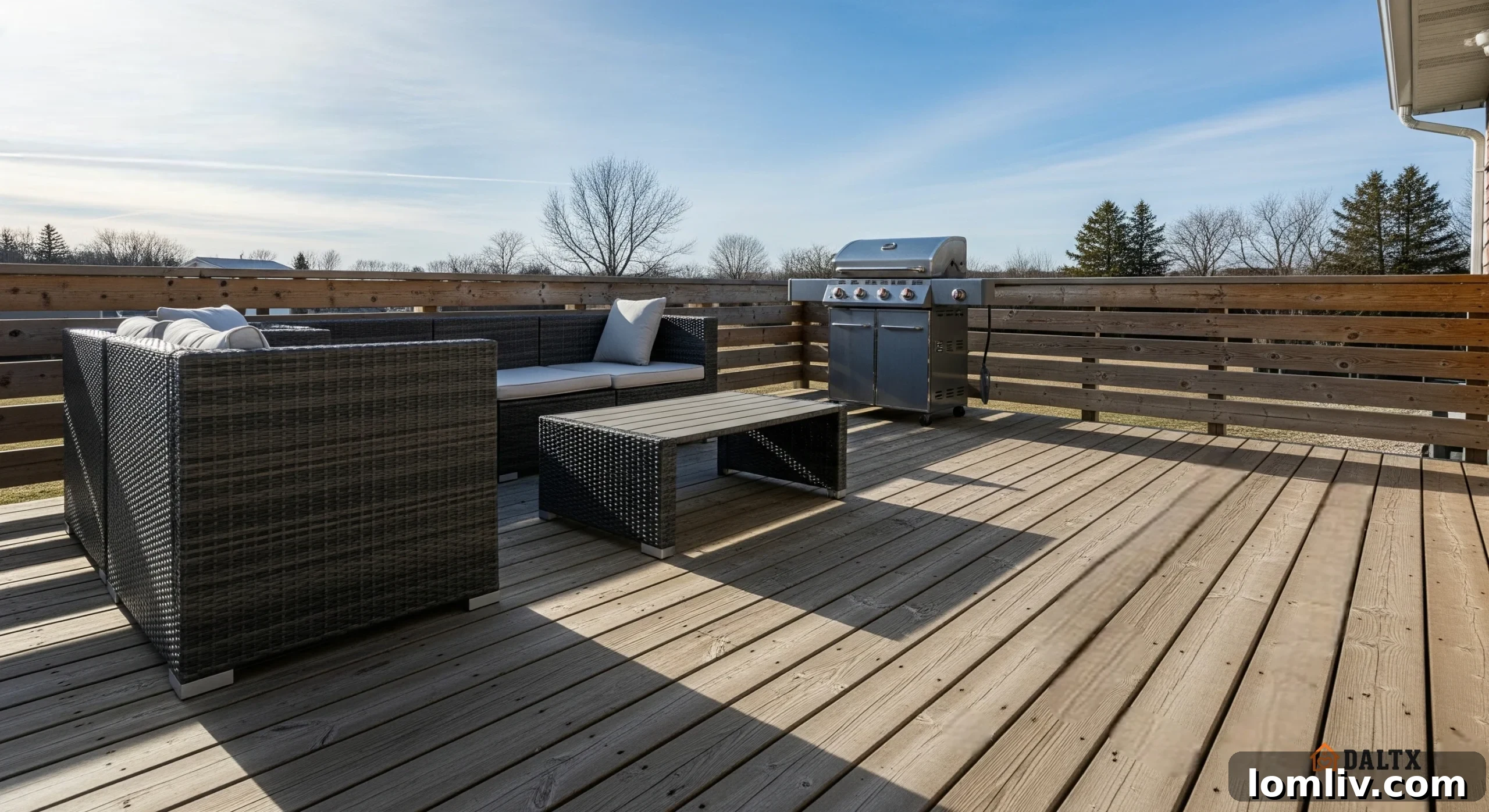
Summer is undeniably peak deck season, a time for outdoor entertaining and relaxation. However, the intense sun and high temperatures can be incredibly harsh on unprotected wood and worn finishes. Before the summer fun begins, it’s essential to provide your deck with the protection it needs. For wood decks, choose a high-quality UV-blocking stain or a clear water repellent. The timing of application is crucial: ensure the boards are thoroughly dry, and the ambient temperature is consistently between 50°F and 90°F. This allows the finish to cure evenly and effectively, providing maximum protection against sun damage and moisture. For composite or PVC decks, always consult the manufacturer’s specific guidelines; most capped boards do not require sealing and typically only need a good, thorough cleaning to maintain their appearance and integrity.
A deep clean is the foundation of summer readiness. Begin by clearing all furniture and potted plants from the deck surface. Then, sweep away any loose debris, dirt, and leaves. For a truly deep clean, scrub the deck with a specialized deck cleaner designed for your material type, following the product instructions carefully. Alternatively, you can use a pressure washer set to a low-pressure setting, typically between 500 to 1,200 PSI, equipped with a 40-degree fan tip. Always keep the wand moving along the grain of the wood or composite to prevent scarring or streaking the surface. After cleaning, allow the deck to dry completely, which may take up to 48 hours depending on humidity and temperature. Once dry, perform a meticulous inspection: check for any popped screws, lifted boards, or wobbly posts. Tighten or replace any loose or damaged hardware as needed, ensuring all structural components are secure.
Beyond the deck itself, consider your outdoor furniture. Select pieces made from materials that can withstand summer heat, sudden downpours, and general wear and tear, such as weather-resistant wicker, aluminum, or treated wood. Always place protective pads or glides under furniture legs to prevent scratches, dents, or rust stains on your deck surface. For cushions and other fabrics, opt for breathable, quick-drying covers, and store them in a dry, airtight bin when not in use to prevent mildew growth and extend their lifespan. If you have a grill, position a fire-resistant mat underneath it to catch grease drips and embers, and always maintain a safe distance from railings, siding, and any flammable materials. Familiarize yourself with and adhere to all local fire regulations and safety guidelines to ensure a safe grilling experience throughout the season.
Autumn Preparation: Safeguarding Your Deck from the Approaching Chill
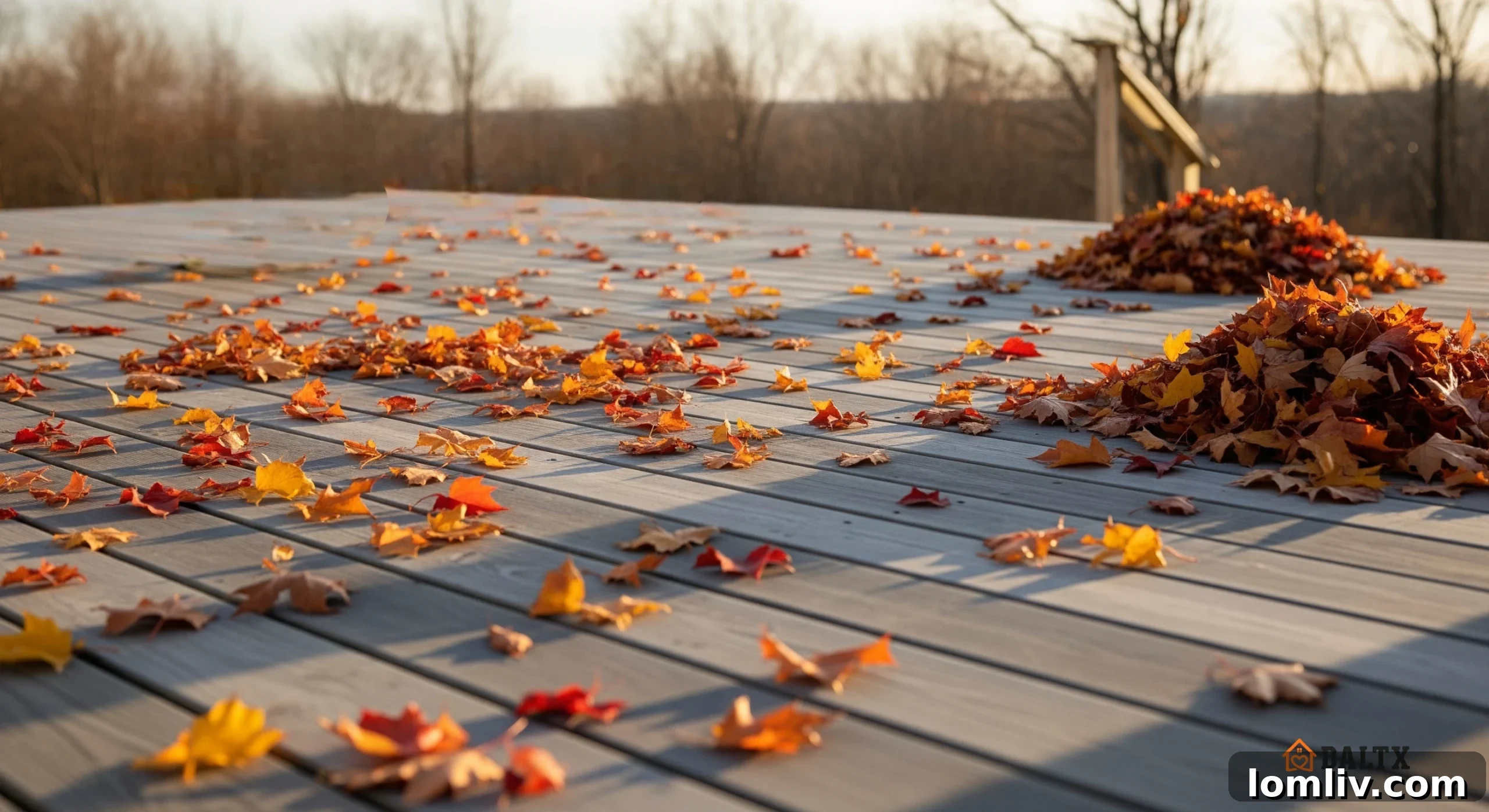
As the vibrant colors of autumn emerge and leaves begin to fall, your deck requires specific attention to prepare it for the colder months ahead. The accumulation of wet leaves and debris poses a significant threat to your deck’s surface. Not only can prolonged contact with damp organic matter lead to unsightly stains on both wood and composite materials, but it also creates a dangerously slippery surface, increasing the risk of slips and falls. Regularly sweep your deck or use a leaf blower to keep it clear. Pay particular attention to the gaps between deck boards; ensure these are free of debris to allow for proper water drainage. Clogged gaps can trap moisture, leading to rot in wood or fostering mold and mildew growth on any deck material.
Fall is an opportune time to apply a protective finish to bare wood decks before the arrival of winter’s harsh conditions. A fresh coat of penetrating stain or a clear water repellent is your deck’s best defense against moisture. This barrier is crucial for preventing the damaging freeze-thaw cycles that characterize winter. When water seeps into the wood and then freezes, it expands, causing stress that can lead to checks, splits, and cracks over time. A good sealant prevents this water penetration, preserving the wood’s integrity. For capped composite and PVC decks, sealing is typically unnecessary. A gentle wash with a mild detergent and a soft brush is usually all it takes to remove any accumulated dirt or grime and keep them looking new and fresh.
Beyond the deck surface, take a moment to inspect surrounding trees. Trim any branches that overhang your deck, especially those that appear weak or dead. These can pose a hazard during winter storms, potentially falling onto your deck and causing severe damage. Also, ensure your gutters are clean and functioning correctly. Clogged gutters can overflow, directing water directly onto your deck and exacerbating moisture-related issues. By taking these proactive steps in the fall, you create a robust shield for your deck, preparing it to endure the winter months with minimal damage and ready for a quicker recovery in spring.
Winterizing Your Deck for Optimal Cold Weather Protection
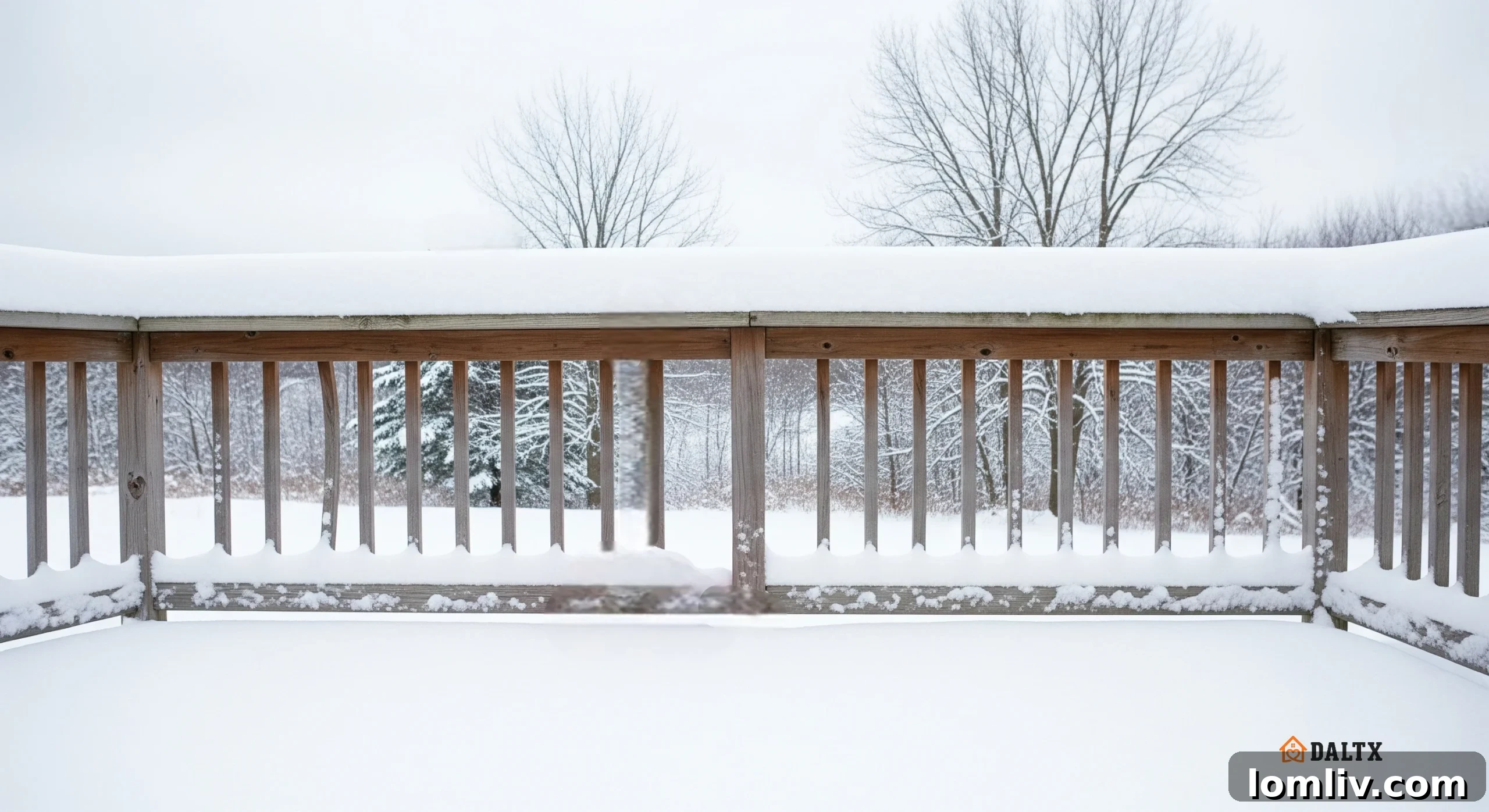
Winter brings some of the most challenging conditions for your deck, with snow and ice posing significant threats, especially when moisture is allowed to sit for extended periods without drying. Prompt snow removal is essential to prevent ice buildup and reduce the load on your deck’s structure. When shoveling snow, always use a plastic shovel to avoid scratching or gouging the deck surface. Push the snow along the direction of the deck boards rather than against them; this technique prevents the shovel from catching on board edges and causing damage. For natural wood decks, it is crucial to avoid using rock salt (sodium chloride) for ice melt, as it is highly corrosive and can severely damage wood, leaving unsightly stains and accelerating deterioration. Before applying any ice melt product to a composite or PVC deck, always check your manufacturer’s recommendations, as certain chemicals can harm these materials as well.
If traction is needed on icy surfaces, fine sand or kitty litter can provide temporary grip without damaging most deck materials. For ice melt, opt for products specifically labeled as safe for your deck material. Calcium chloride, for instance, is often recommended as a safer alternative for most capped composites and some treated wood decks, as it is less corrosive than rock salt. However, always test a small, inconspicuous area first and rinse thoroughly after use to prevent residue buildup.
For an added layer of protection against the elements, consider using a breathable, fitted winter cover. While it might seem counterintuitive to cover your deck, the key is breathability. Trapped moisture is the real enemy during winter, leading to rot, mildew, and warping. A breathable cover allows air circulation, preventing moisture accumulation while shielding the deck from direct snow, ice, and harsh winds. Before the deep freeze sets in, ensure any exposed wood surfaces have been treated with a high-quality water-repellent finish or stain to create an impermeable barrier against moisture. Additionally, inspect the house flashing where your deck attaches to your home. Make sure it is secure and intact, preventing meltwater from sneaking behind the ledger board and causing hidden rot or structural damage to your house and deck.
Spring Deck Revitalization: Bringing Your Deck Back to Life

As temperatures rise and the signs of spring emerge, it’s time to assess and rejuvenate your deck after its winter slumber. The first step in bringing your deck back to life is a thorough cleaning to wash away the accumulated grime, pollen, and any remnants of winter. Begin by removing all furniture, planters, and other items from the deck surface. Sweep away loose debris, leaves, and dirt. Then, apply a cleaner specifically formulated for your deck material – whether it’s wood, composite, or PVC. Follow the product’s instructions carefully, allowing it to penetrate and loosen stubborn dirt, mold, and mildew. Rinse the deck thoroughly with a garden hose or a pressure washer set to a very low pressure, ensuring all cleaning solution and loosened debris are completely removed. It is crucial to allow the boards to dry fully before proceeding with any further treatments, which may take several days depending on weather conditions.
Spring is the ideal time to re-stain or re-seal a wood deck if water no longer beads on the surface, indicating that the previous finish has worn away. Choose a dry, mild stretch of weather, ideally with consistent temperatures and no rain in the forecast for at least 24-48 hours after application. Apply thin, even coats of stain or sealant, working with the wood grain, to ensure a smooth, durable finish that cures properly and lasts longer. Avoid over-application, as this can lead to sticky surfaces or uneven drying. For composite and PVC decks, extensive re-finishing is rarely needed. A simple wash with mild soap and water, followed by a gentle scrub with a soft brush, is usually sufficient to remove any chalky film, dirt, or light mildew that may have accumulated over winter, restoring their vibrant appearance.
Conclude your spring deck preparation with a comprehensive safety check before the outdoor season gets into full swing. Meticulously inspect every component of your deck. Tighten any loose rails, ensuring they are stable and secure. Reset any proud or popped fasteners (screws or nails) to prevent tripping hazards and further damage to the boards. Pay close attention to the critical structural elements: inspect the ledger board where the deck attaches to your house, all joist hangers, and support posts for any signs of rust, rot, or insect damage. Look for soft spots, discoloration, or crumbling wood, which could indicate rot. Replace any soft, cracked, or severely warped boards promptly. Finally, test all GFCI (Ground Fault Circuit Interrupter) outlets and outdoor lighting fixtures to ensure they are fully functional and safe for use, providing both convenience and security for your renewed outdoor living space.
Selecting Deck Materials for All-Season Performance
When embarking on a new deck construction project or considering replacing existing boards, the choice of material is one of the most critical decisions you’ll make. The ideal material should not only complement your home’s aesthetic but also be suited to your local climate and align with your willingness to commit to ongoing maintenance. Today’s market offers a wide array of popular options, each with distinct advantages and characteristics, including pressure-treated lumber, cedar, redwood, tropical hardwoods, composite, PVC, and even aluminum.
Pressure-Treated Lumber: This remains a popular choice due to its affordability and inherent strength. Treated with chemicals to resist rot, decay, and insect infestation, it offers a good balance of durability and cost-effectiveness. However, it does require regular cleaning and an occasional stain or sealant application to maintain its appearance and prolong its life. Without proper care, it can warp, crack, and splinter over time.
Cedar, Redwood, and Tropical Hardwoods: These natural wood options are prized for their rich, natural beauty and distinct grain patterns. Cedar and redwood are naturally resistant to rot and insects, offering a warm aesthetic. Tropical hardwoods like Ipe or Tigerwood are exceptionally dense and durable, boasting impressive lifespans and requiring less frequent maintenance than pressure-treated wood. All natural woods benefit from periodic cleaning and the application of an oil or stain to preserve their color and protect against UV damage and moisture, preventing them from turning gray and drying out.
Composite and PVC Decking: These engineered materials are at the forefront of low-maintenance decking. Composite decking, made from a blend of wood fibers and recycled plastics, and PVC decking, made entirely from synthetic materials, are highly resistant to rot, insects, splinters, and fading. They eliminate the need for sanding, staining, or sealing, typically requiring only an occasional wash with soap and water. While their upfront cost is generally higher than natural wood, their minimal maintenance requirements often result in lower long-term ownership costs.
Aluminum Decking: For extreme durability and minimal upkeep, aluminum decking stands out. It’s incredibly strong, lightweight, and completely resistant to rot, rust, insects, and warping. Aluminum sheds water quickly, making it an excellent choice for regions with heavy rainfall or wide weather swings. It also remains cool to the touch even in direct sunlight. While it tends to be the most expensive option initially, its unparalleled longevity and virtually non-existent maintenance make it a smart investment for certain homeowners.
When comparing decking materials, it’s also worth considering alternatives like stone and paver patios. While these also create fantastic outdoor living spaces, it’s important to remember they are not “decking” in the traditional sense, as they sit directly on the ground. If you’re weighing the pros and cons between a raised deck and a patio, consider factors such as drainage requirements, the impact of frost heave in your climate, and how you envision using the space. A raised deck offers benefits like improved airflow, often better views, and suitability for uneven terrain, while a patio can be more integrated with the landscape and potentially less expensive to install. Ultimately, the best choice is one that perfectly aligns with your aesthetic preferences, budget, maintenance tolerance, and the specific conditions of your outdoor site.
Transform Your Deck into a Year-Round Outdoor Oasis
Beyond structural integrity and routine maintenance, enhancing your deck with thoughtful comfort upgrades can truly transform it into a versatile, year-round hangout spot. Imagine extending your outdoor season well into the cooler months or finding refuge from the summer sun, all on your own deck. For chilly evenings in fall and winter, outdoor heating solutions can make a world of difference. Options range from charming, code-compliant fire pits that serve as a focal point for gatherings, to efficient patio heaters (propane or electric) that provide warmth to specific zones, ensuring your deck remains cozy and inviting even when temperatures drop. Always ensure any heating elements are used safely and in accordance with local regulations.
Conversely, during the height of summer, effective shade solutions are essential for comfort. A beautifully designed pergola can offer semi-permanent shade and a structure for climbing plants, adding architectural interest. Large, adjustable umbrellas provide flexible shade that can be repositioned as the sun moves. For ultimate convenience, consider a retractable awning that can be extended or retracted with the push of a button, allowing you to enjoy full sun or complete shade as desired. These shade solutions not only protect you from harmful UV rays but also keep your deck surface and furniture cooler, making it more comfortable during peak hours.
Complete your deck’s transformation with inviting details that blend functionality with style. Choose comfortable, weather-resistant seating that encourages lingering and relaxation. Opt for quick-dry outdoor rugs made from durable synthetic materials that define zones, add warmth, and provide a soft underfoot feel. String lights, specifically rated for wet outdoor locations, can cast a magical glow, creating an enchanting ambiance for evening entertaining. Solar-powered lanterns and LED landscape lighting can also enhance visibility and safety after dark. Thoughtful touches like potted plants, an outdoor sound system, or a dedicated bar cart further elevate the experience. Whether you’re hosting a lively gathering with friends, enjoying a quiet family dinner, or simply unwinding after a long day, these strategic upgrades and decorative elements work together to make your deck feel like a truly integrated and cherished part of your home, ready to be enjoyed in any season.
Conclusion
A little seasonal care goes a long way in ensuring your deck remains a beautiful, safe, and functional extension of your home for many years. By adhering to a straightforward, year-round maintenance checklist for summer, fall, winter, and spring, you proactively address potential issues before they become major problems. This diligent approach not only helps you avoid costly repairs and replacements but also maximizes the time you get to spend enjoying your valuable outdoor space. Regardless of whether your deck is constructed from classic wood, modern composite, or durable PVC, consistent cleaning, timely minor fixes, and the appropriate protective finishes are the pillars of its longevity. Embracing these simple, routine tasks will keep your deck resilient, aesthetically pleasing, and ready to withstand whatever weather comes its way, ensuring it remains your favorite spot for relaxation and entertainment throughout every season.