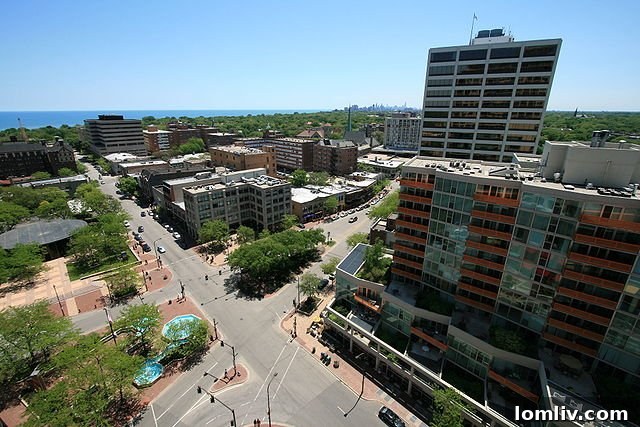
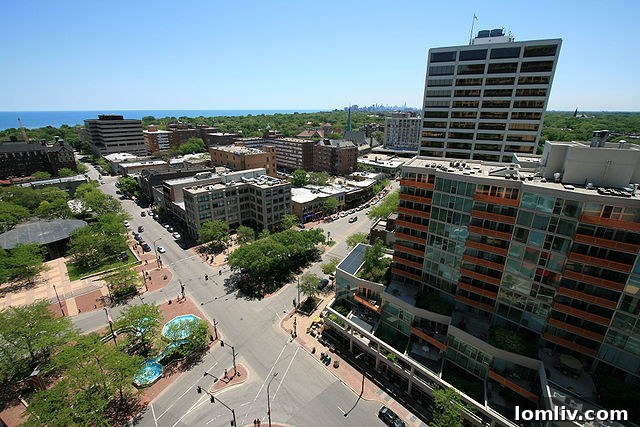
In a groundbreaking and nationally significant move, Evanston, Illinois, has embarked on a pioneering initiative designed to counteract the enduring legacy of discriminatory housing policies and practices. This historic effort aims to provide reparations to eligible Black city residents, marking a pivotal moment in the ongoing discourse surrounding racial equity and restorative justice in America.
This unique program, launched in the affluent North Shore Chicago suburb and home to Northwestern University, is widely regarded as the first of its kind in the United States. Its development has garnered considerable attention, positioning Evanston’s approach as a potential prototype for other municipalities seeking to address historical injustices and facilitate increased Black homeownership and wealth creation across the nation.
Pioneering Racial Equity Through Housing Reparations
On a significant Monday, the Evanston City Council, with an overwhelming 8-1 vote, officially approved the “Local Reparations Restorative Housing Program.” This landmark decision authorizes grants of up to $25,000 for qualifying Black households, specifically earmarked for crucial down payments on homes or essential home repairs. This financial assistance is a direct response to decades of systemic barriers that have prevented Black families from accumulating generational wealth through property ownership.
The foundation for this bold step was laid in 2019 when a dedicated reparations fund was initially established. According to the foundational draft resolution guiding the program, its core objectives are multi-faceted and deeply impactful:
“The Program is a step towards revitalizing, preserving, and stabilizing Black/African-American owner-occupied homes in Evanston, increasing homeownership and building the wealth of Black/African-American residents, building intergenerational equity amongst Black/African-American residents, and improving the retention rate of Black/African-American homeowners in the City of Evanston.”
This statement underscores the program’s holistic vision: not just to provide financial aid, but to systematically restore equity, foster community stability, and ensure that Black families can maintain and grow their assets within Evanston. The initiative seeks to directly counteract the historical effects of practices like redlining, restrictive covenants, and predatory lending that systematically denied Black Americans access to homeownership and undermined the value of their properties.
The program’s focus on residential real estate is particularly noteworthy. Across the nation, cities grapple with similar histories of racialized housing discrimination. For instance, in Dallas, Texas, ongoing battles surrounding the Tenth Street Historic District highlight the lasting impact of policies that displaced Black families from their ancestral neighborhoods. The pervasive practice of redlining and the institutional neglect of areas like South Dallas present stark examples of how racial discrimination has shaped urban landscapes and perpetuated wealth disparities. The compelling question arises: could Evanston’s reparations model inspire the Dallas City Council, and other city councils nationwide, to explore similar, localized solutions to historical injustices?
Understanding the Historical Context of Housing Discrimination
To fully grasp the significance of Evanston’s program, it’s crucial to understand the historical backdrop of housing discrimination in the United States. For much of the 20th century, policies and practices explicitly designed to segregate communities and limit opportunities for Black Americans were commonplace. Redlining, a practice initiated by the federal government, categorized Black neighborhoods as “hazardous” for investment, effectively cutting off access to mortgages, insurance, and other financial services. This led to disinvestment, property devaluation, and a stark wealth gap.
Beyond redlining, restrictive covenants embedded in property deeds legally barred Black individuals from purchasing homes in white neighborhoods. Even after these were deemed unconstitutional, informal discrimination, such as racial steering by real estate agents and discriminatory lending practices by banks, continued to perpetuate segregation and impede Black homeownership. The cumulative effect of these systemic policies has been a dramatic disparity in wealth accumulation between Black and white families, with home equity historically being the primary driver of intergenerational wealth transfer.
Evanston’s program directly confronts this painful history, aiming to inject capital and support into the very communities that were systematically denied it. By focusing on down payments and home repairs, it targets the foundational elements of homeownership and property maintenance, which are critical for building and preserving wealth.
The Nuance of Dissent: Debating the Scope of Reparations
While the Evanston City Council’s vote was largely in favor, the lone dissenting vote came from Alderwoman Cicely Fleming, a Black council member whose family lineage in Evanston traces back to the early 1900s. Her dissent, though singular, sparked important discussions about the scope and inclusivity of reparations programs.
Fleming’s primary concerns centered on the program being “too housing-focused” and offering what she perceived as limited participation criteria. To qualify for the initial phase of the reparations program, Black residents must demonstrate they lived in Evanston between 1919 and 1969, or be a direct descendant of someone who did. An alternative pathway for eligibility exists for individuals who can prove they faced housing discrimination due to Evanston city policies or practices after 1969.
Alderwoman Fleming argued that by exclusively tying reparations to home purchases and repairs, the program might inadvertently overlook other critical areas where historical injustices have inflicted harm. She suggested that a broader approach, potentially including educational grants, direct cash payments, or business development funds, might more comprehensively address the manifold ways in which Black communities have been disadvantaged. Her perspective highlights the complex philosophical debate surrounding reparations: what forms should they take, who precisely qualifies, and how can they achieve the broadest possible restorative impact?
Despite these valid points of dissent, the program stands as a critical first step. It acknowledges the specific and profound harm inflicted by housing discrimination and offers a tangible mechanism for repair. The debates sparked by Fleming’s vote, however, are crucial for future iterations and for guiding other cities that might consider similar initiatives, encouraging them to consider a wide array of potential solutions and eligibility criteria.
An Innovative Funding Model: Marijuana Sales Power Reparations
One of the most innovative and widely discussed aspects of Evanston’s reparations fund is its unique financing mechanism: revenue generated from recreational marijuana sales. This creative funding model not only provides a sustainable source of capital but also symbolically links the repair of historical harms to an industry that has disproportionately impacted Black communities through arrests and incarceration.
The reparations fund was established in November 2019, predating the global COVID-19 pandemic and the widespread protests ignited by the death of George Floyd. At its inception, the Evanston City Council clearly articulated its intent: to create initiatives aimed at closing the persistent historical wealth gap between Black and white residents. The decision to tap into marijuana tax revenue reflects a growing recognition that communities disproportionately affected by the war on drugs should benefit from the economic gains of legalization.
Specifically, the program mandates that the first $10 million in revenue generated from the city’s new tax on the sale of recreational marijuana will be allocated to the reparations fund. This dedicated revenue stream ensures a stable and ethically aligned source of funding for restorative justice efforts. The initial budget for the housing program is set at $400,000, a figure that is expected to grow as more tax revenue accumulates, allowing the program to expand its reach and impact over time.
This funding approach offers a compelling blueprint for other cities grappling with how to finance reparations or other social justice initiatives. It demonstrates a municipality’s capacity to innovate and to connect policies – in this case, drug legalization – with a broader agenda of racial equity and historical repair. It sets a precedent that financial responsibility for past injustices can be creatively met through new economic opportunities, particularly those that have historically been intertwined with racial disparities in the criminal justice system.
National Implications and the Path Forward for Racial Equity
Evanston’s “Local Reparations Restorative Housing Program” transcends its local impact, serving as a powerful and concrete example for the national conversation surrounding reparations. Its carefully structured approach, transparent funding, and specific focus on housing discrimination offer valuable lessons and a potential blueprint for other cities and even state and federal governments.
The program highlights several key takeaways. Firstly, it demonstrates that local governments have the agency and moral imperative to address historical injustices within their jurisdictions. Secondly, it underscores the importance of a targeted approach, acknowledging that while systemic racism is broad, its impacts manifest specifically, often in areas like housing. Thirdly, it champions innovative funding mechanisms, showing how seemingly unrelated policy decisions (like marijuana legalization) can be leveraged for social justice. Finally, the program, despite its limitations and the valid critiques it has received, proves that reparations are not merely theoretical but can be implemented with tangible results.
As the nation continues to grapple with the legacy of slavery and Jim Crow laws, Evanston’s initiative joins a growing chorus of local and state efforts, alongside the ongoing federal discussion around HR 40 (the Commission to Study and Develop Reparation Proposals for African Americans Act). These efforts collectively push the boundary of what is considered possible in the pursuit of racial equity.
The question of whether other cities, like Dallas with its own complex history of redlining and urban displacement, will follow suit remains open. The challenges are considerable, including political will, public support, and identifying sustainable funding sources. However, Evanston has undeniably lit a path, demonstrating that it is possible to move beyond dialogue to concrete action in addressing the profound and lasting harms of historical racial discrimination.
This trailblazing program signals a significant shift in how communities are choosing to confront their pasts. It’s a testament to the belief that historical wrongs can and must be addressed with meaningful, restorative measures. The eyes of the nation are now on Evanston, watching closely as this bold experiment unfolds, hoping it marks the beginning of a new chapter in the long and arduous journey towards true racial justice and equity in America.