

The journey to homeownership in a thriving metropolitan area can often be an intricate and demanding process, particularly within the fast-paced real estate landscape of Dallas-Fort Worth (DFW). This narrative delves into the challenging experience of “Ted,” an earnest homebuyer whose quest for a house became a powerful illustration of the DFW market’s current complexities and fierce competition. Our initial interaction with Ted was on a brisk Friday, December 30th, over an informal lunch in Bedford, Texas. This location was strategically chosen for its convenience, being close to his workplace and within the very area where he aspired to settle down. The atmosphere was filled with the usual optimistic anticipation that accompanies the start of a home search.
Ted, a skilled programmer, articulated his primary motivation with clarity: “I work not far from here, but my current residence is in Richardson. Given my demanding and often unpredictable work hours, my strongest desire is to find a home within this specific area. This move would significantly reduce my commute and improve my work-life balance.” His reasoning was sound, and his objective seemed straightforward. As a real estate professional with over a decade of experience successfully guiding clients through home purchases in the DFW region, my initial assessment was one of confidence. I thought to myself, “This should be a relatively smooth process; we’ll have Ted settled into a great home in no time at all.” Little did I know, the DFW housing market had a different plan in store for us, one that would challenge conventional wisdom and test the limits of patience and strategy.
Setting the Stage: Ted’s Home Buying Criteria and Our Initial Game Plan
Our subsequent steps involved a thorough organization of Ted’s home-buying essentials, ensuring every detail was accounted for – a process I often refer to as “getting all the ducks in a row.” Ted clearly outlined his budget, indicating a comfort level “up to $200,000.” This financial parameter was quickly corroborated by his local lender, confirming his robust purchasing power. While he possessed the financial flexibility to potentially increase his budget, Ted, a single young professional, exercised a prudent approach. He expressed a desire not to over-invest in a property where he projected living for likely less than five years, prioritizing a sound financial decision over immediate extravagance. His financing was secured through a conventional loan, backed by a substantial 20 percent down payment. Furthermore, his excellent credit score and healthy savings account presented him as an ideal candidate for lenders, adding another layer of strength to his position.
Ted’s specific desires for his future home were equally practical and seemed well within reach: a three-bedroom, two-bathroom residence. He wasn’t overly concerned with a property being immaculately updated, understanding that cosmetic enhancements could be undertaken progressively. However, a critical non-negotiable for him, reflective of his engineering background, was the absolute absence of major structural or foundation issues. This sensible requirement aimed to prevent unforeseen, costly, and complex repairs in the future. With his current apartment lease set to expire in three months, the timeline for finding and closing on a home was clearly defined, adding a sense of urgency to our search. During our detailed discussion, we also covered various practicalities, from the unseasonably cold weather that day to his New Year’s Eve plans, along with his preferred schedule for property viewings on weekends. After this comprehensive discussion, my professional instincts led me to confidently conclude once more, “With such a well-prepared buyer and clear objectives, we’ll find Ted a perfect place within three weekends, tops.” This initial optimism, forged from years of successful real estate transactions, was about to undergo a significant reality check by the unique and often unforgiving dynamics of the Dallas-Fort Worth housing market.
The DFW Housing Market Reality: A Whirlwind of Competition and Disappointment
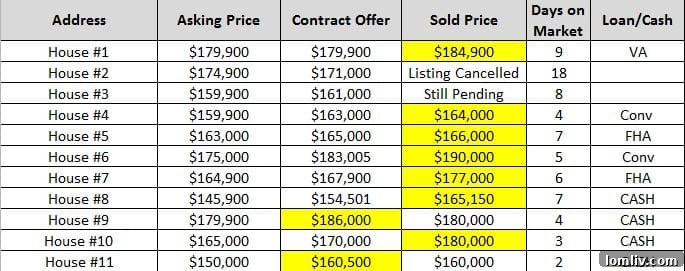
My initial optimistic projections, based on a decade of experience, proved to be profoundly inaccurate. The Dallas-Fort Worth real estate market, especially in recent years, has transformed into an extraordinarily competitive arena – a true whirlwind for every participant, from first-time homebuyers to seasoned agents. What began as a confident home search for Ted quickly spiraled into an arduous journey fraught with numerous setbacks and unexpected challenges. To date, Ted’s relentless pursuit of a home has involved an astonishing eleven distinct contract offers, a figure that, remarkably, continues to climb as our search persists. This aggressive bidding has been accompanied by intensive touring of over 43 different properties, culminating in a frustrating succession of rejections. Each “no” served as a stark reminder of the market’s intensity and the sheer volume of buyer demand. Despite our persistent efforts, strategic planning, and unwavering determination, Ted and I find ourselves still actively engaged in the demanding quest for his future residence.
Ted candidly shared his astonishment and the emotional toll the process had taken: “I genuinely had no idea it would be this incredibly difficult. I mentally prepared myself for the possibility of not getting my first or even second choice, understanding that competition is part of the game. But to lose out on eleven homes? It’s almost comical in its sheer absurdity, if it weren’t so profoundly disheartening.” His honest reaction perfectly encapsulates the emotional and psychological strain that such an intensely competitive market imposes on prospective homeowners. The cherished dream of securing a new home frequently collides head-on with the harsh reality of fierce bidding wars, multiple-offer scenarios, and the often-unpredictable nature of seller preferences.

Our initial search, primarily centered around Bedford, rapidly expanded across a much wider geographic area in a strategic attempt to uncover more available opportunities and alleviate the pressure. Since January, our property tours have taken us through a diverse array of communities including Irving, Keller, North Richland Hills, Watauga, Hurst, Euless, Saginaw, and various vibrant neighborhoods within Fort Worth. This expansive search strategy is a common tactic employed by buyers and their agents in overheated markets, aiming to broaden the net and increase the likelihood of finding a suitable property. We meticulously scheduled viewings not only on weekends but also at less conventional times during the week, hoping to circumvent two common market challenges: avoiding the long lines of other agents and clients frequently seen outside popular homes, and minimizing our chances of being just one among many in an inevitable multiple-offer situation. Despite these proactive and tactical efforts, the sheer volume of buyer demand and the intensity of the competition often meant we were still facing formidable challenges.
Mastering the Art of the Deal: Evolving Offer Strategies and Navigating Appraisal Hurdles
When Ted initially embarked on his home search, he harbored a common, yet in this specific market, ultimately unrealistic aspiration: he wanted to “get a deal.” My response to his expectation was accompanied by a slight chuckle, as I gently explained that in the current Dallas-Fort Worth environment, a true “deal” would, in reality, involve offering merely a few thousand dollars above the asking price – a scenario that was, even then, rapidly becoming a rarity. It took the undeniable sting of two rejected offers for Ted to fully comprehend the raw intensity of the market and to recognize that my professional advice, as a seasoned real estate sales professional, was firmly rooted in current, on-the-ground realities, rather than mere conjecture. This period represented a crucial and rapid learning curve for him, a “rookie mistake” quickly corrected by the undeniable lessons of market experience.
Following this significant realization, Ted’s subsequent offers, spanning from the third to the eleventh, were all meticulously crafted and strategically placed substantially above the asking price. Yet, despite these increasingly aggressive and well-thought-out bids, success remained elusive. Each subsequent rejection served to further underscore the relentless competition and the extreme lengths that determined buyers were willing to go to secure a property in this unprecedented market. It highlighted the sheer volume of cash and aggressive terms being thrown at listings, making it exceptionally difficult for even well-qualified buyers like Ted to stand out.
Ted and I frequently engaged in in-depth discussions about property value, what a house is genuinely “worth” in such a volatile and rapidly appreciating market, and the profound implications of offering significantly over the asking price – particularly the inherent risk of an appraisal shortfall. These scenarios are indeed tricky and often present sticky situations that agents, buyers, and sellers alike must navigate in this relentless market. Accurately determining the true market worth of a home, especially when intense bidding wars artificially inflate prices, becomes an incredibly complex puzzle. Furthermore, predicting which properties will genuinely appreciate in value enough to justify an over-asking offer is, by its very nature, a speculative endeavor. And then there are appraisals – perhaps the most challenging and unpredictable hurdle of all.
The concept of an “appraisal gap” is of paramount importance here. This situation arises when a buyer makes an offer at a price point substantially higher than what the property ultimately appraises for by a licensed appraiser. This creates a deficit between the maximum loan amount a lender will provide (based on the appraised value) and the agreed-upon sale price. Many buyers, driven by desperation to secure a home, are frequently encouraged, or even feel pressured, to sign agreements promising to pay this difference out of their own pocket at closing. However, it is absolutely vital to thoroughly understand the nuanced legal landscape in Texas concerning these types of agreements. A reputable real estate lawyer would unequivocally confirm a crucial, yet often overlooked, legal fact: promising to cover an appraisal difference in this specific manner is not inherently legal or binding in the state of Texas. It is critically important to note that, as of the time of this writing, there is no promulgated Texas Real Estate Commission (TREC) form that can be legally attached to a contract and definitively bind a buyer to bring additional funds to the closing table specifically to cover an appraisal gap. This significant legal detail, unfortunately, often escapes the comprehensive knowledge of many real estate agents operating within the state.
Despite this clear legal reality, it regrettably does not deter some agents from attempting to persuade buyers to sign homemade, non-promulgated forms, wherein buyers are asked to pledge to make up any difference between the official appraisal and the offered price. This raises a pertinent question: who is truly the less informed party in such a scenario? Is it the agent who demands the signing of such a legally ambiguous form, or the agent who permits their client to agree to such potentially unenforceable and risky terms? Navigating these intricate legal and ethical complexities requires not only a deep understanding of market dynamics but also a profound commitment to legal boundaries and professional responsibilities, safeguarding the best interests of the client above all else.
The Unrivaled Power of Cash: How All-Cash Offers Dominate the DFW Market
In the relentlessly competitive Dallas-Fort Worth real estate market, one factor consistently demonstrates unparalleled supremacy: a cash offer. A meticulous examination of the Multiple Listing Service (MLS) data for the homes on which Ted submitted offers reveals a stark and undeniable reality. Among the properties that successfully closed and were sold, a significant four were acquired with all-cash offers. The remaining sales were proportionally split, with two going to buyers utilizing conventional loans, two to FHA loan buyers, and, somewhat surprisingly in this aggressive market, one to a VA loan buyer. It’s also worth noting that one property has yet to officially close, and another was ultimately withdrawn from the market, possibly due to an inability to meet seller expectations, or perhaps facing insurmountable appraisal challenges.

The message conveyed by sellers in this highly competitive market is crystal clear and unequivocal: it matters little what kind of financing a buyer proposes, how eloquently an accompanying letter is crafted, or what specific offer amount is put forth. If a genuine, all-cash offer is on the table, the dynamics of the transaction fundamentally shift, and the game is often over for financed buyers. The profound allure of cash for sellers is multifaceted and incredibly potent. An all-cash transaction typically guarantees a significantly quicker closing period, often shaving weeks off the conventional timeline, which is a major advantage for sellers looking to move swiftly. Crucially, it completely bypasses the need for an appraisal, effectively eliminating the risk of an appraisal gap that could otherwise jeopardize or delay the sale. Furthermore, sellers are spared the myriad of lender-related complexities and contingencies – there are no loan underwriting delays, no extensive document requests, and no last-minute financing snags or conditions to worry about. For a seller prioritizing speed, certainty, and a frictionless transaction, an all-cash offer is simply unbeatable in its appeal. This undeniable reality places buyers relying on conventional, FHA, or VA loans at a distinct and often insurmountable disadvantage, even when they are willing to offer well above the asking price, as their offers inherently carry more contingencies and potential for delays.
The Toll of the Market: Buyer Fatigue and Missed Opportunities in DFW Real Estate
Months into his arduous home search, Ted finds himself in an unintended predicament, still residing in his Richardson apartment. The prolonged and unsuccessful hunt for a new home has compelled him to transition into a month-to-month lease arrangement, a situation that unfortunately incurs additional costs compared to his original lease agreement. More significantly, the relentless cycle of tirelessly searching for properties, diligently crafting competitive offers, and then repeatedly facing rejection has taken a considerable emotional and psychological toll on his enthusiasm. He has experienced a noticeable decline in interest, bordering on outright fatigue and discouragement – a sentiment that is increasingly common among buyers who face repeated disappointments in such a demanding market. The mental weariness can be as draining as the financial costs.
A few weeks prior, during his lunch break, we toured a particularly promising property that seemed to tick many of his boxes. The home appeared to be in reasonable condition; the foundation showed no obvious concerns, and we couldn’t discern any major visible defects upon initial inspection. Its asking price was $150,000, a figure that, in the current DFW market, immediately signaled the strong probability of multiple, over-asking offers. After a period of careful consideration and internal deliberation, Ted made the difficult decision to pass on making an offer. I believe his hesitation stemmed from a growing “gun-shyness” – a profound reluctance to invest further emotional energy and financial commitment into yet another offer that, in all likelihood, might culminate in another disheartening rejection. During our discussion, we explored various strategic options for crafting a highly competitive offer, including proposing $5,000 or even $10,000 above the asking price, along with him covering the homeowner’s title policy and offering a significantly higher option fee for a very brief option period. He now fully comprehends the intricate strategic nuances of the game and no longer harbors any illusions of “getting a deal” in the traditional sense of the word. His perspective has shifted entirely to understanding the true cost of securing a home in this environment.
The bittersweet irony of the situation unfolded shortly thereafter: that very house, initially listed for $150,000, which Ted reluctantly decided to pass on, ultimately sold for precisely $150,000. Whether there were genuinely multiple offers involved, as the listing agent claimed, or if other prospective buyers simply succumbed to similar market fatigue and withdrew their interest, remains a point of speculation. Regardless of the underlying reasons, the outcome was unequivocally clear – Ted could have secured that home. This particular instance serves as a stark and poignant reminder of the extremely fine line that exists between strategic patience and outright missed opportunities in a market that imperatively demands swift, decisive action, and sometimes, a leap of faith. The journey continues… and so does the invaluable learning experience for both buyer and agent in this dynamic and ever-evolving Dallas-Fort Worth real estate environment.
That concludes this week’s update from the competitive real estate landscape of Tarrant County, my dedicated readers. Remember that your comments, questions, and ideas for future stories are always welcome and highly valued. Please feel free to reach out and share your thoughts, experiences, or any inquiries you might have. I am always here to listen and engage.
Seth Fowler is a highly experienced and licensed real estate sales professional proudly affiliated with Williams Trew Real Estate in Fort Worth. The statements and opinions expressed in this article are solely his own, drawn from extensive firsthand experience and deep market insight. Seth has been profoundly involved in the home sales and broader real estate business across the dynamic DFW Metroplex since 2004, offering unparalleled expertise and a unique perspective on regional market dynamics. He and his family have been proud and active residents of the Fort Worth area for over 14 years, further solidifying his profound local knowledge and community ties. As a distinctive personal touch, Seth is also widely known for his fondness for classic bow ties. You can connect with Seth directly for expert guidance on your real estate journey by calling 817.980.6636 or by sending an email to [email protected].