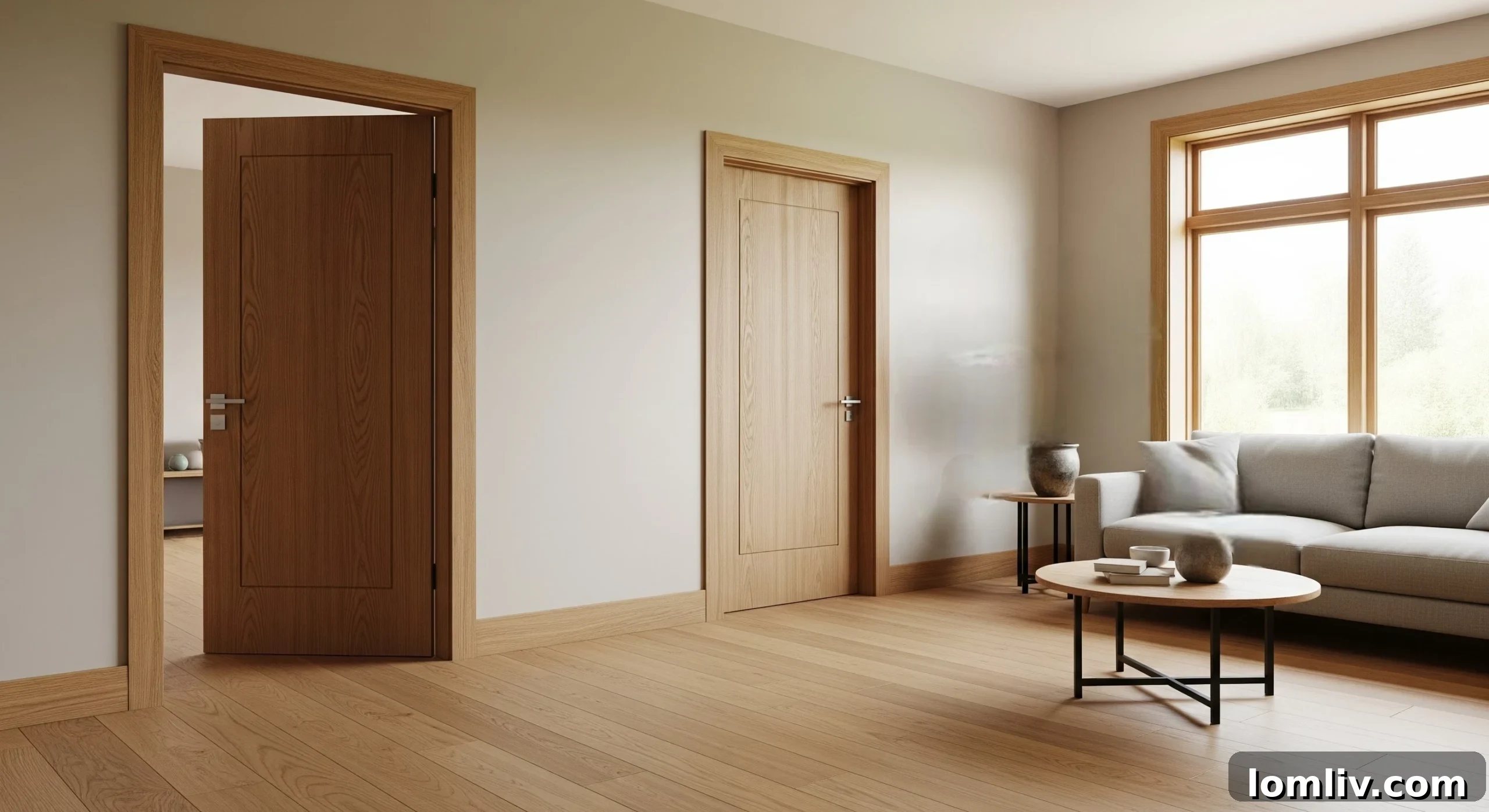
Embarking on a home renovation, even seemingly minor details like replacing a door, can transform your living space in profound ways. While a door might appear to be a simple barrier, upgrading to a **solid wood door** is an investment that transcends mere functionality. It’s a statement of quality, a commitment to enduring beauty, and a tangible enhancement to your home’s comfort, security, and overall value. From the moment you step through a robust solid wood entrance, you’ll feel the difference – the satisfying weight, the rich texture, the quiet close, and the sophisticated finish that ties your entire home together. These doors are not just access points; they are architectural elements that contribute significantly to the ambiance and perceived quality of your home, making them a top contender for any discerning homeowner’s upgrade list.
Unveiling the Unique Qualities of Solid Wood Doors

What truly distinguishes a solid wood door from its hollow-core counterparts or even other solid-core alternatives is its authentic construction and inherent material properties. Unlike doors with an engineered core or hollow interiors, a **true solid wood door** is crafted from a single, continuous piece of timber or robustly constructed from solid wood stiles and rails surrounding solid wood panels. This foundational difference translates into unparalleled durability, stability, and aesthetic appeal. You’re not just installing a barrier; you’re incorporating a piece of natural architecture that boasts real grain, substantial heft, and a profile designed to accept stains and paints beautifully. The natural variations in wood grain ensure that each door possesses a unique character, adding an organic warmth and authenticity that is hard to replicate with artificial materials.
Homeowners have a diverse palette of wood species to choose from, each offering distinct characteristics in terms of grain pattern, color, and hardness. Popular options include the classic appeal of **oak**, known for its prominent grain and durability; the rich, reddish hues of **cherry**, which darken beautifully with age; the luxurious, straight grain of **mahogany**, perfect for sophisticated spaces; and the deep, inviting tones of **walnut**, often chosen for its elegant appearance. Beyond these, options like maple offer a smooth, fine grain ideal for modern finishes, while pine provides a more rustic charm. The ability to select a species and then customize the finish – whether a deep stain that highlights the wood’s natural beauty or a crisp paint color – allows you to perfectly match your new door to existing floors, trim, or cabinetry, creating a harmonized and polished interior design narrative. Furthermore, the panel design plays a crucial role in defining the door’s style. A flat panel delivers a sleek, minimalist, and contemporary vibe, while traditional homes often gravitate towards classic 3-, 5-, or 6-panel designs, which evoke a sense of timeless elegance and craftsmanship.
Experience the Tangible Benefits: Everyday Differences You’ll Feel
- Unmatched Sound Dampening for Quieter Rooms: One of the most immediate and appreciated benefits of solid wood doors is their superior acoustic performance. The sheer mass and density of solid wood act as a natural sound barrier, significantly dampening noise transmission between rooms. This means more peace and quiet in bedrooms, enhanced concentration in home offices, and a more serene atmosphere in living areas. That satisfying, deep “thunk” you hear when a solid wood door latches shut is not just a sound; it’s the audible confirmation of its substantial construction, contributing to a more private and tranquil home environment.
- Superior Thermal Performance for Better Comfort and Energy Efficiency: A well-constructed solid wood door, particularly when paired with proper weatherstripping, plays a critical role in maintaining consistent indoor temperatures. For exterior openings, this dense barrier effectively limits drafts and minimizes thermal transfer, reducing heat loss in winter and heat gain in summer. This helps your HVAC system operate more efficiently, leading to more even temperatures throughout your home and potentially lowering your energy bills. During a home inspection, the fit and finish of doors, including their ability to seal tightly, are often noted as indicators of a well-maintained and energy-efficient property, adding tangible value to your home purchase or sale.
- Durability and Longevity: Repairable and Refinishable for Decades of Beauty: Unlike hollow-core doors that often need full replacement after significant damage, solid wood doors are built to last and designed to be maintained. Life happens – accidental nicks, scuffs from moving furniture, the wear and tear of children’s play, or the daily adventures of pets. The beauty of solid wood lies in its capacity for repair. Minor imperfections can often be buffed out with light sanding, spot-repaired, and then re-stained or repainted to seamlessly blend with the original finish. Over time, instead of replacing a worn door, you can fully refinish it, stripping away years of use to reveal its original splendor, effectively refreshing its appearance and extending its lifespan for decades. This reparability makes them a truly sustainable and long-term investment.
- Enhanced Security You Can Feel: Security is paramount for any home, and a solid wood door offers an inherent advantage. Its dense, unyielding structure makes it significantly harder to breach compared to lighter, hollow-core panels. When combined with strong, properly installed hinges, a robust door jamb, and quality locking hardware – including high-security deadbolts – a solid wood door creates a formidable barrier against forced entry. The resistance to flexing and splintering provides a tangible sense of security, giving homeowners greater peace of mind knowing their loved ones and possessions are better protected.
- Elevated Aesthetic Appeal and Architectural Integrity: Beyond their functional benefits, solid wood doors elevate the aesthetic appeal of any home. Their natural beauty, tactile warmth, and the craftsmanship evident in their construction add a layer of sophistication and luxury. They serve as key architectural elements that define the style and character of a room, creating a cohesive and upscale look that permeates the entire home.
Strategic Investment: Where Solid Wood Doors Add Real Value
Whether your plan is to reside in your home for many years or to eventually sell, investing in quality solid wood doors consistently adds significant value. For long-term occupants, these doors become an integral part of your daily comfort and aesthetic enjoyment, silently contributing to the overall quality of your living experience. The quiet close, the solid feel, and the beautiful finish are details that you’ll appreciate every single day, creating a more refined and peaceful home. However, their value extends far beyond personal enjoyment.
If selling your home is a future consideration, solid wood doors significantly impact first impressions. Prospective buyers and home inspectors are acutely observant of fit, finish, operational smoothness, and general maintenance. Doors, much like flooring, cabinetry, and windows, are critical elements on that short list of items that define a home’s quality. Clean operation – doors that swing smoothly without rubbing against the frame, a tight seal with no visible daylight around the perimeter where weatherstripping should be, and a consistent, well-maintained stain or paint finish – all signal pride of ownership. These details during walk-throughs and inspections convey a sense of care and high standards, which can positively influence a buyer’s perception of the home’s overall condition and potentially its market value.
Furthermore, in the context of a new build or a major renovation, elevating your doors to the same decision tier as your countertops and flooring is a strategic move. Often, builders offer upgrade packages, and incorporating solid wood doors early in the selection process can be more cost-effective than attempting to replace them à la carte later. This upfront investment ensures a cohesive design and a superior product from the outset, reflecting long-term value and sophisticated taste.
Elevating Interiors: Style Moves That Work in Any Home
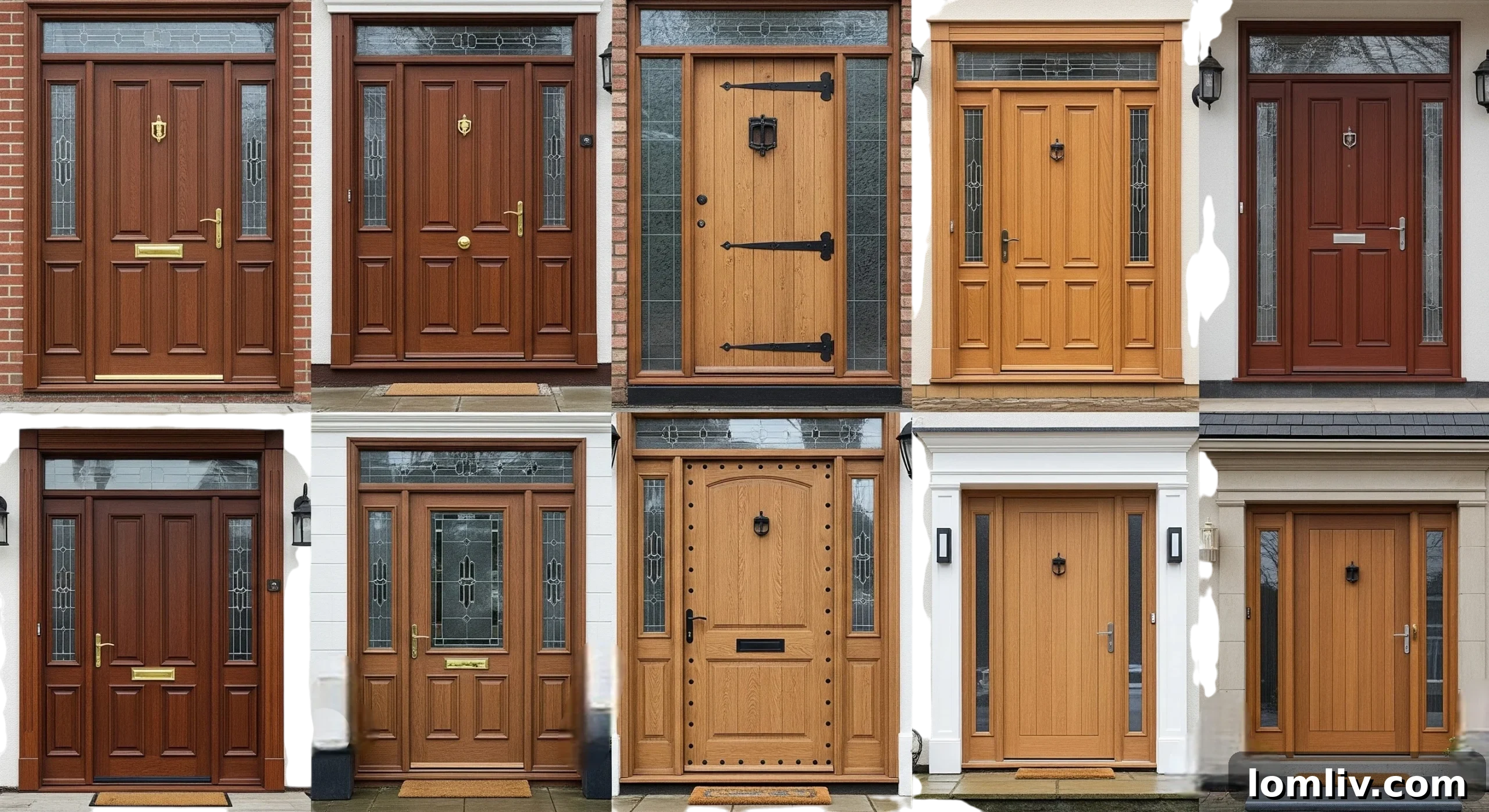
Solid wood doors offer an unparalleled canvas for expressing your home’s unique style, blending seamlessly with diverse architectural aesthetics. The careful selection of wood species, panel design, glass inserts, and hardware can dramatically transform the character of a room or an entire home:
- Versatile Wood Species:
- Warm Oak or White Oak: These timeless choices boast beautiful, distinctive grain patterns and a natural warmth that makes them incredibly versatile. They complement an extensive range of styles, from the relaxed elegance of coastal themes and the sturdy charm of craftsman bungalows to the clean lines of transitional and even some contemporary designs. White oak, in particular, has seen a surge in popularity for its lighter tone and subtle grain, ideal for bright, airy spaces.
- Rich Walnut: For spaces where you desire a deeper, more sophisticated ambiance, rich walnut is an excellent choice. Its deep, chocolatey tones and elegant grain add significant depth and a luxurious feel, making it perfect for studies, media rooms, or master suites where a quieter, more intimate atmosphere is desired.
- Classic Mahogany or Cherry: These species bring traditional grandeur with their fine grains and reddish-brown hues, ideal for formal dining rooms, libraries, or entryways aiming for a classic, opulent look.
- Incorporating Glass Lites: Glass lites, or panels, are an ingenious way to introduce natural light into interior spaces without sacrificing privacy entirely. Clear glass allows maximum light transmission, brightening hallways or entries. Seeded, frosted, reeded, or obscure glass options offer various levels of privacy while still permitting light to filter through, making them suitable for bathrooms, home offices, or doors leading to less private areas. Divided lites can also add a charming, traditional touch.
- Hardware Finishes and Styles: The hardware you choose is the jewelry for your door, and the right selection can enhance the wood’s natural beauty and complement your home’s overall design.
- Oil-Rubbed Bronze: This finish offers a rich, dark patina that pairs exquisitely with many wood grains, particularly warmer tones. It ages gracefully, developing a unique character over time, perfect for rustic, traditional, or even industrial-chic styles.
- Unlacquered Brass: For a classic, evolving look, unlacquered brass hardware acquires a beautiful, aged patina over time, adding historical charm and depth.
- Satin Nickel or Chrome: For modern or contemporary aesthetics, sleek satin nickel or polished chrome provides a clean, understated contrast to wood, enhancing a minimalist design.
- Matte Black: A bold and increasingly popular choice, matte black hardware creates a striking contrast with natural wood tones, perfect for modern farmhouse or industrial interiors.
One of the beauties of solid wood doors is the ability to mix interior and exterior looks while maintaining a consistent profile and rail layout. This thoughtful approach ensures that your home, whether viewed from the inside out or the outside in, presents a cohesive, well-designed, and harmonious story.
Practical Notes for a Smooth Door Project
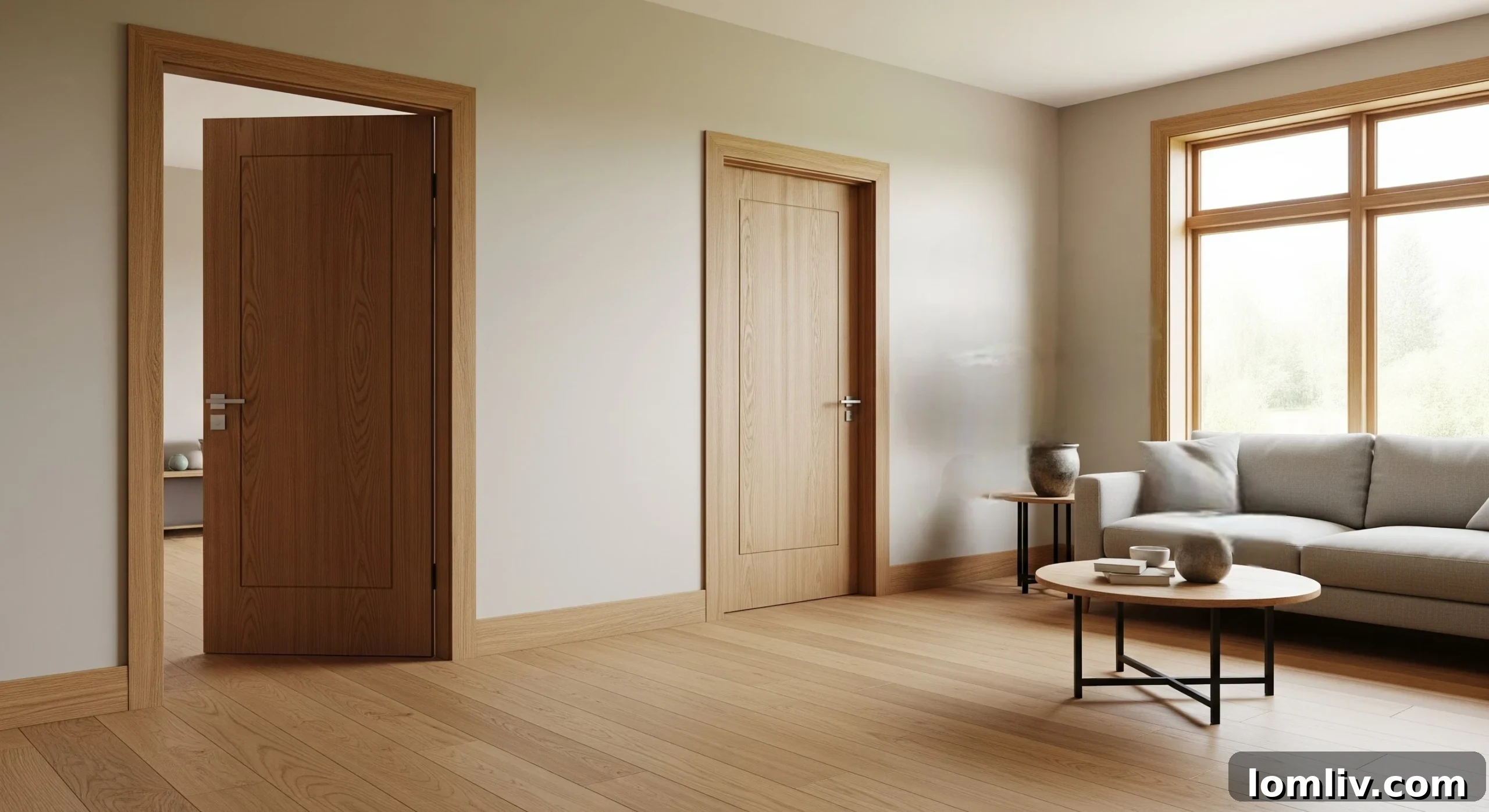
Undertaking a door upgrade, especially with solid wood, requires careful planning to ensure a seamless project and a perfect fit. Addressing key practical considerations upfront will save time, prevent costly mistakes, and guarantee the longevity and performance of your new doors:
- Accurate Sizing and Swing Direction: Precision is paramount. Before placing an order, meticulously confirm the rough opening measurements (width and height), the desired slab size (the door itself), and the correct swing direction (left-hand or right-hand, inswing or outswing). For exterior door replacements, a thorough assessment of the existing threshold and sill condition is crucial. Any damage or unevenness here needs to be addressed prior to installation to ensure a weather-tight seal and a clean, flush fit. Consider hiring a professional for measurements to avoid expensive errors.
- Comprehensive Finishing for Protection: The durability and stability of a solid wood door heavily rely on proper finishing. It is imperative to seal all six sides of the door slab – including the top, bottom, and all four edges – before applying your chosen stain or paint system. This complete sealing process acts as a vital barrier, preventing moisture absorption and release, which is the primary cause of warping, swelling, or shrinking over time. A well-finished door will maintain its integrity and beautiful appearance for decades.
- Selecting Robust Hardware: The inherent weight of solid wood doors necessitates heavy-duty hardware designed to support their substantial mass. Opt for strong, ball-bearing hinges that can withstand continuous use without sagging. Reinforced strike plates are also essential for both security and durability. If you plan to incorporate advanced locking mechanisms, such as a keyless entry deadbolt for an exterior door, select the specific model early in the process. This ensures that the door preparation (boring, routing) matches the hardware’s exact specifications, preventing installation delays or compatibility issues.
- Leveraging Inspection Moments During Home Purchases: If you are purchasing a home and your solid wood doors are part of the pre-purchase agreement, your general inspector will thoroughly evaluate their operation. They will check for smooth swing, look for any rubbing against the frame, and meticulously note issues like visible daylight around the perimeter or missing/damaged weatherstripping. This professional feedback is invaluable; you can use the inspection report to negotiate for necessary repairs or financial credits from the seller before closing, ensuring that any existing door issues are resolved or compensated for.
- Strategic New Construction Timing: When making selections with a builder for a new home, prioritize your door choices alongside cabinetry and flooring. Upgrading to solid wood doors at this stage is often more straightforward and cost-effective. Builders can integrate these preferences into the overall construction package, potentially offering better pricing or smoother installation as part of the initial build, rather than treating them as separate, more expensive à la carte upgrades later in the process.
Sustainability and Responsible Sourcing of Wood Doors
In an era of increasing environmental consciousness, solid wood doors stand out as a remarkably sustainable choice. Wood is a naturally renewable material, especially when harvested responsibly from sustainably managed forests. Look for doors certified by organizations like the Forest Stewardship Council (FSC) to ensure your purchase supports ethical and environmentally sound forestry practices. The exceptional durability of a solid wood door means it can be maintained, repaired, and refinished for many decades, significantly extending its useful life and helping to divert materials from landfills. Furthermore, at the very end of its long service life, wood is far easier to recycle, repurpose, or biodegrade than many composite or synthetic door materials, making it a truly eco-friendly option for your home.
Considering Alternatives: When Another Material Might Fit Better
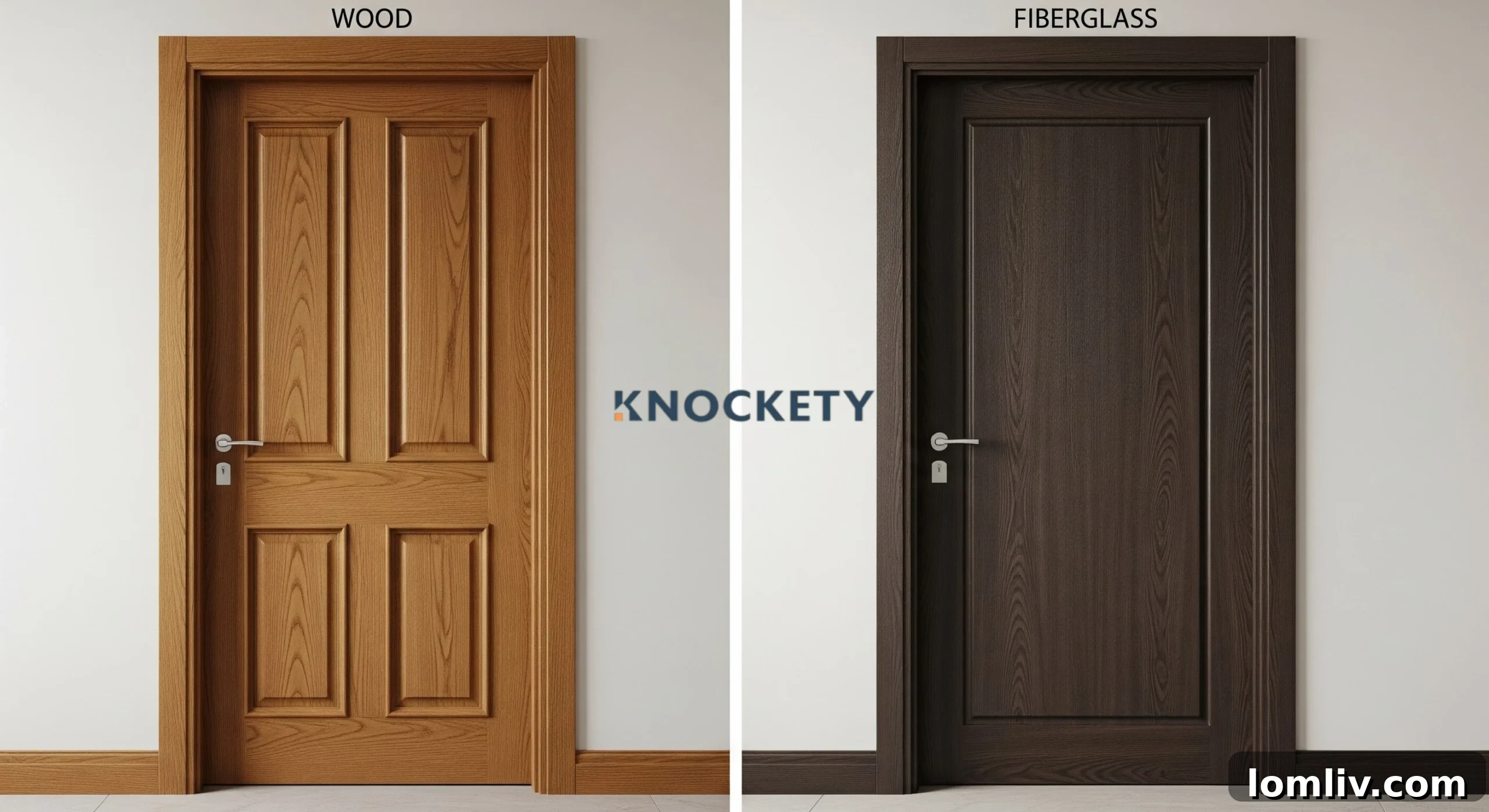
While solid wood doors offer myriad benefits, there are specific scenarios where an alternative material might be a more practical choice, particularly for exterior applications. If an exterior opening is in a high-exposure location – one that receives direct, intense weather with limited or no protective overhang – you might consider a **fiberglass entry door**. Modern fiberglass doors are engineered to withstand extreme elements, resisting warping, rotting, rusting, and denting. They are also highly energy-efficient and can be manufactured to realistically mimic the look and texture of wood grain, offering the aesthetic appeal of wood with enhanced weather resistance and minimal maintenance.
The good news is that you don’t have to compromise on your desire for wood interiors. You can easily maintain a consistent interior package of solid wood doors throughout your home while strategically using a fiberglass door for that single, high-exposure exterior opening. The key is to select a fiberglass door with a consistent profile and panel layout that matches your interior wood doors, ensuring that your house still reads as one cohesive design story. Many builders and suppliers offer the ability to evaluate these different material options side-by-side in their showrooms, allowing you to make an informed decision that balances aesthetics, performance, and practicality for every specific location in your home.
How to Choose the Right Solid Wood Door for Your Home: A Step-by-Step Guide
Selecting the perfect solid wood door involves a thoughtful process that balances aesthetics, functionality, and practical considerations. Follow these steps to ensure you make the best choice for your home:
- Define the Door’s Role and Requirements:
- Function: Is it an entry door, bedroom door, office door, pantry door, or a sliding pocket door? Each role has specific requirements.
- Privacy: How much privacy is needed? This impacts panel style and glass options. For bedrooms or bathrooms, high privacy is key, whereas a pantry might benefit from a subtle glass insert.
- Sound Control: For offices or bedrooms, consider the door’s sound transmission class (STC) rating for optimal quiet.
- Light: Do you want to borrow natural light from an adjacent space? Glass lites are ideal for this.
- Fire Rating: For certain applications (e.g., garage entry to home), fire-rated doors might be legally required.
- Select the Ideal Panel Style to Match Your Architectural Aesthetic:
- Flat Panel (Slab): Offers a sleek, minimalist look perfect for modern, contemporary, or even mid-century homes.
- Raised Panel: Features panels with a raised center, often seen in more traditional, colonial, or Victorian designs, adding depth and shadow lines.
- Shaker Panel: Characterized by clean lines and a simple, recessed panel, making it incredibly versatile for transitional, modern farmhouse, and craftsman styles.
- French Doors: Multiple glass lites for maximum light and elegance.
- Louvered Doors: Slatted design for ventilation, often used for closets or laundry rooms.
- Glass Lites: Choose clear for maximum light, frosted or obscure for privacy, or beveled for a decorative touch.
- Choose the Wood Species and Compatible Finish:
- Wood Species: Consider the grain pattern, natural color, and hardness. Oak offers prominent grain, walnut is rich and dark, maple is smooth and light, cherry deepens with age.
- Finish Type: Decide between staining to highlight natural wood beauty or painting for a solid color.
- Color Palette: Line up your chosen species and finish with your existing floors, trim, cabinetry, and furniture to ensure your eye reads a cohesive and harmonious palette throughout your home. Obtain samples to test in your home’s lighting.
- Match the Hardware for Function and Style:
- Hinge Type: Heavy-duty, ball-bearing hinges are essential for supporting the weight of solid wood doors and ensuring smooth operation.
- Lever Set/Knob Set: Choose a style (modern, traditional, rustic) and finish (oil-rubbed bronze, satin nickel, matte black, polished chrome) that complements the door and your home’s decor.
- Backplate Size: Consider the size and style of the backplate around the knob or lever.
- Locking Mechanism: For entry doors, select robust deadbolts. For interior doors, decide between passage (no lock), privacy (push-button lock for bedrooms/bathrooms), or dummy (non-functional for double doors).
- Plan Installation and Project Timing:
- Professional Installation: Solid wood doors are heavy and require precise installation to ensure proper function and longevity. Consider professional help.
- Renovation Timing: If you are renovating, align any door decisions and orders with your overall project timeline, coordinating with other trades.
- Home Purchase: If you’re under contract to buy a home, align any door-related requests (repairs, replacements) with your inspection window. Address credits or repairs before closing to avoid post-purchase surprises.
- New Construction: Integrate door selections early in the build process; upgrades are often easier to negotiate as part of the initial package.
Frequently Asked Questions About Solid Wood Doors
Are solid wood doors a worthwhile investment for my home?
Absolutely. Solid wood doors offer a unique combination of aesthetic appeal, daily functionality, enhanced comfort, and long-term value. You experience improved sound insulation for a quieter home, better thermal performance, and a tangible sense of quality that elevates your living environment. These benefits significantly enhance your home’s perceived value and are often recognized by prospective buyers and inspectors, making them a wise investment when it’s time to sell.
How long can I expect solid wood doors to last?
With proper sealing, regular maintenance, and routine care, solid wood doors are built to last for many decades – often 50 years or more. Their ability to be repaired, sanded, and refinished repeatedly extends their lifespan far beyond that of a basic hollow-core or even some engineered doors, proving their exceptional longevity.
Do solid wood doors contribute to better home insulation and energy efficiency?
Yes, they do. A dense solid wood slab, particularly when properly installed with tight weatherstripping and seals, significantly reduces drafts and minimizes thermal transfer. This helps your home’s HVAC system maintain a more consistent and comfortable temperature, reducing energy waste and supporting overall comfort while potentially lowering your heating and cooling costs. These details often emerge during due diligence on a home purchase, contributing to repair requests or credits.
Can dents or scratches on solid wood doors be repaired?
One of the significant advantages of solid wood is its reparability. Minor dents and scratches can usually be addressed with light sanding and localized spot staining or painting to blend the repair seamlessly with the existing finish. For heavier damage, professionals can patch, fill, and then refinish the affected area to match the rest of the door, restoring its pristine appearance without needing full replacement.
What is the difference between solid wood and solid core doors?
A **solid wood door** is constructed entirely from solid pieces of timber, either as a single slab or using a stile and rail construction with solid wood panels. A **solid core door**, on the other hand, has an engineered core, often made of particleboard or medium-density fiberboard (MDF), surrounded by a wood veneer or skin. While solid core doors offer better sound insulation and durability than hollow-core doors, they typically lack the natural grain, reparability, and long-term aesthetic appeal of true solid wood.
Are solid wood doors suitable for exterior use?
Solid wood doors can be excellent for exterior use, offering security, beauty, and energy efficiency. However, they require diligent maintenance, particularly thorough sealing of all six sides, to protect against moisture and UV exposure. In high-exposure areas with direct weather, homeowners might consider a fiberglass door that mimics wood grain for added weather resistance and lower maintenance, while still using solid wood for interior doors.
At Knockety, you can explore an extensive collection of solid wood door styles perfectly suited for various architectural themes – from the charming details of a craftsman bungalow and the rustic elegance of a modern farmhouse to the clean lines of a contemporary home. Customize your selection by choosing your preferred wood species, panel layout, and glass options, then complete the look with matching hardware. If you are embarking on a new build or are under contract for a home purchase, bring these critical decisions to the table early. Integrating them into your initial plans ensures they become a valued part of your home’s package, rather than an afterthought that could incur additional costs or complexities later on.