Unlocking Aspirational Spaces: The Definitive Guide to Professional Interior Photography
Have you ever found yourself captivated by the stunning homes featured in top design magazines, instantly wishing you could step into those perfectly curated spaces? The secret behind this irresistible allure often lies in the exceptional quality of their editorial photography. Far beyond mere documentation, these beautiful images are a powerful investment, meticulously crafted to showcase a property in its most aspirational and enchanting light. For architects, interior designers, homebuilders, and real estate professionals, investing in professional interior photography is not just an expense—it’s a strategic move to elevate your brand, attract discerning clientele, and tell the unique story of your work.
Unlike standard real estate snapshots, professional interior and architectural photography aims to evoke an emotional response and weave a compelling narrative. “The most effective shots connect with the viewer on a deeper level,” explains professional interior photographer Elizabeth Lavin. “They have the power to transport you to a different place, allowing you to imagine life within those walls.” This ability to create an immersive experience is what sets editorial-grade imagery apart and makes it indispensable for showcasing high-end design.
A crucial piece of advice, echoed by industry leaders like Ad Pro, is to entrust this vital task to professionals. Elizabeth Lavin strongly concurs: attempting to photograph your own projects, especially complex interior designs, rarely yields the polished results needed to stand out. A professional photographer brings not only technical expertise and state-of-the-art equipment but also a trained eye for composition, lighting, and styling nuances that can significantly enhance your brand’s image. They are invaluable partners in helping homebuilders, designers, and architects expand their reach, optimize their marketing efforts, and ultimately attract the ideal clients for their projects. Their expertise transforms spaces into visual masterpieces, ensuring your work receives the recognition it deserves.
Below, we delve into expert advice from leading professionals on how to achieve truly captivating interior photography.
The Power of Partnership: Why Collaboration is Key
The foundation of any successful interior photography shoot is seamless collaboration. It’s imperative that everyone involved—the client (designer, architect, or homeowner), the photographer, and the stylist—is on the same page from the very beginning. Just as you wouldn’t presume to know precisely what a client envisions for their home, it’s equally important to engage in thorough pre-shoot discussions with your photography team.
Before the shoot day, schedule a comprehensive meeting to share your vision, goals, and any specific requirements. Provide scouting photos of the space, discuss desired moods or aesthetics, and clearly articulate the results you hope to achieve. This initial alignment ensures that the entire team is working towards a unified objective.
Stylist Giana Shorthouse emphasizes this point, advising clients to “pull together inspiration imagery and be very clear on the type of photography and the type of styling that your brand leans toward.” Creating a mood board, sharing examples of photography you admire, and discussing specific design elements you wish to highlight can significantly guide the photographer and stylist. This collaborative planning phase is critical for translating your creative vision into stunning, publishable images.
Empowering Expertise: Letting Professionals Excel in Their Roles
You hire professionals for a reason: their specialized skills and expertise. This principle holds particularly true in interior photography, where professional styling can genuinely make or break a project. The synergy between a skilled photographer and an experienced stylist is what transforms a well-designed room into a breathtaking visual narrative.
Each team member brings a distinct set of talents to the table. The photographer focuses on composition, lighting, angles, and technical execution, ensuring every shot is technically perfect and aesthetically pleasing. As photographer Genevieve Garruppo wisely puts it, “If I think that something should move for the composition, that’s one thing, but I’m not designing the room for you.” Their role is to capture the existing design in its best light, not to redesign the space on the fly.
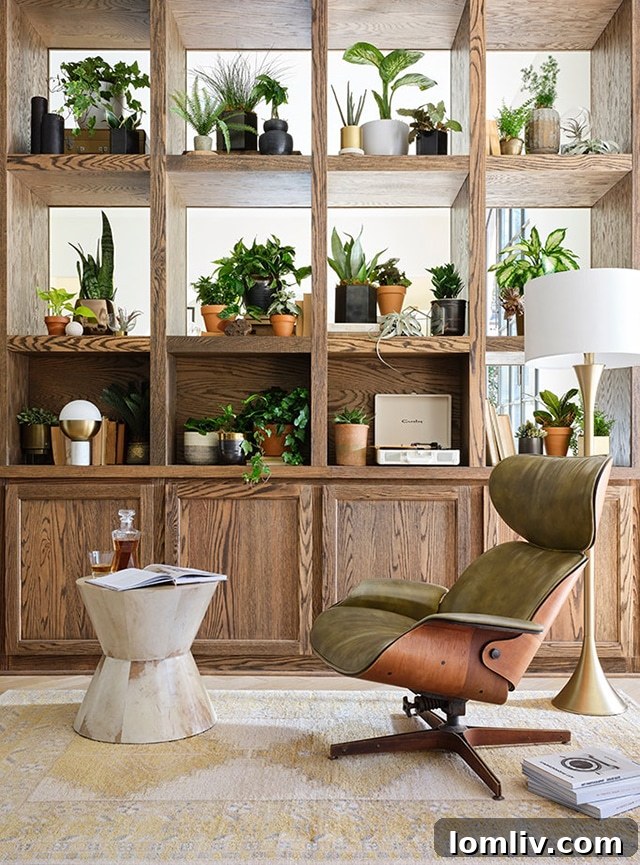
The stylist, on the other hand, is the artist who breathes life into the space, meticulously arranging props, adjusting textiles, and adding the “finishing layer” that makes a room feel authentic and inviting. They curate objects, select accessories, and ensure every detail contributes to the overall story and aesthetic. Trusting each professional to perform their role optimally ensures a more cohesive, high-quality outcome, ultimately reflecting the true artistry of your design.
The Art of Balance: Avoiding Overplanning While Embracing Spontaneity
While meticulous planning and clear communication are essential, there’s a delicate balance to strike to avoid making images look overly staged or artificial. Sometimes, the most compelling photographs arise from unexpected moments and creative spontaneity. “Spontaneity can often produce some of the most exciting photographs,” observes Elizabeth Lavin. “You don’t want images to look contrived or overly polished to the point of losing their soul.”
Adhering to a general plan or shot list is crucial for efficiency and ensuring all key aspects of the design are covered. However, it’s equally important to allow the photographer the freedom to explore, experiment, and capture unanticipated angles, natural light shifts, or unique perspectives that may not have been part of the initial brief. These unplanned moments often inject a sense of authenticity and dynamism into the final collection of images, transforming good photographs into exceptional ones.
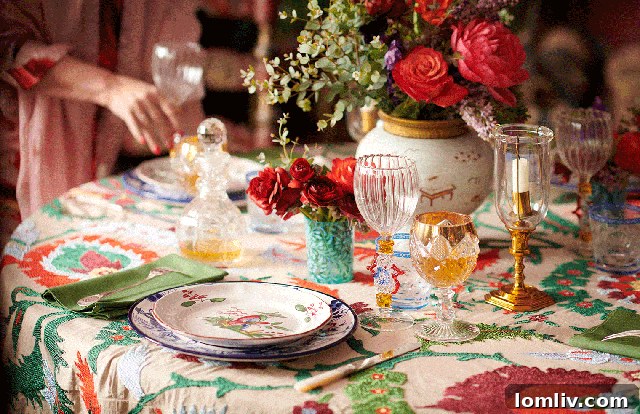
A great photographer knows how to navigate this balance, delivering on the client’s vision while also bringing their artistic eye to discover and capture those magical, unplanned elements that truly elevate a design story.
The Narrative Power of Details: Why Every Element Matters
In the realm of interior photography, the devil—and the delight—is truly in the details. Stylist Mieke ten Have recommends never rushing a shoot prematurely. To achieve the aspirational quality seen in design glossies, interiors need to be as complete and layered as possible. This means going beyond just furniture placement; it encompasses the thoughtful inclusion of art, accessories, textiles, and that crucial “finishing layer” that brings a space to life.
“I think a lot of projects can look finished but can often feel bare if you don’t have things like books, textiles, objects, and things that tell a story,” she emphasizes. These elements are not just decorative; they are narrative devices. A stack of art books on a coffee table, a casually draped throw, a unique ceramic vase, or a piece of curated artwork all contribute to the personality and lived-in feel of a home. They invite the viewer to imagine themselves within the space, connecting on an emotional level.
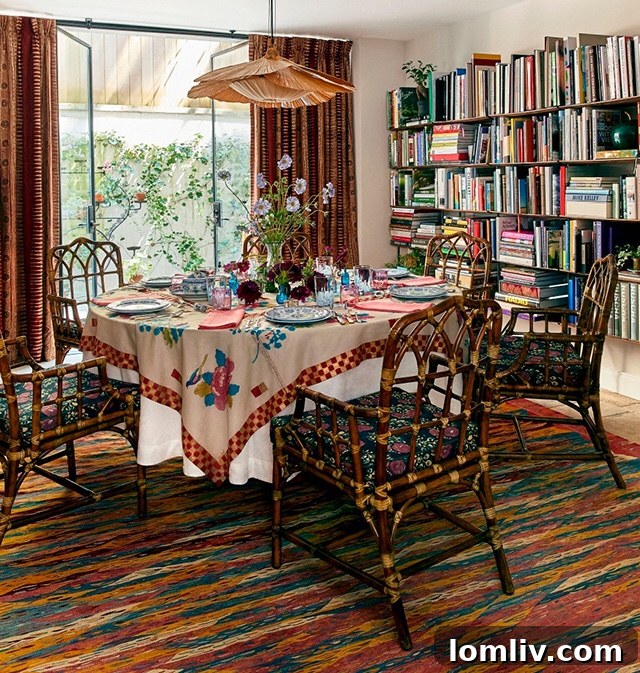
Investing time in styling these finer points before the shoot ensures that every photograph captures the richness, depth, and unique character of the interior design, transforming it from a mere room into a vibrant story waiting to be told.
Mastering Composition: Mixing Wide Shots and Intimate Moments
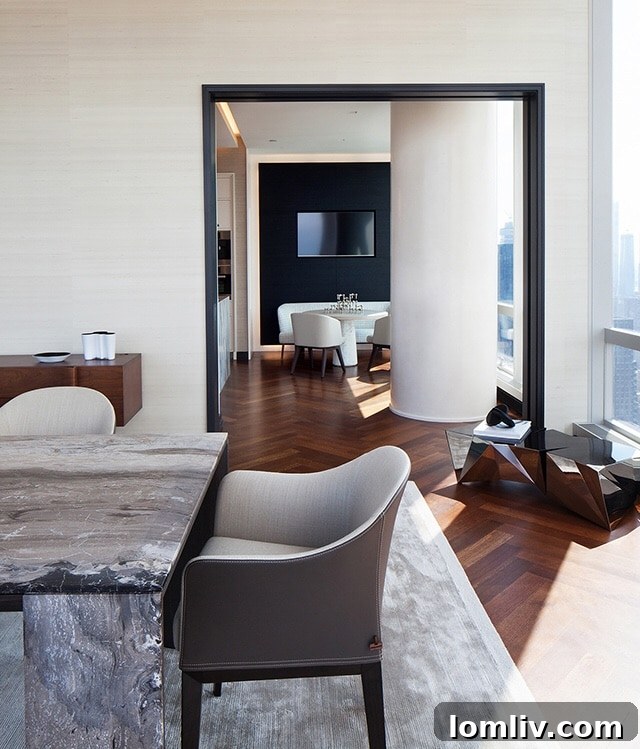
A truly comprehensive interior photography portfolio will feature a diverse range of shots, strategically balancing wide-angle views with intimate, close-up details. Photographer Elizabeth Lavin often aims for compositions that allow the viewer to “see into another room.” This technique is incredibly effective because “it helps you understand the layout” and the seamless flow of a home’s design. These broader shots provide context, showcasing the architectural elements, overall color palette, and how different spaces connect, offering a holistic understanding of the property.
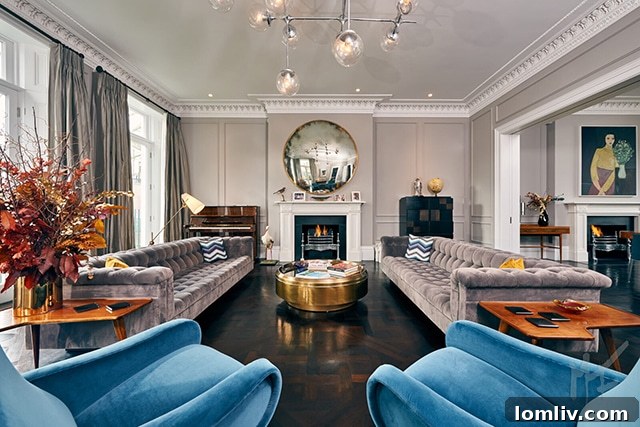
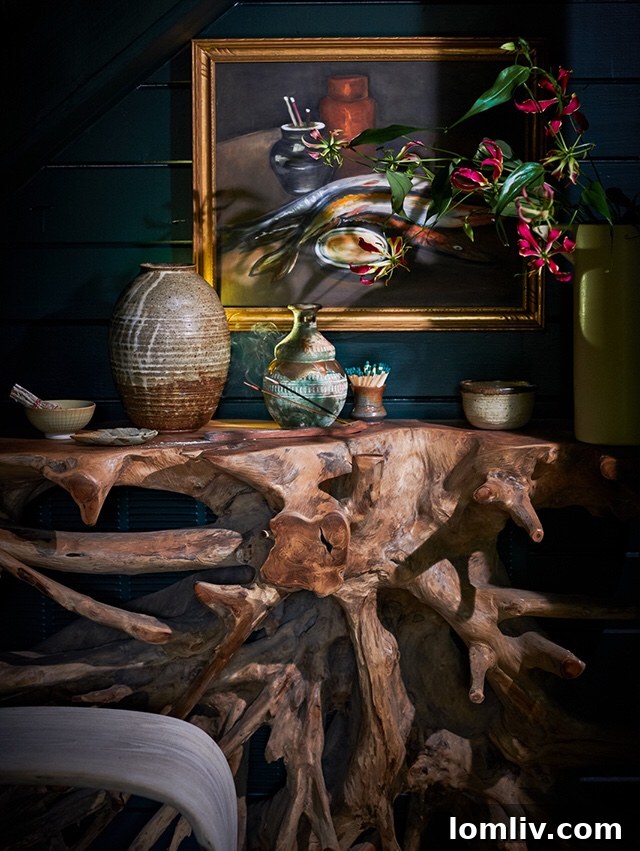
However, it’s crucial not to discount the power of the small moments. While many designers initially focus on capturing the “bigger-picture elements” of a room, stylist Colin King highlights a common oversight: “But I think there’s an intimacy created in the smaller moments that a lot of times will be overlooked. Those are really important to capture on set as well.” These intimate vignettes—a styled bookshelf, a textural detail on a sofa, a collection of objects on a console—create a sense of warmth, personality, and human connection. They reveal the meticulous curation and thoughtful touches that define a truly well-designed space. A balanced approach ensures that your photography not only showcases the grandeur of a space but also celebrates its intricate beauty and unique character.
The Golden Rule: Playing Up a Home’s Natural Light
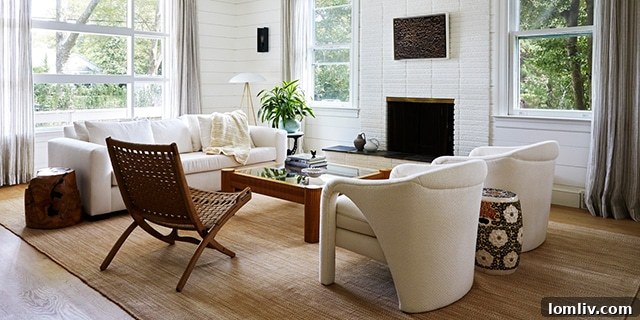
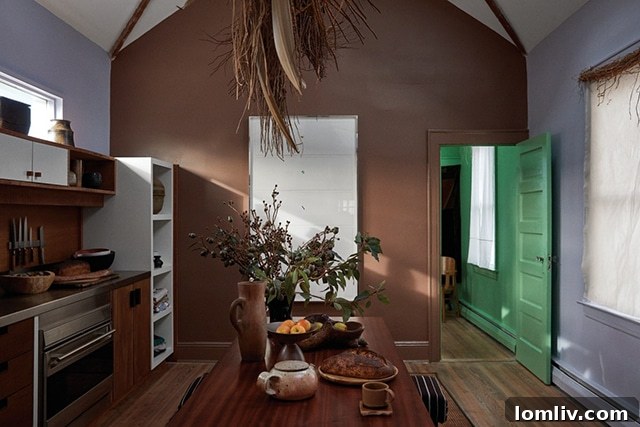
In interior photography, natural light is often the most powerful and flattering tool at a photographer’s disposal. “There’s nothing better than soft window light,” affirms Elizabeth Lavin. “It gives a space life. You don’t even necessarily have to see the window itself to appreciate its effect.” Natural light adds depth, dimension, and a sense of authenticity that artificial lighting often struggles to replicate. It beautifully highlights textures, accentuates colors, and creates a welcoming, airy atmosphere.
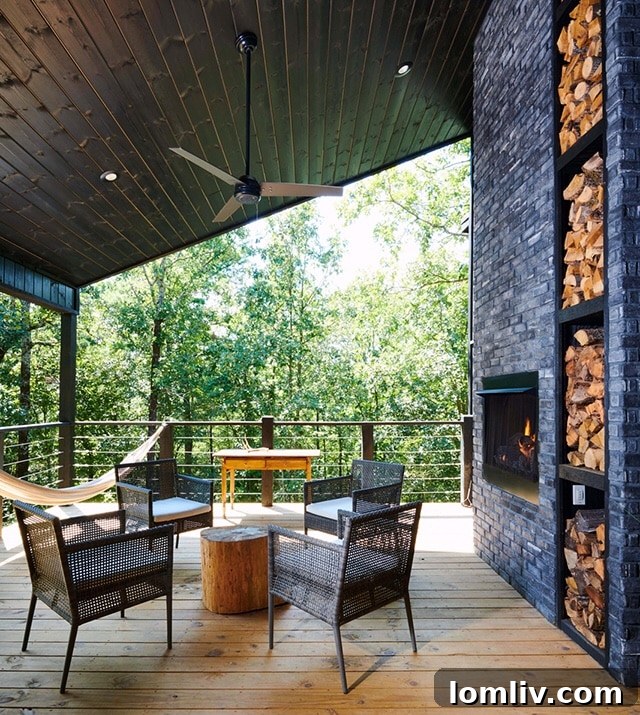
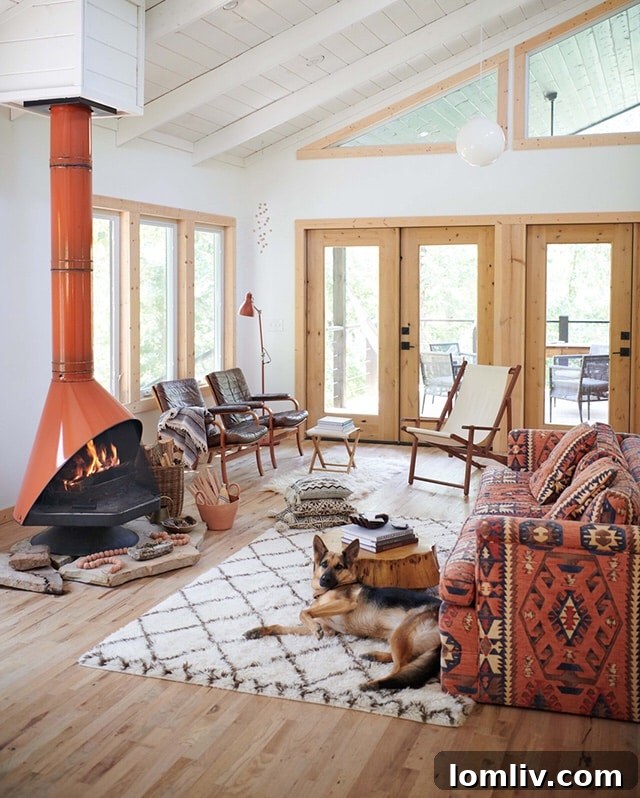
A crucial aspect of working with natural light is observing how it behaves throughout the day. Photographer Alanna Hale advises, “Slowing down and observing and watching the light is also a really big component of interior photography.” The quality, direction, and intensity of light change dramatically from morning to evening, offering different moods and opportunities. A professional photographer will strategically plan the shoot schedule to capitalize on the best natural light conditions for each room.
Crucially, Elizabeth Lavin recommends against shooting with interior lights on, or if they must be used, dimming them to their absolute lowest setting. Artificial light, especially overhead fixtures, can cast harsh shadows, create unflattering color casts, and flatten the image. “Flooding a room with natural light is always the best alternative,” she concludes. By prioritizing natural light, photographers can create images that are bright, inviting, and truly reflective of the space’s inherent beauty.
Strategic Imaging: Why One Shoot Won’t Work for Everything
A common misconception is that a single set of photographs can serve every marketing and branding need. In reality, effective interior photography is highly strategic and purpose-driven. It’s vital to determine in advance how you intend to use the images: for your professional portfolio, editorial pitches to magazines, website content, social media campaigns, or client presentations, among others.
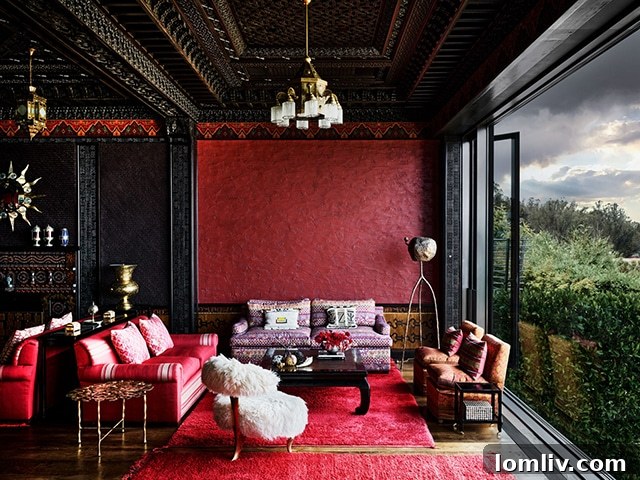
As Mieke ten Have explains, “Styling for portfolio pictures is different from styling for more editorial photographs. There’s a real distinction between cataloging a room and capturing the essence of a room.”
- Portfolio Images: These often require a comprehensive overview, showcasing a designer’s range, attention to detail, and problem-solving skills across various spaces. They might include wider shots and more detailed close-ups to demonstrate mastery.
- Editorial Pitches: For magazine features, images need to be highly narrative, aspirational, and often follow a specific story angle. The styling might be more curated and artistic, designed to evoke a particular mood or highlight a unique design philosophy.
- Website & Marketing Materials: These images should be high-impact, engaging, and instantly communicate your brand’s aesthetic. They need to grab attention quickly and encourage further exploration.
- Social Media Content: Often requires a mix of inspiring, scroll-stopping visuals that are easily consumable, potentially in various formats (e.g., vertical for Instagram Stories).
Understanding these distinctions enables the photography team to tailor the styling, shot list, and even post-production to maximize the impact for each specific application. A multi-faceted approach ensures that your investment in photography yields targeted, effective results across all your communication channels.
The Enduring Value: Why Professional Interior Photography is a Strategic Asset
For interior designers, architects, and homebuilders, professional interior photography is far more than a visual record; it’s a strategic asset that profoundly impacts business growth and brand perception. High-quality imagery serves as the cornerstone of your marketing efforts, speaking volumes about the caliber of your work without uttering a single word.
Investing in exceptional photography helps you:
- Attract Premium Clients: Stunning visuals instantly convey professionalism, sophistication, and a keen eye for design, drawing in clients who value quality and are willing to invest accordingly.
- Elevate Brand Perception: A cohesive, high-quality visual portfolio solidifies your brand’s identity and positions you as a leader in your field. It differentiates you from competitors and establishes trust.
- Secure Media Features: Editorial-grade images are essential for pitching your projects to magazines, online publications, and design blogs. Without professional photography, securing coveted media coverage is nearly impossible.
- Enhance Online Presence: In today’s digital world, your website and social media channels are often the first points of contact. Beautiful images ensure a memorable first impression and encourage deeper engagement.
- Build a Lasting Legacy: Professional photographs become a timeless archive of your achievements, showcasing your evolution as a designer or architect and serving as a powerful testament to your creative vision for years to come.
Ultimately, the cost of professional photography pales in comparison to the long-term returns it generates in terms of client acquisition, brand recognition, and a distinguished professional legacy. It’s an investment in your future, ensuring your exceptional work is seen and celebrated in the best possible light.