Sponsored By
Masonite, one of the world’s leading manufacturers of interior doors, entry doors, french doors, glass doors, and steel doors, is dedicated to helping you find the perfect door for every project.
Created By
Unlocking Design Potential: A Guide to Effortless Door Selection
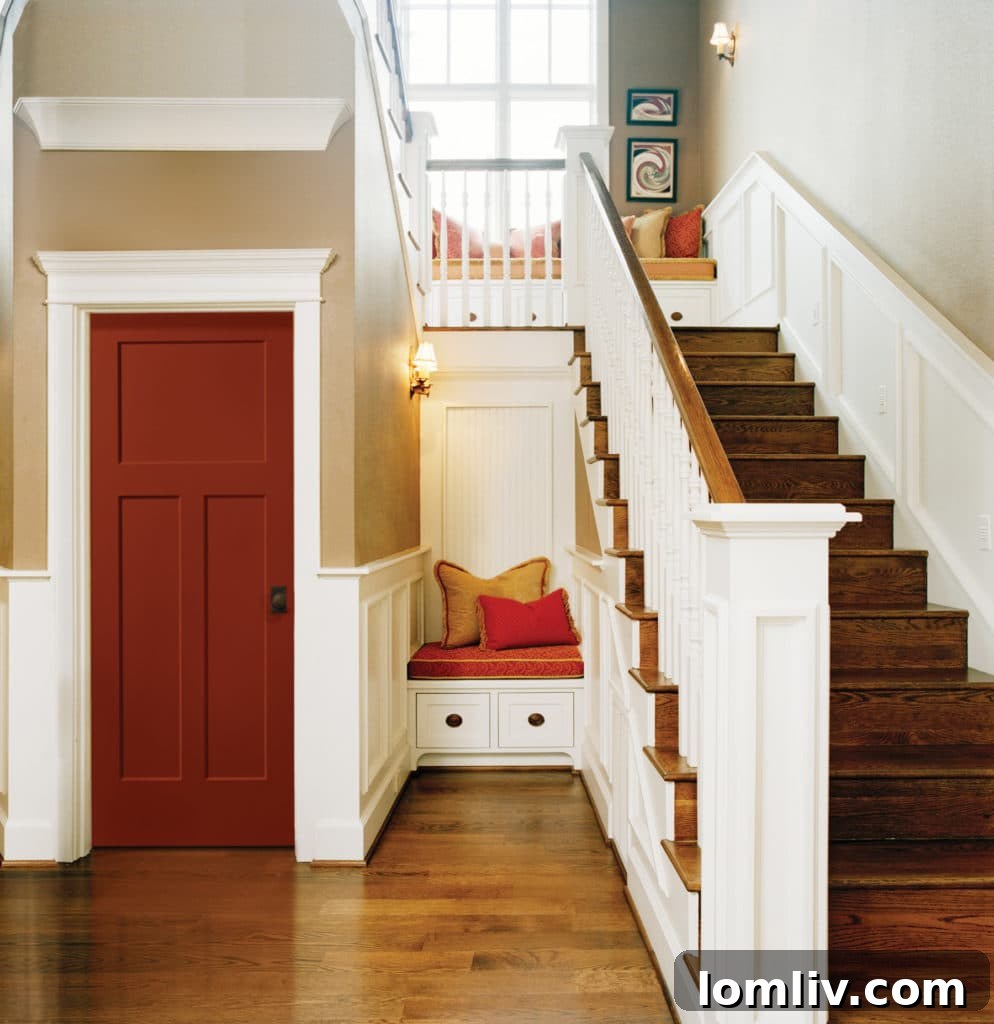
“The door is like the cover of a book,” aptly states Dallas interior designer Barbara Gilbert. “It should attract people so they want to open it.” This insightful metaphor perfectly captures the often-underestimated significance of doors in any architectural or interior design project. More than just functional barriers, doors are pivotal elements that define character, create first impressions, and play an integral role in the overall aesthetic and functionality of a space.
Doors are uniquely important architectural features because we interact with them every single day. From the grand entrance that welcomes guests to the subtle interior doors that offer privacy and define living zones, each door contributes to the home’s narrative. Yet, navigating the vast array of options – from materials and styles to technical specifications and finishes – can be a daunting task for homeowners and design professionals alike. The challenge lies in harmonizing aesthetic desires with practical necessities, ensuring durability, security, and seamless integration into the home’s existing style.
Recognizing this complexity, Masonite, a global leader in door manufacturing, has developed an invaluable resource to simplify the process. Their complimentary guide, An Inside Look at Consumer Door Buying, serves as an essential tool for builders, designers, and homeowners. This comprehensive report is designed to save time, reduce frustration, and empower professionals to guide their clients toward informed decisions.
In this article, drawing from Masonite’s expert insights, we’ll explore three fundamental tips for navigating the door selection journey. These strategies are crafted to streamline the process, making it more enjoyable and efficient for everyone involved, ultimately leading to doors that are not just chosen, but truly loved.
1. Streamlining Choices: Navigating the Door Selection Maze with Expert Guidance
The digital age, while offering unparalleled access to information, often leads to an overwhelming paradox of choice. Most homeowners begin their quest for the perfect door online, only to be quickly submerged in an endless sea of brands, styles, and technical specifications. Comparing products effectively, often described as comparing “apples to apples,” becomes a formidable task across various websites, many of which are dense with confusing technical jargon such as U-factors, R-values, STC ratings, and complex jamb configurations. Consumers primarily prioritize four critical details—color, size, style, and price—yet this crucial information can be surprisingly elusive in the online landscape.
This is where the expertise of a professional becomes indispensable. As a designer or builder, your role is to act as a curator, helping clients sift through the vast options. Begin by narrowing down the selection to doors that inherently meet the client’s fundamental technical and functional needs. This initial filtering process saves immense time and prevents aesthetic decisions from being made on impractical foundations. Consider the following key technical aspects:
- Durability and Material: For exterior doors, discuss material options like robust steel, classic fiberglass, or natural wood, considering their resistance to dents, scratches, and weathering. For interior doors, evaluate the daily wear and tear.
- Structure and Performance: Determine if solid core doors are preferred for their superior noise control and substantial feel, especially for bedrooms, home offices, or media rooms, contrasting them with lighter, more economical hollow core options.
- Fire Resistance: Address any building code requirements for fire-rated doors, particularly for specific residential areas or multi-family dwellings, ensuring safety compliance without compromising design.
- Weather Resistance and Energy Efficiency: Crucial for front and patio doors, discuss features like advanced weatherstripping, low-emissivity glass, and thermal breaks that contribute to energy savings and comfort by preventing drafts and heat loss/gain.
- Security: Especially for entry doors, review locking mechanisms, frame reinforcement, and material strength to ensure peace of mind.
- Maintenance: Guide clients on the upkeep required for different finishes and materials. For example, certain wood doors may require more frequent staining or painting compared to low-maintenance fiberglass options.
Once these technical and functional prerequisites are satisfied, clients are liberated to focus on the enjoyable aspects: aesthetics. With the structural and performance decisions firmly in place, they can confidently dive into selecting the finishes, colors, and styles that truly resonate with their vision for the home. This systematic approach ensures that the chosen door is not only beautiful but also perfectly suited to its purpose and environment, aligning seamlessly with their lifestyle and the architectural integrity of the property.
2. The Power of Tangible Experience: Showcasing Products Beyond the Screen
In an increasingly digital world, the importance of physical interaction with a product remains paramount, especially when it comes to significant home investments like doors. Buyers often express a strong desire to touch, feel, and see doors up close. This sensory experience is critical because determining a door’s true “feel,” quality, and craftsmanship is remarkably difficult from mere pictures alone. Clients want to meticulously inspect the intricate details, assess the texture of the material, and physically experience how a door operates – its weight, the smoothness of its swing, and the satisfying sound of it closing. These subtle tactile and auditory cues contribute significantly to their perception of quality and value.
To truly elevate the client experience, prioritize opportunities for direct physical engagement with the products. When feasible, create immersive environments where clients can interact with real doors. Consider:
- Dedicated Showroom or Office Displays: Keep a curated selection of best-selling or diverse door types readily available in your office or a dedicated showroom. This allows clients to open and close them, feel the hardware, and appreciate the finishes.
- Realistic Mock-ups: If a full showroom isn’t practical, create a “fake wall” or modular display system where several doors can be mounted and fully operational. This simulates how the door will function within a home environment, providing a much clearer understanding than a standalone slab.
- Site Visits: Where appropriate and possible, arrange visits to completed projects where specific doors have been installed. Seeing a door in a real-world setting, integrated into a complete design, can be incredibly persuasive and inspiring.
However, when physical samples are not logistically possible, leverage the power of compelling visual storytelling. High-quality visuals can bridge the gap between a static image and an immersive experience:
- High-Resolution Images and Videos: Invest in professional photography that includes detailed close-up shots of the door’s texture, hardware, joinery, and finish. Accompany these with high-definition videos demonstrating the door opening, closing, and its features in action.
- Lifestyle Photography: Present doors within realistic home environments. Show them integrated into beautifully designed rooms, illustrating how they complement different decor styles and enhance the overall ambiance. This helps clients visualize the door in their own space.
- 3D Renderings and Virtual Tours: Utilize advanced visualization tools to create 3D renderings or even virtual tours where clients can “walk through” a space with their chosen doors. Some platforms even offer augmented reality (AR) features, allowing clients to virtually place doors in their actual homes using a smartphone or tablet.
- Swatches and Material Samples: Even if a full door isn’t available, providing samples of the finish, material swatches, and hardware options can offer valuable tactile information and help clients make more confident decisions about color and texture.
By offering these tangible and visually rich experiences, you transform the door selection process from a theoretical exercise into an engaging and confident decision-making journey, significantly enhancing client satisfaction.
3. Guiding with Authority: Leveraging Trends, Testimonials, and Tailored Recommendations
In today’s design-conscious world, homeowners are not just looking for a functional door; they seek a statement piece that reflects current trends and stands the test of time. Buyers value insight into the latest design movements, coupled with authentic feedback and personal recommendations from trusted sources. As a design professional, your role extends beyond technical guidance to being a trusted advisor on style, brand reputation, and real-world performance.
Empower your clients by sharing valuable perspectives on door styles, brands, and emerging trends:
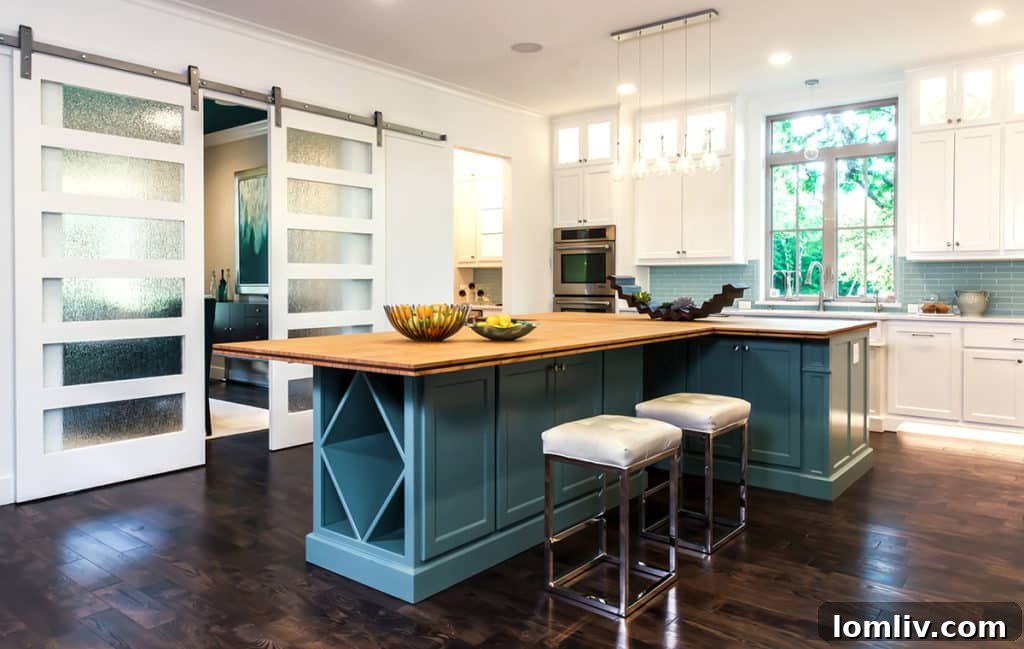
- Stay Current on Design Trends: Regularly research and identify prevailing door design trends. Is it the rise of minimalist flush doors, the enduring popularity of modern farmhouse styles with barn doors, the elegance of French doors, or the bold statement of oversized pivot doors? Discuss popular finishes like matte black hardware, natural wood tones, or unique paint colors. Explain how these trends can enhance a home’s aesthetic and even impact resale value, offering a blend of contemporary appeal and timeless elegance.
- Leverage Social Proof and Testimonials: People inherently trust the experiences of others. Share anonymized stories or direct testimonials from other clients, friends, neighbors, or contractors who have installed specific door brands or styles. For instance, you might share how “Client A found this fiberglass entry door offered exceptional durability in harsh weather,” or “Contractor B highly recommends this interior door for its ease of installation and sound-dampening qualities.” This social proof builds confidence and helps clients visualize themselves benefiting from similar choices.
- Provide Personalized Recommendations: Beyond general trends, tailor your advice to each client’s specific needs, lifestyle, and architectural context. For example, recommend a specific solid core door for a busy family needing extra noise insulation, or an energy-efficient fiberglass door for a homeowner concerned with utility costs. Explain *why* a particular door suits their project and budget, demonstrating your deep understanding of their unique requirements.
- Utilize Manufacturer Resources: Leading manufacturers like Masonite are excellent sources for design inspiration and practical information. Direct your clients to curated sections on their website, such as Masonite’s GoBeyondTheDoor.com, which is frequently updated with popular designs, style guides, and practical tips. This not only reinforces your recommendations but also empowers clients to explore options independently within a trusted framework.
By combining your professional expertise with insights into current trends, credible testimonials, and personalized recommendations, you cultivate trust and significantly assist clients in making confident, informed decisions. This holistic approach ensures they choose doors that not only meet their functional needs but also resonate with their aesthetic vision and contribute positively to their living environment.
Beyond the Threshold: Empowering Your Door Selection Process with Masonite
Choosing the right doors for a home or project doesn’t have to be a source of stress. By thoughtfully streamlining choices, offering tangible experiences, and providing expert guidance rooted in trends and real-world feedback, design professionals can transform this complex task into an engaging and successful endeavor for their clients.
Masonite is committed to supporting professionals and homeowners every step of the way. To deepen your understanding of consumer preferences and simplify your selection process, we highly recommend downloading their free consumer insights report today: An Inside Look at Consumer Door Buying. This report offers invaluable data and strategies to enhance your client consultations and decision-making.
Additionally, for a wealth of expert tips, design inspiration, and comprehensive information about finding the perfect door, explore Masonite’s dedicated online resource: GoBeyondTheDoor.com. This platform is a treasure trove of helpful articles, interactive tools, and visual guides tailored for both you and your clients.
When it comes to elevating interior design and architectural projects through superior door solutions, Masonite stands as a trusted partner. Learn how their innovative products and extensive resources can facilitate your selection process, helping you and your clients find doors that are not only functional and durable but also truly loved for years to come. Step beyond the ordinary and discover the difference the right door can make.