Navigating the Digital Frontier: A Comprehensive Guide to E-Signatures in Real Estate
The real estate industry, once heavily reliant on stacks of paper and in-person meetings, has undergone a profound digital transformation. Over many years, technology has steadily integrated into nearly every facet of property transactions, from virtual tours to online listings. Today, more than ever, the seamless execution of contracts through electronic signatures has become a cornerstone of modern real estate, offering unparalleled efficiency and convenience for both buyers and sellers.
The widespread adoption of digitally signed real estate contracts gained significant momentum approximately 15 to 20 years ago, propelled by pivotal legislative changes. Landmark laws, such as the Electronic Signatures in Global and National Commerce Act (ESIGN Act) in the United States, along with the Uniform Electronic Transactions Act (UETA) adopted by most U.S. states, established a crucial legal framework. These statutes emphatically affirm that electronic signatures and digital records possess the same legal validity and enforceability as their traditional ink-and-paper counterparts. By 2020, e-signing documents had transitioned from a niche convenience to a mainstream, indispensable practice across various sectors, especially within the fast-paced world of real estate.
While the allure of digital convenience is strong, it’s paramount for all parties involved in real estate transactions to approach e-signing with the same diligence and understanding they would a traditional paper contract. Before you commit to the virtual dotted line, it is crucial to understand the implications and follow these important suggestions to protect your interests and ensure a smooth transaction.
The Power of Your Digital Pen: E-Signatures Are Legally Binding
It’s vital to grasp a fundamental truth: electronically signed contracts carry the full weight of the law, just like a document meticulously signed by hand with a pen. This isn’t merely a convenience; it’s a legally binding agreement that obligates you to its terms and conditions. Therefore, you must treat an e-signed document with the utmost seriousness and respect, precisely as you would any critical legal document that impacts your financial future and property ownership.
The underlying technology for e-signatures ensures authenticity and non-repudiation through advanced encryption, digital certificates, and secure audit trails. These elements establish a robust chain of evidence, making it difficult for a signer to later claim they didn’t sign the document or that the document was altered after their signature. This legal equivalence is the foundation upon which the entire digital real estate ecosystem operates, making it trustworthy and efficient.
Essential Best Practices Before You Click ‘Sign’
The speed and ease of electronic signing are undeniable advantages, but they also present a potential pitfall: the temptation to rush. Protecting your investment and ensuring clarity requires a proactive approach. Here are critical best practices to adopt before finalizing any real estate contract digitally:
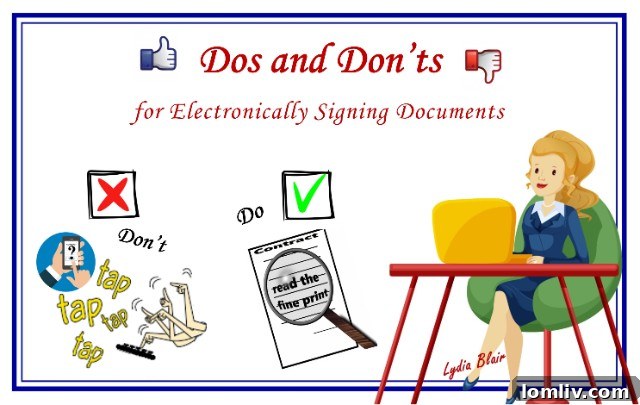
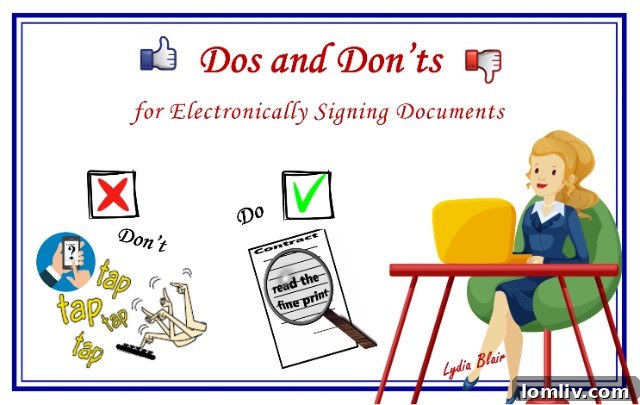
DON’T Sign Too Quickly: The Peril of Hasty Decisions
One of the most appealing aspects of electronically signing documents is its speed and simplicity. A few clicks, and the deal is done. However, this convenience should never be mistaken for a race. Rushing through a document, especially one as significant as a real estate contract, can lead to costly oversights. Phrases like “But I didn’t see that” or “I wasn’t aware of that clause” are rarely accepted as valid excuses in legal disputes, particularly when clear review mechanisms are in place. All electronically presented documents must comply with legal requirements designed to enable the signer to thoroughly view, scroll through, and read the entire document prior to affixing their signature. Take advantage of this opportunity. Give yourself ample time to absorb every detail.
DO Read the Entire Document: Diligence is Your Best Defense
There’s a significant difference between merely viewing a document and truly reading it. Scrolling through pages or quickly glancing at sections is not enough. You must meticulously read every single clause, paragraph, and footnote. Overlooking a critical checked box regarding a property survey, financing contingencies, escrow deadlines, specific disclosures, or even minor addendums could cost you substantial sums of money, delay the transaction, or create significant legal headaches down the line. A real estate contract is a detailed roadmap of your agreement; ensure you understand every turn and destination before proceeding.
DON’T Rely on Verbal Requests: Ensure All Agreements Are in Writing
Verbal agreements, while they may seem friendly and straightforward in conversation, are generally not legally binding in real estate transactions. Many jurisdictions, including states like Texas, adhere to the Statute of Frauds, which mandates that real estate contracts must be in writing to be enforceable. If you discussed a specific term with your agent or the other party – such as the seller providing a home warranty, particular repairs being completed, or certain fixtures (like the dining room chandelier) being explicitly excluded or included in the sale – it absolutely must appear in writing within the contract itself or an official addendum. Never assume that a verbal promise will automatically materialize in the final document. Review the contract carefully to confirm that all agreed-upon terms are accurately reflected. If it’s not written, it essentially doesn’t exist from a legal standpoint.
DO Keep a Copy (Electronically or Printed) of All Signed Documents
While many of us champion paperless operations to conserve resources, the magnitude of your real estate investment necessitates careful record-keeping. It is astonishing how often a buyer or seller lacks a personal copy of the contract they signed until someone, often their agent, provides it days or weeks after the fact. Immediately after signing, ensure you receive and securely store a copy of every document. Whether you save it as a PDF on a cloud service, an external drive, or print a physical copy for your records, having immediate access to your executed contract is critical for reference, dispute resolution, and managing subsequent steps in the transaction.
DO Track, Save, and Label All Signed Documents: The Audit Trail
Real estate negotiations are often an iterative process. A contract may go back and forth multiple times between parties, undergoing revisions and redlines before a final agreement is reached. The changes, even if seemingly slight, can carry significant legal and financial implications. To avoid misunderstandings, always keep a clearly labeled copy of the *last* document you signed, as well as any previous versions if they are relevant to the negotiation history. Unlike paper documents, which can theoretically be altered undetected after signing, electronically signed contracts create a robust audit trail, including timestamps, IP addresses, and unique digital identifiers, providing undeniable proof of when and by whom a document was signed. This audit trail is invaluable if any dispute arises concerning the integrity or version of the document.
DON’T Blame Your Agent or Anyone Else: Personal Responsibility for Your Signature
Your agent serves as a facilitator, guiding you through the process and presenting documents, but they are not your legal counsel. Ultimately, affixing your electronic signature to a document signifies your agreement to its terms and your understanding of its content. If you sign a document electronically and later claim it isn’t what you intended or that you didn’t understand it, the responsibility rests primarily with you. It is crucial to read and comprehend every detail *before* signing. If any terms, conditions, or clauses are unclear, or if you have any reservations, do not rush into signing. Ask questions, seek clarification from your agent, or, if necessary, consult with a legal professional before you make any commitment. Your digital signature carries the same weight as your personal commitment.
The Technology Behind the Signature: Security and Verification
Today’s advanced technology options make the process of digitally signing most documents not only quick and easy but also highly secure. Modern e-signature platforms leverage sophisticated cryptographic techniques to ensure the integrity and authenticity of each signature. These processes typically include:
- Authentication: Verifying the identity of the signer through methods such as email verification, secure login credentials, or multi-factor authentication.
- Encryption: Protecting the document and signature data during transmission and storage, preventing unauthorized access or alteration.
- Digital Certificates: Binding the signer’s identity to their signature through a trusted third-party certificate authority, ensuring non-repudiation.
- Audit Trails: Creating a detailed record of every action taken on the document, including timestamps, IP addresses, and user information, which serves as irrefutable legal evidence.
These robust mechanisms collectively make the authentication and verification of signers safe, sophisticated, and legally defensible, ensuring that your digital signature is as secure, if not more secure, than its traditional counterpart.
E-Signatures: An Option, Not a Mandate
While real estate contracts can be executed completely electronically, it’s important to remember that the use of e-signatures remains optional for most transactions. If you find yourself uncomfortable with the idea of electronically signing a contract, or if you prefer the tangible feel of paper, the traditional process of using ink and paper is still a perfectly valid and legally recognized method. Your agent can facilitate this process for you. The choice ultimately belongs to you, ensuring that you proceed with the method that provides you the most confidence and peace of mind in what is often one of the largest financial decisions of your life.
In conclusion, the digital revolution has undeniably streamlined real estate transactions, with e-signatures leading the charge for efficiency and convenience. However, this modern approach demands a heightened sense of vigilance and personal responsibility. By understanding the legal implications, taking the time to read every detail, ensuring all agreements are in writing, and meticulously managing your digital records, you can confidently navigate the world of electronically signed real estate contracts, safeguarding your interests and ensuring a successful property journey.