Your Voice, Your Vote: Unlocking the Power of Primary Elections
Today marks a pivotal moment in our democratic process: Election Day for both party primaries. If you haven’t yet cast your ballot, the opportunity still beckons, with several crucial hours remaining to make your voice heard. Across the state and within your local communities, a wide array of significant races are being decided. While some of these choices might seem minor at first glance, the cumulative impact of your participation carries far-reaching implications that directly shape the future of our governance and daily lives.
The importance of primary elections cannot be overstated. These aren’t just preliminary rounds; they are fundamental contests that determine which candidates will advance to represent their respective parties in the general election. By participating now, you actively contribute to selecting the pool of individuals who will ultimately vie for positions ranging from city council members and school board trustees to state legislators, judges, and even federal representatives. Your vote today is a powerful statement about the direction you believe your community and state should take.
What Are Primary Elections and Why Do They Matter So Much?
Primary elections serve as the initial stage in the electoral cycle, where registered voters select candidates from within their own political party to run for office in the upcoming general election. Unlike the general election, where candidates from different parties compete against each other, primaries are intra-party contests. This process ensures that each party fields a candidate who best represents its platform and the interests of its members, setting the stage for the broader electoral competition.
Understanding the distinction between open and closed primaries is also key. In a closed primary, only voters registered with a specific political party can vote in that party’s primary. An open primary, conversely, allows any registered voter to participate in any one party’s primary election, regardless of their own party affiliation. The rules governing primary elections vary significantly from state to state, making it essential for voters to be aware of their local regulations.
The stakes in primary elections are incredibly high. Often, voter turnout in primaries is considerably lower than in general elections. This means that each individual vote can carry a disproportionately greater weight, potentially swinging the outcome of a race that might be decided by just a handful of votes. A candidate who wins a primary election often gains significant momentum, resources, and recognition, putting them in a strong position for the general election. Therefore, deciding who gets to run in the general election is arguably one of the most impactful decisions voters can make.
The Critical Importance of Local and Statewide Races
While national politics often dominate headlines, the local and statewide races on your ballot today have a profound and immediate impact on your everyday life. These are the officials who make decisions directly affecting your commute, your children’s education, your property taxes, public safety, healthcare access, environmental regulations, and so much more. Ignoring these races means abdicating your influence over the policies and services that define your community.
- Local Elections: These include races for city council, county commissioners, school boards, and local judges. These officials decide budgets for schools, dictate zoning laws that shape neighborhood development, oversee local law enforcement, and manage public utilities. The quality of your local infrastructure, the safety of your streets, and the educational opportunities available to students are all directly influenced by these local leaders.
- Statewide Elections: These encompass roles such as Governor, State Senators, State Representatives, Attorney General, and various commissioners. State legislatures craft laws that govern everything from criminal justice and healthcare policy to environmental protections and business regulations. State officials also determine how federal funds are allocated within the state and represent the state’s interests on a national level.
The “wider-reaching implications” mentioned earlier refer to this very reality. A decision made by a local school board member you helped elect can influence curriculum standards for thousands of students. A state legislator you support could champion a bill that revolutionizes a key industry or protects vulnerable populations. These seemingly smaller races are the bedrock of our democratic system, and the cumulative effect of their outcomes shapes the entire political landscape, from the smallest town to the state capital.
Why Every Vote Resonates: Empowering Your Community
The sentiment that “my one vote doesn’t matter” is a common misconception, especially in primary elections. However, history is replete with examples of elections decided by incredibly slim margins – sometimes by just a single vote or a handful of votes. In primaries, where voter turnout can sometimes be as low as 10-20% of eligible voters, the power of each individual ballot is magnified exponentially. Your single vote is not just a drop in the ocean; it’s a vital component that can tip the scales.
Voting is more than just a right; it’s a fundamental responsibility in a functioning democracy. It’s an opportunity to hold elected officials accountable, to advocate for policies you believe in, and to ensure that your community’s diverse voices are represented. When you vote, you contribute to a collective decision-making process that guides public policy and defines the values of your society. Each ballot cast strengthens the legitimacy of our electoral system and encourages greater civic participation.
Beyond the immediate outcome of a specific race, your vote sends a message. It signals to candidates, political parties, and other voters that you are engaged and that you care about the direction of your community and state. High voter turnout, even in primaries, can encourage more diverse candidates to run, lead to more responsive governance, and foster a healthier, more representative democracy. Don’t underestimate the ripple effect of your decision to participate today.
Your Guide to Election Day: Making Your Voice Heard
Making your vote count today is simpler than you might think. Most polling locations are open for a significant portion of the day, typically from early morning into the evening. Be sure to verify the specific polling hours for your jurisdiction, as these can vary. It’s always a good idea to plan your visit to the polls well in advance of closing time to avoid any last-minute rushes or unforeseen delays.
Before heading out, ensure you have the necessary identification, as required by your state’s election laws. Acceptable forms of ID often include a driver’s license, state ID card, passport, or other government-issued identification. If you are unsure about the ID requirements or your polling location, official election websites for your county or state are invaluable resources. These sites typically offer a “voter lookup” tool where you can enter your address to find your assigned precinct and polling place, along with sample ballots to review before you arrive.
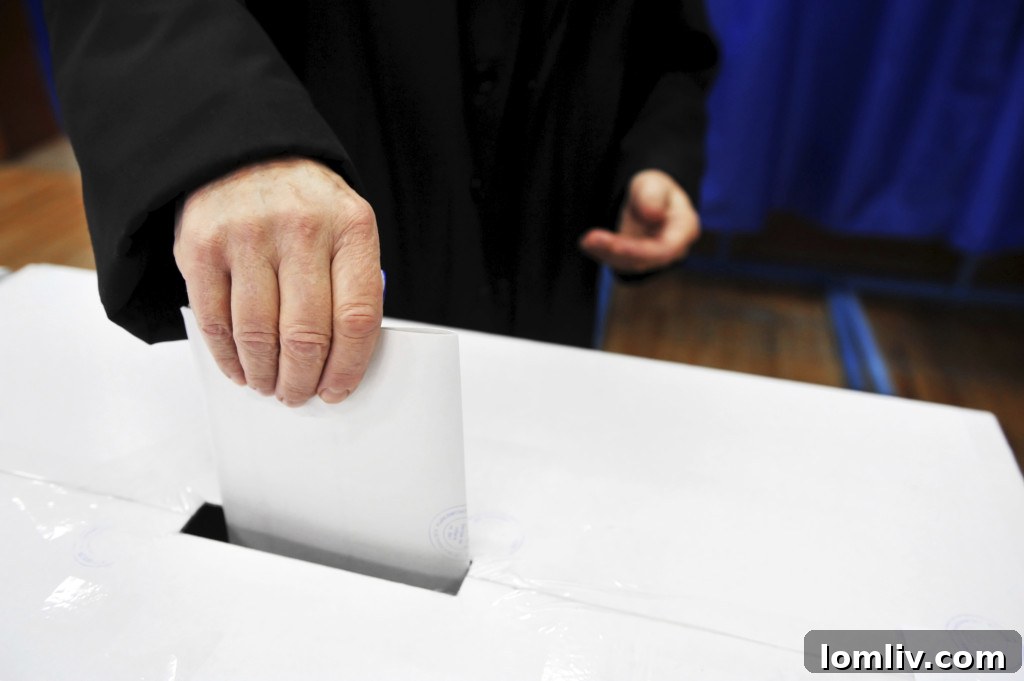
Upon arrival at your polling place, poll workers will be on hand to assist you. They will verify your registration and provide you with a ballot. Take your time in the voting booth to carefully read all instructions and review your selections before finalizing your vote. If you encounter any issues or have questions while at the polls, do not hesitate to ask a poll worker for assistance. Remember, your right to vote is protected, and help is available to ensure a smooth and fair process.
Beyond the Ballot Box: What Happens Next?
Once the polls close, the next phase of Election Day begins: the tabulation of votes and the reporting of results. This can be an exciting and sometimes lengthy process, as election officials meticulously count ballots from precincts across the state. Initial returns often start coming in shortly after polls close, offering early glimpses into potential outcomes, but patience is key, as final results may not be available until much later in the evening or even the following day, especially in close races.
We understand the eagerness to stay informed as results unfold. For real-time updates and lively discussions on the returns, we invite you to join us over on our Facebook page beginning at 7 p.m. Our team will be providing ongoing commentary and insights as the numbers come in. Following the initial wave of results and once winners begin to look firm, we will publish a comprehensive write-up later this evening, offering a detailed analysis of the outcomes and their potential implications.
For those who prefer to engage outside of social media, or perhaps don’t have a Facebook account, we strongly encourage you to stay involved by commenting directly on this post. Share your observations from the day, your reactions to the returns as they emerge, or any thoughts you have on the electoral process. Your perspectives enrich the public discourse and contribute to a deeper understanding of these critical elections.
Engaging with the Results and the Future of Democracy
The moment the ballots are cast and the votes tallied is not the end of your civic duty, but rather a continuation of your engagement with the democratic process. Staying informed about the election results and understanding what they mean for your community is paramount. Beyond simply knowing who won, it’s about comprehending the mandates given to these elected officials, the shifts in political power, and the potential policy directions that will follow.
Reliable news sources, official election commission websites, and reputable non-partisan organizations are excellent places to follow election results and analyses. Be wary of misinformation and seek out multiple credible sources to get a well-rounded picture of the outcomes. Discussion platforms, whether online or in local community groups, offer spaces to share insights, debate implications, and connect with fellow citizens who are also invested in the future of their shared governance.
Remember, democracy is not a spectator sport; it requires active participation. Engaging with the results means holding elected officials accountable for their campaign promises, participating in local government meetings, advocating for issues you care about, and staying informed about upcoming legislative actions. Your involvement extends far beyond Election Day, influencing the quality of representation and the effectiveness of governance throughout the entire term of office.
Conclusion: Your Enduring Impact on Tomorrow
Today is more than just another Election Day; it’s a profound opportunity for every eligible citizen to shape the contours of our future. By participating in these primary elections, especially in the often-overlooked local and statewide races, you are directly investing in the quality of your community, the effectiveness of your state government, and the strength of our democratic institutions. The choices made on these ballots will ripple through our society, influencing everything from economic development to social justice for years to come.
So, whether you’ve already voted or are preparing to head to the polls, remember the weight and consequence of your actions. Your vote is a powerful tool, a testament to your commitment to self-governance, and an indispensable element of a healthy republic. Cast your ballot, then take a moment to reflect on your civic contribution. Grab a glass of wine, tune into the discussions on social media, or engage with fellow citizens here in the comments. Let’s embrace this moment, celebrate our collective power, and ensure that our voices resonate not just today, but in the ongoing narrative of our democracy.