Uptown East Dallas Rises in Opposition Against Proposed Sam’s Club Development
A recent proposal to construct a new Sam’s Club warehouse store on a sprawling 17-acre parcel of land near Dallas’s vibrant Cityplace area has ignited a firestorm of debate and unified opposition among local residents. This strategic piece of real estate, once under the ownership of ACS, is now the subject of intense scrutiny after Trammell Crow Companies unveiled its intentions to develop the site. The community, especially those residing in District 2, has swiftly mobilized, voicing significant concerns about the potential impact of such a large-scale commercial development on their cherished neighborhood.
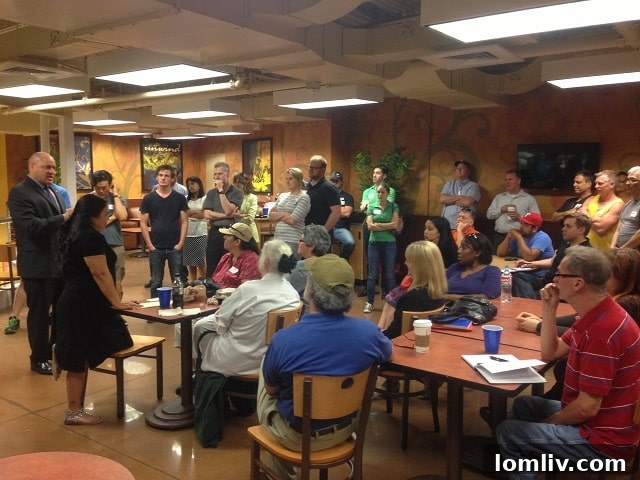
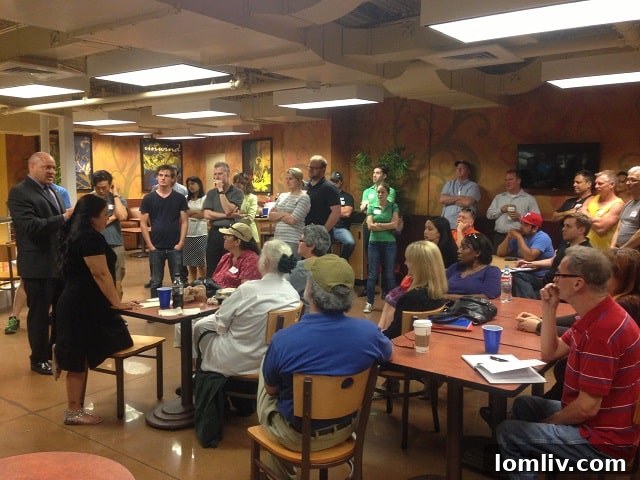
The initial news of Trammell Crow’s plan to introduce another Sam’s Club to this prime Uptown East location, a notion first reported just this week, quickly galvanized residents. Tonight’s community meeting served as a powerful testament to the collective determination of local homeowners and various neighborhood organizations. Attended by approximately 100 individuals, many representing homeowner associations and active crimewatch groups, the gathering underscored the widespread unease. These groups, who were first engaged by Trammell Crow regarding this project last year, are now at the forefront of the movement to halt the development, highlighting a unified front against what they perceive as an unwelcome intrusion.
The Controversial Proposal: A Warehouse Store in Uptown East’s Heart
The 17-acre site in question holds significant value and potential for future urban development, making Trammell Crow Companies’ proposal for a Sam’s Club particularly contentious. Uptown East, an area known for its distinctive blend of residential charm, local businesses, and convenient access to downtown Dallas, finds itself facing a proposal that many believe is out of sync with its evolving character. Residents and community leaders are questioning the suitability of a massive warehouse retail outlet, often associated with high traffic volumes and large parking lots, within such an established and increasingly upscale urban environment. The prospect of “another friggin’ Sam’s Club,” as one local put it, speaks volumes about the existing retail landscape and the community’s desire for more thoughtful, integrated development solutions.
This parcel of land, strategically positioned near Cityplace, has long been eyed for development that could enhance the quality of life for surrounding neighborhoods. Instead, the current proposal suggests a direction that could fundamentally alter the area’s fabric. The conversation extends beyond mere retail preference, delving into profound questions about urban planning, sustainable growth, and the preservation of neighborhood identity. The sheer scale of a Sam’s Club facility – with its extensive footprint, delivery truck traffic, and increased customer flow – poses significant logistical and environmental challenges that residents are eager to address before any groundbreaking takes place.
Community United: Voices Against the Warehouse Giant
The recent community meeting, described as both calm and highly informative by attendees, provided a crucial platform for residents to articulate their concerns and coordinate future actions. City Councilman Adam Medrano, seen engaging with the community in a crisp suit, underscored the seriousness with which local officials are approaching this issue. The presence of such a large contingent of District 2 residents, including individuals reportedly filling the room to capacity and overflowing down the stairs, sent a clear message to both the developer and the city council: this is not a decision that will be made without vigorous public input.
During the meeting, an insightful observation from a former planning commission staffer added another layer of complexity to the debate. This expert pointed out a significant disconnect between the architectural renderings presented for the proposed development and the actual building characteristics that would likely emerge. Such discrepancies often fuel public distrust, suggesting that the true visual and functional impact of the project might be downplayed in preliminary presentations. Residents are concerned that what appears aesthetically pleasing on paper might translate into a less desirable, more imposing structure that clashes with the existing architectural styles and urban rhythm of Uptown East. This highlights a common tension in urban development: the gap between initial visions and final realities.
Impact on DART: A Multi-Billion Dollar Investment at Risk?
One of the most compelling arguments raised during the meeting concerned the potential repercussions for Dallas Area Rapid Transit (DART). An attorney present at the gathering strongly advocated for DART representatives to attend future discussions, urging them to explain how this large-scale commercial development could affect the region’s multi-billion dollar investment in public transportation. This is not merely an abstract concern; it touches upon critical infrastructure and the long-term vision for Dallas’s urban mobility. A Sam’s Club, by its nature, encourages car-dependent access, which could paradoxically lead to increased traffic congestion around DART stations and routes, undermining the very goal of public transit to reduce reliance on private vehicles.
The financial and environmental investment in DART is substantial, representing a commitment to sustainable urban growth and improved connectivity. Introducing a development that could exacerbate traffic problems, increase localized air pollution from vehicle emissions, and strain existing transportation networks without offering integrated public transit solutions, runs contrary to these long-term goals. Residents fear that increased vehicle traffic stemming from a Sam’s Club could create bottlenecks, delay buses and light rail, and generally degrade the efficiency and appeal of using DART in the area. This raises a fundamental question: how does a major retail development align with or detract from Dallas’s broader smart growth and public transportation strategies?
Addressing Wider Neighborhood Concerns: Traffic, Noise, and Property Values
Beyond the DART concern, the community has a litany of other apprehensions. Traffic congestion is a paramount issue. A Sam’s Club draws thousands of customers daily, coupled with large delivery trucks making frequent trips. The existing road infrastructure around Cityplace, while robust, may not be designed to handle such a concentrated surge in commercial traffic without significant strain. Increased traffic invariably leads to longer commute times, reduced pedestrian safety, and heightened noise pollution, especially for residential areas immediately adjacent to the proposed site.
Noise pollution, emanating from increased vehicle activity, truck deliveries, and general commercial operations, is another significant concern. Residents anticipate a marked decrease in their quality of life, transforming quiet evenings and weekends into periods of constant background din. Furthermore, the potential impact on property values is a significant worry for homeowners. The introduction of a large-format warehouse store, with its associated traffic and aesthetic characteristics, could negatively affect the desirability and market value of nearby residential properties. Homeowner associations are particularly vigilant on this front, understanding that their collective property values are intrinsically linked to the character and tranquility of the neighborhood.
The Path Forward: A Critical City Hall Vote Looms
As the community steel themselves for the next phase of this battle, the call to action is clear and urgent. Attendees of the meeting were strongly encouraged to appear at City Hall tomorrow, wearing red as a symbol of their solidarity and collective resolve. The primary objective is to secure a 30-day delay in any decision-making process related to the Sam’s Club proposal. This delay is crucial; it would provide residents, city planners, and relevant stakeholders additional time to thoroughly review the project, explore alternatives, conduct comprehensive impact studies, and engage in more in-depth dialogue with Trammell Crow Companies.
A 30-day reprieve would allow for further public forums, detailed analysis of traffic impact assessments, and a deeper dive into how the development aligns with Dallas’s current zoning ordinances and future urban development plans. It would also give the City Council a clearer picture of the depth and breadth of community opposition. Such a delay is seen not as an end in itself, but as a vital opportunity to ensure a more considered, transparent, and democratic decision-making process. The sentiment echoed throughout the community is that tomorrow promises to be a very long and critical day at Dallas City Hall, with the future of Uptown East hanging in the balance.
For those eager to follow the unfolding developments and stay informed about the crucial vote, continuous updates are being provided. Residents are encouraged to visit Jonas Park’s updates on the vote. The collective action and vigilance of the Uptown East community highlight a broader trend in urban areas where residents are increasingly asserting their right to shape the growth and development of their neighborhoods. The outcome of this dispute over the Sam’s Club proposal will not only impact Uptown East but could also set a precedent for how Dallas approaches future commercial developments within its dynamic urban landscape.
The ongoing dialogue between developers, residents, and city officials is a critical component of healthy urban governance. The strong showing of community members, the articulated concerns about DART, aesthetics, and overall quality of life, and the coordinated call for a delay all underscore the importance of citizen engagement in city planning. As Dallas continues to grow and evolve, these moments of collective advocacy become vital in ensuring that development serves the interests of all stakeholders, promoting growth that is both economically prosperous and harmoniously integrated into the existing community fabric.