By Deb R. Brimer
Contributing Writer
Nestled in the heart of Dallas, East Kessler Park stands as a testament to timeless beauty, combining a rich tapestry of storied historic homes with an abundance of natural splendor. This distinguished Dallas neighborhood is renowned for housing the city’s largest and most captivating collection of eclectic architecture. Beyond its diverse architectural landscape, East Kessler Park is also home to a true historical gem: The Rock Lodge, a residential patriarch that ranks among the oldest masonry structures in all of Dallas County. Its presence anchors the neighborhood in a profound sense of history, offering residents a unique connection to the foundational roots of Dallas itself. The tree-lined streets and rolling hills provide a picturesque backdrop, making East Kessler Park not just a place to live, but a truly immersive living experience that celebrates both heritage and natural grace. From its charming cottages to its grand estates, every corner of this community tells a story, making it a highly sought-after destination for those seeking an unparalleled residential experience in North Texas.
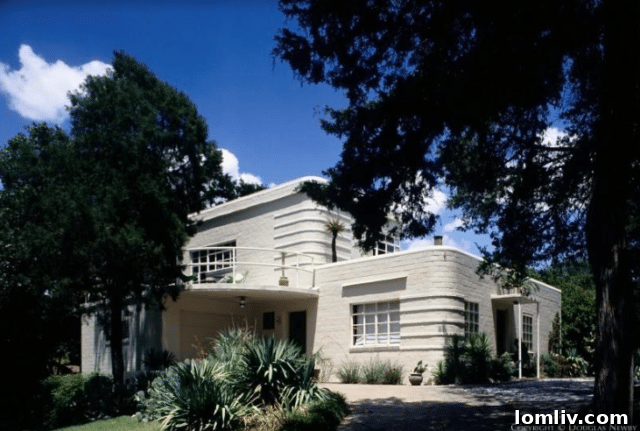
 What truly sets East Kessler Park apart from many of its North Oak Cliff counterparts bearing the Kessler name is its remarkable ability to span two distinct and significant historic architectural eras. While many neighborhoods tend to favor a single dominant style, East Kessler Park gracefully showcases a magnificent blend, primarily reflecting the charming and robust residential architecture of the late 1930s and ’40s. This period is beautifully represented by homes that exemplify classic craftsmanship and enduring design. Notable examples from this era include the city’s very first all-electric home, a pioneering structure built by Dallas Power & Light in 1936, which stood as a symbol of modernity and innovation for its time. Additionally, the neighborhood boasts the grand 1940 mansion once owned by the esteemed founder of Austin Industries, a residence that speaks volumes about the wealth and architectural ambition of early Dallas leaders. These homes contribute significantly to the neighborhood’s historic charm, preserving a tangible link to Dallas’s burgeoning past and its architectural evolution, making East Kessler Park a fascinating study in residential development.
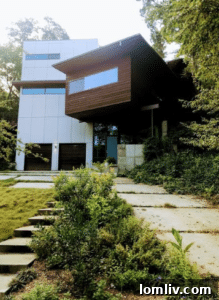
However, the architectural narrative of East Kessler Park does not conclude with the mid-century. Several pockets within this vibrant community also feature striking midcentury contemporary and even ultra-modern designs, creating a captivating visual dialogue between different periods. This unique blend is part of what gives the neighborhood its distinctive eclectic character. Among these later additions, one might discover a truly iconic 1950s home famously shaped like the state of Texas—a whimsical yet sophisticated piece of architecture that perfectly encapsulates the optimism and innovation of its era. Another architectural marvel is the former home and studio of AIA award-winning architect David Braden. This exceptional residence is discreetly tucked away amidst a serene wooded slope, enveloped by lush native greenery, offering a perfect harmony of design and nature. These diverse styles, from the solid and traditional to the sleek and avant-garde, coexist harmoniously within East Kessler Park, ensuring that every street offers a fresh and intriguing architectural experience. The commitment to preserving and celebrating this wide array of designs underscores the neighborhood’s unique identity as a living museum of Dallas residential architecture, appealing to a broad spectrum of tastes and preferences and solidifying its reputation as a premier destination for those who appreciate architectural excellence.
Despite the two prominent architectural faces of East Kessler Park, the venerable Rock Lodge stands as a monument that predates the very development of the neighborhood as we know it. Its origins are steeped in local legend, suggesting that construction on this remarkable house commenced sometime between 1850 and 1870. During those early days, The Rock Lodge served a vital role, acting as a significant stop along the historic Cedar Hill Stagecoach Trail, connecting early Dallas to burgeoning settlements further afield. This function highlights its importance in the nascent transportation network of North Texas, offering respite and provisions to travelers in a sparsely populated region. The very fabric of The Rock Lodge tells a story of local craftsmanship and resourcefulness; the distinctive limestone used for its robust walls was meticulously quarried right here in Oak Cliff, linking the structure intrinsically to the geological and historical landscape of the area. This deep connection to the land and its pioneering past makes The Rock Lodge not just an old building, but a living relic, providing a profound sense of continuity and heritage to East Kessler Park and serving as a constant reminder of the enduring spirit of early Dallas settlers. Its historical significance adds an invaluable layer to the neighborhood’s rich identity, attracting history enthusiasts and those who cherish the preservation of the past.
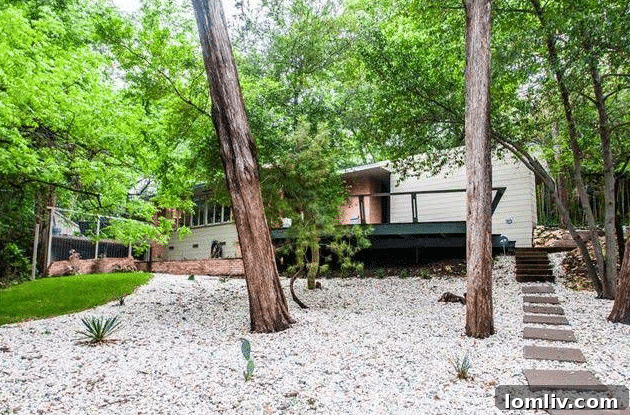
The architectural spectrum within East Kessler Park is truly exhaustive, showcasing an incredible range of styles that cater to diverse aesthetic preferences. Residents can find everything from the classic charm of Austin stone and the practical elegance of ranch-style homes to the sophisticated lines of Art Moderne. This wide array of designs ensures that the neighborhood’s streetscapes are perpetually interesting and varied. Furthermore, the homes themselves vary dramatically in size and scale, accommodating a broad demographic of homeowners. One can discover quaint, cozy cottages nestled among the trees, perfect for those seeking a more intimate living space. On the other end of the spectrum, the neighborhood boasts opulent, luxe multilevel mansions that offer expansive living areas and unparalleled amenities. Many of these grander residences are strategically built as hilltop dwellings, taking full advantage of the area’s unique topography to provide breathtaking views and a sense of elevated living. This incredible diversity in both style and size reinforces East Kessler Park’s reputation as one of Dallas’s most versatile and appealing residential communities, offering a home for every dream and every lifestyle within its historic bounds.
In a region where much of North Texas is characterized by its relatively flat landscape, the distinctive hilly topography of East Kessler Park truly sets it apart. This undulating terrain, featuring rolling hills and dramatic elevations, feels more indigenous to the scenic beauty typically found in Central Texas, offering a refreshing departure from the norm. The unique elevation not only adds to the aesthetic appeal but also provides incredible vantage points throughout the neighborhood. From many residences and public spaces, the glittering Downtown Dallas skyline looms majestically across the Trinity River, serving as a constant, breathtaking reminder that the vibrant urban core of the city is remarkably within walking distance or a short drive. This proximity offers the best of both worlds: convenient access to cultural attractions, dining, and employment opportunities, alongside the peaceful retreat of a residential haven. Further enhancing this tranquil balance is the presence of the Kessler Parkway Park and the picturesque Coombs Creek walking and bike trail, which gracefully meanders along the northern border. This green corridor acts as a vital natural separator, creating a serene buffer that effectively insulates the quiet, close-knit neighborhood from the hustle and bustle of city life, allowing residents to enjoy a lifestyle that harmoniously blends urban accessibility with natural tranquility and a strong sense of community.
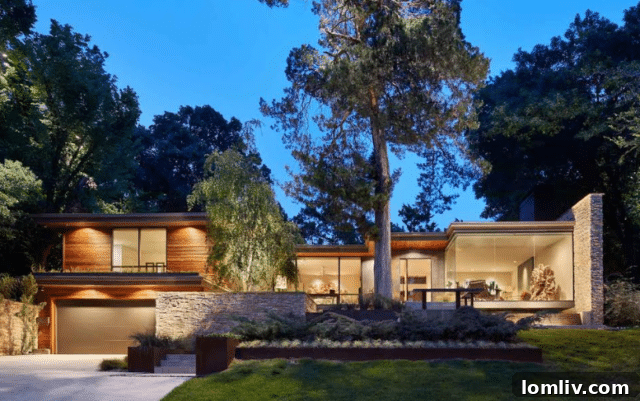
The historical roots of East Kessler Park are deeply intertwined with the pioneering spirit of the John Stemmons family, who initially held ownership of much of the expansive land that constitutes the neighborhood today. In a significant act of community beneficence, the Stemmons family generously donated a substantial portion of this land in 1927, facilitating the construction of the renowned Methodist Hospital on Colorado Boulevard. This donation laid the groundwork for a crucial healthcare institution that would serve generations of Dallas residents. For many years following this development, the area informally acquired the unique moniker of “Pill Hill,” a playful yet descriptive name that arose from the concentrated presence of physicians and other medical professionals who chose to reside in the vicinity, drawn by its close proximity to the hospital. This era of “Pill Hill” not only highlights the neighborhood’s early appeal to a professional class but also underscores its enduring connection to a key civic institution, shaping its initial character and contributing to its reputation as a desirable and well-situated residential area within Dallas, particularly for those connected to the medical field.
The formal establishment and development of East Kessler Park as a distinct residential community took shape approximately a decade later, spearheaded by the visionary efforts of developer Roy Eastus in collaboration with the influential Stemmons Family. This partnership was instrumental in transforming the donated land and surrounding parcels into the beautiful and highly regarded neighborhood we see today. Their thoughtful planning and commitment to quality laid the foundation for the diverse architectural styles and serene ambiance that define East Kessler Park. In a lasting tribute to their legacy and the family’s profound impact on Dallas’s development, two significant streets within the neighborhood were thoughtfully named: Allison Drive and Stemmons Avenue. These names honor Leslie Allison Stemmons, the esteemed father of John Stemmons, who was himself a pivotal figure in the development landscape of Dallas, notably contributing to the creation of other iconic and architecturally significant neighborhoods such as Winnetka Heights and Kidd Springs. The foresight of Eastus and the Stemmons family ensured that East Kessler Park would not only be a place of beauty and comfort but also a community rich in history and civic pride, continuing their tradition of shaping Dallas into a city of distinct and desirable residential enclaves. This blend of historical depth, architectural variety, and community-minded development makes East Kessler Park a cherished and timeless place to call home in Dallas.