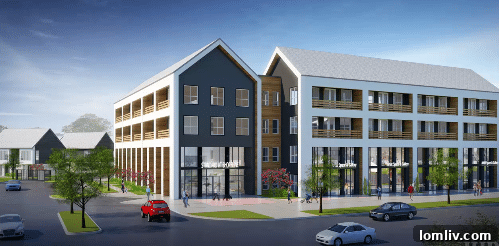
The landscape of urban development in Dallas is continuously evolving, marked by a pressing need for housing solutions that balance growth with community interests. Among the various projects shaping this future, the Standard Shoreline multifamily development has stood out as a particularly scrutinized example. Initially capturing significant attention in 2022, it was heralded as one of the pioneering proposals to secure approval under the innovative Dallas Public Facility Corporation (PFC) financing structure. This model, designed to facilitate affordable housing initiatives, simultaneously sparked a passionate debate concerning its long-term implications for the local community and the city’s tax base.
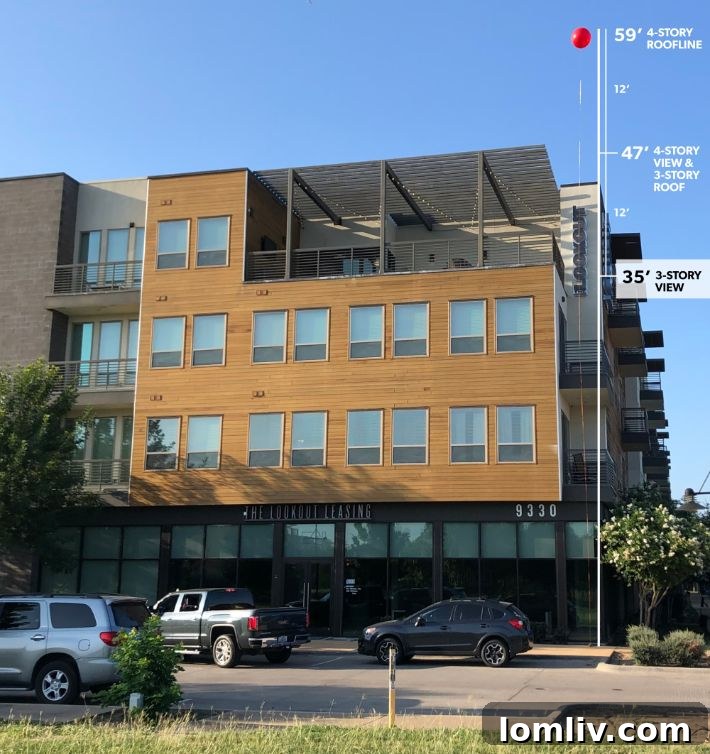
From its inception, the Standard Shoreline project, slated for a prime location on Garland Road, faced considerable opposition, primarily from the vigilant residents of East Dallas. The Lochwood Neighborhood Association (LNA) emerged as a prominent voice articulating a range of deep-seated concerns. Their apprehension centered on several key areas, beginning with what they controversially labeled a “75-year tax break.” This extended exemption from property taxes, a core feature of the PFC model, raised alarms about the potential strain on city services and school funding without commensurate revenue generation from the development itself. Beyond fiscal matters, residents voiced significant worries about the project’s proposed scale, specifically the 60-foot height of the residential buildings. This elevation, they argued, could compromise the privacy of adjacent single-family homes, allowing tenants to “peep” into their backyards—a concern dramatically illustrated by community-organized “balloon tests.” Traffic congestion was another critical point of contention, with residents fearing an already strained infrastructure would be overwhelmed by the influx of new residents. While acknowledging the city’s broader need for diverse housing options, the LNA also strongly contended that the Standard Shoreline project failed to address the pressing demand for “missing middle housing”—housing types that bridge the gap between detached single-family homes and large apartment complexes, often crucial for fostering walkable, diverse communities.
In response to the vocal community feedback and subsequent negotiations, Ojala Holdings, the developer behind Standard Shoreline, initiated revisions to their initial proposal. These modifications aimed to alleviate some of the most pressing neighborhood concerns, leading to a modified plan. This amended proposal subsequently received the endorsement of the City Plan Commission, a crucial step in the approval process. Following this, in early November 2022, the Dallas City Council cast a unanimous vote in favor of the development, signifying a significant milestone for the project and a perceived victory for proponents of affordable housing in East Dallas. Despite this seemingly definitive approval, a period of unexpected inactivity followed, leaving both residents and observers questioning the project’s trajectory. For several months, the site remained unchanged, and the anticipated progress failed to materialize.
Standard Shoreline Moves Forward: Navigating Delays and Community Expectations
After the initial flurry of approvals, an eerie silence descended upon the Standard Shoreline project site, prompting speculation and renewed concern among neighbors. Residents recently reached out, expressing apprehension that the project might have stalled indefinitely. This unease was fueled by the observation that the property on Garland Road, which Ojala Holdings had agreed to acquire from Shoreline City Church, continued to host Sunday services until October 1st, when the church officially inaugurated its new temporary campus in Frisco. The delayed vacating of the property indicated a potential bottleneck in the developer’s timeline. Further adding to the mystery was the prolonged unavailability of Ojala Holdings’ official website, which had been offline for several months, raising questions about the company’s operational status and commitment to the project.
In an attempt to ascertain the project’s current status and unravel the reasons behind the prolonged delay, daltxrealestate.com contacted Matthew Vruggink, a partner at Ojala Holdings. Vruggink’s response, though brief, shed some light on the situation: he confirmed that the acquisition of the land had not yet been finalized, and the developer was still awaiting essential permits from the City of Dallas. This pointed to administrative hurdles as a primary factor in the slowdown. Despite the official delays, Thomas Buck, the communications chair for the Lochwood Neighborhood Association, shared an optimistic, albeit unofficial, update. He reported receiving information from a “credible source” indicating that developers were planning to break ground either late in the current year or in early 2024. This suggests that while formal processes might be slow, internal planning and preparation continue. However, the LNA president, Scott Robson, conveyed a sentiment reflecting the ongoing community resistance and an emotional attachment to the existing church property. Robson expressed a fervent hope for “divine intervention” regarding the future of the church site.
“Lochwood and area neighborhoods continue to hope for our own miracle — that the existing, multimillion-dollar renovated, state-of-the-art, 66-year-old sanctuary on Garland Road will not be desecrated by the money men at Ojala but will be preserved and utilized for what it has been purposed,” Robson passionately told daltxrealestate.com. His statement underscores the deep-seated desire within the community to protect architectural and historical landmarks, rather than seeing them replaced by new developments, regardless of the perceived benefits. This sentiment highlights a common tension in urban growth: the clash between preserving heritage and embracing modernization. Meanwhile, Shoreline City Church itself is “laser-focused” on completing its relocation and renovations. Robson added that the church is actively fundraising to secure $5 million, crucial for finishing the transformation of the former Highland Oaks Church of Christ facility on Walnut Hill Lane, with an ambitious goal of moving into its new, permanent home by March 2024. The church’s timeline is intrinsically linked to the developer’s ability to take possession of the Garland Road property.
When contacted for comment on the story, District 9 Councilwoman Paula Blackmon did not provide a response, leaving her current stance or any new developments from the city’s perspective unaddressed. Plan Commissioner Michael Jung, who was heavily involved in mediating the project and negotiating changes with the developer, stated he had nothing further to add that hadn’t already been said publicly. Jung further informed daltxrealestate.com on Thursday that he would be stepping down from the City Plan Commission “imminently, as soon as my successor is nominated and confirmed,” and would transition to serving on the city’s Charter Review Commission. His departure marks the end of a significant chapter in the project’s approval process, where he played a crucial role in shaping the compromises that led to its unanimous passage.
A Public Facility Corporation Project: Understanding the Model and Its Impact
The Standard Shoreline project, a beacon of Dallas’s evolving approach to urban planning and affordable housing, underwent a multifaceted journey of revisions and compromises before reaching its current approved state. At its core, this development leverages the Public Facility Corporation (PFC) model—a financing mechanism that has become increasingly prevalent in Dallas for fostering affordable housing initiatives but remains a point of considerable debate. Through the PFC structure, a city-affiliated corporation leases tax-exempt land to a private developer for an extended period, typically 75 years. In exchange for this significant tax abatement, the developer commits to allocating a substantial portion of the units to tenants earning less than a specified percentage of the Area Median Income (AMI). For the Standard Shoreline project, this commitment translates to 51 percent of its units being offered to tenants earning below 80 percent of the AMI, a figure that satisfies the affordability criteria mandated by the PFC agreement.
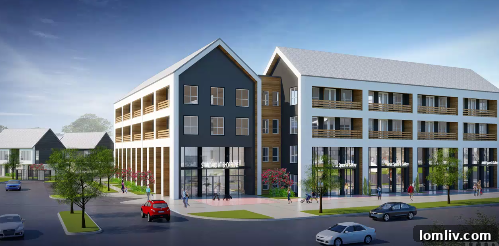
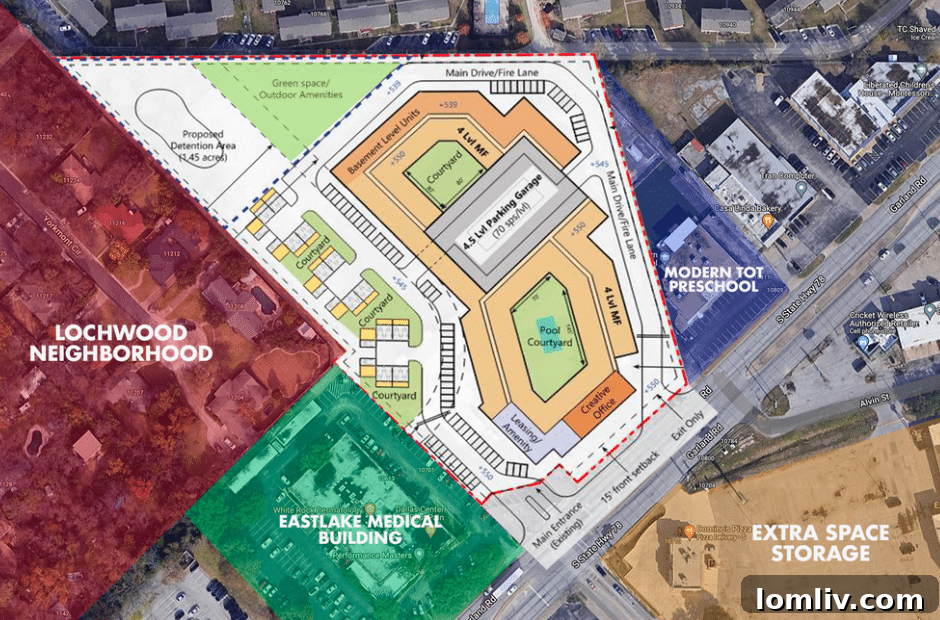
The approved plan for Standard Shoreline envisions a 300-unit, four-story apartment complex. Beyond the residential units, the development is designed to integrate several features intended to mitigate neighborhood concerns and enhance community amenities. These include the addition of townhomes, a thoughtfully designed art park intended to serve as a communal gathering space, and strategic buffering measures implemented to protect the privacy of surrounding neighborhoods, particularly those on Yorkmont Circle. The planned height of the structures remains at 60 feet, a dimension that was a central point of contention during the initial stages of the project. Councilwoman Blackmon, during the pivotal November 9th council meeting where the development received its unanimous approval, voiced her support, highlighting the developer’s concessions. She stated, “After hearing that the traffic will not filter into the neighborhood and could be improved on Garland Road, the stormwater will be contained on the property, and everything has been done to protect the privacy of those on Yorkmont [Circle] and close by, I feel there is no reason to deny this zoning case.” She further emphasized a key element of the agreement: “In addition, a good-neighbor agreement is in place to protect the quality of life,” signaling a formal commitment from the developer to address ongoing community relations and concerns post-construction.
The economic impact of the PFC model, specifically the 75-year tax exemption, remains a contentious issue. While critics often highlight the loss of potential property tax revenue, proponents, including city officials, offer a different perspective. They argue that considering the property’s previous status as a church, it was already exempt from property taxes. Therefore, its transition under the PFC model doesn’t represent a “loss” of existing tax revenue to the city, but rather a missed opportunity for future revenue generation. The trade-off, in this view, is the creation of much-needed affordable housing units, which otherwise might not be financially feasible without such incentives. This complex interplay of financial incentives, community demands, and urban development goals underscores the challenges inherent in crafting housing solutions that cater to a diverse and growing metropolitan area like Dallas. The Standard Shoreline project, with its blend of progress and persistent questions, serves as a compelling case study for the evolving dynamics of urban development in the 21st century, where the need for housing must continually be balanced against the preservation of neighborhood character and the sustainable growth of public resources.