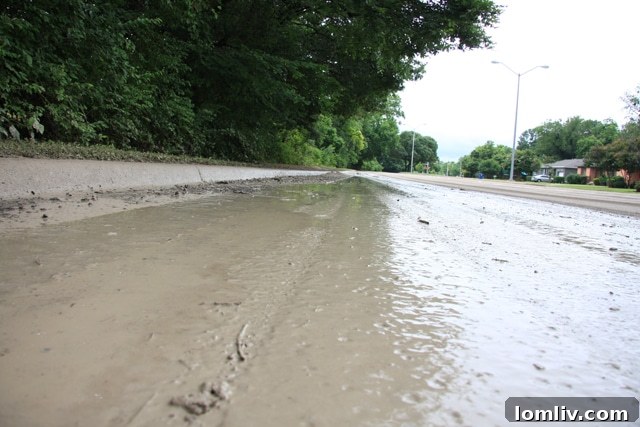
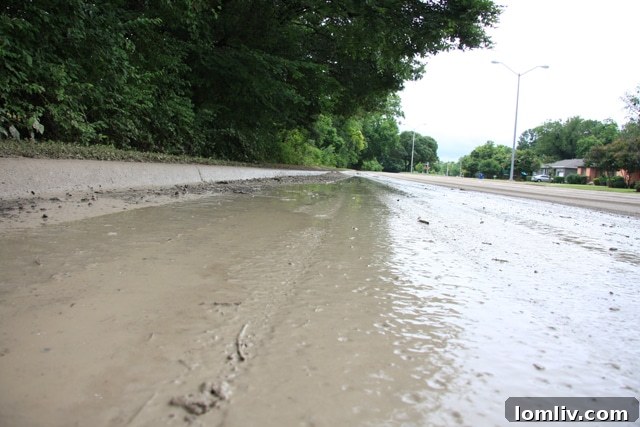
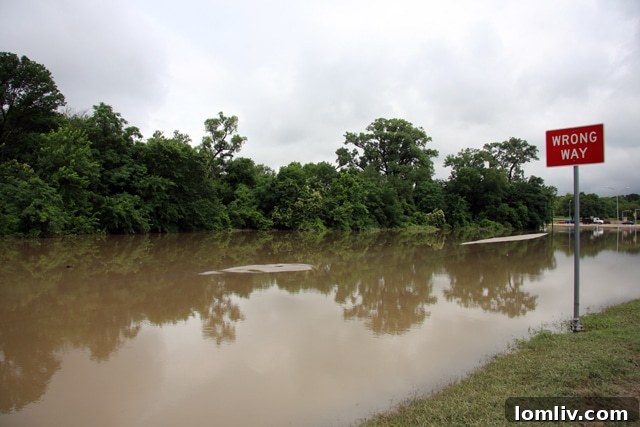
Recent torrential downpours have left East Dallas communities grappling with widespread flash flooding, transforming familiar streets into treacherous waterways. Residents across the area, particularly those living near the intricate network of creeks and drainage ditches surrounding the iconic White Rock Lake Park, experienced firsthand the sudden and overwhelming power of rising waters. The scene on E. Lake Highlands Drive, where water flowed swiftly down the slope and into Dixon Branch, quickly spilling over its banks and submerging the street, was a stark reminder of nature’s formidable force. With more rain looming in the forecast, a profound question hung heavy in the air: how much more could the community endure?
This intense flooding event was not an isolated incident but a pervasive theme across East Dallas. While dramatic images of flash flooding in Houston previously underscored the mortal danger of being trapped in a vehicle by rising water, the recent Dallas storms brought a new, chilling reality to many: the unexpected threat of floodwaters invading homes that had always remained dry. For numerous homeowners, the comfort and security of their residences were suddenly jeopardized by an unforeseen natural disaster, prompting immediate concern and long-term reflection on flood preparedness in an increasingly unpredictable climate.
When Waters Rise: Personal Accounts of East Dallas Flooding
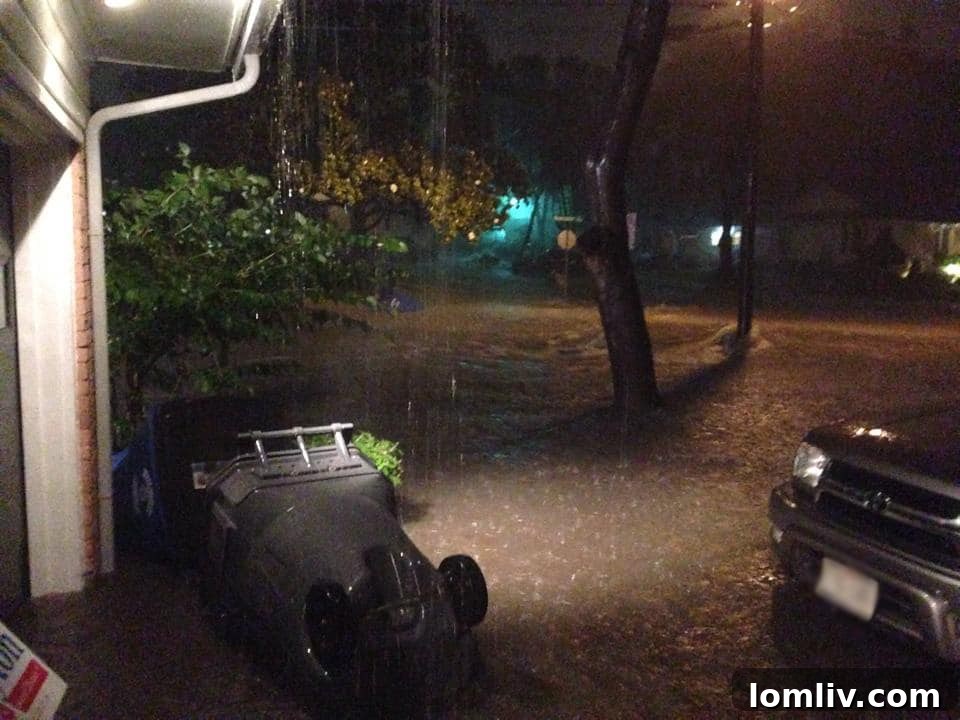
For many, the night was etched with anxiety and uncertainty. Lori Roberts, a resident of Casa View Haven, vividly recounted her terrifying ordeal. She watched in disbelief as the usually docile drainage culvert near her home rapidly transformed into a churning torrent, resembling the crested rapids beloved by whitewater rafters. The water’s relentless ascent continued, topping the concrete banks, creeping up her street, then her driveway, pausing perilously close to her front door. The moments felt agonizingly long, filled with the dread that her home, her sanctuary, would soon be breached.
Fortunately for Lori, the floodwaters receded before entering her home, though they did reach the wheel wells of her Toyota SUV, leaving a muddy high-water mark as a chilling memento. However, not all East Dallas residents shared Lori’s stroke of luck. Reports from the Casa Linda and Casa View neighborhood associations confirmed that several homes in these communities had, unfortunately, succumbed to the inundation. The sheer volume of water also wreaked havoc on local infrastructure, washing away substantial chunks of gravel and asphalt from streets and alleys. This detritus was then deposited indiscriminately into yards and driveways throughout the affected areas, further complicating the cleanup. Residents who thought the potholes were an issue before the storm are now facing an even more challenging landscape, with road conditions significantly deteriorated and requiring extensive repair.
Assessing the Deluge: Rainfall Totals and Widespread Impact
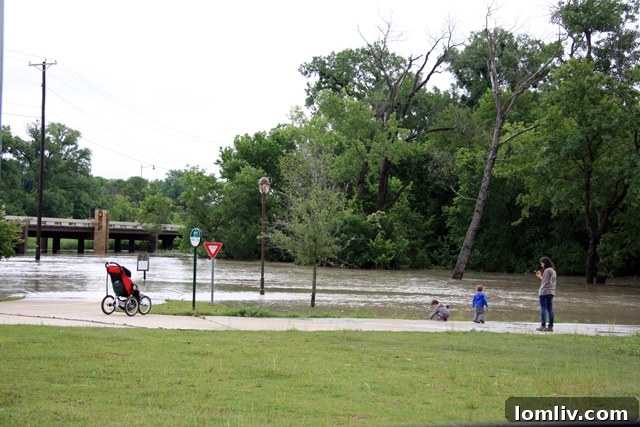
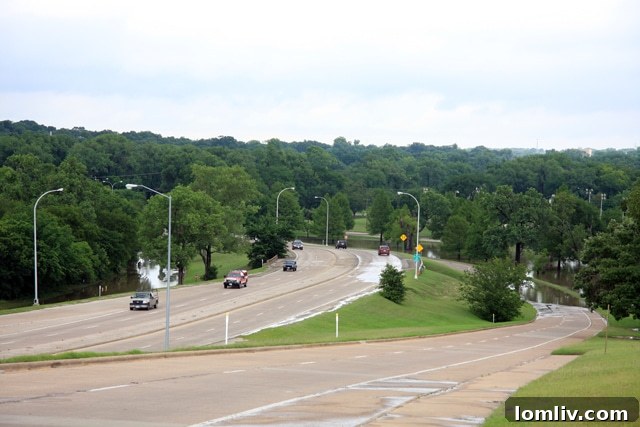
The scale of the rainfall in Dallas was monumental. While initial assessments were underway, early indications painted a clear picture of an extraordinary weather event. The I-30 underpass at Loop 12, a vital artery for daily commuters, was completely flooded, bringing traffic to a standstill and causing significant delays across the metropolitan area. Similarly, numerous roads surrounding White Rock Lake remained submerged under several inches of water, effectively cutting off access and transforming the recreational area into a temporary lake extension. The sheer volume of standing water underscored the urgent need for a prolonged period of sunshine to facilitate drying and recovery. An official update from NBCDFW (Channel 5) later confirmed the severity, reporting a staggering 4.71 inches of rain recorded at Love Field since midnight, a figure that dramatically exceeded expectations and overwhelmed existing drainage systems.
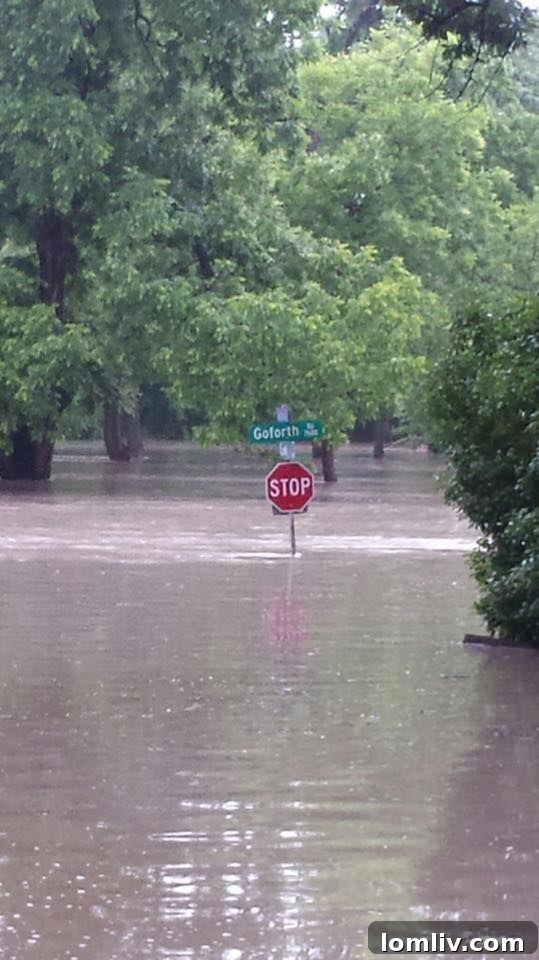
Beyond the immediate vicinity of White Rock Lake and major highways, other areas also experienced substantial flooding. Goforth Drive, particularly near Flag Pole Hill in Lake Highlands, became impassable. Realtor Brittney Rhodes shared a striking image from this location, illustrating the extent of the inundation and the immediate challenges faced by residents and emergency services.
Community Response and the Lingering Threat
The aftermath of the storm also brought out a unique community response, a mix of concern and awe. My husband reported that his morning commute to Oak Cliff felt surreal, akin to a scene from “The Walking Dead.” Several cars had pulled over along Garland Road, adjacent to the White Rock Lake spillway, as occupants captured photos and videos of the dramatic overflow. This collective act of observation highlighted the unusual nature of the event, with residents documenting a phenomenon rarely seen in their daily lives. Jason Sellers captured one such moment, featuring Dallas City Councilman-elect Mark Clayton observing the powerful currents, underscoring the widespread impact and the collective attention it commanded.
Wow. Never seen it like this.
Posted by Jason Sellers on Friday, May 29, 2015
Understanding and Preparing for Flash Floods in Dallas
Flash flooding, as witnessed across East Dallas, presents a unique and immediate danger. Unlike riverine floods that develop over time, flash floods occur rapidly, often with little warning, driven by intense rainfall in a short period. Urban environments like Dallas are particularly susceptible due to extensive impervious surfaces – roads, roofs, and parking lots – which prevent water from soaking into the ground. Instead, rainwater quickly collects and overwhelms storm drains and natural waterways, leading to rapid water level rises in streets, underpasses, and low-lying areas. This makes understanding local topography, especially the proximity to creeks and the White Rock Lake basin, crucial for residents.
The stark reality of these events underscores the critical importance of flood preparedness. The message from emergency services, “Turn Around, Don’t Drown,” is not merely a slogan but a life-saving directive. Even a few inches of fast-moving water can sweep away a vehicle, and submerged roads can hide dangerous debris or structural damage. For homeowners, preparedness extends beyond immediate safety during an event. This includes having an emergency kit, understanding your home’s flood risk (check if you are in a flood zone), and considering flood insurance, which is typically not covered by standard homeowner policies. Elevating valuable possessions, securing outdoor items, and clearing gutters and downspouts are practical steps that can mitigate damage.
The Trinity River’s Rise: A Looming Forecast
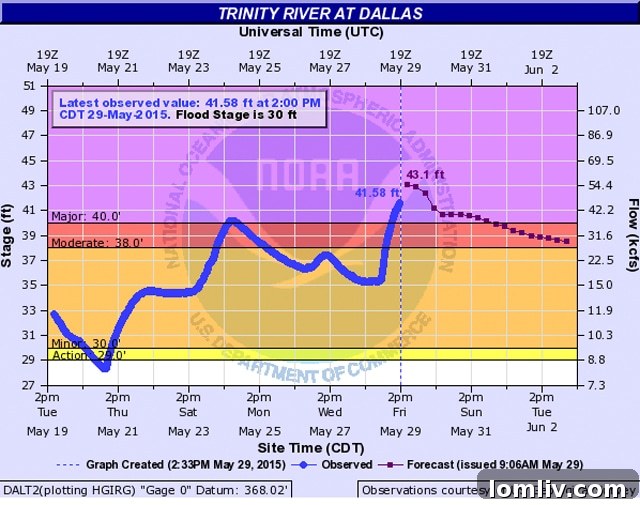
Adding to the immediate concerns, the National Weather Service issued a sobering prediction regarding the Trinity River. While East Dallas grappled with local runoff, the cumulative effect of regional rainfall began to feed into larger river systems. Forecasts indicated that the Trinity River, a major waterway flowing through Dallas, was expected to crest at more than 43 feet following the series of upcoming rain events. Such a rise would have significant implications for areas adjacent to the river, potentially impacting low-lying parks, industrial zones, and major transportation routes. This long-term outlook highlights that the flood threat for Dallas extends beyond localized flash flooding, necessitating ongoing vigilance and a comprehensive understanding of regional hydrological conditions.
Moving Forward: Resilience and Readiness in Dallas
The recent flash flooding in East Dallas serves as a powerful reminder of the vulnerability of urban areas to severe weather events. While the immediate focus remains on recovery and damage assessment, these incidents also underscore the vital importance of community resilience and proactive preparedness. Dallas residents are encouraged to stay informed through official weather alerts, develop household emergency plans, and consider measures to protect their properties. As the city adapts to increasingly unpredictable weather patterns, a collective effort in understanding, preparing for, and responding to flooding will be paramount in safeguarding lives and livelihoods. The East Dallas community, along with the wider metropolitan area, demonstrates remarkable strength in the face of adversity, but sustained readiness is the key to minimizing the impact of future storms.