Navigating Earthquake Insurance in North Texas: Essential Insights for Homeowners
Recent seismic activity in North Texas has left many homeowners questioning their current insurance coverage and the resilience of their homes.
For decades, earthquakes were rarely a concern for residents of North Texas. Our region was typically considered seismically stable, and the thought of significant tremors affecting homes and infrastructure was largely dismissed. However, this perception has been dramatically challenged by a series of recent seismic events, particularly the cluster of 12 small earthquakes that rattled North Texas from Tuesday night into Wednesday morning. The strongest of these registered a 3.6 on the Richter scale, a magnitude certainly capable of making its presence felt and stirring anxieties among homeowners.
The experience of these quakes was palpable for many. My own encounter involved a distinct rumble, accompanied by flickering lights and a momentary shimmy that sent my dog into a state of confusion. My mother-in-law, understandably, was quite shaken. The sensation was unsettling, a stark reminder that even in areas historically untouched by seismic activity, the ground can indeed shift. This new reality prompts a crucial question for property owners: Are we adequately protected?
This evolving landscape stands in stark contrast to the experiences of those in more earthquake-prone regions. My son, residing near Palo Alto, California, where a fierce 6.0 quake struck this past summer, typically finds humor in my reports of minor Texas tremors. He’s often quick with a sarcastic “We will rebuild!” in response to photos of overturned lawn furniture. Yet, after Tuesday’s persistent rumbles in North Texas, his tone changed. “It’s a rumble,” he conceded, acknowledging the unusual nature of our local seismic events. This shift in perspective underscores a growing statewide awareness that what was once considered an impossibility might now be a sporadic, yet impactful, reality for Texas homeowners.
Uncovering the Gaps: Why Earthquake Coverage is Rarely Standard in Texas
The immediate aftermath of these tremors saw a surge of concern among residents, many of whom, like myself, instinctively reached out to their insurance providers. My first call went to my insurance agent in Lubbock, who initially thought I was joking. The idea of earthquake coverage in Texas was so foreign to him that he admitted to never having written such a policy in his entire career. This reaction is indicative of a broader trend: traditional homeowner insurance policies in Texas typically do not include coverage for damage caused by earth movement, which encompasses earthquakes.
This historical absence of earthquake policies in Texas reflects a long-standing understanding that the risk was negligible. Consequently, the insurance market here developed without a strong emphasis on seismic protection. However, as the frequency of North Texas earthquakes increases—attributed by some to local wastewater injection activities—this gap in coverage becomes a critical vulnerability for homeowners. The phone lines at local insurance agencies, including those of our featured expert Charles Polansky, a Private Client Advisor at HUB International Personal Insurance in Dallas, have been ringing non-stop. Similarly, Nick Klein with HomeTeam Insurance reported contact from at least 60 clients since the recent rumbles, all seeking clarity on their coverage.
Despite the heightened interest, the landscape for acquiring earthquake insurance in Texas remains somewhat limited. While many clients inquired, Nick Klein noted that a majority might not ultimately add the coverage, primarily due to cost and availability. However, certain companies, notably Travelers and MetLife, do offer homeowners the option to add earthquake insurance as an endorsement to their existing policies. An “endorsement” essentially means an addition or amendment to a standard policy, tailoring it to cover specific risks not included in the original agreement.
However, securing such an endorsement often comes with a significant caveat: high deductibles. Earthquake deductibles in Texas, where available, typically start at a minimum of 10 percent of the dwelling’s insured value. To put this into perspective, Nick Klein, who also writes policies in California, highlighted the commonality of 10 percent minimum deductibles there. Imagine this on a $3 million home, which is increasingly becoming an average price in certain markets; a 10% deductible would mean the homeowner is responsible for the first $300,000 in damages before their policy contributes. This substantial out-of-pocket expense can be a deterrent for many.
The increasing frequency of these seismic events in North Texas could also impact the future availability of earthquake insurance. Nick Klein suggested that as earthquakes become more common, insurance companies may become less willing to offer earthquake insurance as an optional coverage. This mirrors the situation in California, where few private companies offer it, and residents often rely on a state-run pool for coverage, similar to how hurricane-prone areas manage their unique risks. The less predictable the risk, the harder it is for private insurers to price and offer comprehensive coverage.
Expert Q&A: Demystifying Earthquake Insurance in Texas
To provide clear, actionable information for concerned homeowners, we engaged Charles Polansky from HUB International in a detailed Q&A session. His insights shed light on the intricacies of earthquake coverage in our evolving seismic environment.
Q: Is earthquake coverage required by Texas law, and could this regulatory stance change in the future?
A: Currently, homeowners in Texas are not legally mandated to purchase earthquake coverage. This lack of requirement stems from the state’s historical record of minimal seismic activity. However, the possibility of this changing in the future is certainly conceivable. If North Texas continues to experience an increase in the frequency and intensity of earthquakes, leading to widespread property damage, the financial industry could step in. Mortgage companies, in particular, have a vested interest in protecting their investments. They might begin to require earthquake insurance, similar to how they mandate flood insurance for properties located in designated flood zones. Such a shift would be a significant indicator of a perceived rise in risk, directly impacting homeowners’ responsibilities.
Q: What if an earthquake causes secondary damage, such as a water main break or gas line rupture? Would the resulting damage be covered by a standard homeowner’s policy?
A: This is a critically important distinction that often leads to homeowner confusion. If an earthquake is identified as the direct cause of a water main break, a ruptured gas line, or any other structural failure, the homeowner would generally not have coverage for the resulting water damage, fire, or other losses unless they had specifically purchased an earthquake policy or an earthquake endorsement. Standard homeowner insurance policies typically contain an exclusion for damage caused by “earth movement,” which explicitly includes earthquakes. Therefore, even if the immediate damage appears to be from water or fire, if its origin is traced back to an earthquake, it would likely fall under the earth movement exclusion. For example, if a water main breaks on Hughes Lane in North Dallas due to a tremor, and your home is damaged by the ensuing flood, your standard policy would not cover it without that crucial earthquake endorsement. This highlights the importance of understanding the root cause clause in your policy.
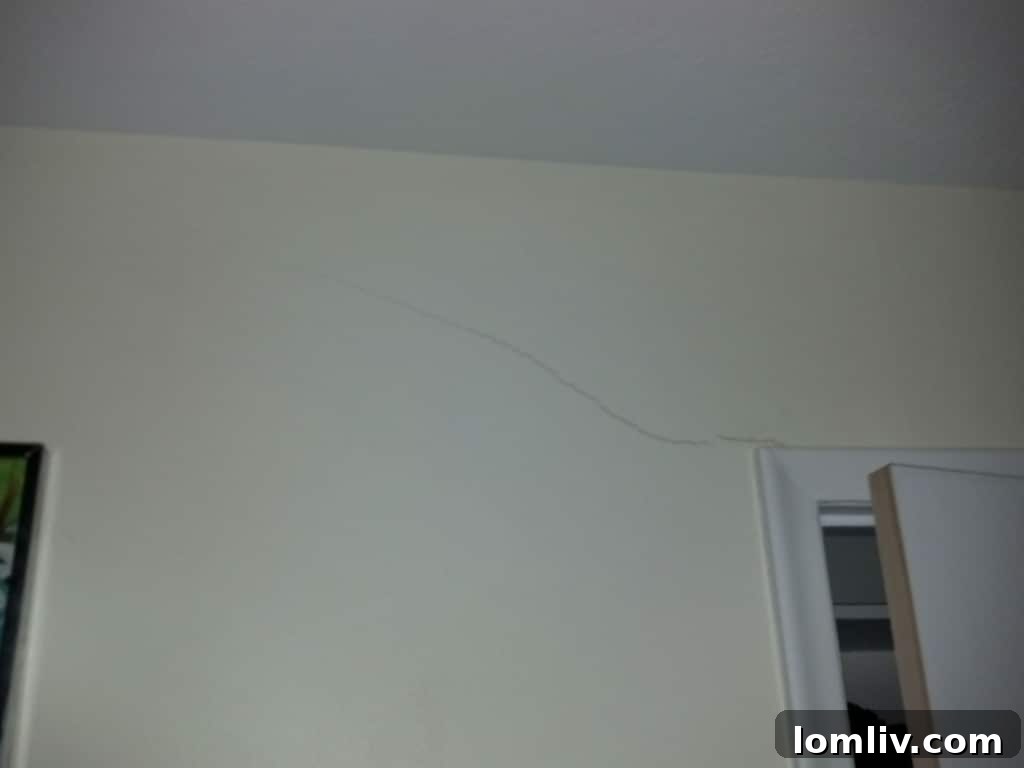
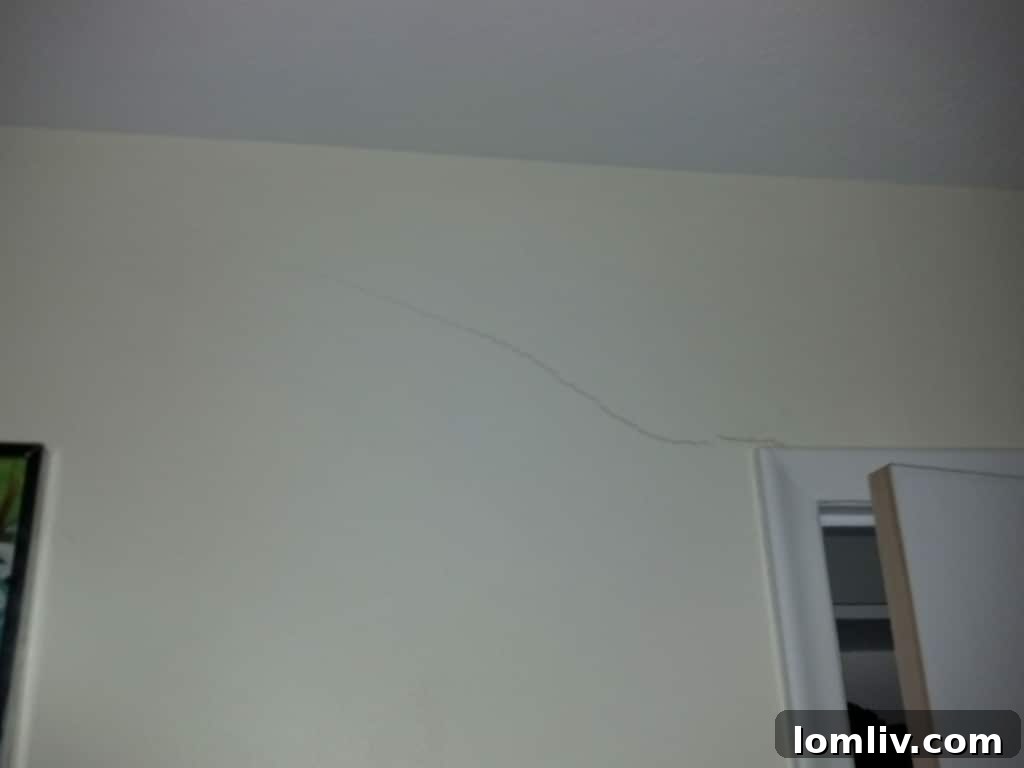
Q: I’m hearing reports of homeowners noticing new cracks in wall molding, ceilings, or even their foundations after the recent quakes. Would these types of damages be covered?
A: Unfortunately, direct structural damages such as cracks in wall molding, drywall, plaster, or a home’s foundation are typically considered a direct consequence of earth movement. As such, these would fall under the same exclusion as mentioned previously. Without specific earthquake coverage, homeowners would be solely responsible for the often costly repairs associated with these types of damages. While they might seem minor at first, such cracks can indicate deeper structural issues and degrade property value, making the absence of coverage a significant financial risk.
Q: Can homeowners purchase an earthquake insurance rider or endorsement, and what does the cost and deductible typically look like for a property, say, valued at $500,000?
A: Yes, many insurance carriers we work with do offer an endorsement to add earthquake coverage to an existing homeowners policy. The pricing can sometimes appear quite affordable on the surface. For a $500,000 home, for instance, dwelling coverage for earthquakes might be available for as little as $100 annually through certain providers like Fireman’s Fund. However, it’s paramount to understand that this seemingly low premium is almost always coupled with a significantly high deductible. Earthquake deductibles are often expressed as a percentage of the dwelling’s insured value, typically starting at 5% or even 10%. In our example of a $500,000 home, a 5% deductible would mean the homeowner is responsible for the first $25,000 in damages before the insurance coverage begins to pay. While the annual premium might be modest, the substantial deductible represents a considerable out-of-pocket exposure in the event of an actual loss. Homeowners must weigh this cost-benefit carefully.
Q: Are all components of my home covered, particularly exterior masonry like brick or stone veneer, and critical structural elements like the foundation or plumbing?
A: This is another area where earthquake policies can be highly nuanced and requires careful review. Many earthquake endorsements have specific exclusions or limitations regarding masonry veneer – this includes exterior brick, stone, and sometimes stucco. While the main dwelling structure might be covered, the actual aesthetic cladding on the outside of your home might be explicitly excluded. So, if an earthquake causes your brick façade to crack or crumble, the cost to repair or replace that specific exterior material could fall outside your policy’s coverage, even if the underlying wooden or steel frame is protected. To clarify the previous point, in a total loss scenario for a $500,000 home with a $25,000 deductible, the insured would be paid $475,000, minus any costs specifically attributed to the replacement of the excluded outer brick or stone veneer. It’s vital for homeowners to understand this distinction: coverage for the dwelling itself doesn’t automatically mean coverage for every single component. Furthermore, fundamental structural elements like the foundation, internal plumbing, and flooring are generally not included in any basic “built-in” earthquake coverage (which might only protect personal property, as is the case with Fireman’s Fund’s standard offering). Comprehensive protection for these critical areas requires additional premiums and specific endorsements. It underscores the necessity of a detailed discussion with your insurance agent.
Q: What about coverage for “other structures” on my property, such as a swimming pool, detached garage, or fencing?
A: Structures on your property that are not physically attached to your main dwelling, such as swimming pools, detached garages, sheds, guest houses, or perimeter fencing, are typically classified as “other structures” within insurance policies. For these to be covered against damage caused by an earthquake, you would need to explicitly add “other structures” coverage as an endorsement to your policy. Without this specific additional coverage, any damage to your swimming pool, a standalone garage, or even a fence resulting from seismic activity would not be covered. This mirrors the need for specific coverage for internal dwelling components beyond basic personal property protection.
Key Takeaways for North Texas Homeowners
The recent increase in seismic activity in North Texas represents a significant shift in the risk landscape for homeowners. What was once an unthinkable event is now a recurring concern, prompting an urgent need for reevaluation of property protection strategies. The challenges are clear: limited availability of earthquake coverage, often coupled with high deductibles, and complex exclusions that can leave homeowners exposed to substantial financial burdens for repairs to crucial structural elements or exterior finishes.
Therefore, proactive engagement is paramount. Homeowners in North Texas should make it a priority to review their existing homeowner insurance policies thoroughly. It’s crucial to understand what “earth movement” exclusions entail and where their current coverage stands regarding potential earthquake damage. Consulting with local insurance experts, such as Charles Polansky or Nick Klein, is an essential step to gaining clarity on available options and navigating the intricacies of endorsements.
Engage in detailed discussions with your insurance agent about the specific vulnerabilities of your property. Inquire about the coverage for masonry veneers, foundations, plumbing, and other structures like swimming pools. Understand the exact percentages and monetary values of deductibles and any limitations on payouts. Knowledge empowers you to make informed decisions about mitigating potential risks and safeguarding your most significant investment.
Protecting Your Investment: A Call to Action
With the ground literally shifting beneath us, the time for North Texas homeowners to assess their earthquake risk and insurance coverage is unequivocally now. Waiting for the next tremor to discover potential gaps in your protection could lead to devastating financial consequences and immense stress. The peace of mind that comes from understanding your policy and having adequate coverage is invaluable in an increasingly unpredictable environment.
Do not hesitate to contact your insurance provider today. Ask specific, detailed questions about earthquake endorsements, deductibles, exclusions, and the full scope of coverage for your unique property. Empower yourself with knowledge, secure the appropriate protections, and ensure your home remains safe and sound, even when the earth decides to rumble.