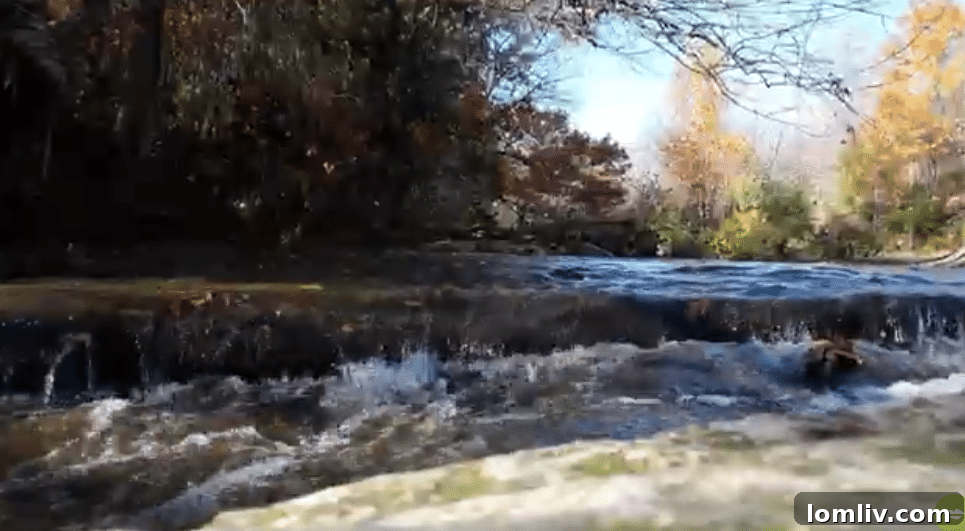
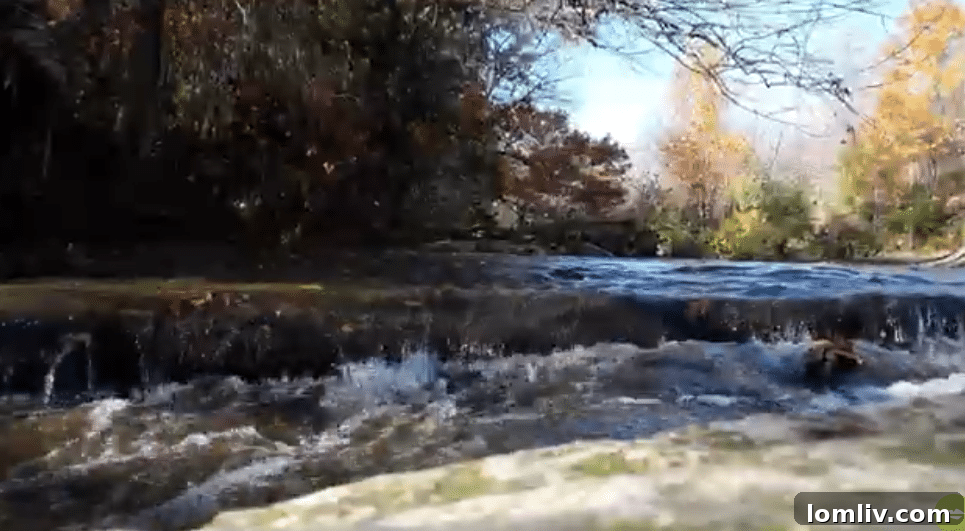
In a powerful demonstration of community spirit and environmental stewardship, residents of Duncanville, Texas, have successfully championed the transformation of a 42-acre tract known as the Ladd property into a dedicated nature preserve. This landmark decision by the Duncanville City Council marks a pivotal moment for the community, reflecting a clear preference for preserving natural habitats and fostering green spaces over commercial development.
The sentiment from the community was unmistakable: a desire for the serene calls of blue herons rather than the bustling ambiance of a restaurant, a network of winding nature trails instead of a dense apartment complex, and tranquil circles of tree stumps for the study of local plant species in lieu of a sprawling college campus. This collective voice resonated deeply within City Hall, culminating in a unanimous decision that will shape Duncanville’s landscape for generations to come.
On a momentous Tuesday evening, the Duncanville City Council officially rezoned the significant 42-acre parcel and updated its comprehensive land use plan to unequivocally designate the property as a nature preserve. This action, following months of intense debate and grassroots advocacy, solidified the community’s vision for the future of this invaluable urban green space.
“We got what we came for,” stated Mari Vega, a dedicated Duncanville resident and a leading voice in the conservation movement, after the marathon meeting concluded around 11 p.m. on Tuesday. She acknowledged, “It is an ongoing thing, but it’s a major milestone.” Her words encapsulate the celebratory yet vigilant mood of the community, recognizing that while a significant battle has been won, the journey of preservation and development of the preserve is just beginning.
The driving force behind this initiative is the Duncanville Nature Conservancy Inc. (DNCI), an organization established last year with the singular purpose of safeguarding this 42-acre tract. This land holds particular historical significance, having been generously donated by former resident Bob Ladd in 1998. The property, located at 609 W. Danieldale Road, has been unofficially christened the Charles F. Ladd Nature Preserve by its ardent supporters, honoring the legacy of the donor and his family.
Advocates for the nature preserve passionately argued that the Ladd property offers an unparalleled opportunity to protect vital wildlife and plant habitats, preserve unique natural features, and provide essential green infrastructure for the city. Beyond its ecological value, they envision a vibrant community gathering space complete with accessible nature trails and park-like amenities, fostering a deeper connection between residents and their natural environment. This vision stood in stark contrast to the opposing viewpoint, which saw the land as prime real estate for potentially profit-generating commercial or residential development, aiming to bolster the city’s tax base.
A key point of contention during the debate revolved around the original donation documents. The land was gifted for “the promotion or advancement of cultural, artistic, or educational objectives,” which initially gave the pro-conservancy faction strong grounds for their cause. Their efforts were further bolstered by an impressive petition, gathering over 1,800 signatures, urging the city to rezone the land exclusively for preservation. However, a crucial detail in the donation language—the inclusion of the word “primarily”—introduced a legal loophole. This wording, as reported by The Dallas Morning News in March 2022, meant the city technically had the option to develop up to 49 percent of the property, sparking concerns among conservationists and fueling the fierce public debate.
Showdown at Duncanville City Hall: The Battle for Preservation
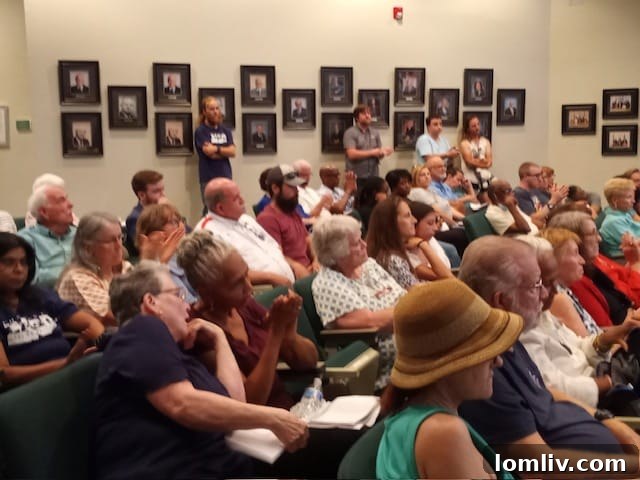
The Duncanville City Council chambers were filled to capacity on Tuesday night, a testament to the community’s deep investment in the Ladd property’s future. Nature conservancy supporters, armed with passionate pleas and a unified vision, pressed for specific, unambiguous language in the proposed ordinance. Their primary concern was to prevent any future reinterpretations that could compromise the preserve’s integrity years down the line.
The initial language drafted by City Attorney Robert Hager raised alarm bells for many. It was perceived as too broad, potentially leaving the door open for undesirable developments such as an amusement park or even a college campus. Emily Bridges, a prominent voice for the DNCI, articulated the collective concern, emphasizing that such interpretations were far removed from the conservancy’s original vision.
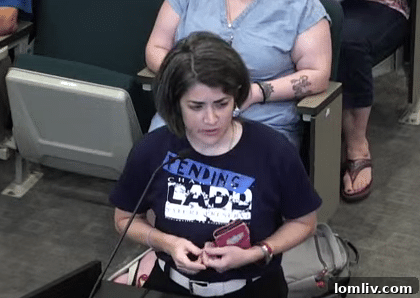
Bridges eloquently clarified the true meaning of an “education area” within the context of a nature preserve. “When we speak of an education area,” she explained, “we are talking about tree stumps in a circle and allowing kids to have magnifying glasses looking for baby frogs, checking out nature.” She drove her point home with a simple, relatable analogy: “When my children ask if they can have a piece of candy, I say, ‘No, you cannot have a piece of candy.’ I don’t say, ‘I don’t intend for you to have a piece of candy.’ I think [the language] needs to be tightened up just a little bit.” Her powerful testimony underscored the need for precise and restrictive definitions to ensure the property’s intended use.
Responding to these concerns, the Duncanville Planning and Zoning Commission had previously recommended that the use of the Ladd property be strictly limited to a “nature preserve.” Councilman Jeremy Koontz, a vocal advocate for conservation, took this recommendation a step further. He made a crucial motion asking the council to explicitly strike any other intended uses beyond a nature preserve from the ordinance. This decisive motion ultimately prevailed, marking a significant victory for the conservation movement and ensuring the preserve’s singular focus. Koontz directly addressed the city attorney, stating, “Get rid of everything you changed and go back to what Planning and Zoning recommended,” clarifying the council’s firm stance, despite the attorney’s assertion that his initial draft reflected what he believed the council had requested.
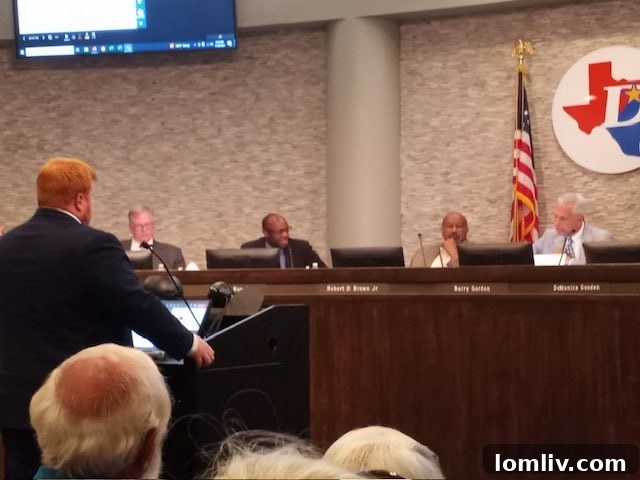
The formal process of designating the land as a nature conservancy involved several critical steps, as meticulously outlined by Senior Planner Nathan Warren. All four of these essential requirements were approved during Tuesday’s meeting, with specific amendments reflecting the community’s and council’s wishes for a robust and clear designation. These steps ensure that the Ladd property is legally and irrevocably dedicated to conservation, providing a secure future for Duncanville’s newest green gem:
- Opportunity Area 8, which previously allowed for potential development, had to be formally removed from the future land use plan.
- A precise definition of “nature preserve” needed to be developed and subsequently added to the comprehensive plan zoning ordinance as an accepted land use category.
- Furthermore, “nature preserve” also had to be defined and incorporated into the comprehensive plan zoning ordinance as its own distinct zoning district, providing a clear legal framework.
- Finally, the area’s existing zoning had to be officially changed from “planned development” to the newly established “nature preserve” zoning district, locking in its conservation status.
For those interested in the intricacies of the discussion, the full Duncanville City Council meeting can be viewed here. The specific discussions pertaining to the Ladd property, categorized as items 5B, 5C, 5D, and 5E on the City Council agenda, commence at the one-hour mark of the recording.
The Resounding Voice of Pro-Nature Conservancy Advocates
The movement to establish the Ladd Nature Preserve is a powerful example of sustained community activism. Mari Vega, a Duncanville resident for 17 years, noted that while the land was donated over two decades ago, widespread awareness of its potential as a nature conservancy truly galvanized the community only in the last two or three years. This awakening spurred a concerted effort to prevent the property from being developed, highlighting a growing urban trend towards prioritizing natural spaces.
Vega passionately voiced her opposition to proposals that included apartment complexes and “McMansions,” emphasizing, “That’s not acceptable.” Her concerns extended beyond aesthetic preferences to critical environmental issues. “If you develop any part of it, it’s going to trash the whole thing,” she told daltxrealestate.com, articulating a fear shared by many that even partial development could irrevocably damage the ecosystem. She further highlighted the broader environmental challenge facing the region: “We’re creating a heat sink as we keep putting concrete over everything. This whole Metroplex is going to keep getting hotter and hotter.” This statement underscores the vital role urban green spaces like the Ladd property play in mitigating the urban heat island effect, improving air quality, and supporting local biodiversity within the rapidly expanding Dallas-Fort Worth Metroplex.
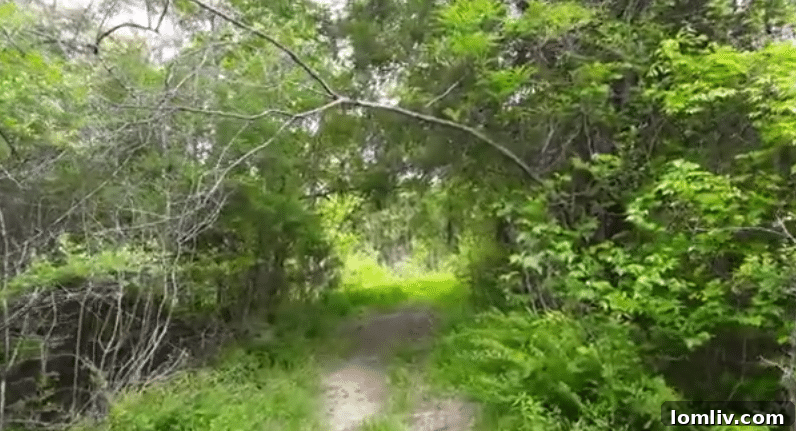
Councilman Koontz, a steadfast champion of the preserve, created a compelling 13-minute video to garner public support for rezoning the land. In his video, he emphasized the readiness of the community to take ownership of the preserve’s future. “It’s been stated over and over again that citizens are prepared, volunteer groups are prepared, we have the Duncanville Nature Conservancy prepared to come out here and maintain the property,” Koontz affirmed. He highlighted the commitment of these groups, stating, “They’re committed to doing projects out here, such as helping with creating a trail system.” This volunteer-driven model provides a sustainable and cost-effective approach to managing the preserve, leveraging community passion and expertise.
While the city could invest in professional design for the trail system, Koontz assured the public that ongoing maintenance would be largely covered by dedicated community organizations, including the Boy Scouts of America and various church groups. This collaborative approach not only reduces the financial burden on the city but also fosters a sense of collective ownership and responsibility for the preserve. Reflecting on the prolonged indecision surrounding the property, Koontz remarked during Tuesday’s meeting, “It’s been 25 years and we haven’t been able to figure out what we can do with that property.” He concluded with a nod to the community’s decisive action: “It would appear to me that the citizens of Duncanville have come up with a pretty good idea of what we can do with it.”
Exploring the Pro-Development Perspective and Economic Arguments
While the support for the nature preserve was highly visible, there was also a faction, sometimes referred to as the “silent majority,” who advocated for development. Their arguments centered on enhancing the local tax base, addressing housing needs, and potentially introducing new entertainment venues or even a college campus to the area. These proponents underscored the economic advantages that commercial or residential development could bring to Duncanville, including job creation and increased municipal revenue.
Former Duncanville City Councilman Stan Smith was a prominent voice in this camp, suggesting a more diversified use of the 42 acres. He envisioned subdividing the property to attract popular restaurants such as Pappadeaux, Red Lobster, or Olive Garden, particularly advocating for creekside patio dining experiences. Smith highlighted historical aspirations for the site, stating, “This land is big enough and there’s enough of it that we could put some really good quality restaurants, which was the original plan back in the ’80s.” He maintained that a balance could be struck, proposing, “There’s plenty of land there that we could have a nature center and get some good quality development,” implying a hybrid approach where conservation coexisted with commercial interests.
However, Councilman Koontz countered these development arguments by pointing out that despite a request for proposals issued in 2017, no serious offers to build on the land had materialized. This lack of concrete interest suggested that the property might not be as straightforward for development as some proponents believed. Senior Planner Warren further elaborated on the practical challenges, noting that a significant portion of the Ladd property lies within a floodplain, posing considerable hurdles and additional costs for any large-scale construction. These environmental constraints make development complex and potentially less profitable than other sites.
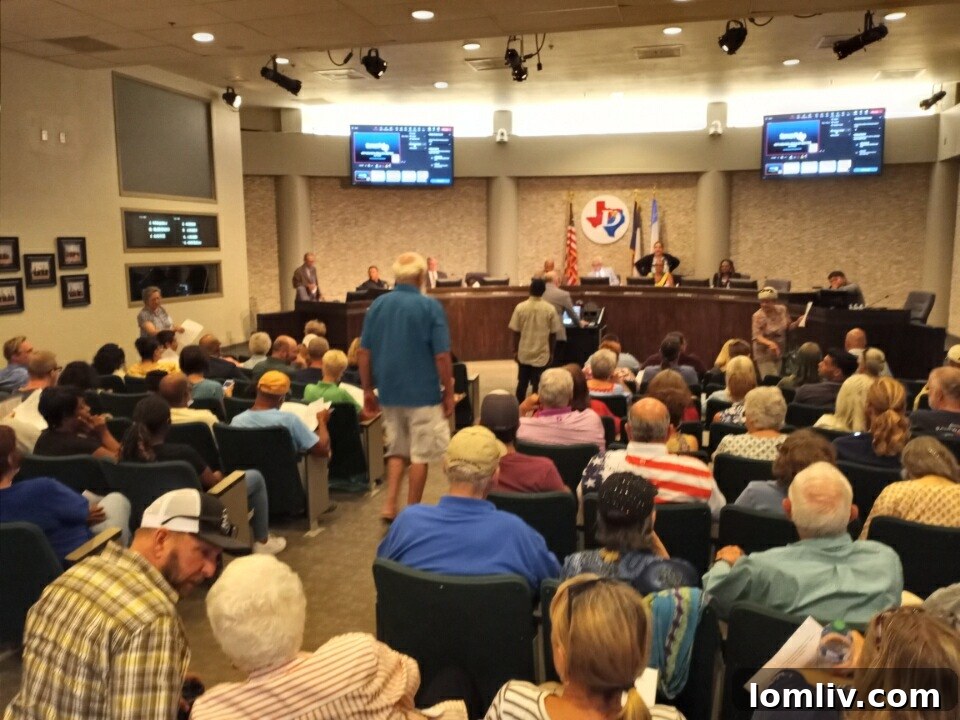
During the public comment portion of the meeting, Stan Smith also raised concerns about the city’s existing park infrastructure. He argued that Duncanville residents often travel to neighboring cities like DeSoto, Waxahachie, and Grand Prairie to use their recreation fields due to superior facilities. “Here we are talking about bringing in more parkland when we don’t take care of the parks we have,” Smith asserted, suggesting that resources should be directed towards improving current amenities rather than expanding new ones. In response, Director of Parks and Recreation Bart Stevenson provided context, stating that Duncanville currently manages 17 parks spread across approximately 244 acres, indicating a substantial existing park system.
Former Mayor Cliff Boyd, although not speaking at Tuesday’s meeting, submitted a compelling letter to the City Council. His letter urged consideration for the “silent majority” when making crucial zoning decisions. Boyd’s message highlighted the democratic responsibility of elected officials to represent all constituents, not just the most vocal. “The silent majority comprises individuals who, for various reasons, do not actively participate in public debates or civic engagements,” the letter stated. “They may lack access to resources, face time constraints, or simply hold different communication preferences. The Mayor and City Council have an ethical obligation to ensure their interests are considered, as the silent majority’s concerns are often obscured by vocal minorities who dominate public discourse.” This perspective added another layer of complexity to the council’s decision-making process, emphasizing the need for balanced and inclusive governance.
Ultimately, the overwhelming community desire for conservation, coupled with the legal nuances of the original donation and the practical challenges of development, led the Duncanville City Council to its historic decision. The designation of the Ladd property as a nature preserve represents a significant victory for environmental protection and community engagement in urban planning. It sets a precedent for how a city can prioritize ecological health and resident well-being, fostering a unique identity for Duncanville as a community deeply connected to its natural heritage. The newly established Charles F. Ladd Nature Preserve is poised to become a cherished landmark, offering invaluable opportunities for recreation, education, and ecological preservation for current and future generations of Duncanville residents. The journey of transforming this vision into a thriving reality will continue, guided by the collective commitment of the city and its passionate citizens.
daltxrealestate.com will continue to monitor this developing story and provide updates on the progress of the Charles F. Ladd Nature Preserve.