

Navigating the Aspirational World of Luxury Home Goods: A Critical Yet Appreciative Look
The arrival of the Williams Sonoma catalog in our mailboxes often signals more than just new kitchenware; it heralds a glimpse into an idealized lifestyle, a curated world of culinary perfection and effortless entertaining. It’s a world meticulously crafted, where every spatula is perfectly placed, and every meal is a masterpiece. However, this glossy veneer of domestic bliss sometimes feels far removed from the everyday realities of life, sparking a healthy dose of skepticism in even the most ardent home cooks. This sentiment is perfectly encapsulated by Drew Magary’s widely acclaimed “Haters Guide to the Williams Sonoma Catalogue,” a satirical annual review that brilliantly skewers the more extravagant and often unnecessary offerings within its pages. Magary’s incisive commentary invites us to pause and consider the true utility and value of these luxury items, especially when juxtaposed against pressing real-world issues. While the catalogs paint a picture of idyllic kitchens in affluent neighborhoods, perhaps in places like certain North Texas enclaves or the sophisticated suburbs of Connecticut, the contrast between aspirational consumerism and societal challenges is stark.
The Allure of the Perfect Lifestyle: Beyond the Catalog’s Gloss
The power of the Williams Sonoma catalog lies in its ability to sell not just products, but a dream – a dream of seamless entertaining, gourmet cooking, and a home that functions with clockwork precision. It suggests a life where every culinary endeavor is a joy, every gathering picture-perfect, and every kitchen gadget a necessity. This aspirational marketing taps into a deep human desire for order, beauty, and control, particularly during festive seasons like Christmas, when the pressure to create unforgettable experiences often reaches its peak. Magary keenly observes this underlying tension:
Isn’t Christmas just grand when you spent thousands of dollars and hours upon hours of your free time making everything just so perfect, so you can spend the rest of your time micromanaging your family into oblivion, so that they are always within your maniacal control? I bet this catalog is for people who freak out if a dog nuzzles against them.
His biting satire highlights the often-exhausting pursuit of perfection, where the joy of the season can be overshadowed by the meticulous orchestration of every detail. This perspective prompts us to question whether these lavish preparations truly enhance our lives or merely add layers of stress and expectation. Are we buying tools for cooking, or merely tools to project an image of effortless perfection? The catalog, in this light, becomes a mirror reflecting our own anxieties about status, domestic prowess, and the subtle art of impression management.
A Nuanced Relationship with Luxury: Embracing and Skepticizing
Despite the critical lens, it’s important to acknowledge that the relationship many of us have with brands like Williams Sonoma is complex and often nuanced. I, for one, appreciate the quality and design of many of their products; the neatly hung WS plaid towels adorning my Wolf stove are a testament to that. There’s a distinct pleasure in owning well-crafted kitchen essentials that elevate the everyday cooking experience. However, my admiration is not without its limits. I find myself in hearty agreement with many of Magary’s critiques, particularly when it comes to products that seem to solve problems that don’t exist, or worse, invent new standards of unnecessary sophistication. Take, for instance, the concept of “textured milk.” The very notion strikes me as a prime example of culinary overreach, pushing boundaries into the realm of the absurd. The only “textured milk” I’m familiar with is the curdled variety, a less-than-appetizing discovery often made after returning from a weekend trip to a second home – a scenario I imagine Magary would also find ample material for his ‘Haters Guide’ – having forgotten to discard the old milk before departure. This stark contrast between imagined gourmet refinements and practical, relatable kitchen mishaps perfectly illustrates the disconnect between catalog fantasy and domestic reality.
The Unquestionable Essentials: My Ode to the Perfect Coffee Experience
While I may scoff at “textured milk,” there are certain kitchen appliances that transcend the realm of mere luxury and firmly plant themselves in the territory of absolute necessity. For me, that undeniable essential is a high-quality coffee machine. My day simply cannot begin without that ritual. Let me rephrase: my day cannot *function* without it. When my trusty Capresso machine, which I affectionately (and perhaps humorously) refer to as a “Republican coffee maker” because it insists on a trip to New Jersey for repairs, is out of commission, my early mornings involve a mandatory pilgrimage to Starbucks. The stark contrast between a perfectly brewed cup at home and a quick fix from a drive-thru highlights the profound difference a dedicated machine makes. My old, simpler coffeemaker was long ago donated to charity, a testament to the fact that once you experience the superior taste and convenience of a truly excellent machine, there’s no going back. In fact, following the holiday season, I’ve earmarked funds for the Breville Oracle Espresso Machine for my home office, especially if post-Christmas sales present a saving of over $500. It might sound extravagant, particularly when set against a backdrop of global concerns—”Rome may be burning,” as the saying goes—but the simple, profound pleasure of freshly ground java with perfectly steamed milk is a non-negotiable comfort that anchors my daily routine. It’s an investment not just in coffee, but in a small, consistent moment of joy and productivity.
Beyond Necessity: Unpacking the Catalog’s Quirkiest Offerings
Shifting from the indispensable to the undeniably peculiar, the Williams Sonoma catalog, much like many in-flight shopping guides, often features an array of items that leave one pondering their actual utility. I recall a recent flight where my seatmate and I found endless amusement perusing the American Airlines catalog, marveling at the sheer ingenuity of products designed to solve problems we never knew we had. The Skyrest pillow, for instance, designed for you to bend over your seat tray and seemingly nap in an uncomfortable-looking crouch, was a particular highlight for its perplexing design. Does this even look comfortable?
The Quest for Comfort: Debunking the Skyrest Pillow
The Skyrest pillow is a quintessential example of a product that markets itself as a solution to a common dilemma – finding comfortable sleep on an airplane – but introduces a visual and practical absurdity that outweighs any potential benefit. Envisioning oneself bent over a flimsy tray table, head nestled into a bulky inflatable pillow, is hardly the picture of serene rest. It’s a design that seems to prioritize novelty over genuine ergonomic comfort, leading to amused disbelief rather than enthusiastic purchasing. This travel accessory symbolizes a broader category of products found in luxury catalogs: items that attempt to over-engineer simple needs, often with questionable success.
Culinary Curiosities: When Simplicity Meets Over-Engineering
Magary’s “Haters Guide” deftly spotlights several kitchen items that exemplify this trend of over-complication, turning basic culinary tasks into occasions for specialized gadgetry and premium pricing.
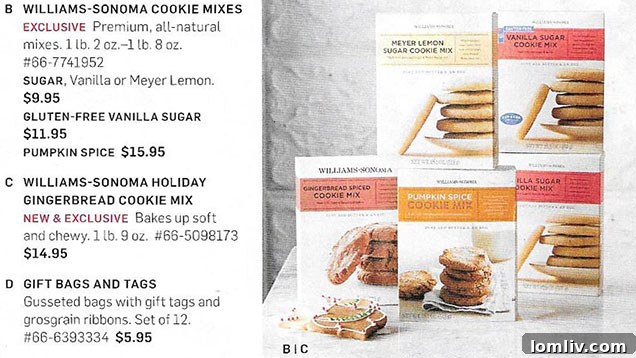
- Gluten-Free Sugar Cookie Mix for $16: In an era increasingly conscious of dietary restrictions, specialty mixes certainly have their place. However, a $16 price tag for a sugar cookie mix, even a gluten-free one, raises eyebrows. It prompts a debate about the convenience premium versus the cost-effectiveness of making similar items from scratch, especially when catering to common dietary needs. Is this a genuine culinary innovation or merely an exorbitant convenience item for a niche market?
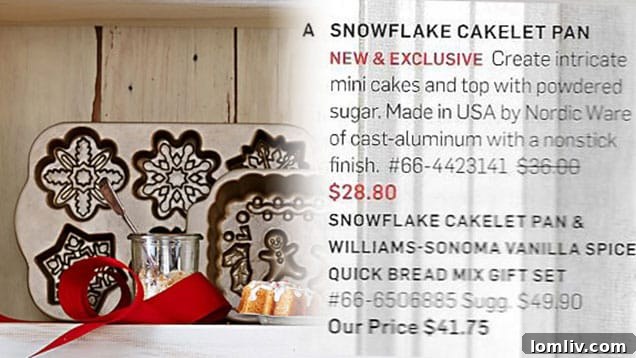
- Cakelet Pans: The allure of miniature desserts is undeniable; they’re cute, portion-controlled, and perfect for parties. But dedicated “cakelet pans” present a challenge for the average home kitchen already struggling with limited storage space. How many times will these highly specialized pans be used in a year to justify their purchase and the precious cabinet real estate they occupy? It’s a perfect example of niche bakeware that appeals to a specific aesthetic, perhaps at the expense of practicality.
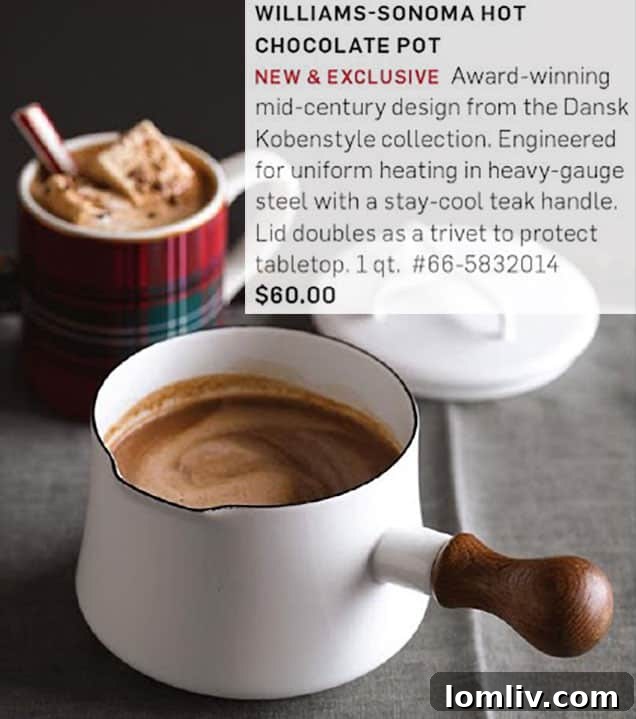
- Hot Chocolate Pots: For a beverage as delightfully simple as hot chocolate, the idea of a specialized “pot” seems almost comical. Most households can whip up a delicious cup using nothing more than a saucepan and some basic ingredients, or for ultimate speed, instant hot water and a packet. This dedicated pot embodies the philosophy that every culinary item needs its own bespoke vessel, contributing to kitchen clutter and an unnecessary expenditure for a drink that requires minimal fuss.
Decor and Novelties: Questioning Practicality and Purpose
Beyond the kitchen, the catalog ventures into home decor and lifestyle novelties, often presenting items that spark more bewilderment than desire.
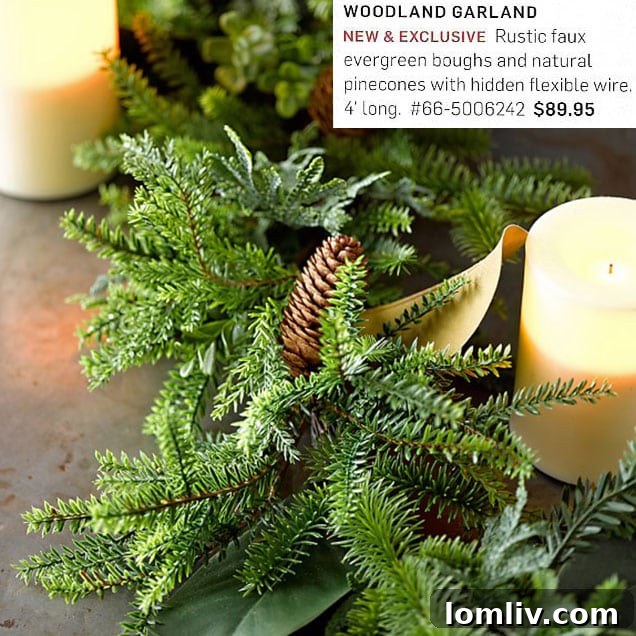
- Woodland Garland (Plastic, Probably Made in China): Seasonal decor, especially during the holidays, can transform a home. However, “woodland garland” made of plastic, likely mass-produced overseas, often falls short of the natural aesthetic it aims to achieve. It raises questions about authenticity, environmental impact, and the value of ephemeral plastic decorations when more sustainable and genuinely rustic alternatives exist.
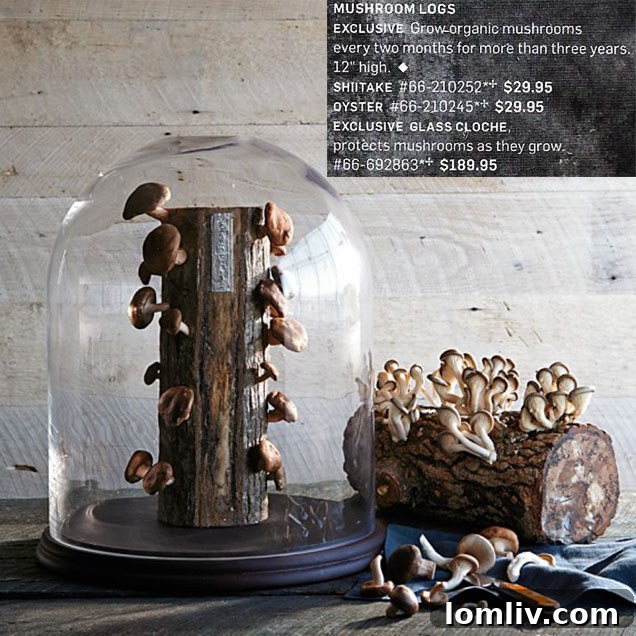
- Mushroom Logs: While the concept of growing your own gourmet mushrooms at home is appealing to the adventurous foodie or the self-sufficient gardener, mushroom logs cater to a very niche interest. For the average consumer, these represent a significant commitment of time and space, potentially leading to a forgotten project rather than a bountiful harvest. It’s an interesting novelty, but hardly a universal kitchen essential.
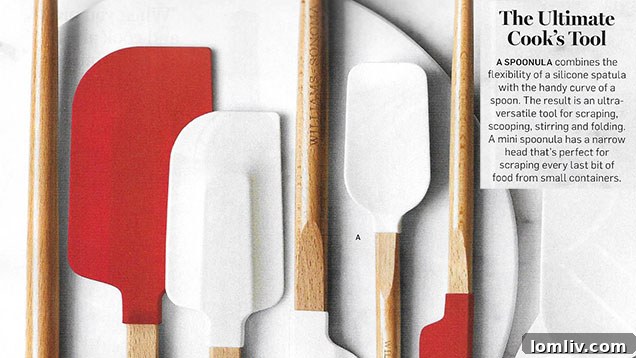
And then, there’s the pièce de résistance, the item that truly encapsulates the spirit of Magary’s critique: the Spoonula. Really, who in the world has ever used a spoonula?
The Enigmatic Spoonula: A Symbol of Culinary Over-Specialization
The “Spoonula” is a portmanteau, an attempt to combine the best features of a spoon and a spatula into one revolutionary kitchen tool. On paper, the idea of a hybrid utensil that can scoop, stir, and scrape sounds like an innovative solution for multi-tasking cooks. In practice, however, it often elicits a chuckle. While some multi-functional tools genuinely simplify kitchen tasks, the Spoonula often feels like a solution in search of a problem. Most home cooks manage perfectly well with separate spoons and spatulas, each excelling in its specific function. The Spoonula, therefore, becomes a symbol of culinary over-specialization, a gadget designed to fill a gap that most people didn’t perceive existed, serving more as a novelty than a truly indispensable item in the modern kitchen arsenal.
Conclusion: Finding Balance in the World of Home Goods
The Williams Sonoma catalog, and others like it, undoubtedly serve as a source of inspiration, offering beautifully designed products that can genuinely enhance our homes and culinary endeavors. From high-quality appliances that simplify daily rituals to durable kitchen essentials that last for years, there’s immense value to be found. However, the true art of navigating these aspirational realms lies in discernment. It’s about appreciating the beauty and craftsmanship without falling prey to the allure of unnecessary extravagance or gadgets designed for ephemeral trends. By adopting a critical yet open-minded approach, much like the spirit of Magary’s “Haters Guide,” we can learn to distinguish between genuine innovation and superfluous novelties. Ultimately, the most rewarding approach to home goods involves a thoughtful balance: investing in items that truly bring joy, efficiency, or lasting quality, while humorously sidestepping those that merely complicate or add to the clutter, allowing us to build a home that is both beautiful and authentically functional.