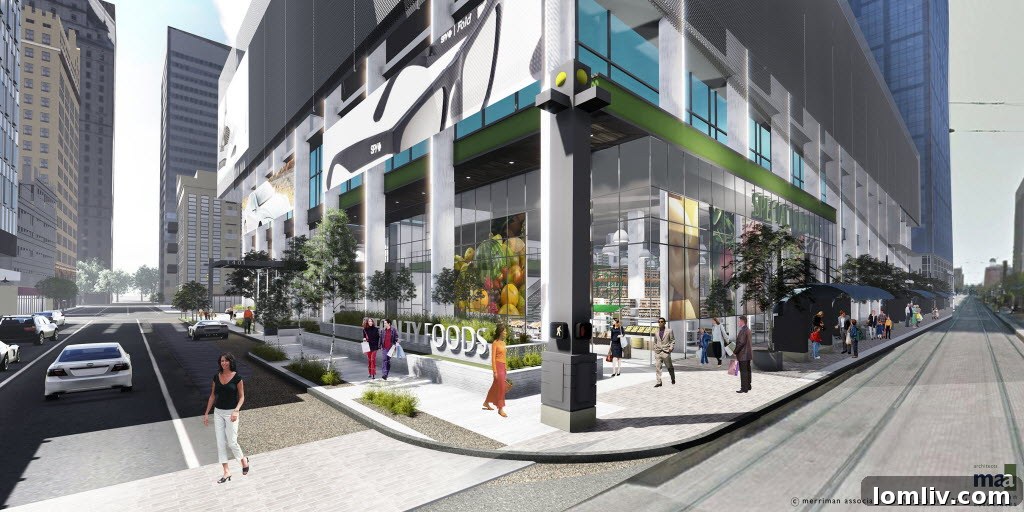
Downtown Dallas’s Culinary Evolution: A High-End Grocer Lands at 1401 Elm
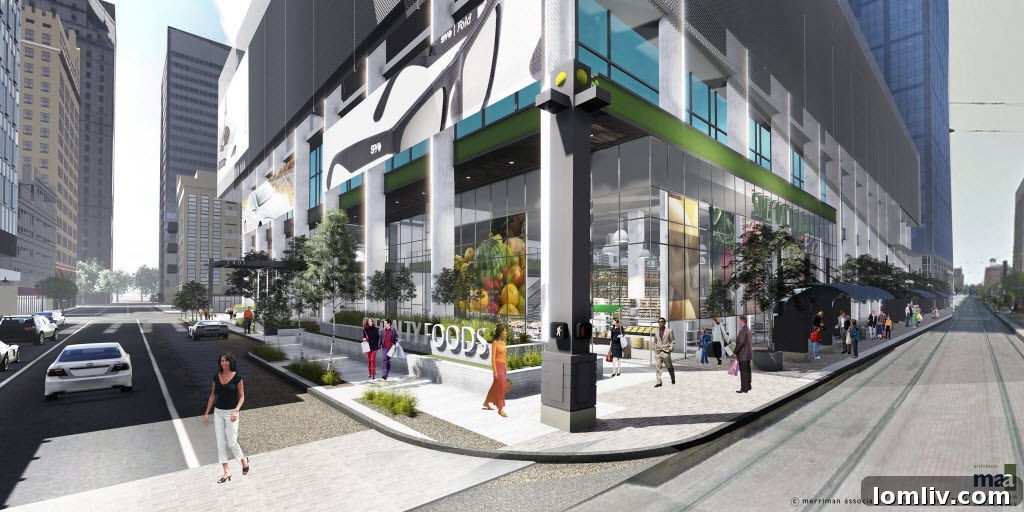
The Vision for 1401 Elm: Catalyzing Downtown Dallas’s Resurgence
Downtown Dallas is currently experiencing an unprecedented renaissance, transforming into a vibrant urban core that attracts residents, businesses, and visitors alike. At the heart of this revitalization is the eagerly anticipated mixed-use redevelopment of George Dahl’s iconic 1401 Elm building. This monumental project, spearheaded by Olympic Property Partners, is poised to redefine urban living in Dallas, bringing a dynamic blend of commercial and residential spaces to one of the city’s most historic structures. The excitement surrounding this development has reached a new peak with recent discussions focusing on a highly sought-after amenity: a high-end grocer for the ground-floor retail component. This potential addition isn’t just about convenience; it’s a strategic move that could significantly enhance the quality of life for downtown dwellers and further cement Dallas’s status as a premier urban destination.
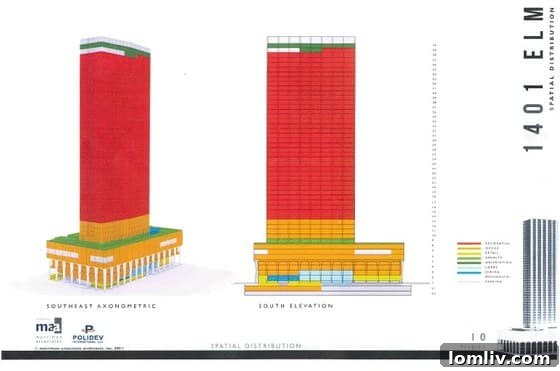
The 1401 Elm tower, originally designed by the renowned architect George Dahl, is a testament to Dallas’s architectural heritage. Its adaptive reuse is not merely a renovation but a reimagination of an urban landmark, blending historical significance with modern functionality. Olympic Property Partners’ commitment to a mixed-use model — encompassing both commercial and residential elements — ensures a lively, round-the-clock environment that is crucial for a thriving downtown. The ground-floor retail space, in particular, has been a subject of keen interest, as its tenants will play a pivotal role in shaping the daily experience of the building’s residents and the broader downtown community.
Addressing a Critical Need: The Quest for an Upscale Grocer
For too long, downtown Dallas residents have faced a significant gap in essential amenities, particularly convenient access to fresh, quality groceries. Following the closure of Urban Market in the Interurban building, the neighborhood has been without a dedicated grocery store, forcing residents to venture outside the urban core for their daily needs. This lack of a local market has been a persistent challenge for those embracing a car-free or car-lite lifestyle, a demographic increasingly drawn to the vibrancy and walkability of downtown living.
Robert Wilonsky atThe Dallas Morning Newsrecently shed light on the exciting progress regarding this issue, confirming that Olympic Property Partners is in active discussions with several upscale grocers. This revelation comes amidst considerations for a crucial adjustment to the project’s Tax Increment Financing (TIF) agreement, as detailed in the agenda for an upcoming Planning and Zoning Commission meeting. Such a change would strategically allow for a larger commercial footprint within the mixed-use development, directly facilitating the integration of a substantial grocery operation.
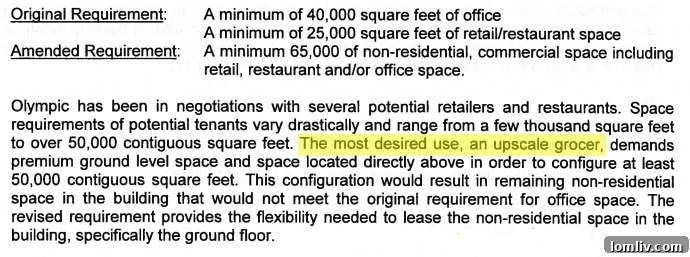
The prospect of attracting an “upscale grocer” like Central Market, Whole Foods, or the flourishing Fresh Market is a game-changer for downtown Dallas. These retailers are known for their premium selections, fresh produce, artisanal goods, and prepared foods, catering to a discerning clientele that values quality and convenience. Imagine the ease of stepping out of your downtown residence, perhaps from a building like 1401 Elm, and having immediate access to a gourmet market, all within walking distance or a short ride on the DART Rail, with the Akard station conveniently nearby. This would not only enhance the daily lives of residents but also serve as a magnet for new inhabitants and a vital amenity for local businesses.
Downtown Dallas at a Critical Juncture: Solidifying Urban Appeal
The proposed TIF agreement change is more than just a bureaucratic adjustment; it’s a powerful signal that downtown Dallas is reaching a critical mass in its development cycle. This momentum is palpable across various sectors, demonstrating a robust and sustained urban resurgence. Key indicators reinforce this optimistic outlook:
- Community Engagement: Recent downtown Dallas neighborhood meetings have drawn impressive crowds, reflecting a highly engaged populace eager to contribute to and benefit from the area’s growth. This strong community voice is crucial for sustainable development.
- Residential Growth: The market is witnessing a growing number of affordable rental options alongside luxury residences, catering to a diverse range of urban dwellers. This expanding housing supply and demand underscore the increasing appeal of downtown living.
- Commercial Confidence: Reports indicate significant increases in commercial occupancy rates and a palpable sense of optimism from commercial tenants. Businesses are recognizing the strategic advantage of a downtown presence, driven by a growing residential base and improved infrastructure.
An upscale grocer is more than just a place to buy food; it’s a community anchor. It brings daily foot traffic, fosters social interaction, and contributes to the overall vibrancy and safety of an area. For downtown Dallas, such an establishment would solidify its status as an attractive, full-service urban environment, catering to the modern urban dweller seeking convenience, quality, and a connected lifestyle. It speaks to the maturation of the downtown market from a purely business district to a thriving, complete neighborhood where people can truly live, work, and play.
Fueling Downtown’s Resurgence: A Holistic Approach to Urban Livability
While the addition of a high-end grocer marks a significant milestone, a truly thriving downtown requires a holistic approach to urban planning and infrastructure. For downtown Dallas to truly flourish and provide an exceptional quality of life, several other pieces of the urban puzzle need to fall into place. Paramount among these are enhanced pedestrian and cycling infrastructure. The city needs:
- Dedicated Protected Bike Lanes: Creating safe and clearly defined bike lanes is essential for encouraging alternative transportation, reducing traffic congestion, and promoting healthier lifestyles. This will integrate cycling seamlessly into the urban fabric, connecting residents to amenities, workplaces, and recreational areas.
- Improved Street Network and Fewer One-Way Streets: The current street configuration, exemplified by thoroughfares like Elm Street which often functions as a four-lane parking lot due to confusing signage and heavy traffic, can be a deterrent to walkability and local commerce. Reimagining these streets, potentially converting some one-way streets into two-way thoroughfares, can slow traffic, improve navigability, and create a more pedestrian-friendly environment that encourages lingering and local engagement.
These infrastructure enhancements are not merely aesthetic upgrades; they are fundamental to supporting the car-free and car-lite lifestyles that attract many to urban centers. They transform a downtown from a place people simply commute to, into a place where they want to live, stroll, and connect. By making downtown more accessible and enjoyable for pedestrians and cyclists, Dallas can unlock its full potential as a truly walkable, livable, and sustainable city.
Economic Commitment and Future Outlook for Downtown Dallas
The scale of the 1401 Elm redevelopment underscores the immense commitment from both private and public sectors. With a total project cost estimated at $175 million, the City of Dallas is contributing a substantial $50 million in economic incentives. This significant public-private partnership highlights the city’s strategic vision for downtown’s future, recognizing the far-reaching economic benefits of such a transformative development. These incentives are not just investments in a building, but investments in job creation, increased tax revenue, and the overall revitalization of a crucial urban district.
The discussions between Olympic Property Partners and various high-end grocers are a profoundly encouraging sign. They signify a turning point for downtown Dallas, moving beyond aspirations to concrete steps towards creating a truly complete and desirable urban neighborhood. The mixed-use nature of 1401 Elm, combined with the prospect of an essential amenity like an upscale grocery store, positions this development as a cornerstone of downtown’s ongoing evolution. It’s a testament to the belief that downtown Dallas is not just back, but is set to thrive as a dynamic, livable hub for generations to come.
Share Your Perspective
What are your thoughts on this significant proposed change to Olympic Property Partners’ TIF agreement and the promising future of downtown Dallas, particularly with the potential arrival of a high-end grocer at 1401 Elm? Your insights are invaluable as we watch this historic urban core transform.