The Shocking Truth: Why DIY Electrical Work Is a Hazard, Not a Shortcut to Savings
The electrical system in any home is a complex, vital network, powering everything from our morning coffee to our evening entertainment. Yet, despite its critical role, it remains one of the most frequently underestimated and dangerously mishandled components during home maintenance and renovation projects. While the appeal of saving money or the satisfaction of a DIY accomplishment can be strong, some tasks are simply too critical and intricate to be attempted without professional expertise. This is unequivocally true for any work involving electricity.
At Green Scene Home Inspections, our dedicated team of detail-oriented experts routinely uncovers the hazardous repercussions of amateur electrical work. Through our insightful series, “Upon Closer Inspection,” we strive to empower homeowners with knowledge, highlighting the hidden dangers within their electrical systems and underscoring why professional intervention is not just recommended, but essential for electrical safety.
Navigating the Perilous Path of DIY Electrical Projects
Many homeowners, especially when spending more time at home, consider undertaking various household projects. Activities like painting, landscaping, or minor repairs can be rewarding and cost-effective endeavors. However, a strict boundary must be drawn when it comes to anything connected to your home’s electrical grid. The margin for error in electrical projects is incredibly narrow, and the potential consequences are dire, ranging from severe personal injury—including painful electric shocks and even fatal electrocution—to devastating house fires, extensive property damage, and significant legal liabilities.
Unlike a dripping faucet or a creaking floorboard, an electrical fault isn’t always visibly apparent until it’s too late. The intricate web of wires, circuit breakers, grounding systems, and components demands a profound understanding of electrical principles, adherence to the National Electrical Code (NEC) and local building regulations, and strict safety protocols that only licensed professionals possess. Attempting to modify, repair, or install electrical components without this specialized knowledge is an unacceptable risk to your family, your home, and your financial security.
Common Misconceptions Fueling DIY Electrical Dangers
A prevalent misconception among homeowners is that basic electrical tasks, such as replacing a wall outlet or installing a light fixture, are straightforward enough to manage. This perception often stems from a superficial understanding of the underlying complexities:
- Invisible Threats: Electricity is an unseen force. There are no visual cues for a live wire, and a shock provides the first, often devastating, warning.
- Systemic Interconnectedness: Every electrical component is an integral part of a larger, interconnected system. An incorrect connection or a faulty repair in one area can have a cascading effect, compromising the safety and functionality of an entire circuit or even the main electrical panel.
- Rigorous Code Compliance: All electrical work must strictly adhere to complex local and national building codes designed for safety. Non-compliance not only results in failed inspections but can also lead to insurance claim denials, making you financially responsible for extensive and costly remediation.
- Arcing and Overheating Risks: Improperly made connections, loose wiring, or the use of incorrect wire gauges can create resistance, leading to arcing (electrical sparks jumping between conductors) or overheating. These conditions are primary catalysts for electrical fires, which can spread rapidly and cause immense damage.
- Lack of Specialized Tools and Safety Gear: Professional electricians utilize an array of specialized, insulated tools, advanced voltage testers, and personal protective equipment (PPE). DIY enthusiasts often lack these essential safety measures, dramatically increasing their risk of injury.
Unveiling Real-World Electrical Hazards: Eye-Opening Insights from Our Inspectors
Our highly experienced home inspectors at Green Scene Home Inspections consistently encounter startling examples of poorly executed electrical work. These findings serve as stark reminders of the critical necessity for professional intervention in all electrical matters. Here are a few instances that vividly demonstrate why electricity is a domain exclusively for certified experts:
Example 1: The Perilous Proximity of Exposed Outdoor Wiring
During a recent inspection, our team discovered a shockingly dangerous electrical setup featuring exposed wiring installed alarmingly close to a metal fence. This scene, highlighted in the accompanying video, immediately prompted the inspector to exercise extreme caution. The danger in this situation is profound: the bare electrical conductors could easily make direct contact with the conductive metal fence. Such contact would instantaneously energize the entire fence structure, creating a deadly “positive connection.” Anyone who subsequently touches that fence, even for a moment, would be subjected to an immediate and potentially lethal electric shock.
This incident vividly underscores the absolute necessity for proper insulation, secure mounting, and adequate clearance for all exterior electrical wiring. Outdoor installations face unique environmental challenges, including exposure to wind, rain, and potential physical damage. They mandate robust, code-compliant solutions such as rigid conduit protection, appropriate burial depths for underground cables, and the use of Ground Fault Circuit Interrupter (GFCI) protected outlets to significantly mitigate hazards. A professional electrician possesses the knowledge to implement these critical safety measures meticulously, ensuring long-term reliability and safety.
Example 2: The Critical Omission – An Unconnected Bonding Screw
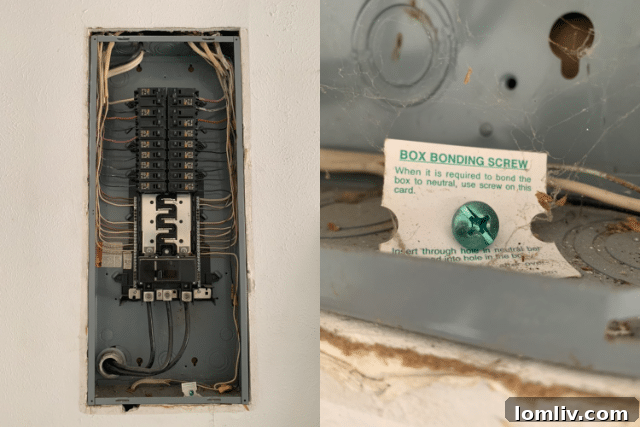
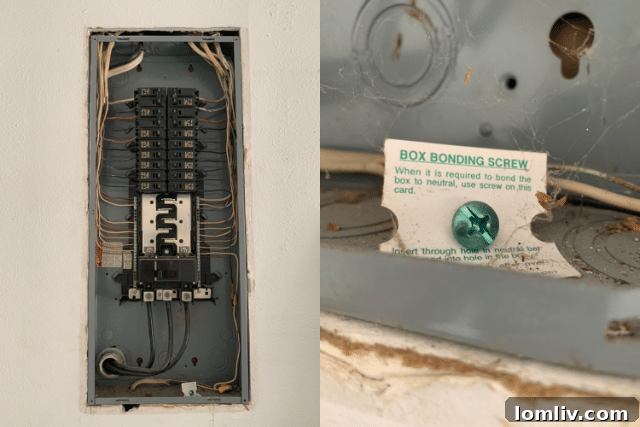
The image above draws attention to a grave oversight within an electrical panel box. On the left, we see the intricate interior of an electrical panel with its protective cover removed, revealing the complex array of wiring and circuit breakers. On the right, a magnified view focuses on a green bonding screw—a seemingly minor component with extraordinary importance. The fundamental role of a bonding screw is to establish a safe, continuous electrical pathway to the earth. It specifically connects the neutral bus bar within the panel to the panel’s metal enclosure and, crucially, to the grounding electrode system. This vital connection ensures that in the event of a fault or surge, any stray electrical current can safely dissipate into the ground, preventing the metal panel itself and all connected metal appliances from becoming energized and posing a severe shock hazard.
In this particular case, the green bonding screw was discovered completely unattached, with its installation instructions still wrapped around its threads. This egregious omission renders the entire grounding system ineffective, leaving the home’s occupants dangerously exposed to potentially lethal electrical shocks. The presence of cobwebs further suggests that this critical step was either intentionally bypassed or carelessly overlooked during an initial installation or repair, and subsequently never addressed. This scenario perfectly illustrates a common phenomenon we refer to as “house blindness”—where homeowners become so accustomed to their living environment that they unwittingly overlook potentially life-threatening deficiencies.
Example 3: The Precarious Overhead Electrical Service Connection
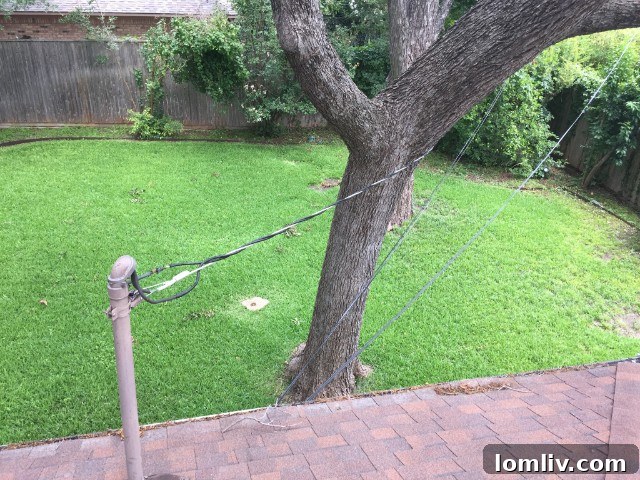
Another prevalent yet often underestimated hazard is depicted in the third image: a loose overhead electrical service wire connection. This seemingly minor issue presents risks far beyond the inconvenience of a power outage. A powerful gust of wind, the impact of a falling tree branch, or even prolonged exposure to severe weather elements can easily sever such a compromised connection, leading to an immediate and complete loss of power to the entire property. More critically, loose electrical connections are a notorious cause of arcing—sparks jumping between conductors—which generates intense heat. This arcing not only causes significant damage to the wiring and potentially other components but can also ignite nearby combustible materials, leading to a catastrophic structural fire.
Beyond the immediate fire risk, an intermittent or poor connection can induce dangerous voltage fluctuations, which can severely damage sensitive electronics and appliances throughout the home. While this might appear to be an “easy fix,” it is anything but for the average homeowner. Addressing such issues involves working directly with high-voltage utility lines, often at dangerous heights, making it a task that is strictly reserved for qualified utility professionals or licensed electricians specifically trained and equipped for such hazardous work.
Beyond the Obvious: Additional Common DIY Electrical Blunders
While the above examples are dramatically illustrative, countless other less conspicuous yet equally dangerous DIY electrical mistakes are routinely found in homes:
- Overloaded Circuits: Connecting too many high-draw devices to a single circuit, often through daisy-chained extension cords and power strips, can draw excessive current. This frequently causes circuit breakers to trip or, more dangerously, leads to wires overheating, melting their insulation, and igniting fires within walls.
- Improper Wire Splicing: Simply twisting wires together or using inadequate connectors is a recipe for disaster. Such methods create high resistance points, generating heat and posing a significant fire hazard. Secure, code-compliant splices utilizing proper wire nuts or insulated connectors are absolutely essential for safety.
- Incorrect Wiring of Outlets and Switches: Mistakes such as reversing polarity, miswiring ground wires, or failing to properly secure conductors can lead to unexpected electrical shocks, damage to sensitive appliances, or devices that appear functional but are inherently unsafe and non-compliant.
- Absence of GFCI/AFCI Protection: Modern electrical codes mandate the installation of Ground Fault Circuit Interrupters (GFCIs) in all wet locations (e.g., bathrooms, kitchens, laundry rooms, outdoors) and Arc Fault Circuit Interrupters (AFCIs) in living areas and bedrooms. These critical safety devices provide protection against severe shocks and dangerous arc faults, yet DIYers frequently omit them or install them incorrectly.
- Using the Wrong Wire Gauge: Different electrical circuits are designed to safely carry varying amperages, requiring specific wire gauges. Using wire that is too thin for the intended circuit’s load can cause severe overheating, leading to insulation breakdown and a high risk of fire.
When to Call the Experts: Your Essential Electrical Safety Checklist
Considering the grave inherent dangers, it is unequivocally clear that virtually all electrical work, beyond the simple act of changing a light bulb, must be entrusted to a licensed, insured, and reputable electrician. Here’s a comprehensive checklist of scenarios where professional electrical assistance is not merely recommended, but absolutely imperative:
- New Electrical Installations: Whether you’re adding new outlets, installing light fixtures, ceiling fans, or dedicated circuits for new appliances, these tasks require precise wiring, accurate load calculations, and adherence to all safety codes.
- Electrical Panel Upgrades: If your home still relies on an outdated fuse box or an aging circuit breaker panel, upgrading it is a complex and high-risk undertaking involving your home’s main power supply. This ensures your electrical system can safely meet modern demands.
- Persistent Tripping Breakers: While an occasional tripped breaker might indicate a temporarily overloaded circuit, frequent tripping is a definitive sign of a deeper, more serious electrical issue that requires immediate professional diagnosis and repair.
- Flickering Lights or Dimming Power: These symptoms are red flags that can point to critical issues such as loose connections, severely overloaded circuits, or problems with your home’s main electrical service entrance.
- Burning Smells or Scorched Outlets: Any unusual smell of burning plastic, hot outlets, or visible discoloration around electrical receptacles are urgent indicators of an active electrical fault, demanding immediate emergency electrical service.
- Any Work on the Main Service Line: This includes the electrical meter, the service mast, or the large cables extending from the utility pole to your home. This type of work is extremely dangerous and must be handled exclusively by utility companies or highly qualified, authorized electricians.
- Comprehensive Rewiring Projects: Older homes, especially those with hazardous knob-and-tube or aluminum wiring, often necessitate partial or full rewiring. This is a massive, complex undertaking that requires extensive professional planning and execution.
- GFCI/AFCI Installation or Troubleshooting: These essential safety devices are critical for preventing severe shocks and arc-fault fires. Their correct installation, testing, and repair are vital for maintaining a safe home electrical system.
Engaging a qualified electrician guarantees that all work is performed safely, adheres strictly to all local and national electrical codes, and is fully covered by appropriate insurance. This professional approach provides invaluable peace of mind, assuring you that your home’s electrical system is robust, secure, and compliant.
Beyond the Wrench: Simple Electrical Safety Practices for Homeowners
While complex electrical work should be strictly off-limits for DIY enthusiasts, homeowners can still play a proactive and vital role in maintaining overall electrical safety through simple, non-invasive practices:
- Regularly Test Smoke and Carbon Monoxide Detectors: Ensure these critical safety devices are functioning correctly by testing them monthly and replacing their batteries annually.
- Maintain Clear Access to Electrical Panels: Always ensure that the area around your electrical panel remains unobstructed. This provides clear access in case a breaker needs to be reset or during an emergency.
- Periodically Inspect Cords and Plugs: Routinely check all electrical cords for any signs of fraying, cuts, or damage. Ensure that plugs fit snugly into outlets. Immediately replace any damaged cords or faulty plugs.
- Avoid Overloading Outlets: While power strips with surge protection are useful for multiple devices, rigorously avoid “daisy-chaining” them (plugging one power strip into another) as this can lead to dangerous overloads.
- Understand Your Main Breaker: Familiarize yourself with the location of your home’s main electrical shut-off switch and know how to operate it quickly and safely in an emergency situation.
- Utilize GFCI Outlets Where Required: For areas near water sources, confirm that GFCI outlets are present and test them monthly using their built-in test button to ensure they are functioning correctly.
Final Thoughts: Prioritizing Electrical Safety Over Perceived Savings
The crucial insights and real-world examples provided by Green Scene Home Inspections deliver a clear and unambiguous message: when it comes to electricity, the inherent risks associated with DIY projects far and away outweigh any perceived short-term savings. The intricate nature of modern electrical systems, the dire potential for severe personal injury or catastrophic property damage, and the absolute necessity of adhering to stringent safety codes demand the unparalleled expertise of licensed and certified professionals.
Do not succumb to “house blindness” or the tempting allure of a quick, amateur fix. Your personal safety, the well-being of your family, and the long-term integrity of your home are paramount and depend on making the right, responsible choice. For any electrical concerns, new installations, or necessary repairs, always prioritize safety first and foremost.
Stay safe, and remember when it comes to electricity, always call a professional electrician!