By Duke Loper of Hobert Pools
How Long Does It Take to Build a Swimming Pool? Your Ultimate Timeline Guide
Embarking on the journey to add a swimming pool to your home is an exciting prospect, transforming your backyard into a personal oasis. As pool builders, we frequently encounter two primary questions from homeowners: “How much will it cost?” and “How long will the construction take?” While both are crucial inquiries for planning, their answers are often nuanced, best summarized with a simple, yet frustrating, “it depends.”
Understandably, this isn’t the definitive answer most people hope for. However, any reputable pool company will tell you that providing a guaranteed, fixed timeline early in the process would be misleading. The reality is that numerous factors influence the pool construction timeline, some of which are entirely beyond the builder’s direct control. Our goal here at Hobert Pools is to provide you with a comprehensive understanding of each stage, helping you set realistic expectations for your custom swimming pool project.
Setting Expectations: A Realistic Look at Pool Construction Timelines
While a precise answer remains elusive, we can offer detailed guidelines that will give you a very good idea of what to expect. This involves breaking down the entire process into manageable stages, from the initial design concept to the final splash. Keep in mind that “normal” circumstances can vary greatly, especially in today’s dynamic market, making thorough planning more critical than ever. If you’re envisioning a new swimming pool in your backyard, particularly for the upcoming year, the absolute best time to initiate the process is right now.
To emphasize this point: for a custom swimming pool project to be ready by next spring, contacting a trusted and reliable local pool builder should be your immediate next step. Proactive planning is the cornerstone of a smooth and timely pool installation.
The Pool Building Journey: A Stage-by-Stage Breakdown Under Normal Conditions
Under ideal or “normal” circumstances, the journey from your first thought of a pool to your first dip typically unfolds through several distinct phases. Each phase has its own timeline and potential for variation.
Phase 1: The Vision & Design Process (Typically 2-6 Weeks)
This initial stage is perhaps the most creative and collaborative part of the entire project. It’s where your dream pool truly begins to take shape. The duration of this phase is highly dependent on your responsiveness and the complexity of your vision.
- Initial Consultation and Site Assessment: A Hobert Pools expert will meet with you to discuss your vision, lifestyle, budget, and perform a detailed assessment of your backyard. This includes understanding the terrain, existing utilities, and sun exposure.
- Crafting Your Dream Pool: Design & Revisions: Based on the consultation, our designers will create detailed 3D renderings and blueprints of your proposed pool. This allows you to visualize your future oasis, including its shape, size, depth, and integration with your landscape. This stage often involves several rounds of revisions until the design perfectly matches your desires.
- Selecting Materials and Features: You’ll choose from a wide array of finishes, including coping materials (e.g., natural stone, concrete pavers), tile designs, interior plaster colors, decking options, and various water features like waterfalls, jets, or custom lighting. Each decision contributes to the overall aesthetic and functionality of your pool.
Phase 2: Navigating the Permitting Maze (Typically 4-8 Weeks)
Often overlooked, the permitting process is a critical precursor to any physical construction. It involves obtaining necessary approvals from local municipal authorities to ensure your pool project complies with all building codes, zoning regulations, and safety standards. This phase is largely out of the pool builder’s direct control, as it depends on the efficiency of local government offices.
- The Importance of Local Regulations: Every city and county has specific requirements for pool construction, including setbacks, fencing, drainage, and utility clearances. These regulations are in place to ensure public safety and property value.
- Required Documentation: Your builder will prepare and submit a comprehensive package, including detailed plans, engineering reports, site surveys, and often, HOA approvals. Any missing or incomplete documentation can cause significant delays.
- Typical Permitting Duration and Potential Delays: While a permit for a new inground pool can sometimes be approved in as little as four weeks, it’s not uncommon for the process to extend to six to eight weeks, especially during peak construction seasons or if there’s a backlog at the permitting office. Jurisdictional complexities and the need for multiple departmental reviews (e.g., planning, building, environmental) can further prolong this stage.
Phase 3: Bringing Your Pool to Life – The Construction Journey (Typically 12-16 Weeks During Peak Season)
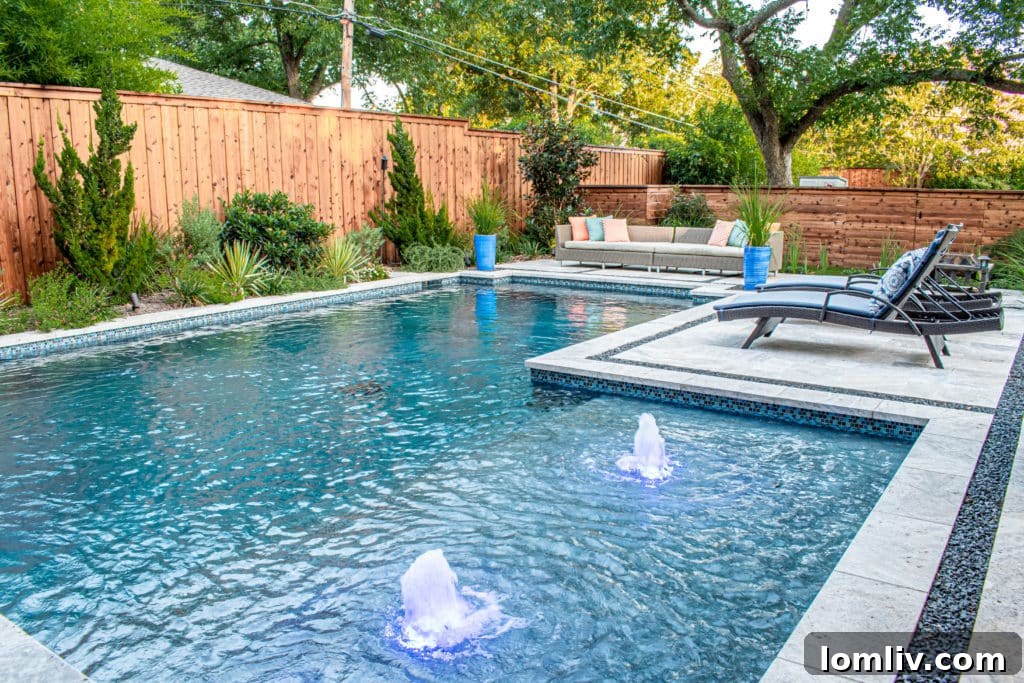
Once permits are secured, the physical transformation of your backyard begins. This phase is a whirlwind of activity, with various trades working sequentially to build your pool. The duration here can be influenced by the complexity of the design, site conditions, and, crucially, external factors like weather.
- Step 1: Excavation and Earthwork: Heavy machinery digs out the pool shape according to the approved plans. This involves careful removal of soil, often requiring haul-off services.
- Step 2: Steel Reinforcement and Plumbing Rough-In: A sturdy framework of steel rebar is laid out and tied to form the pool’s structure, providing essential strength and stability. Simultaneously, the main plumbing lines for circulation, filtration, and water features are installed within the excavated trench.
- Step 3: The Pool Shell – Gunite or Shotcrete Application: A specialized concrete mixture (gunite or shotcrete) is pneumatically applied over the rebar framework, forming the solid, durable shell of your pool. This is a critical structural phase. After application, the shell requires a significant curing period, usually several days, before the next steps can commence.
- Step 4: Plumbing, Electrical, and Gas Line Installation: With the shell in place, the remaining plumbing is connected, and electrical conduits are run for lighting, pumps, heaters, and any automated systems. Gas lines for heaters are also installed at this point, requiring licensed professionals.
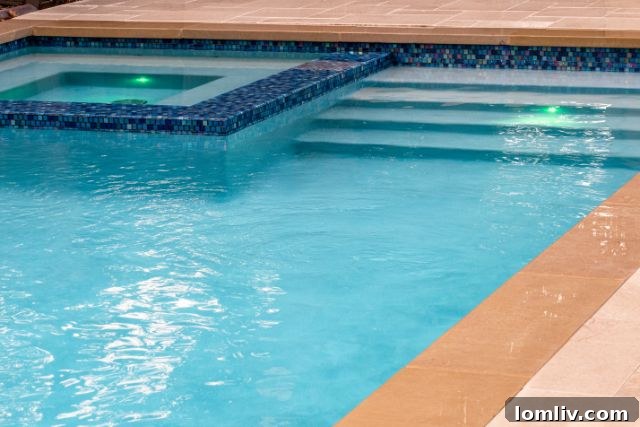
- Step 5: Decking, Coping, and Tile Installation: This stage adds the aesthetic and functional elements around your pool. The coping, which is the cap on the pool’s edge, is installed, followed by the decorative waterline tiles. Then, the decking material (concrete, pavers, natural stone, etc.) is laid out and finished, providing the surrounding patio space.
- Step 6: Interior Finish Application: The final interior surface, such as plaster, pebble, or tile, is applied to the pool shell. This step dramatically changes the pool’s appearance and waterproofing. Similar to the shell, the interior finish also requires a specific curing period before water can be introduced.
- Step 7: Final Fill, Equipment Setup, and Startup: After the interior finish has cured, your pool is filled with water. Simultaneously, the filtration system, pump, heater, and any automated control systems are installed and calibrated. A thorough system check and initial chemical balancing are performed, readying your pool for its first use.
Unforeseen Influences: Factors That Can Extend Your Pool Build
While the stages outlined above represent a typical progression, several variables can extend the overall timeline, often pushing the total duration beyond the initial estimate. Transparency about these potential delays is crucial for managing expectations.
Weather Interruptions
Rain is the most common culprit for construction delays. Heavy rainfall can halt excavation, shell application, and decking work, as wet conditions make it unsafe or impossible to proceed. Extreme temperatures (both hot and cold) can also affect the curing times of concrete and plaster, adding days or even weeks to the schedule.
Site Accessibility Challenges
Difficult access to your backyard (e.g., narrow gates, steep slopes, proximity to existing structures) can complicate excavation and material delivery, requiring specialized equipment or manual labor, which inherently takes more time.
Material and Labor Availability
Supply chain issues and shortages of specific materials (e.g., steel, PVC, pool equipment, finishes) can cause frustrating delays. Similarly, a shortage of skilled labor can mean longer wait times for specialized crews (e.g., gunite, electrical, plaster).
Client-Driven Changes and Decisions
While flexibility is important, making significant design changes after construction has begun can necessitate rework, re-ordering materials, and obtaining new permits, all of which will inevitably extend the timeline.
Inspection Schedules
Various stages of pool construction require mandatory inspections by local authorities. Delays in scheduling these inspections or failing an inspection (which then requires rework and re-inspection) can significantly impact the project’s flow.
The Current Landscape: Building a Pool in High Demand (The “New Normal”)
It’s crucial to acknowledge that the traditional “normal circumstances” have been significantly altered in recent years. The demand for in-ground pools has surged, leading to what we now consider the “new normal” for construction timelines.
Post-Pandemic Pool Boom
The increased desire for home entertainment and recreation, especially post-pandemic, has created an unprecedented demand for pool construction across the country. This means reputable builders often have extensive waiting lists.
Supply Chain Bottlenecks
Global supply chains continue to experience disruptions. Materials like steel, PVC piping, specific pool finishes, and even essential pool equipment (pumps, filters, heaters) can face prolonged lead times, sometimes extending for months. This directly impacts how quickly a project can progress.
Skilled Labor Shortages
The high demand has also exacerbated existing shortages of skilled tradespeople. Securing specialized crews for excavation, gunite application, and electrical work often requires advance booking, adding to the overall project duration.
Considering these factors, if your goal is to have your pool ready by a specific date, such as Memorial Day next year, starting the process as early as humanly possible is not just a recommendation—it’s a necessity. What used to be a reasonable four to five-month project can now easily stretch to six months or even more from initial contact to the first splash.
Why Partnering with a Reputable Pool Builder Matters
In a challenging market, the choice of your pool builder becomes even more critical. Opting for a well-established company like Hobert Pools offers significant advantages:
Established Relationships and Expedited Processes
A builder with long-standing relationships with suppliers often receives preferential treatment, potentially securing materials faster than newer or smaller companies. These relationships can help mitigate supply chain delays.
Expertise and Project Management
Experienced builders have refined project management systems, efficient scheduling practices, and a deep understanding of potential hurdles. They can foresee problems and proactively address them, keeping the project on track as much as possible.
Quality Assurance and Warranty
A reputable builder stands behind their work, offering comprehensive warranties and ensuring that your pool is built to the highest standards, providing peace of mind for years to come.
Planning Ahead: Your Timeline for a Spring Splash
Let’s revisit our Memorial Day example. Under normal circumstances, to have your pool ready by Memorial Day, you would ideally need to sign the contract by the beginning of March, or even February to be truly safe. With the current heightened demand, coupled with labor and material shortages, those timelines are simply no longer viable. If your aspiration is a spring debut for your new pool next year, you absolutely must initiate the process now.
In summary, during the busiest times of the year, and especially in today’s unique market, the entire process from your first contact with a builder to taking your first swim can realistically take five to eight months, or even longer for complex projects. While this may seem like a long wait, the result is a custom-built oasis that will provide enjoyment for decades.
Since these times are anything but typical, the sooner you get started, the better. Contact Hobert Pools today to begin designing your dream backyard and secure your spot in our construction schedule.