
The dream of homeownership has long stood as a cornerstone of the American ideal, representing stability, personal achievement, and a significant financial investment. For generations, people have aspired to own their own piece of the world, nurturing families and building equity within their beloved residences. However, the path to achieving or liquidating this dream has rarely been without its complexities.
Recent economic shifts have presented new hurdles for both buyers and sellers in the real estate market. While we observed a temporary surge in home sales during the initial phases of the COVID-19 pandemic, as detailed by Statista, the landscape has since transformed dramatically. Today, with the economy navigating various challenges, the frenetic pace has notably slowed across the U.S., impacting market dynamics and buyer confidence. This cooling trend means that selling a home is no longer as straightforward as it once was, requiring a more strategic approach from homeowners.

The process of buying or selling a home is inherently intricate. Prospective buyers often dedicate significant effort to cultivate strong credit scores and manage finances meticulously to qualify for competitive mortgage rates. On the flip side, sellers are frequently confronted with a protracted and often expensive journey to ensure their property commands a fair market price. Among the most common frustrations for sellers is the seemingly endless parade of home showings – a cycle that can be incredibly disruptive, time-consuming, and often yields no tangible results. The constant need to prepare a home for visitors, accommodate varying schedules, and repeatedly present the property can quickly become exhausting, especially when many of these showings fail to attract genuinely serious or qualified buyers.
This article aims to provide a clear and actionable roadmap, outlining three intelligent strategies designed to streamline the selling process. By adopting these methods, homeowners can significantly reduce the number of unnecessary showings, target only serious buyers, and ultimately move closer to a successful and less stressful sale.
1. Implement a Robust Pre-Qualification Process to Filter Buyers

Many sellers, in an earnest attempt to maximize exposure and attract a wider pool of potential offers, adopt an “open door” policy, allowing virtually anyone to tour their property. While this approach appears to cast a wide net, it often results in a significant expenditure of time and effort on individuals who are not genuinely prepared or financially positioned to purchase a home. Classic examples include open houses, which frequently draw a crowd of merely curious onlookers, neighbors, or individuals simply exploring options without any immediate intent to buy. These casual visits, while seemingly harmless, contribute to seller fatigue and divert valuable time from serious prospects.
The anecdotal evidence of open houses going awry is abundant and often humorous for outsiders. Reader’s Digest, for instance, compiled a collection of amusing real estate mishaps, ranging from unexpected pet “inspections” to guests forgetting basic etiquette. While these stories might provide a chuckle to readers, they are far from entertaining when you are the homeowner facing such disruptions firsthand. The privacy invasion, the constant cleaning, and the emotional toll of preparing your personal space for strangers can quickly become overwhelming.
To circumvent these common pitfalls and enhance the efficiency of your selling journey, integrating a pre-qualification step is indispensable. This proactive measure acts as a crucial filter, effectively weeding out unqualified or unserious buyers before they ever step foot in your home. Experienced real estate agents often mandate that potential buyers provide pre-approval documents from a lender. These documents serve as tangible proof that a buyer has been vetted by a financial institution, indicating their capacity to secure a mortgage up to a certain amount. This simple yet powerful requirement significantly streamlines the entire process, saving precious time for all parties involved – sellers avoid fruitless showings, and serious buyers demonstrate their commitment.
Beyond formal pre-approval letters, it’s also highly beneficial to ask for fundamental details during initial inquiries. This might include a buyer’s employment status, desired move-in timeline, current living situation, and any specific needs or preferences regarding the property (e.g., number of bedrooms, specific neighborhood requirements). By gathering this preliminary information, you can quickly assess whether a buyer’s profile aligns with your property and your selling goals, ensuring that scheduled showings are only for individuals who represent a genuine match and a strong potential for purchase.
2. Explore Cash Buyer Options for a Swift, As-Is Sale

If the prospect of navigating an endless stream of showings, managing repairs, and enduring protracted negotiations feels daunting, selling to a cash buyer can be an absolute game-changer. These specialized buyers are often companies or investors who possess the liquidity to purchase homes directly and quickly, typically “as-is.” This means sellers are spared the immense hassle and financial burden of undertaking costly repairs, staging the property, or engaging in back-and-forth price negotiations based on inspection reports. It represents a highly attractive alternative for homeowners who prioritize speed, convenience, and a straightforward transaction, whether they are facing an urgent relocation, dealing with an inherited property, or simply need rapid access to their home’s equity.
The inherent advantages of selling to a cash buyer extend beyond just avoiding repairs. As highlighted by johnbuysbayareahouses.com, homeowners can largely sidestep the often-stressful requirements of extensive cleaning, decluttering, and preparing for multiple inspections. The traditional home selling process is fraught with contingencies—financing, appraisal, and inspection being the most common. Cash buyers typically eliminate financing and appraisal contingencies altogether, and their “as-is” offers often mitigate the impact of inspection findings, making the entire process demonstrably smoother and significantly less prone to unexpected delays or deal collapses.
Consider, for instance, homeowners in regions susceptible to natural disasters, such as San Francisco, where properties might sustain damage from earthquakes or fires. Faced with the daunting prospect of expensive and time-consuming repairs, finding a conventional buyer willing to take on a distressed property can be exceedingly difficult. In such scenarios, cash buyers offer an invaluable, no-fuss solution. They are prepared to make a direct, fair offer based on the property’s current condition, allowing sellers to bypass the enormous stress, financial outlay, and logistical nightmare of fixing up the house. This path allows sellers to close quickly, often with just a single, initial showing to assess the property, thereby accelerating the timeline significantly before sealing the deal. While the offer from a cash buyer might sometimes be slightly below market value compared to a retail sale, the trade-off in terms of saved time, stress, and repair costs often makes it the most financially and emotionally prudent choice for many sellers.
3. Leverage Targeted Listings and Strategic Marketing

Rather than adopting a broad, indiscriminate approach that often leads to an overwhelming number of unproductive showings, a far more effective strategy involves focusing intently on attracting the *right* buyers from the very outset. This precision-focused method hinges on crafting a compelling narrative for your property and presenting it in a way that resonates with your ideal buyer demographic. A well-crafted listing, enriched with professional, high-quality photographs and a meticulously detailed, engaging description, acts as an initial, powerful filter. It helps prospective buyers self-qualify, ensuring that only those with a genuine interest and whose needs align with your home’s offerings will pursue further engagement, thus significantly reducing wasted showings.
Understanding your target audience is paramount. For example, if your aim is to attract Gen Z buyers, your marketing strategy must be tailored to their distinct preferences and values. This generation often prioritizes features such as cutting-edge energy-efficient designs, dedicated home office or flexible workspaces, and smart home technology. According to research by EY, sellers should deeply consider the defining characteristics of Gen Z homebuyers: they are intuitive, authentic, and pragmatic. This translates to a demand for homes that are not only practical and comfortable but also eco-friendly, sustainable, and reflective of their personal values and lifestyle choices.
The choice of platform for your listing is equally critical in reaching your desired audience. Attempting to reach younger buyers by listing your home solely in a traditional print magazine, for instance, is unlikely to yield significant traction. In contrast, modern digital channels offer unparalleled opportunities for targeted outreach. Social media platforms and dedicated online real estate portals provide dynamic avenues to showcase your property with stunning visuals, immersive virtual tours, and highly shareable content. Platforms like Instagram, TikTok, Facebook, and professional real estate websites (e.g., Zillow, Redfin, Realtor.com) allow sellers to create rich, multimedia experiences that draw in potential buyers. Many contemporary buyers now expect to conduct a thorough virtual exploration of a home online before committing to an in-person visit. This digital-first approach naturally and effectively curtails the number of unproductive showings, directing serious, pre-filtered interest to your doorstep.
Sealing the Deal: Smart Strategies for an Efficient Home Sale
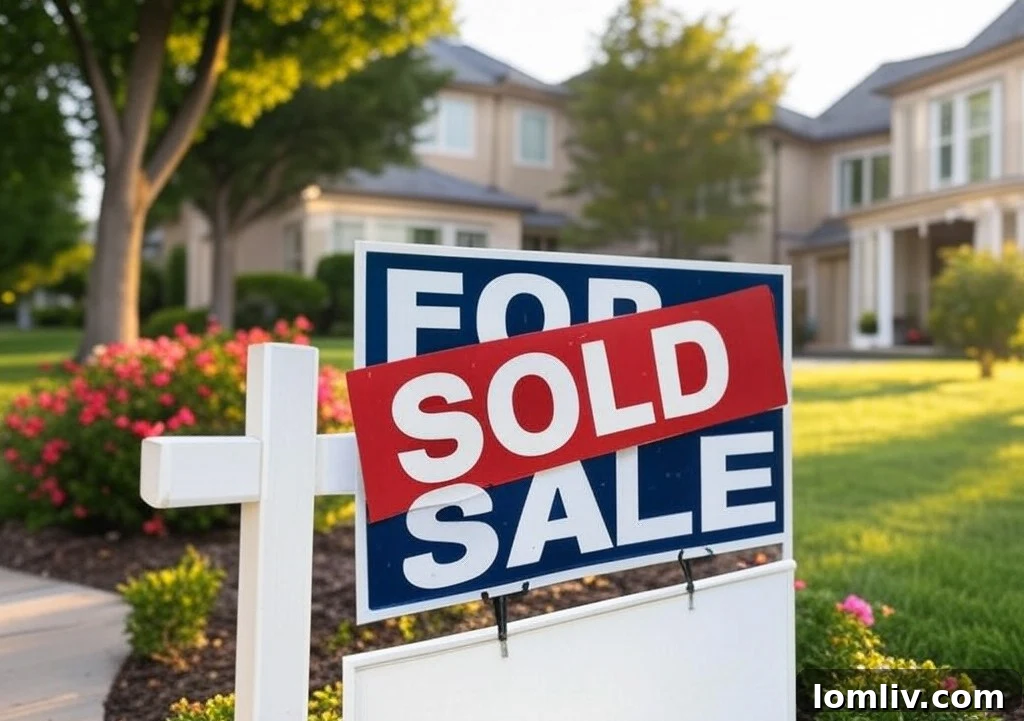
The journey of selling a house, particularly in a dynamic market, can often feel like an overwhelming endeavor. However, by strategically implementing intelligent and proactive measures, you can transform this complex process into a remarkably smoother, more efficient, and ultimately less stressful experience. The key lies in minimizing the disruption caused by unnecessary showings and channeling your efforts towards genuinely serious and qualified buyers.
To expedite the process and secure the right buyer more quickly, focus on these three powerful strategies: meticulously pre-qualify potential buyers to ensure their financial readiness and genuine interest, consider the compelling advantages of cash offers for an “as-is” sale when speed and convenience are paramount, and precisely target your marketing efforts to resonate with your ideal demographic. By adopting this integrated approach, you effectively eliminate wasted time, reduce emotional strain, and foster a sense of confidence that your home sale is progressing precisely according to your well-laid plans. This strategic mindset not only streamlines the path to closing but also empowers you to achieve the best possible outcome for your valuable asset.