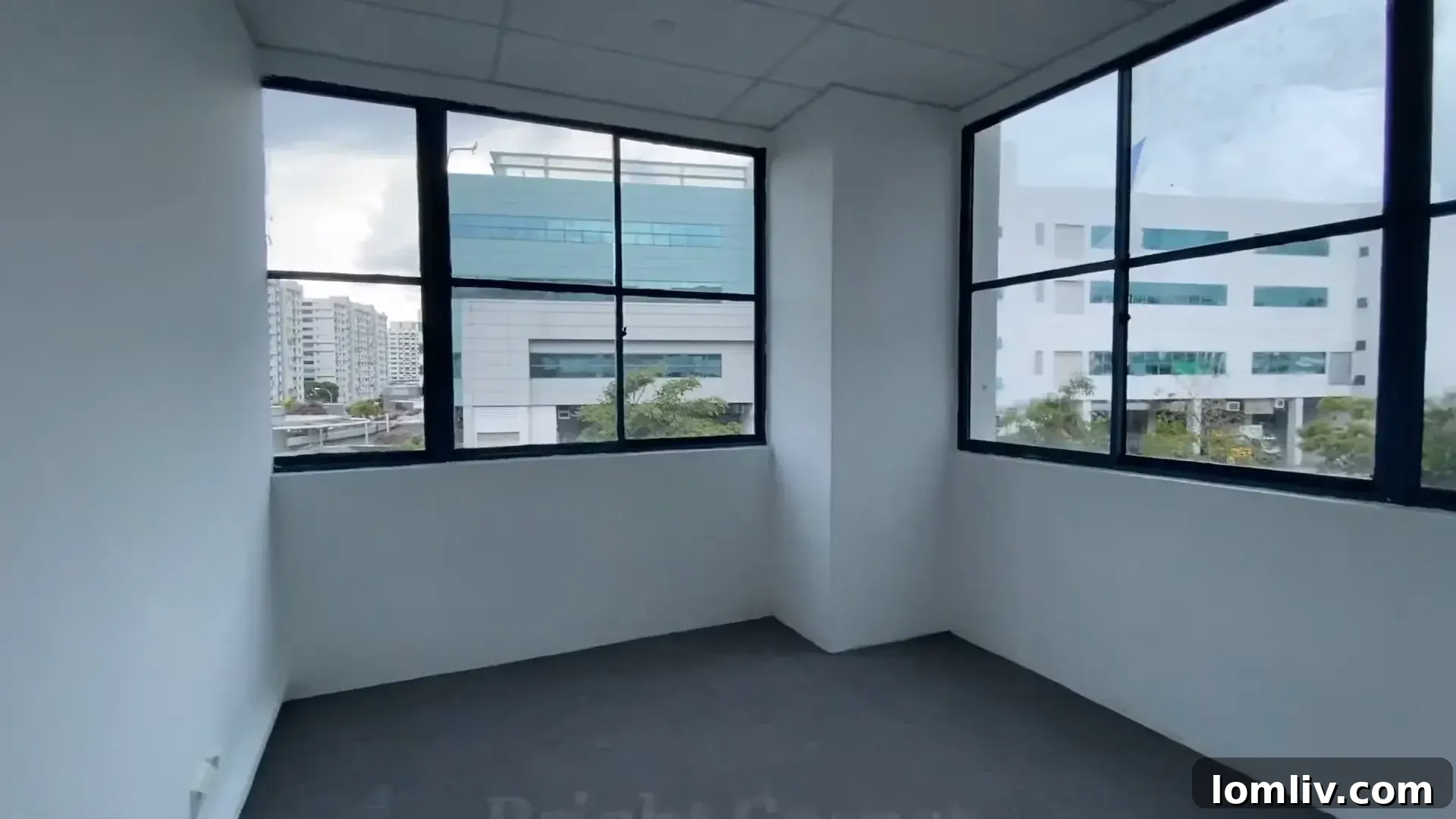
DALTX regularly delves into the dynamic world of international real estate, and this time, our journey takes us to the vibrant island nation of Singapore! Known globally as a premier financial and business hub, Singapore offers unparalleled opportunities for growth and innovation. However, navigating its competitive real estate market, especially when searching for the perfect workspace, can be a complex endeavor. This comprehensive guide is designed to empower entrepreneurs, startups, and small business owners with the essential knowledge and strategies for finding small office space for rent in Singapore that perfectly aligns with their aspirations.
Are you an aspiring entrepreneur or the owner of a burgeoning small business in Singapore, keenly aware of the critical need for a dedicated office space? The quest to secure an ideal small office can often feel daunting, given the intense competition that characterizes the Singaporean market. It’s a challenge many face, but rest assured, it is entirely attainable with a well-thought-out plan and a strategic approach. Imagine being just a few steps away from securing that perfect workspace – a place that not only meets your operational needs but also fosters rapid business growth and reflects your professional image. This detailed guide will walk you through every crucial step, from initial planning to securing the keys, ensuring you make an informed decision when searching for a small office space for rent in Singapore.
Determining Your Core Office Space Needs
Before embarking on your search for a small office space for rent, the foundational step involves a thorough assessment of your business’s specific requirements and long-term objectives. This clarity will serve as your compass, guiding you through the multitude of options available in Singapore’s diverse real estate landscape. A clear understanding of what you need will prevent unnecessary viewings and help you focus on properties that truly fit your vision. Consider the following pivotal factors to define your ideal workspace:
- Size and Layout: Begin by accurately estimating the square footage your team and essential equipment currently require. Crucially, factor in potential future growth over the next 1-3 years. Will you be expanding your team? Do you anticipate needing more storage or specialized equipment? Beyond sheer size, consider the optimal layout for your operations. An open-plan design can foster collaboration and a vibrant atmosphere, ideal for creative teams. Conversely, private offices offer quiet concentration and confidentiality, suitable for consultants or legal firms. A hybrid approach, combining open areas with private meeting rooms or smaller offices, often provides the best of both worlds, promoting both teamwork and individual focus. Think about essential zones like reception, workstations, meeting rooms, a pantry, and even quiet areas for focused work or relaxation.
- Strategic Location: The adage “location, location, location” holds immense truth in commercial real estate. Your office’s geographical placement significantly impacts accessibility for your team, convenience for clients, and proximity to suppliers. Evaluate the importance of being near major public transportation nodes like MRT stations and bus interchanges, which are crucial for employee commutes in Singapore. Consider the surrounding ecosystem: access to F&B outlets for lunches and client meetings, banks, postal services, and other essential amenities. Furthermore, think about the prestige and image associated with certain business districts versus the cost-effectiveness of others. Locations like the Central Business District (CBD) convey a strong corporate image but come with a premium, while areas like One-North or Jurong East offer vibrant innovation hubs with potentially more competitive rents.
- Realistic Budget Allocation: Establishing a comprehensive and realistic budget is paramount. Your budget must encompass not only the monthly rental fee but also an array of associated expenses that can significantly impact your overall costs. These typically include utilities (electricity, water, air conditioning), maintenance fees or service charges for common areas, property taxes (if applicable), and potentially agent commissions or legal fees for lease review. Furthermore, consider the upfront costs such as security deposits (often several months’ rent) and any fit-out or renovation expenses if you opt for a bare traditional space. Having a clear financial framework will help you filter out unsuitable options and negotiate effectively.
- Essential Amenities and Services: Create a detailed list of amenities and services that are critical for your business’s smooth operation and your team’s productivity. High-speed internet and robust IT infrastructure are non-negotiable in today’s digital age. Meeting rooms are vital for client presentations and internal discussions, so consider their availability and booking systems. Reception services can project a professional image and handle administrative tasks. Other considerations might include pantry facilities, cleaning services, 24/7 access, security, parking availability, and even wellness facilities like a gym or breakout zones. Be aware that while some premium office spaces offer a plethora of amenities included in the rent, others may charge extra for specific services or usage, which should be factored into your budget.
Exploring Types of Small Office Spaces for Rent in Singapore
Singapore’s dynamic commercial real estate market presents a rich tapestry of options for small office spaces, each tailored to different business models and operational preferences. Understanding the distinctions between these types will enable you to choose the environment that best supports your company’s unique needs and growth trajectory. Here are some of the most common and popular types of small office solutions available:
- Serviced Offices: These are turn-key solutions that offer fully furnished private offices within a larger business center. Serviced offices typically come equipped with essential amenities such as high-speed internet, telephone lines, and often include professional receptionist support, IT infrastructure, and access to shared meeting rooms. Their primary appeal lies in their flexibility and convenience, making them ideal for startups, foreign companies establishing a presence in Singapore, or project teams requiring immediate setup without significant upfront investment. Lease terms are highly flexible, ranging from a few months to a year or more, and often include utilities and cleaning services, simplifying operational management.
- Coworking Spaces: Coworking spaces have revolutionized the concept of office rental, offering shared environments where individuals or small teams can rent a desk (hot desk or dedicated desk) or a private office. Beyond the physical workspace, coworking environments are renowned for fostering a vibrant community spirit, facilitating networking opportunities, and providing access to shared amenities like lounges, kitchens, event spaces, and sometimes even mentorship programs. They represent a cost-effective solution for freelancers, solopreneurs, digital nomads, and small businesses seeking an energetic, collaborative atmosphere without the burden of long-term leases or extensive operational overhead. Many offer flexible membership plans to suit varying needs.
- Traditional Office Spaces: For businesses seeking greater control, privacy, and the ability to fully customize their workspace, traditional office spaces remain a compelling option. These are typically standalone units leased directly from a landlord to an individual tenant. While they offer the highest degree of autonomy in terms of layout, branding, and fit-out, they also come with longer lease commitments (often 2-3 years or more) and require a significant upfront investment in furnishings, equipment, and potentially interior design and renovation. This option is generally preferred by more established small businesses that have a clear long-term vision, require specific infrastructure, or value a distinct, private brand presence.
- Micro-Offices and Business Centres: Positioned somewhat between serviced offices and conventional spaces, micro-offices or units within dedicated business centers cater specifically to very small businesses, often one to five-person teams. These units are typically smaller than traditional offices but offer more privacy than a hot desk in a coworking space. While they may not always include the full suite of services found in a serviced office (like a dedicated receptionist), they often provide shared access to basic amenities such as meeting rooms, pantry facilities, and a professional business address. They present a cost-effective bridge for businesses that have outgrown home offices but aren’t ready for the commitments of a traditional lease or the fully-serviced premium.
- Shophouse Offices: Unique to Singapore and other parts of Southeast Asia, shophouse offices offer a blend of heritage charm and modern functionality. These beautifully preserved buildings, often found in areas like Telok Ayer, Tanjong Pagar, or Little India, provide distinctive workspaces that can enhance a brand’s identity, particularly for creative industries, design firms, or boutique agencies. While they offer a unique aesthetic and often occupy prime locations, tenants should be aware of potential limitations regarding modern infrastructure, accessibility, and renovation restrictions due to conservation guidelines. They are an excellent choice for businesses looking to make a unique statement.
Strategic Tips for Securing Your Perfect Small Office Space for Rent
Once you have a clear understanding of your needs and the types of office spaces available, the next phase involves actively pursuing and securing the ideal space. This stage requires diligence, strategic negotiation, and careful planning to ensure a smooth transition and a successful long-term tenancy. Follow these steps to maximize your chances of securing a small office space that perfectly fits your business, quickly and efficiently:
Schedule Viewings and Conduct Thorough Inspections
Once you’ve shortlisted office spaces that align with your criteria, arrange viewings promptly. During each visit, go beyond a cursory glance. Conduct a thorough inspection of the space, paying close attention to the overall condition, the availability and functionality of existing facilities (e.g., electrical outlets, air conditioning, plumbing), and any potential limitations or maintenance issues. Observe the amount of natural light, the quality of ventilation, and ambient noise levels, as these factors significantly impact employee well-being and productivity. Don’t hesitate to test switches, taps, and doors. If possible, speak to existing tenants in the building to gather insights into management efficiency, common area maintenance, and overall building environment. Take plenty of photos or videos to help you recall details later.
Skillful Negotiation of Lease Terms
Never underestimate the power of negotiation. Engage with the landlord or office provider to discuss various lease terms beyond just the headline rent. You might be able to negotiate a better rental price, secure a rent-free period for fit-out work, or obtain additional amenities or services. Key terms to consider negotiating include the lease duration, renewal options, break clauses (allowing early termination under specific conditions), security deposit amount, maintenance responsibilities, and clauses related to renovation or alteration. Clearly articulate your business needs and priorities during negotiations; this collaborative approach often leads to mutually beneficial solutions. Remember that a well-negotiated lease can save your business significant costs over time.
Diligent Review of the Lease Agreement
Before committing to any agreement, it is absolutely crucial to read and understand every single term and condition embedded within the lease agreement. This document is legally binding and will govern your tenancy for the agreed period. Ensure you are fully aware of your rights, your responsibilities, and the landlord’s obligations. Pay particular attention to clauses concerning rent escalations, termination conditions, repair and maintenance liabilities, insurance requirements, sub-letting policies, and any penalties for late payments or early termination. It is highly advisable to consult with a qualified lawyer specializing in commercial real estate to review the entire agreement. Legal counsel will ensure that all terms are fair, comprehensive, and protect your business interests, identifying any hidden costs or unfavorable clauses.
Comprehensive Planning for Moving and Setting Up
Once your small office space is secured, the logistical phase of moving and setting up begins. Coordinate closely with the landlord or office provider regarding any necessary renovations, furnishing, or equipment installation. Develop a detailed timeline for the move, encompassing everything from engaging professional movers to setting up utilities (electricity, water, internet) and configuring your IT infrastructure. Communicate this timeline clearly with your team, ensuring minimal disruption to operations. Consider whether you need to apply for any specific permits for renovations or signage. Plan for the arrangement of furniture, the setup of workstations, and the establishment of essential services to ensure your new workspace is functional and ready for business from day one.
Leveraging Professional Real Estate Expertise
Navigating the intricacies of Singapore’s commercial real estate market can be complex. Engaging the services of a professional real estate agent specializing in commercial or office leasing can be invaluable. These experts possess in-depth market knowledge, can provide access to off-market listings, and have extensive experience in negotiating favorable lease terms on behalf of tenants. They can streamline your search, save you time, and often secure better deals than you might achieve independently. Furthermore, for interior design, fit-out works, and IT infrastructure setup, consider consulting with specialized contractors who understand the unique requirements of commercial spaces and local regulations.
Ensuring Regulatory Compliance
Singapore has strict regulations concerning commercial properties. Before finalizing your space, ensure that your intended business activities comply with the Urban Redevelopment Authority (URA) guidelines for the specific property. Certain types of businesses may have restrictions on particular land uses or locations. Furthermore, be aware of fire safety regulations and any permits required for renovations or alterations. Registering your business at the new address and updating all official records is also a crucial step. Ensuring compliance from the outset will prevent future legal issues and operational hurdles.
Overall, finding the ideal small office space for rent in Singapore, while challenging due to its status as a bustling global business center, is a highly achievable goal for diligent entrepreneurs and small business owners. The intense demand, fueled by both local and international enterprises, underscores the importance of a strategic and informed approach. By meticulously defining your needs, understanding the diverse range of office solutions available, and executing a well-planned search and negotiation process, you can confidently secure a workspace that not only meets your current demands but also propels your business towards sustained growth and success. Remember, a clear understanding of your requirements and a strategic choice of office type are the cornerstones of a successful tenancy in Singapore’s competitive real estate landscape.