Mandarin Oriental Honolulu: Unpacking the Promise of Luxury Amidst Urban Flux
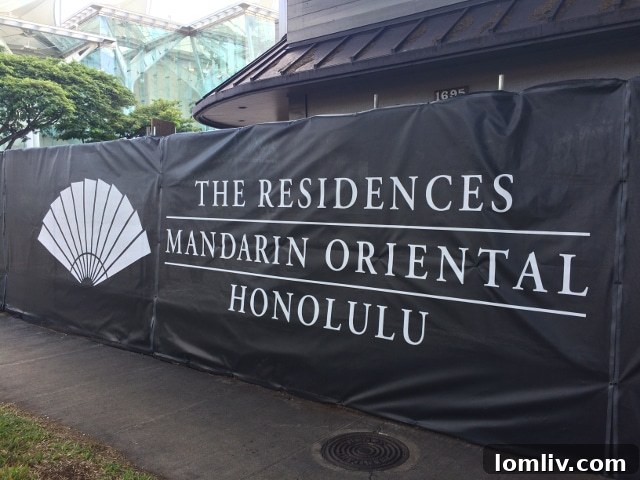
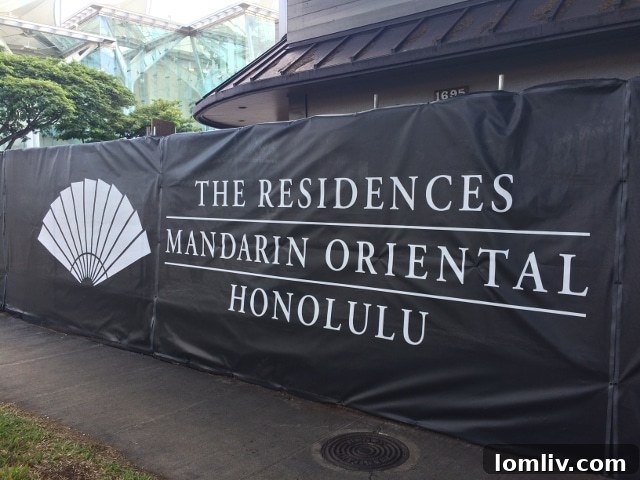
The initial sight of construction fencing going up for the Mandarin Oriental at Mana’olana Place, directly across from the Honolulu Convention Center, naturally sparked significant curiosity. For many familiar with the landscape of global luxury hospitality, a Mandarin Oriental project often signifies an exceptional location, refined elegance, and an experience meticulously curated for the discerning traveler. However, this particular venture in Honolulu’s Ala Moana district presents a unique set of circumstances, prompting a closer examination of its placement, target market, and the broader implications for urban development in Hawaii.
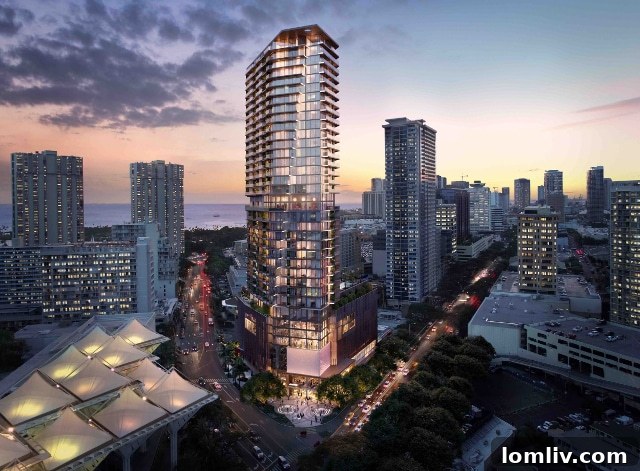
The choice of location for a brand synonymous with ultra-luxury is paramount. Typically, Mandarin Oriental properties are situated in prime, iconic spots, offering either breathtaking natural vistas or commanding positions within vibrant cultural and business hubs. The Mana’olana Place development, while strategically located within a transforming urban corridor, raises questions about how well its immediate environment aligns with the brand’s established image and the high expectations of its clientele. This nuanced interplay between brand prestige and local reality forms the core of the ongoing discussion surrounding this ambitious project.
Ala Moana’s Evolving Identity: A Location Under the Microscope
A key marketing claim frequently used for the Mandarin Oriental Honolulu asserts its proximity to the beach, often described as “steps away.” While technically true in a broader geographical context, the practical experience for those looking to enjoy Honolulu’s famous shores might differ from the idyllic imagery. The reality of traversing urban streets, potentially laden with beach chairs, towels, coolers, and sunscreen, can quickly transform a leisurely stroll into a somewhat cumbersome journey. This isn’t the direct, seamless beachfront access often associated with premier luxury resorts in Hawaii, which could be a significant consideration for both potential residents of the 99 exclusive condos and guests occupying the 125 hotel rooms.
The Immediate Environment: Urban Realities and Luxury Expectations
Beyond the beach access, the immediate surroundings of the Mana’olana Place development contribute to its distinctive urban character. The property finds itself adjacent to a cluster of entertainment venues that, while part of a dynamic city, might not align with the serene, exclusive atmosphere typically sought by luxury clientele. Furthermore, its direct location across from the Honolulu Convention Center, an establishment envisioned decades ago as a perpetual hub of activity, often experiences periods of quiet outside major events. This fluctuating level of street vibrancy can present a less-than-ideal impression for a property aiming to embody constant allure and sophistication.
This intersection of a world-renowned luxury brand with a transitioning urban landscape in Ala Moana encapsulates a broader narrative of Honolulu’s ongoing metamorphosis. As districts like Kaka’ako, Waikiki, and downtown Honolulu increasingly merge, the Ala Moana area is undoubtedly becoming more central and integrated into the city’s expanding urban core. However, this evolution is a multi-year, complex process. For those making significant investments in luxury residences or choosing a high-end hotel stay, the prospect of being a direct observer to a neighborhood in active transition, rather than an established, perfectly polished destination, may not entirely align with their expectations for immediate, unadulterated luxury.
Hawaii’s Ultra-Luxury Market: Skyline Transformation and Occupancy Debates
The construction boom across Honolulu, particularly evident in areas like Kaka’ako and Ala Moana, reflects a concentrated focus on the ultra-luxury market. These towering residential structures are primarily designed not for the local populace seeking primary residences but for a global elite. These properties often function as opulent second homes or strategic investment vehicles for international buyers who may spend a few weeks a year basking in Hawaii’s unique charm, while their asset steadily appreciates. This trend has profoundly reshaped Honolulu’s skyline and ignited extensive discussions about urban planning and community integration.
The “Empty Box” Phenomenon: Addressing Occupancy and Socio-Economic Impact
A significant concern within Honolulu’s luxury real estate sector revolves around the actual occupancy rates of these high-end developments. Reports from various newly completed luxury buildings suggest average occupancy rates can hover around a surprisingly low 10 percent. This observation leads to the critical concept often termed the “empty box” phenomenon: architecturally stunning, lavishly appointed buildings that largely remain vacant for much of the year. This situation raises pertinent questions about the true vitality these projects bring to the urban fabric and the wider community.
The implications of such low occupancy are multifaceted. Properties like the Mandarin Oriental Honolulu require a substantial staff — from concierges and security personnel to housekeeping and hospitality professionals. These individuals, many of whom are local residents, are employed to ensure the impeccable maintenance and pristine service standards expected of a luxury brand. However, they often find themselves dedicated to serving a largely absent clientele. This dynamic sparks important conversations about socio-economic equity, the efficient allocation of local resources, and the tangible benefits these developments genuinely offer to Honolulu’s broader community beyond job creation in the service sector.
The adjacent Kaka’ako district offers a parallel study in this transformative yet often debated development model. While Kaka’ako has undeniably seen an influx of trendy boutiques, acclaimed restaurants, and vibrant art installations, its core residential growth mirrors Ala Moana’s focus on high-end, often transient, ownership. The aspiration for these neighborhoods to evolve into truly super-vibrant, consistently bustling urban centers — akin to established global metropolises — faces a substantial challenge when a significant portion of their luxurious residential units are only sporadically occupied. Genuine urban vibrancy typically thrives on consistent human activity, robust local engagement, and a stable, integrated residential population, elements that the prevailing investment-driven luxury market occasionally undermines.
The Mandarin Oriental Brand: Reputation Confronts Reality
The Mandarin Oriental brand carries an illustrious reputation worldwide. It conjures images of serene Asian-inspired aesthetics, unparalleled five-star service, and an unwavering commitment to delivering an extraordinary, seamless luxury experience. Guests and residents of a Mandarin Oriental property invariably anticipate a pinnacle of sophistication, privacy, and impeccable service that unequivocally justifies its premium price point. This expectation extends beyond the confines of the interior design and amenities to encompass the entire ambiance and prestige of its surrounding location.
Within this context, the unique challenges posed by the Honolulu location — its immediate urban adjacency, the characteristics of a neighborhood in transition, and the prevailing market dynamics of low occupancy among similar luxury residences — present an intriguing test for the brand. The crucial question emerges: Can the legendary service, exquisite interior design, and world-class amenities of the Mandarin Oriental elevate the overall guest and resident experience to such an exceptional degree that it effectively transcends any external environmental factors? Or will the pragmatic realities of the location subtly, yet significantly, reshape the perception of luxury for its discerning global clientele, prompting a re-evaluation of what constitutes a “prime” luxury address in an evolving urban landscape?
Looking Ahead: Honolulu’s Urban Evolution and the Future of Luxury
Honolulu currently stands at a pivotal juncture in its urban development. The city’s ambitious vision to transform its core into a dynamic, globally recognized metropolis is unequivocally reflected in the relentless pace of construction and redevelopment. The gradual merging of key districts such as Ala Moana, Kaka’ako, and downtown suggests a future where the city is more interconnected, offering a diverse and rich array of experiences to both residents and visitors alike. However, the journey toward achieving a truly vibrant, sustainable, and inclusive urban ecosystem is inherently complex and multifaceted.
For high-profile projects like the Mandarin Oriental Honolulu, long-term success will likely be measured not solely by impressive sales figures or robust hotel booking rates, but by its capacity to integrate meaningfully and symbiotically into the city’s future. Can it successfully attract a demographic that genuinely contributes to the local economy, culture, and social fabric beyond mere asset appreciation? Will the Ala Moana area, with its unique blend of convention facilities, world-class retail destinations like the Ala Moana Center, and burgeoning luxury residences, forge a cohesive identity that authentically resonates with both its sophisticated international visitors and its cherished local inhabitants?
The compelling questions surrounding the Mandarin Oriental Honolulu are highly emblematic of a much larger, ongoing global conversation about luxury development within highly desirable, yet continually evolving, urban environments. It represents a delicate and often precarious balance between attracting substantial global capital and simultaneously fostering a genuinely sustainable, vibrant, and inclusive community. This project undoubtedly piques immense curiosity, not just for the unparalleled luxury it promises, but crucially, for the invaluable insights it offers into the profound and continuous transformation of one of the world’s most unique and beloved island cities. Only the passage of time will reveal whether this ambitious endeavor fully blossoms into the iconic landmark it unequivocally aspires to be, or if it will remain a luxurious beacon in a neighborhood still actively searching for its ultimate, definitive identity.
For additional perspectives on this project and similar luxury developments in the region, you can read more about this project on SecondShelters.com, offering further insights into the complexities of high-end real estate.