

Thank you Capital One for sponsoring this post.
Maximizing Your Home’s Value: A Guide to Smart Renovations and Home Equity Financing
Your home isn’t just a place to live; it’s likely the largest and most significant investment you’ll make in your lifetime. In today’s dynamic real estate market, where property values continue their upward trend, strategically enhancing your home’s appeal and functionality is paramount to maximizing its long-term financial potential. Smart home improvements not only enrich your daily living experience but also significantly boost your property’s market value, making it a more attractive asset should you decide to sell.
Having spent many years observing the real estate landscape as a reporter, and now equipped with a real estate license, I’ve witnessed firsthand the transformative power of well-executed home improvement projects. From minor cosmetic refreshes to ambitious full-scale renovations, these endeavors consistently add substantial monetary value to a home. It’s an undeniable truth that modern homebuyers are increasingly seeking “turn-key” properties. They often lack the time, vision, or desire to undertake extensive remodels themselves, preferring homes that are move-in ready and aesthetically updated.
However, the reality of home renovations is that they come with a price tag. Whether you’re planning a subtle upgrade or a complete overhaul of a dated space, funding these projects requires careful consideration. For many homeowners, leveraging the equity they’ve built in their property through a home equity loan or a home equity line of credit (HELOC) proves to be the most practical and advantageous solution.
High-Impact Renovations: Projects That Deliver Significant Value
In a previous discussion, we explored the impact of thoughtful landscaping on home value, particularly within the DFW area, and how homeowners are using home equity financing to realize their outdoor living aspirations. Building on that theme, this article will delve into other popular and highly effective home improvement projects I frequently encounter across North Texas and beyond, highlighting their potential to substantially increase your home’s appeal and market price.
The Kitchen: The Ultimate Value Driver and Heart of the Home
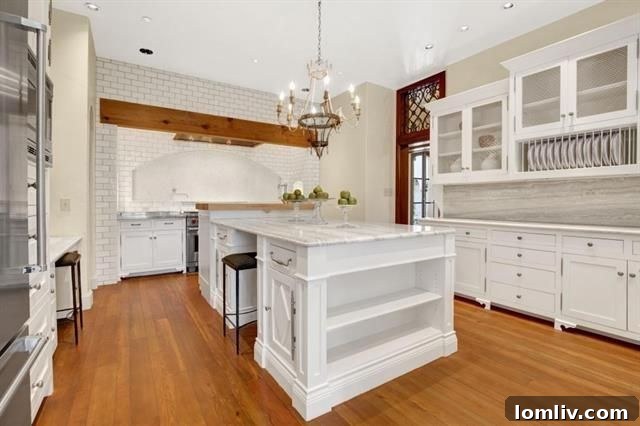
The kitchen is arguably the most vital space in any home, serving as a hub for cooking, entertaining, and family gatherings. Consequently, a significant portion of homeowners are investing in either a comprehensive kitchen renovation or a targeted upgrade. These projects are primarily driven by the desire to replace worn-out surfaces, modernize outdated finishes and materials, and dramatically improve the space’s functionality and livability. A well-designed kitchen not only makes daily life more enjoyable but also offers one of the highest returns on investment among all home improvements.
According to the esteemed 2015 Remodeling Impact Report published by the National Association of Realtors, kitchen remodels consistently rank as a top Realtor-recommended project for boosting a home’s value and significantly aiding in a swift and successful sale. But what exactly defines a sought-after kitchen in today’s market?
Current trends lean towards sophisticated simplicity and enhanced practicality. We’re seeing a huge demand for luxurious yet durable materials like marble or quartz countertops, which offer both beauty and resilience. European-style flat-front cabinets are gaining immense popularity for their sleek, minimalist aesthetic, contributing to a clean and uncluttered look. Hardware and fixtures in soft gold finishes are exceptionally hot right now, adding a touch of understated elegance and warmth. Crucially, an open-concept floor plan that seamlessly connects the kitchen with the living and dining areas is a highly desired feature. This design fosters a sense of spaciousness and encourages social interaction, particularly beneficial for families with young children, allowing parents to easily supervise activities while preparing meals.
Gone are the days of the small, restrictive eating bar. Millennial buyers, in particular, prefer expansive stretches of continuous counter space. A simple yet highly effective upgrade can be achieved by removing a dated breakfast bar and extending your existing granite or quartz counters to a uniform, elongated level. This creates more workspace, improves flow, and presents a more contemporary look, adding incredible perceived value to your kitchen.
When considering costs, a moderate kitchen upgrade, involving updates to surfaces and fixtures, typically ranges between $20,000 and $30,000. For a complete kitchen renovation, which often includes reconfiguring the layout, replacing major appliances, and custom cabinetry, homeowners can expect to invest roughly $40,000 to $60,000, as reported by the Remodeling Impact Report. While these figures represent a substantial investment, the increase in home value and enhanced buyer appeal often justify the expense, making it a financially sound decision.
The Master Bathroom: Creating a Private Spa Sanctuary
Beyond the kitchen, another high-impact renovation that consistently adds significant value is a master bathroom refresh or complete overhaul. Like kitchen projects, a modernized and luxurious master bath is a top Realtor-recommended improvement, as highlighted by the same 2015 Remodeling Impact Report. Buyers are increasingly seeking a personal sanctuary—a spa-like retreat within their own homes.
So, what features make a master bathroom truly stand out and offer the best return on investment? Think luxury, functionality, and timeless elegance. Carrera marble, with its distinctive veining, remains a perennial favorite for countertops, floors, and shower surrounds, exuding sophistication. Dual vanities are almost a prerequisite in modern master baths, providing essential personal space for couples. Ample, smartly designed storage solutions are also critical, helping to maintain a clutter-free environment.
The shower itself is a focal point. Frameless glass showers not only look incredibly chic but also create an illusion of greater space and light. Complementing these, freestanding soaker tubs offer a touch of opulence and a luxurious bathing experience. It’s worth noting a common design evolution: the traditional knee space under a vanity, once used for seating, is now often converted into additional storage, reflecting a preference for practical space utilization over vanity seating. Furthermore, the newer vessel tubs are frequently designed for easier entry and exit compared to older, built-in models, making them more accessible and appealing to a wider range of buyers. These amenities resonate strongly with buyers, creating a luxurious and desirable atmosphere.
For those looking to truly elevate their bathroom to a five-star spa experience, consider adding heated floors, a delightful luxury on chilly mornings, or even heated towel racks for that extra touch of pampering. These thoughtful additions, while perhaps not yielding the highest direct ROI, certainly enhance the home’s perceived luxury and can tip the scales for discerning buyers.
According to the 2015 Remodeling Impact Report, the average cost for a master bathroom renovation typically falls between $15,000 and $26,000. By focusing on these key features and aiming for a spa-like ambiance, homeowners can ensure their investment translates into a significant boost in property value and buyer desirability.
Financing Your Home Improvement Dreams: Understanding Home Equity
Now that we’ve explored some of the most impactful home improvement projects, the natural next question is: how do you finance these significant undertakings? For most homeowners, having tens of thousands of dollars readily available in savings is simply not feasible. This is where leveraging the equity you’ve diligently built in your home becomes an incredibly smart and common choice. Home equity loans and home equity lines of credit (HELOCs) offer distinct advantages over unsecured personal loans or credit cards, making them ideal financing tools for renovation projects.
The primary benefits of utilizing your home’s equity include typically lower interest rates compared to unsecured loans, which translates into more manageable monthly payments. Furthermore, the interest paid on a home equity loan or HELOC is often tax-deductible, similar to the interest on your primary mortgage (consult a tax advisor for details). Lastly, many reputable home equity lenders, including Capital One, frequently offer options with no closing costs or origination fees, though it’s important to be aware of potential penalties if the balance is paid off much earlier than the agreed term.
Home Equity Loan: Predictable Payments for Defined Projects
A home equity loan is generally your best option if you have a clear budget for your renovation project and prefer the stability of predictable, even payments over time. With a home equity loan, borrowers receive a single lump sum of cash upfront, providing immediate access to the funds needed for their project. This amount is then repaid on a regular, fixed schedule over a set period, typically ranging from five to twenty years, at a fixed interest rate. This certainty in payments and interest rates makes budgeting straightforward and provides peace of mind.
Ideal scenarios for a home equity loan include major renovations like a complete kitchen overhaul, adding a new room, or a substantial bathroom remodel where the total project cost is well-defined. The stability of a fixed interest rate ensures that your monthly payments won’t fluctuate, protecting you from potential market rate increases throughout the loan term.
Home Equity Line of Credit (HELOC): Flexibility for Evolving Project Needs
For homeowners whose renovation projects might be phased, have uncertain timelines, or whose budget needs are less rigid, a home equity line of credit (HELOC) often proves to be the most flexible solution. A HELOC functions much like a credit card, but without the physical plastic, using your home as collateral. You are approved for a maximum credit limit, based on a percentage of your home’s equity, and you can draw funds as needed, up to that limit.
Funds from a HELOC are typically accessible through various convenient methods, including online transfers, checks, or even a dedicated debit card provided by the lender. This allows homeowners to borrow only what they need, when they need it, making payments on the drawn amount. While the interest rate on a HELOC is typically variable, many lenders offer options to lock in a fixed rate for certain portions of your balance at the time the line of credit is established or during the draw period, offering a hybrid of flexibility and stability. Homeowners also have the choice to make interest-only payments during the initial draw period, which often lasts 10 years, offering lower immediate monthly obligations.
A HELOC is particularly well-suited for projects with an evolving scope, multiple smaller projects over time, or unexpected expenses that might arise during a renovation. Its flexible nature allows you to manage your project budget dynamically without over-borrowing or incurring interest on funds you haven’t yet used.
Choosing the Right Option with Confidence
Deciding between a home equity loan and a HELOC can feel daunting, but resources are available to help you make an informed decision. Capital One, for instance, provides incredibly useful tools designed to simplify this process. Their “Help Me Decide” tool is an excellent starting point, guiding you through the benefits of each option and helping you identify which financing solution aligns best with your specific renovation goals and financial situation.
The journey to funding your home improvement projects can be streamlined and stress-free. By visiting CapitalOne.com/home-equity, you can easily obtain a customized rate offer and an estimated loan amount without any impact on your credit score. This allows you to explore your options confidently, understand your potential borrowing power, and plan your renovations with precision.
Conclusion: Invest in Your Future, Enhance Your Home
Investing in thoughtful home renovations is a powerful strategy to not only improve your living environment but also significantly enhance your property’s market value and appeal. Whether you dream of a gourmet kitchen, a luxurious spa-like bathroom, or other value-adding enhancements, smart financing solutions like home equity loans and lines of credit can turn those dreams into reality. By carefully selecting the right projects and leveraging your home’s equity wisely, you empower yourself to create a more beautiful, functional, and valuable home for years to come.