Dallas’s Development Dilemma: Laura Miller’s Late Bid and the ‘No More Towers’ Stance
The political landscape of Dallas’s District 13 has been dramatically reshaped by the eleventh-hour entry of former Dallas Mayor Laura Miller into the city council race. This surprising development, first unveiled by D Magazine, pits Miller against the incumbent Jennifer Gates for a pivotal seat. The news sent ripples through local political circles, primarily due to Miller’s well-known, unwavering opposition to nearly all forms of new urban development within the area. A former mayor re-entering local politics, especially in a last-minute fashion, instantly elevates the stakes and spotlights the key issues at play in this affluent and influential district.
The journey to the ballot box began with an email invitation extended to residents of the Athena condos, urging them to attend a gathering at the home of HOA president Georgia Sue Black to sign Miller’s candidate petition. With a requirement of just 25 signatures to formally register, Miller swiftly navigated the initial procedural hurdles, filing her preliminary paperwork by 3:30 p.m. on the day the story broke. This rapid mobilization underscored the seriousness of her intent and the organized backing behind her sudden campaign. The question on everyone’s mind, however, revolved around the true motivations behind this unexpected political resurgence and the specific agenda she intends to champion for District 13 residents.
The ‘No More Towers’ Movement: A Deep Dive into Anti-Development Sentiment
At the core of Laura Miller’s campaign appears to be a staunch, almost singular, objection to any significant redevelopment projects in the area she seeks to represent. Her track record speaks volumes: she has consistently voiced opposition to a multitude of zoning cases that have come before the city, with the exception of minor additions to existing mansions. This includes prominent projects such as Highland House, the proposed sky bridge, the Laurel apartments, the St. Michael’s and All Angels development, and the contentious PD-15 designation for the area often referred to as the ‘Pink Wall.’ This unwavering stance suggests a campaign deeply rooted in preserving the current aesthetic and infrastructural character of District 13, pushing back against the tide of urban growth and increased density. It’s a clear signal to voters that her primary objective is to halt or severely restrict large-scale construction.
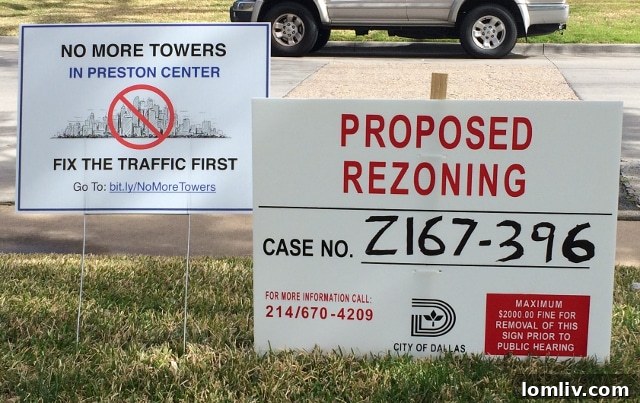
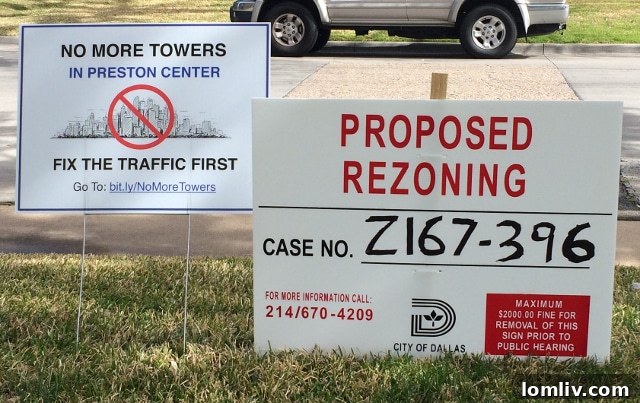
The sentiment encapsulated by the “No More Towers” signs, prominently displayed throughout the neighborhood – including the one captured above in front of the 21-story Athena condos on Northwest Highway – is more than just a catchy slogan; it’s a rallying cry for a segment of the community resistant to change. These signs originally dotted the landscape near the St. Michael’s Frederick Square project, serving as visual declarations of a powerful neighborhood movement. They represent a collective desire among certain residents to maintain the status quo, fearing that new developments will bring unwelcome traffic, strain on public services, and an alteration to the perceived “character” of their community. This sentiment is amplified by the involvement of key figures, such as Miller’s Campaign Treasurer, Doug Deason. Doug is the son of Darwin Deason, who owns an expansive 18,000 square-foot condo on Douglas Avenue, strategically located directly behind the proposed development at St. Michael’s church. This close association raises pertinent questions about the alignment of personal interests with public policy, and the influence of established wealth in local political narratives, often perceived as a drive to protect existing views and property values.
The Irony of Opposition: Unpacking NIMBYism in Established Communities
One of the most striking aspects of the “No More Towers” movement, especially within affluent enclaves like the ‘Pink Wall’ area, is the palpable irony. Residents who themselves reside in high-rise condominiums, often enjoying the elevated views and urban amenities these structures provide, are frequently at the forefront of opposing similar developments for others. This phenomenon, widely known as Not In My Backyard (NIMBY) sentiment, is a familiar tune in urban development debates across the nation. It represents a form of selective preservation, where existing residents enjoy the benefits of past development while simultaneously seeking to block future growth, often citing concerns about traffic, increased density, strain on infrastructure, or the potential alteration of neighborhood character. This “drawbridge mentality” often prioritizes the comfort and convenience of current residents over the broader community’s need for diverse housing options and economic vitality.
This isn’t an isolated incident in Dallas; it’s a recurring theme in areas resistant to change. A stark parallel can be drawn to a 2017 case where Toll Brothers sought approval for a new high-rise in an area of Oak Lawn already zoned for such structures. Despite the appropriate zoning, residents of The Plaza I & II high-rises mounted a bitter opposition campaign, seemingly oblivious to the inherent hypocrisy of their stance. They lived in towers, yet vehemently protested the construction of another. Such opposition, while framed as protecting community interests, often overlooks the broader implications of stifling growth, which can include exacerbating housing shortages, driving up housing costs for new families and young professionals, and hindering the city’s overall economic dynamism. The debate over new construction is rarely just about aesthetics; it often reflects deeper tensions over resource allocation, community identity, and socio-economic demographics within a rapidly expanding urban core.
Stagnation vs. Progress: A City’s Dilemma
The question naturally arises: is advocating for stagnation a viable or sustainable political position in a growing metropolitan area like Dallas? In the context of the ‘Pink Wall,’ the answer appears to be a resounding ‘no.’ The area has seen little to no significant vertical development in decades. The last notable building was constructed in the 1970s, which tragically was also the first to suffer a major fire. The true heyday of building in this district stretches back even further, primarily concentrated in the late 1950s and early 1960s. This historical context reveals a neighborhood largely untouched by the expansive growth seen elsewhere in Dallas, suggesting that a lack of development over a prolonged period can lead to issues ranging from aging infrastructure and a diminished tax base to a lack of diverse housing options and a slow decline in overall vibrancy.
A neighborhood that resists all new construction risks becoming a relic, failing to adapt to the evolving needs of its residents and the wider city. Stagnation can manifest as aging commercial spaces, outdated residential offerings, and a decline in overall vitality. While preservation of historical integrity and a neighborhood’s unique charm is often a commendable goal, an absolute freeze on development can hinder economic progress, limit job creation, and prevent the revitalization necessary for long-term community health. It’s a delicate balance between honoring the past and embracing the future, a balance that requires thoughtful urban planning and strategic development rather than outright rejection of change. Without new investment and thoughtful density, areas can slowly lose their appeal and economic relevance, becoming less attractive to new residents and businesses, thus impacting the entire city’s economic ecosystem.
The McMansion Paradox: Selective Development Critiques
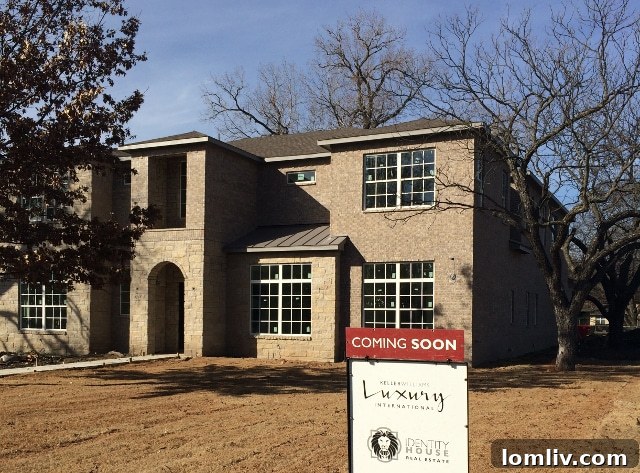
A peculiar double standard often surfaces in discussions about development within affluent Dallas neighborhoods, particularly when comparing multi-family high-rises to single-family home expansions. While the “No More Towers” brigade decries the construction of multi-family units, an entirely different narrative plays out for single-family residences. Homes built in the 1950s and 1960s in areas like Park Cities and Preston Hollow, many of which were once considered quite sizable at around 3,500 square feet, are now frequently bought as “tear-downs.” These perfectly acceptable, often charming, homes are replaced by sprawling “McMansions” that can exceed 8,000 square feet, dominating their lots and often clashing aesthetically with their surroundings. The example shown above is a prime instance of such a new build, replacing a perfectly functional home with an exterior reminiscent of 1990s suburban Plano architecture, catering perhaps to those who have recently come into considerable wealth.
This raises a crucial question: why is the McMansion phenomenon, with its significant impact on neighborhood character, scale, and environmental footprint, largely deemed acceptable, while multi-family redevelopment faces fierce opposition? The environmental implications alone warrant scrutiny. McMansions often cover larger portions of their lots, leading to increased impervious surfaces. This reduction in water-permeable lawns and green spaces contributes directly to exacerbated stormwater runoff and localized flooding, a topic that paradoxically becomes a “hot topic” for the ‘Pink Wall’ residents only when multi-family developments are proposed. Yet, the continuous expansion of single-family homes, effectively spilling over more and more formerly permeable areas, often goes unaddressed, highlighting a profound inconsistency in community development critiques. Laura Miller’s campaign, it is suspected, will continue this trend, remaining conspicuously silent on the pervasive issue of single-family McMansioning while vociferously campaigning against multi-family projects, appealing to a specific demographic that prefers low-density residential expansion for themselves while resisting increased density for others.
Political Alignments and Contradictions: The Miller-Griggs Conundrum
Since the initial story broke, a number of political insiders have voiced their curiosity regarding Laura Miller’s relationship with former city council member Scott Griggs and his broader political alliance, which includes both current and past council members. Griggs is widely recognized as an urbanist, a proponent of increased urban density and the development of affordable housing solutions – positions that seemingly stand in direct contrast to Miller’s anti-development stance. The question on many minds is whether Miller’s entry into the race is an independent venture or if she aims to be a “jewel” in Griggs’s political “crown.” However, based on observations of Miller’s strong personality and leadership style, it is perhaps more accurate to suggest her demeanor aligns more with being the “crown” itself rather than merely a “jewel” within one, implying a leadership role rather than a supportive one.
Such an alliance, if it were to materialize formally or informally, would be nothing short of fascinating, and potentially fraught with ideological contradictions. How would Miller’s firm stance against new development, particularly high-rises, reconcile with Griggs’s advocacy for density and accessible housing? Would Miller’s presence primarily serve to shield affluent areas like Preston Hollow from extensive new development, while allowing for the spread of density and affordable housing initiatives in other parts of the city? Or would they simply agree to disagree on development matters, focusing on other areas of common ground where their interests might align, such as infrastructure improvements or public safety? The nuances of such a political partnership, or lack thereof, would undoubtedly unfold quickly, offering a compelling case study in local political maneuvering and compromise, and revealing the true priorities of those involved.
The Future of District 13: A Crossroads of Development and Preservation
The District 13 city council race, invigorated by Laura Miller’s unexpected candidacy, has become a microcosm of Dallas’s broader urban development challenges. It highlights the inherent tensions between preserving established neighborhood character and embracing the necessary growth and evolution of a dynamic city. The ‘No More Towers’ movement, while vocal and influential, must confront the realities of a city grappling with housing affordability, infrastructure demands, and the need for sustainable economic expansion. The outcome of this election will not only determine the representation for District 13 but could also set a precedent for how Dallas navigates future development proposals across its diverse neighborhoods, impacting policy decisions for years to come.
The debate extends beyond mere construction projects; it touches upon fundamental questions of equity, accessibility, and the long-term vision for Dallas. Will the city prioritize controlled, thoughtful growth that accommodates a diverse population, or will it succumb to the pressures of stagnation driven by localized resistance? Laura Miller’s campaign serves as a powerful reminder that local politics, often overshadowed by national headlines, directly shapes the fabric of our daily lives and the future trajectory of our communities. As voters head to the polls, they will not merely be electing a representative, but casting a vote for the very identity of their evolving city, choosing between different philosophies of urban progress and preservation, and ultimately determining the path forward for one of Dallas’s most significant districts.

About the Author: With a keen eye for the evolving urban landscape, my reporting consistently covers high-rises, Homeowners Associations (HOAs), and the intricate processes of urban renovation. I am passionate about the delicate balance between modern and historical architecture, always contextualizing it within the dynamic Yes In My Backyard (YIMBY) movement – advocating for thoughtful development in response to housing crises and urban needs. My commitment to insightful real estate journalism has been recognized by the National Association of Real Estate Editors, honoring my writing with three Bronze awards in 2016, 2017, and 2018, alongside two Silver awards in 2016 and 2017. If you have a compelling story to share or a pressing issue related to Dallas real estate and development, please reach out via email at [email protected]. You can also connect with my work on Facebook and Twitter, although a dedicated search might prove elusive.