Dallas Under Siege: Revisiting the Devastating June 2019 Storm
Dallas, a city celebrated for its vibrant energy and unmistakable skyline, experienced an unforgettable and harrowing night on Sunday, June 9, 2019. Following a week of sporadic and relatively mild storms passing through North Texas, residents were largely unprepared for the sheer ferocity that rapidly unfolded that evening. What initially began as another typical Sunday quickly escalated into a catastrophic weather event, leaving a significant trail of destruction, widespread power outages, and a tragic loss of life.
Within a mere hour, the Dallas metropolitan area was battered by extreme winds, officially clocked at up to 71 miles per hour at Love Field. This sudden and intense onslaught plunged nearly 300,000 homes and businesses into darkness, bringing daily life to a grinding halt for many. Perhaps the most devastating incident of the night was the collapse of a massive construction crane in the bustling Deep Ellum neighborhood, which tragically claimed one life and left six individuals injured, forever etching its impact into the city’s collective memory of this fateful day.
The Unexpected Fury: How a Sunday Storm Turned Catastrophic
The sudden intensity and rapid progression of the storm caught a vast majority of Dallas residents by surprise. What had been predicted as a routine weather pattern quickly transformed into a high-impact, severe weather event. The winds, described by many eyewitnesses as sounding akin to a roaring freight train, tore through the urban landscape with astonishing speed and destructive power. Residents reported witnessing everything from large objects being hurled through the air to mature trees bending violently to their breaking point, and the very foundations of buildings trembling under the relentless strain. The sheer force of the storm was starkly evident not just in the official wind speed readings but also in the immediate visual aftermath: countless snapped trees, extensively damaged power lines, and a vast amount of debris scattered across roadways, sidewalks, and residential yards.
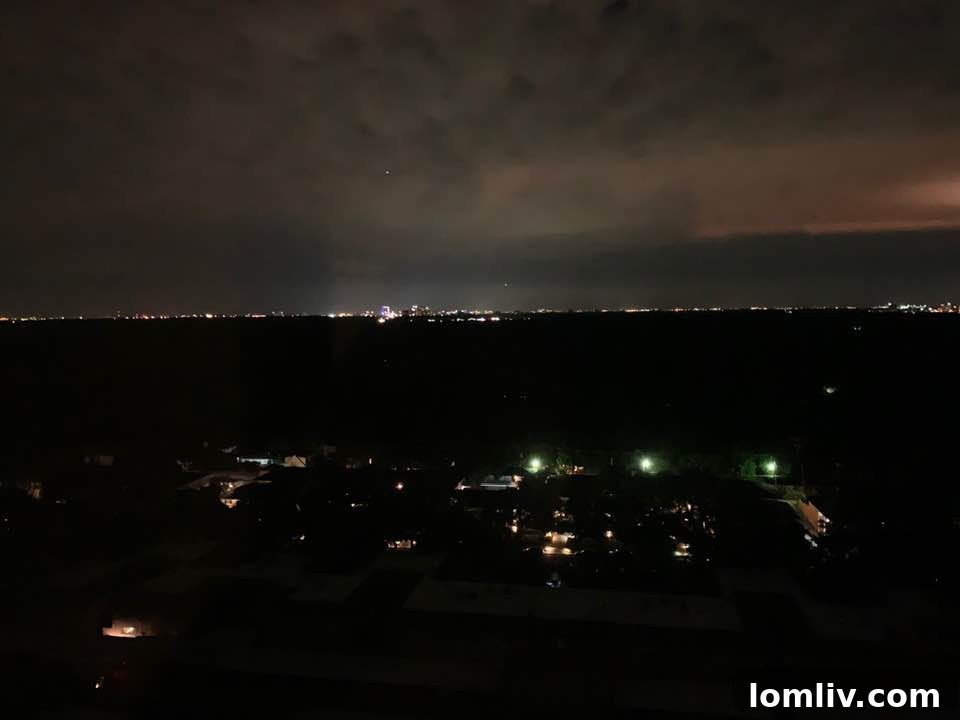
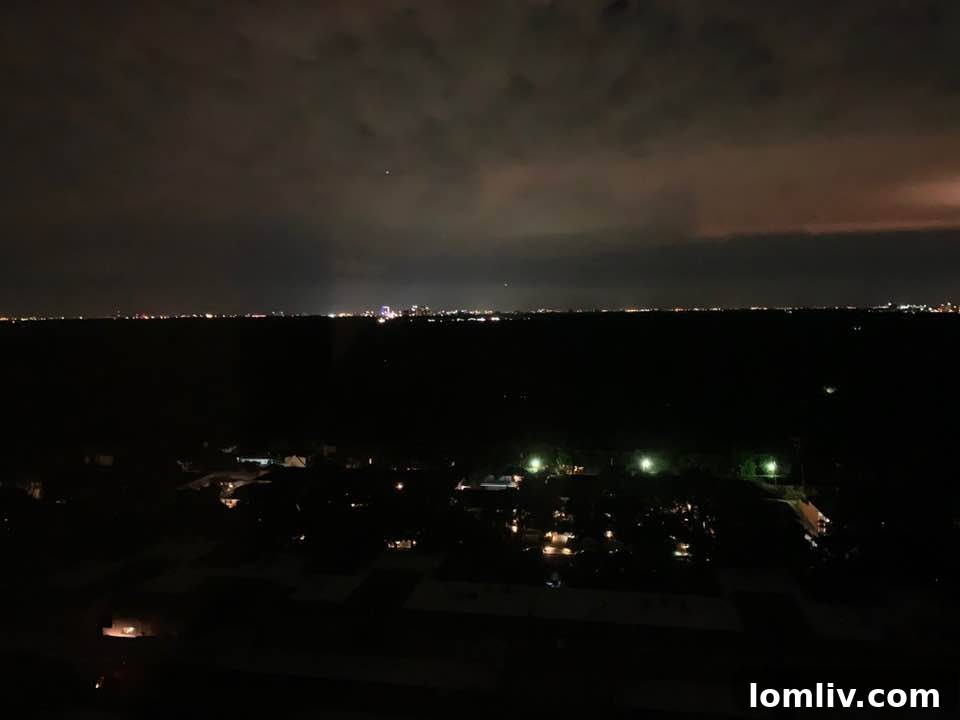
For those who had never before witnessed the typically radiant Dallas city skyline vanish into a profound void of darkness, Sunday night offered an eerie and truly unforgettable spectacle. The usual dazzling array of lights emanating from towering skyscrapers and the bustling streets below was replaced by an unsettling blanket of black. This widespread blackout served as a powerful and immediate symbol of the profound disruption that had gripped the entire city, affecting every aspect of daily life and highlighting the vulnerability of even the most modern urban infrastructures to the raw power of nature.
Unraveling the Meteorological Mystery: Straight-Line Winds or Tornado?
In the immediate aftermath of the storm, there was considerable confusion and widespread speculation regarding the precise meteorological phenomenon that had struck Dallas with such intensity. Reports flooded in from various residents, with at least two individuals recounting what they firmly believed were definitive sightings of a tornado. This initial uncertainty underscored the extreme intensity of the winds, which mimicked the destructive patterns often associated with tornadic activity.
However, the National Weather Service’s Fort Worth bureau quickly initiated its thorough assessment, indicating that it would require significant time to definitively categorize the exact nature of the event. Initial analyses and preliminary statements suggested that while a tornado could not be entirely ruled out without further meticulous investigation, the primary culprit appeared to be extraordinarily powerful straight-line winds. The NWS clarified its preliminary findings, stating, “Higher elevation wind speeds, such as those impacting the toppled construction crane and some mid-rise or high-rise buildings, likely reached, or possibly exceeded 80-85 mph. However, it is difficult to pinpoint these wind maximum at this time.” This distinction is critically important; straight-line winds, despite not rotating in a vortex, are fully capable of causing widespread and severe damage, especially when reaching such extreme velocities. They often impact structures and areas differently than the more focused and narrower path of a typical tornado.
The intricate challenge for meteorologists was to meticulously analyze extensive radar data, examine detailed damage patterns observed on the ground, and cross-reference numerous eyewitness accounts to painstakingly piece together an accurate and comprehensive picture of what transpired. The widespread nature of the damage, affecting large swaths of the city rather than being confined to a narrow, distinct path, leaned heavily towards a powerful downdraft event generating widespread straight-line winds, rather than a single, isolated tornadic vortex. Regardless of the precise meteorological classification, the storm’s impact on the Dallas community was undeniably catastrophic and left an indelible mark.
A City United: Dallas’s Remarkable Community Response and Resilience
In the immediate aftermath of such widespread adversity, the inherent spirit of Dallas residents shone brightly and powerfully. As soon as the immediate danger from the storm passed and the skies began to clear, Dallasites emerged from the confines of their homes, not in despair or isolation, but with a remarkable sense of community, purpose, and unwavering determination. Neighborhood after neighborhood quickly and spontaneously transformed into bustling hubs of mutual aid and collective support. Neighbors, without official prompting, instantly began helping each other, embodying the true essence of resilience and solidarity in a time of crisis.
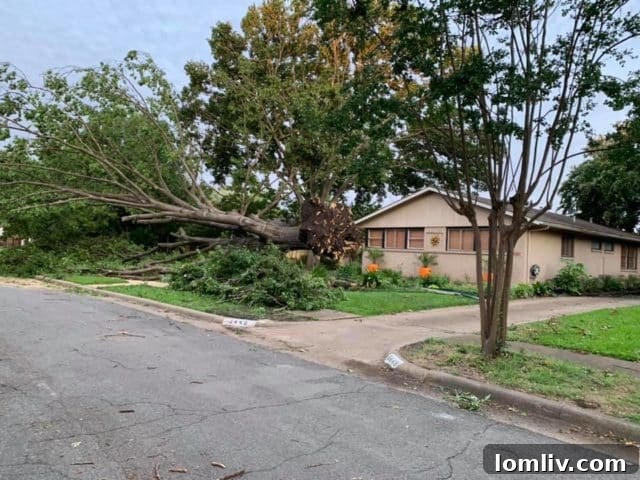
These crucial community activities ranged from the immediate and intensely practical, such as tirelessly clearing massive fallen trees from vital roads and residential yards to restore essential accessibility, to more personal and profound acts of kindness. Residents were seen checking on elderly neighbors, offering desperately needed charging stations for cell phones and other devices, and generously sharing whatever supplies they had available, from bottled water to flashlights. The sense of collective responsibility and shared purpose was palpable, with many working tirelessly throughout the night and into the next day to assess damage, comfort those most affected, and even actively round up lost pets that had been displaced and disoriented by the storm’s chaos. This immediate, grassroots response underscored the powerful and enduring bonds within Dallas communities, proving conclusively that even in the city’s darkest hours, unity and solidarity can powerfully light the way forward.
The Deep Ellum Tragedy: Crane Collapse and Its Far-Reaching Aftermath
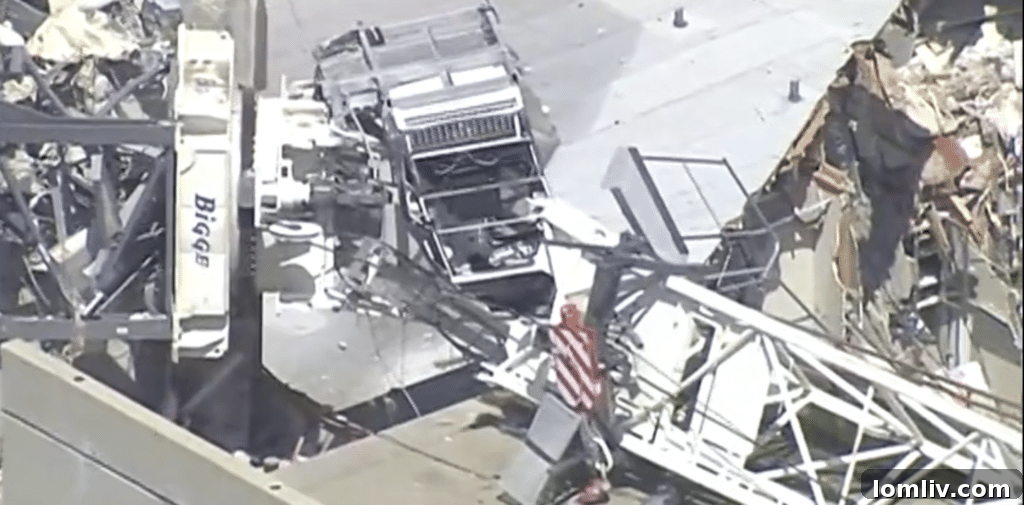
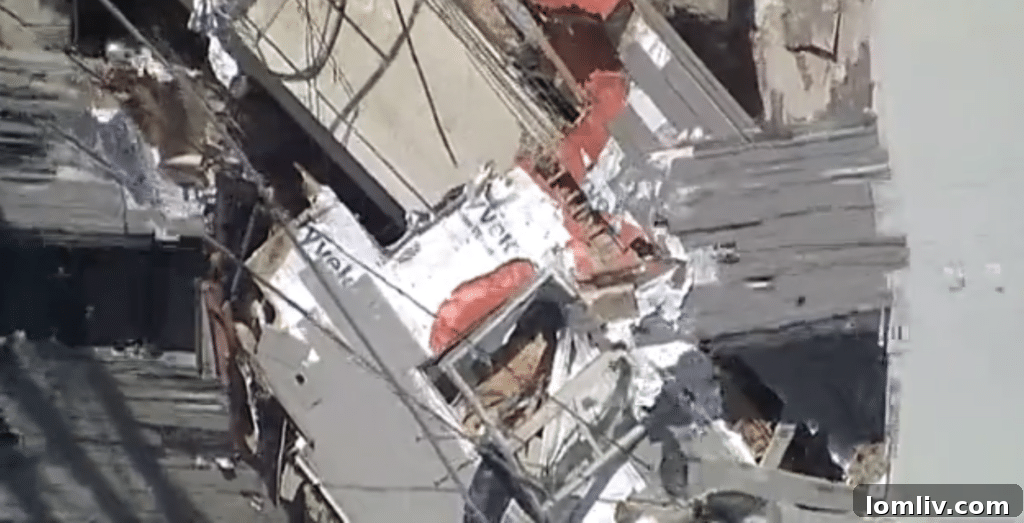
While the widespread power outages affecting hundreds of thousands and the extensive property damage across the city were undeniably significant, perhaps the most devastating and heartbreaking event of the entire storm was the catastrophic collapse of a massive construction crane in the historically vibrant Deep Ellum district. The towering crane, an integral part of an ongoing project at The Elan apartment complex, tragically succumbed to the extreme and unprecedented wind forces, sending its enormous structure crashing down with horrifying impact. This horrifying incident resulted in the tragic death of one individual and left six others with serious injuries, sending profound shockwaves of grief, concern, and alarm throughout the entire city and beyond.
The collapse also caused extensive structural damage to the apartment complex itself and spilled over into surrounding areas, prompting immediate evacuations of residents and the swift initiation of a comprehensive investigation. Emergency services and first responders were swiftly dispatched to the scene, working tirelessly and heroically to secure the severely compromised site, attend to the injured with critical medical care, and begin the grim, painstaking task of recovery and evidence gathering. The incident brought into sharp and urgent focus the inherent dangers of extreme weather events, particularly when they impact densely populated urban environments with numerous ongoing construction projects involving towering equipment. Authorities, including the Occupational Safety and Health Administration (OSHA) and various city officials, immediately launched comprehensive and meticulous investigations to determine the exact cause of the collapse and to thoroughly assess and potentially revise safety protocols for such towering structures during severe weather conditions, aiming to prevent any similar catastrophic incidents in the future.
Eyewitness Accounts and Social Media’s Unfiltered View of the Chaos
As the intense storm relentlessly raged across Dallas, many residents, both in the bustling downtown core and other severely affected areas, bravely captured the unfolding chaos with their mobile phones. These raw, unfiltered images and candid videos quickly flooded various social media platforms, providing real-time glimpses into the storm’s destructive power and the sheer terror experienced by those directly in its path. From the dramatic sight of windows exploding outwards in downtown skyscrapers to dangerous debris flying perilously through the air, these citizen reports became an invaluable resource for understanding the widespread impact and the immediate, visceral sense of fear experienced by individuals caught amidst the tempest.
Windows getting blown out downtown. #wfaa #wfaaweather pic.twitter.com/xjcpG4IPFH
— Matt Kirby (@matthew75201) June 9, 2019
Woke up poolside to a full-on tornado warning, which hit the construction site next to us and sent debris flying all over downtown Dallas. I think… I think I’m ready to come home now… pic.twitter.com/EN1HgcNOTg
— Rory Cashin (@roarEcashin) June 9, 2019
I got a video of the crane collapsing in Dallas. I hope everyone’s ok— it was terrifying to watch pic.twitter.com/SrC9Kwy2ur
— sophie daigle (@soph_daigle) June 9, 2019
Beyond Downtown: Widespread Damage Across Dallas Neighborhoods
The impact of the severe June 2019 storm was far from confined to the dense urban core of downtown Dallas or the immediate vicinity of the Deep Ellum district. Damage from the powerful winds extended far and wide, affecting numerous residential and commercial areas across the sprawling metropolitan city. Far North Dallas, for instance, experienced significant and visible devastation. The Fretz Park Library suffered considerable structural damage, with numerous windows blown out, showcasing the indiscriminate and widespread nature of the high winds that tore through the area. Throughout these northern neighborhoods, massive, mature trees were either completely uprooted or snapped cleanly in half, blocking critical roads, causing extensive damage to homes, and disrupting the otherwise peaceful suburban landscape.
Further evidence of the storm’s destructive wrath was also dramatically visible on major thoroughfares. Several large billboards on Mockingbird Lane, located just south of Love Field, were completely toppled over, creating additional hazards for motorists and underscoring the widespread infrastructural impact across the city’s key transport routes. The sheer scale and geographical breadth of the damage, affecting a diverse range of districts and neighborhoods, clearly highlighted the storm’s broad reach and the uniformly intense force with which it struck virtually every part of the city.
Serious storm damage in Far North Dallas. Fretz Park Library with windows blown out. Huge trees down everywhere @CBSDFW @CBS11Sports @CBS11JeffJam pic.twitter.com/ReJ3YY2hXT
— Bret Kelly (@BKSpxshooter11) June 9, 2019
#wfaaweather Billboards down on Mockingbird, south of Love Field. @wfaa #dfwwx #Dallas pic.twitter.com/IpubHOYPXE
— Kelli Ann Pistokache (@KelliPistokache) June 9, 2019
The Road to Recovery and Crucial Lessons Learned for Dallas
In the challenging days and arduous weeks that closely followed the severe June 9th storm, Dallas embarked upon a massive and coordinated recovery effort. Utility crews from Oncor, the primary power provider, worked tirelessly around the clock, often in immensely challenging and hazardous conditions, to restore essential electricity to hundreds of thousands of affected customers. Their monumental task involved the painstaking repair of countless downed power lines, the replacement of extensively damaged utility poles, and the crucial addressing of complex grid issues that had resulted from the storm’s severe and widespread impact. While power was gradually restored to the vast majority of residents within a few days, some heavily impacted areas faced prolonged outages, adding significantly to the distress and hardship experienced by both residents and local businesses.
City services, including dedicated emergency responders, diligent public works departments, and efficient sanitation crews, were mobilized en masse to swiftly clear debris, ensure comprehensive public safety, and commence the long and arduous process of rebuilding. The financial cost of the storm, encompassing direct property damage, extensive infrastructure repairs, and significant economic losses due to widespread business disruption, amounted to many millions of dollars. The tragic crane collapse prompted an urgent and comprehensive review of existing construction safety regulations and emergency response protocols specifically for high-rise projects, aiming to prevent any similar catastrophic incidents in the future and enhance worker safety.
Beyond the immediate and crucial recovery phase, the 2019 Dallas storm served as a powerful and stark reminder of the paramount importance of comprehensive preparedness. It highlighted the undeniable need for all residents to maintain readily accessible emergency kits, establish clear family communication plans, and stay informed through reliable sources during severe weather events. It also underscored the ongoing and critical need for robust infrastructure capable of withstanding increasingly intense and unpredictable weather patterns. The collective experience fostered a heightened sense of awareness within the community and a strengthened commitment to collective resilience, ensuring that Dallas would be better prepared for future challenges. The city’s remarkable ability to unite, rebuild, and emerge stronger in the face of such a formidable natural disaster became an enduring testament to its profound strength, spirit, and unwavering determination.