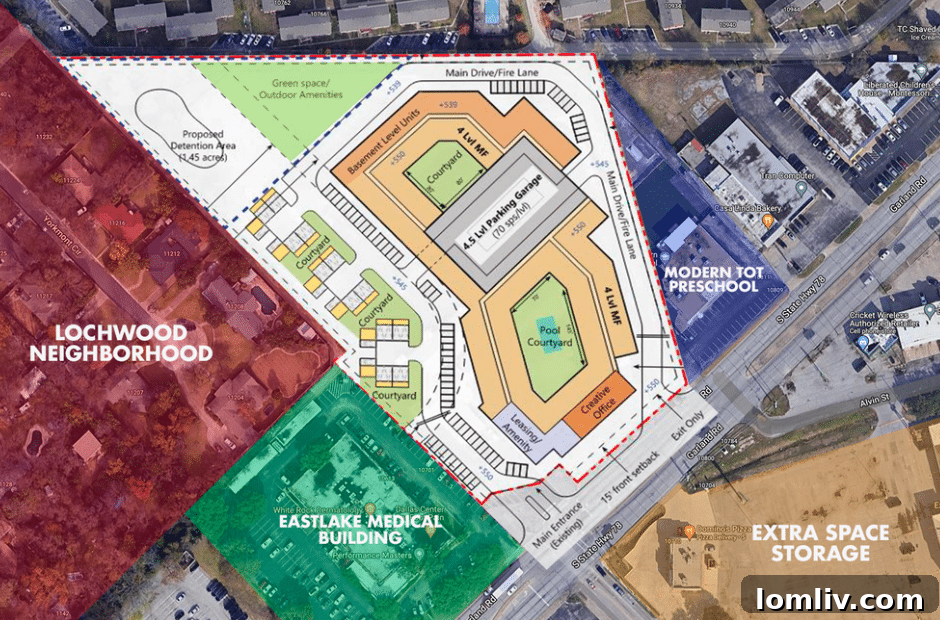
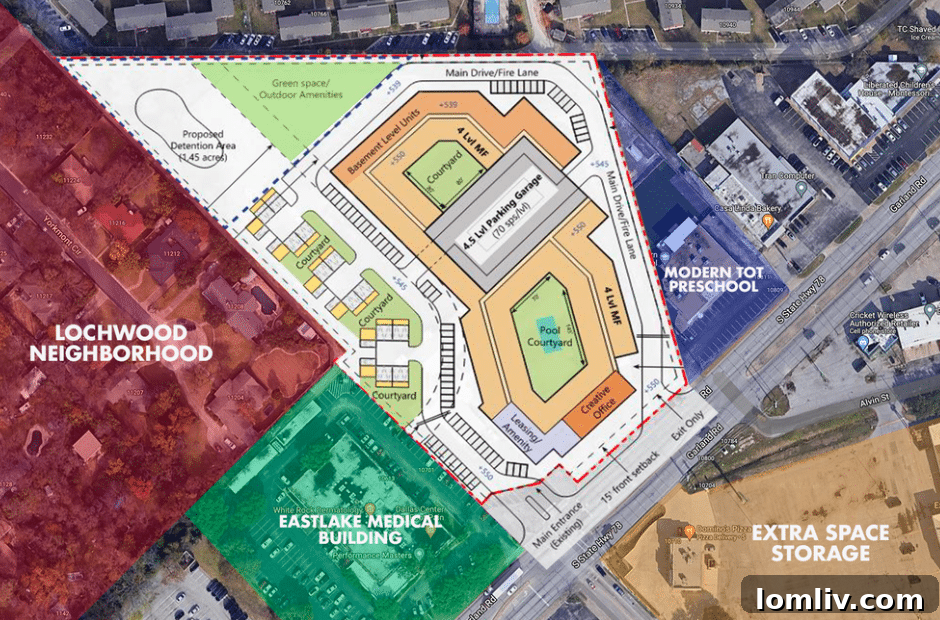
For over nine months, a proposed high-rise apartment tower in East Dallas has ignited a fervent debate, pitting developers against a determined residential community. Ojala Holdings first unveiled plans for the ambitious project on a site currently occupied by Shoreline City Church, immediately adjacent to the tight-knit Lochwood neighborhood. What began as a developer’s vision quickly transformed into a complex dialogue, highlighting the intricate balance between urban growth, the pressing need for affordable housing, and the preservation of established community character.
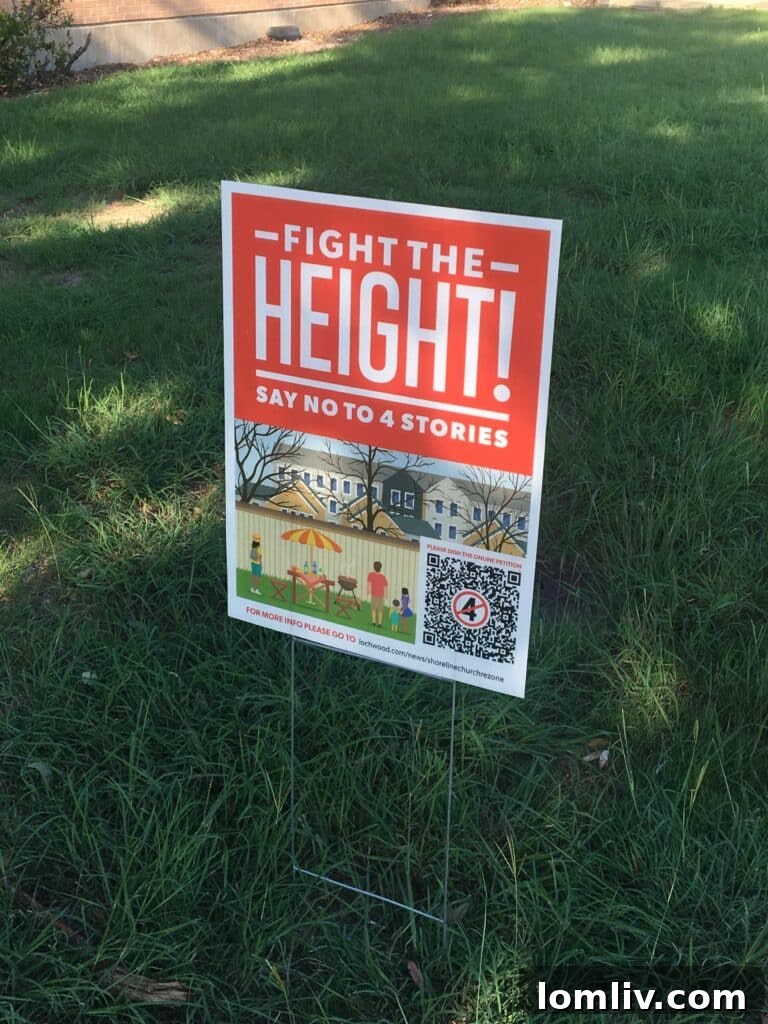
Since the initial proposal, the journey has been marked by dozens of neighborhood meetings, extensive modifications to the original design, and a shared acknowledgment from both sides regarding the critical demand for affordable housing options in North Texas. Key city figures, including Dallas Plan Commissioner Michael Jung and District 9 City Councilwoman Paula Blackmon, have been deeply engaged in facilitating discussions and navigating the contentious issues at hand. Despite these efforts and considerable revisions, a significant majority of Lochwood residents remain steadfast in their opposition to a large-scale mixed-income multifamily development rising in their immediate vicinity.
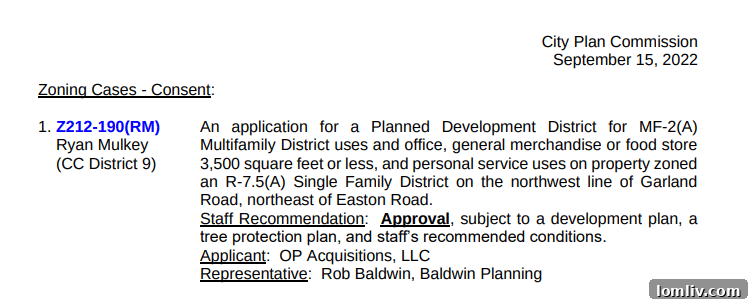
The culmination of these lengthy discussions occurred at a pivotal gathering held on a recent Thursday evening at the Harry Stone Recreation Center. This final public forum saw developers from Ojala Holdings engaging with approximately 70 concerned neighbors, offering a last opportunity to clarify information and address lingering questions. This crucial meeting took place just ahead of a decisive vote by the Plan Commission on Ojala’s rezoning request, scheduled for September 15. The outcome of this vote will be a significant indicator, with the Dallas City Council expected to formally hear the item on October 26, setting the stage for a final determination on the future of the proposed development.
The Standard Shoreline Proposal: A Deep Dive into Ojala Holdings’ Vision
The site at the heart of this East Dallas rezoning debate is currently zoned R7.5(A) for single-family residential use, a classification that permits community facilities such as churches. Shoreline City Church, having decided to relocate, is in the process of selling this valuable property to Ojala Holdings. The developer’s core request involves rezoning the parcel to a planned development designation specifically for multifamily use. A significant component of their proposal includes pursuing a contract that designates 51 percent of the units as affordable housing, targeting households earning up to 80 percent of the Area Median Family Income (AMFI).
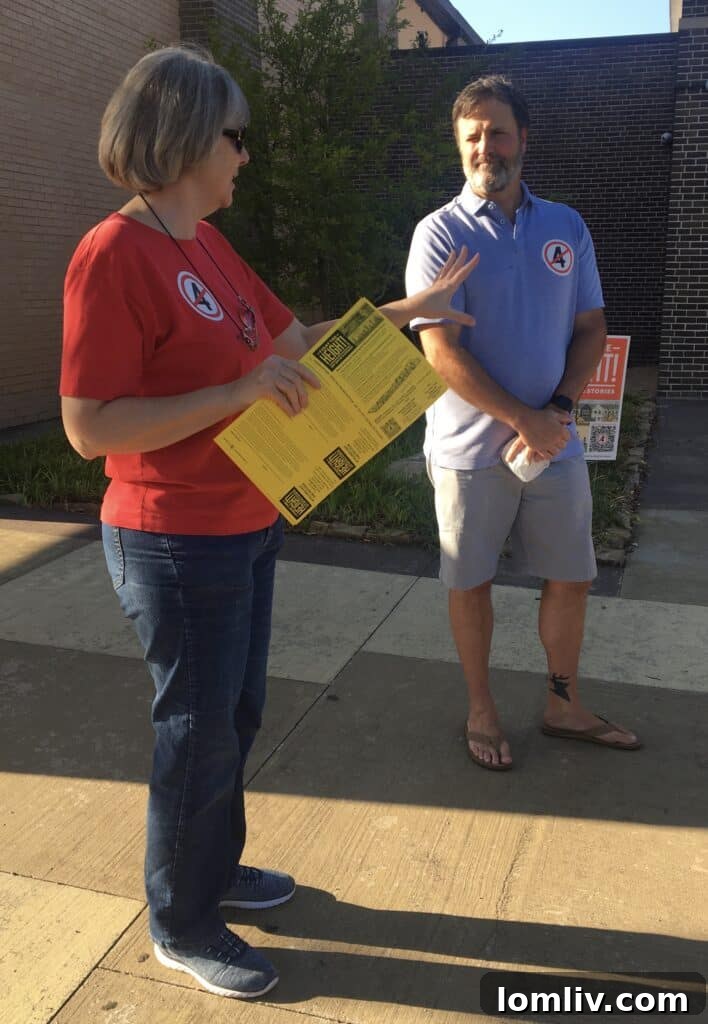
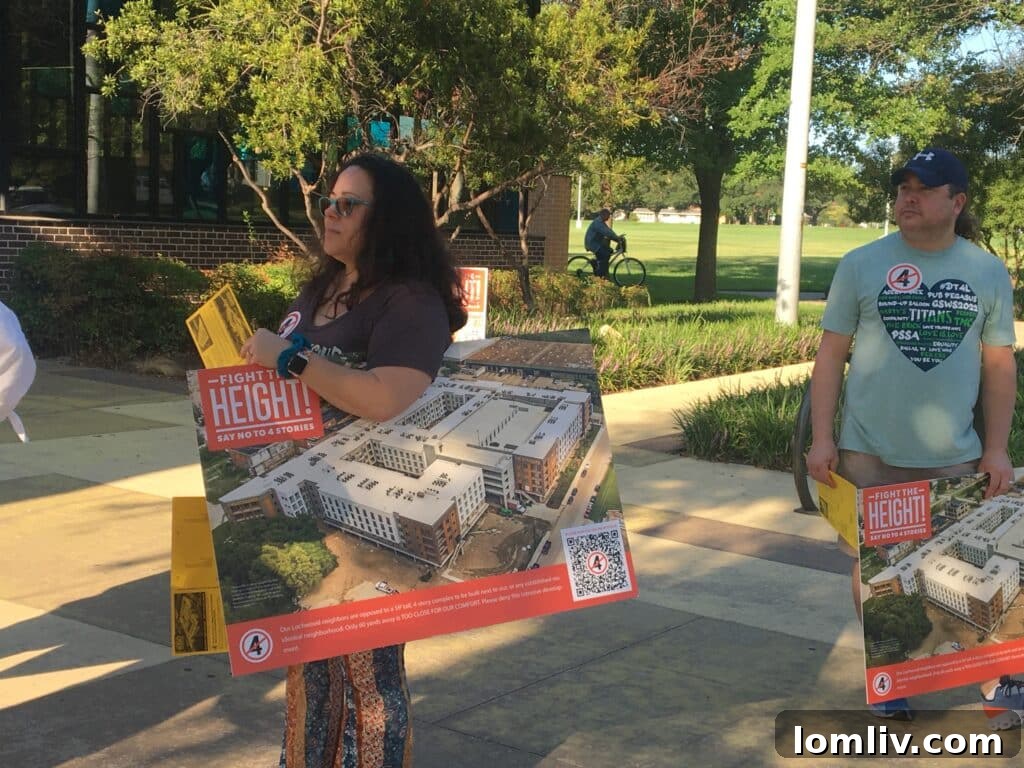

Daniel Smith, the Managing Director of Ojala Holdings, emphasized that the proposed development, named “Standard Shoreline,” is specifically designed to house the local workforce. This includes essential service providers such as teachers, police officers, and firefighters, individuals typically earning between $50,000 and $70,000 annually. Smith took great pains to clarify the nature of the housing, stating, “This is not project-based Section 8 vouchers. This is workforce housing. We call it attainable housing. This is not a homeless housing shelter. This is a Class A mixed-use, mixed-income development.” He further elaborated on the economic model: “Half of our folks are going to be higher earners, where we’re trying to get the highest rent possible. The other half of the folks are going to be rent-controlled because we are in the middle of an affordable housing crisis in North Texas.” To ensure the quality and stability of the community, comprehensive background and credit checks will be standard for all prospective residents, Smith confirmed.
While the residents of Lochwood acknowledge the city’s urgent need for affordable housing, their concern centers on the appropriate methodology and location for such developments. As articulated on the Lochwood Neighborhood Association’s website, “This issue isn’t about whether or not affordable housing is necessary — because of course it is. The issue is how affordable housing should be implemented — especially with single-family zoned developments next to established residential neighborhoods.” The association strongly contests the scale and proximity of the proposed project, arguing, “A massive, 60-foot-tall, four-story, 300-unit development with incredible tax breaks for the developer that will encroach upon established residents is not OK.” They advocate for a balanced approach, urging the city to “work to find a happy medium that encourages housing developments that meet the needs of the workforce community, while respecting the neighborhoods where such developments are considered. It can be a win-win, if handled correctly.”
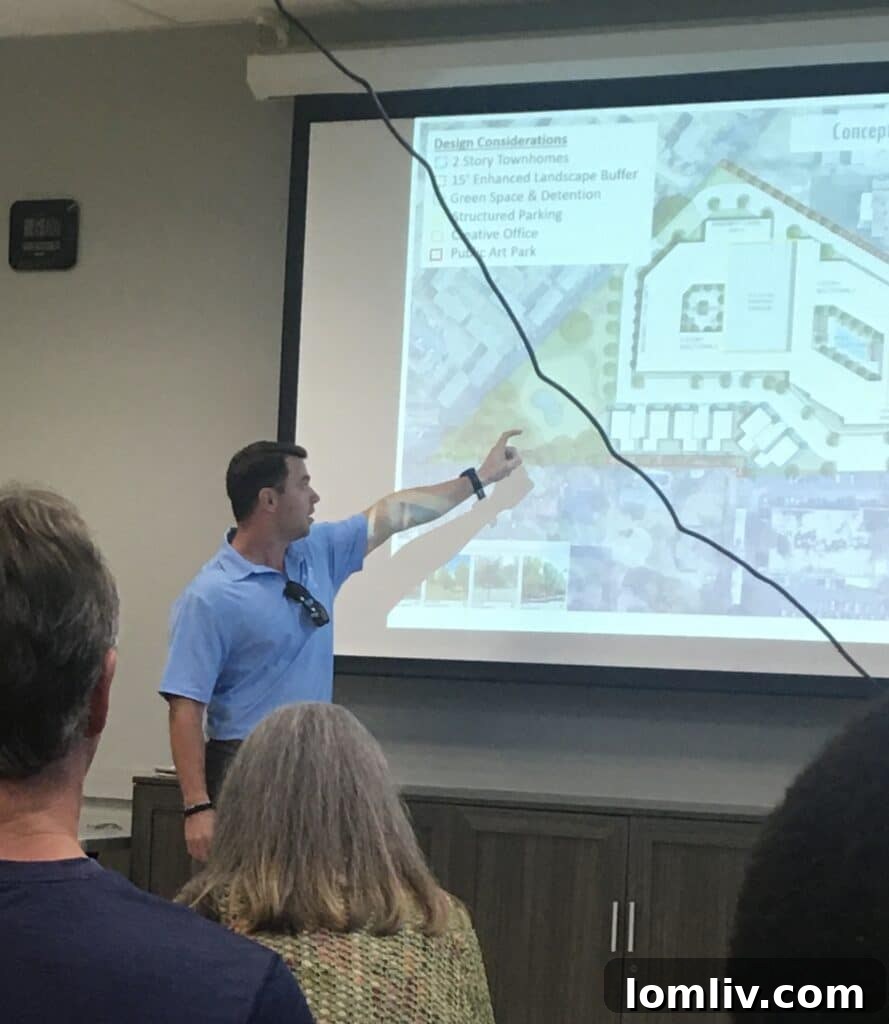
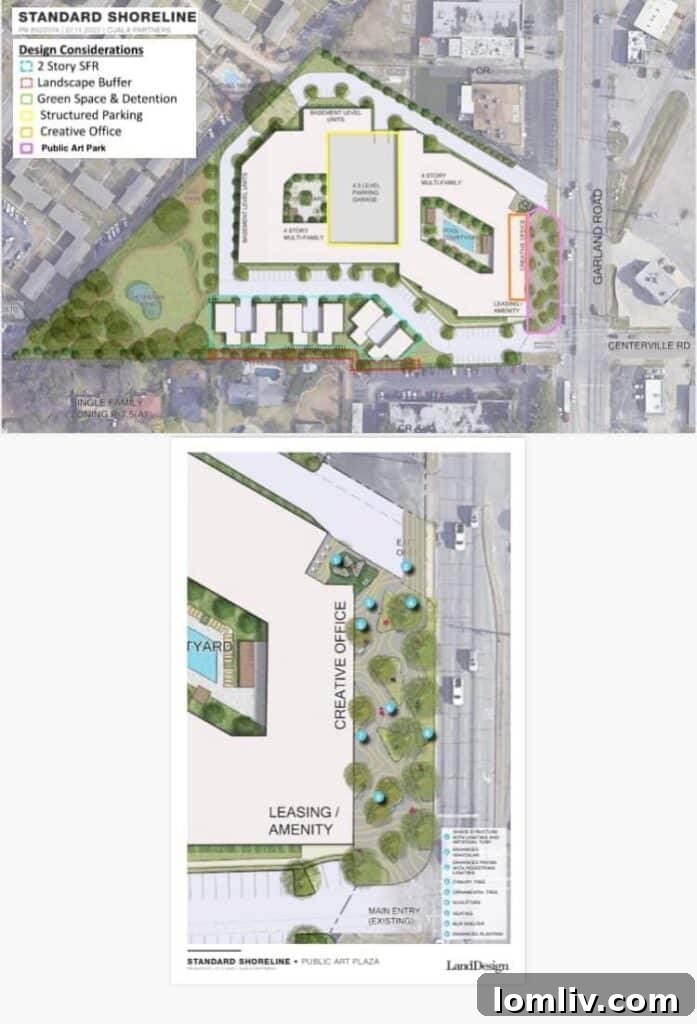
Ojala representatives further detailed the Standard Shoreline project, which is envisioned as a vibrant mixed-use community. Beyond the 300 apartment units—which notably include 18 lower-density townhomes designed to buffer the existing single-family properties—the development boasts 3,000 square feet of creative office space and an impressive 25,000 square feet of dedicated open space, featuring an art park. In an effort to mitigate neighborhood concerns, particularly those related to privacy and visual impact, significant design modifications have been incorporated. “In an effort to respect any privacy concerns associated with the adjacent single-family [development], we have made a number of design modifications,” Smith explained. These include a reduced height and density compared to initial concepts, enhanced visual buffers, a substantial 15-foot landscape barrier, robust privacy fencing, stringent lighting restrictions, and a categorical ban on short-term rentals within the development. Smith underscored the project’s broader societal benefit: “It’s no secret that we are in the midst of a housing and affordability crisis. We believe that the Standard Shoreline will be a truly unique, mixed-use, mixed-income project that will assist in improving the northern section of the Garland Road Corridor while providing much-needed housing, jobs, and community amenities.”
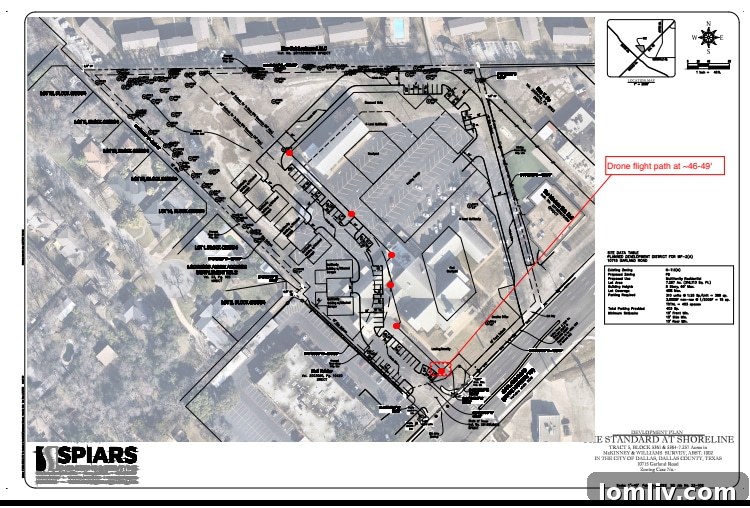
To visually address the concerns about overlooking adjacent properties, Ojala officials presented a drone video that showcased the perspective from above the Shoreline site, illustrating precisely what would be visible from the proposed building’s height. Smith reiterated this point: “From the fourth floor, you cannot see into the backyards. Not only that, there’s two-story townhomes that are going to be built in this section; there’s enhanced landscaping, and there’s privacy fencing.” This visual demonstration aimed to reassure residents that their privacy would be maintained despite the increased density.
Community Engagement and the Garland Road Vision Task Force’s Role
The proposed development also underwent scrutiny from the 10-member Garland Road Vision Task Force, a body established to guide development along this significant corridor. In a telling sign of the project’s contentious nature, the Task Force found itself deadlocked in a 5-5 vote on the rezoning proposal during its September 1 meeting, ultimately declining to provide a definitive recommendation. This split decision underscored the lack of consensus even among those specifically tasked with shaping the area’s future, further complicating Ojala Holdings’ path forward.
Thomas Buck, who oversees communications for the Lochwood Neighborhood Association, expressed skepticism regarding Ojala’s prospects for garnering widespread public support at the recent Thursday meeting. He surmised that the developer’s leadership likely perceived the absence of a favorable recommendation from the Garland Road Vision Task Force as a blow to their standing with the City Council. “We believe this meeting is a last-ditch effort for them to gain public support before the plan commission review next Thursday,” Buck stated prior to the gathering. He articulated the neighborhood’s core objection: “We must make them realize a small art park and creative center does not compensate for a 60-foot, four-story complex only 18 feet away from our neighbors’ properties.” This sentiment encapsulates the community’s feeling that the proposed amenities, while welcome, do not outweigh the perceived negative impacts of the development’s scale and proximity.
Public Outcry and Lingering Concerns in Lochwood
The public meeting on September 8 proved to be a heated affair, reflecting the deep-seated frustrations within the community. Many residents appeared visibly exasperated, often scoffing at the data presented by Ojala representatives concerning critical issues such as school capacity and projected traffic counts. Despite the best efforts of Daniel Smith and Ojala partner Matthew Vruggink to address residents’ questions and present their case, it became evident that their presentation was unlikely to sway the opinions of most attendees, who arrived with firmly established concerns.

Scott Robson, President of the Lochwood Neighborhood Association, starkly summarized the prevailing sentiment, stating that only about one in ten neighbors supported the rezoning. He candidly remarked, “Nobody wins. The only winner here is Ojala,” echoing the feeling among residents that the project’s benefits are disproportionately skewed towards the developer. Resident Alison Milam articulated significant concerns following the meeting, particularly regarding the nomenclature of “attainable housing” and the potential for tax incentives.
“Ojala started out referring to this complex as ‘affordable’ housing and tonight they called it ‘attainable’ housing,” Milam observed, highlighting a perceived shift in terminology. She voiced her astonishment after questioning the projected rent prices: “When I questioned how much the rent would be, I was shocked to find out that it’s really no different from any other apartment complex in the city. In other words, it didn’t seem ‘affordable’ or ‘attainable’ to me.” This sentiment underscores a common frustration among residents who feel that the spirit of affordable housing, intended to address critical needs, is not genuinely reflected in the proposed price points.
Milam further noted that Ojala representatives seemed evasive when pressed for details about the tax incentives typically provided to developers who build affordable housing projects. She challenged city officials to provide greater transparency and accountability: “Shouldn’t we be holding the city accountable for further explanation as to why $2,000-plus rent is considered ‘affordable’ housing?” She concluded, “It was my understanding that the city was doing this because there is a desperate need for affordable housing. And now even the developer is referring to their project as ‘attainable,’ so how and why should they qualify for this tax break?” These questions reflect a broader public desire for clarity on how public incentives align with the actual affordability goals of such developments.
In a separate conversation, Thomas Buck offered a crucial distinction concerning rezoning requests. He argued that the guidelines for converting a single-family-zoned property immediately adjacent to an established neighborhood should fundamentally differ from rezoning a commercial or industrial property in a similar location. “If you’re buying a house that is adjacent to a commercial- or industrial-zoned lot, it’s a ‘let the buyer beware’ situation,” Buck explained. “There’s a level of expectation that development could occur on that lot. With a single-family-zoned lot, there’s a level of expectation the single-family property will remain a single-family-zoned property.” This argument highlights the deep-seated expectation among homeowners that the character and zoning integrity of their residential areas will be protected, emphasizing the unique impact of this particular rezoning request on the Lochwood community.