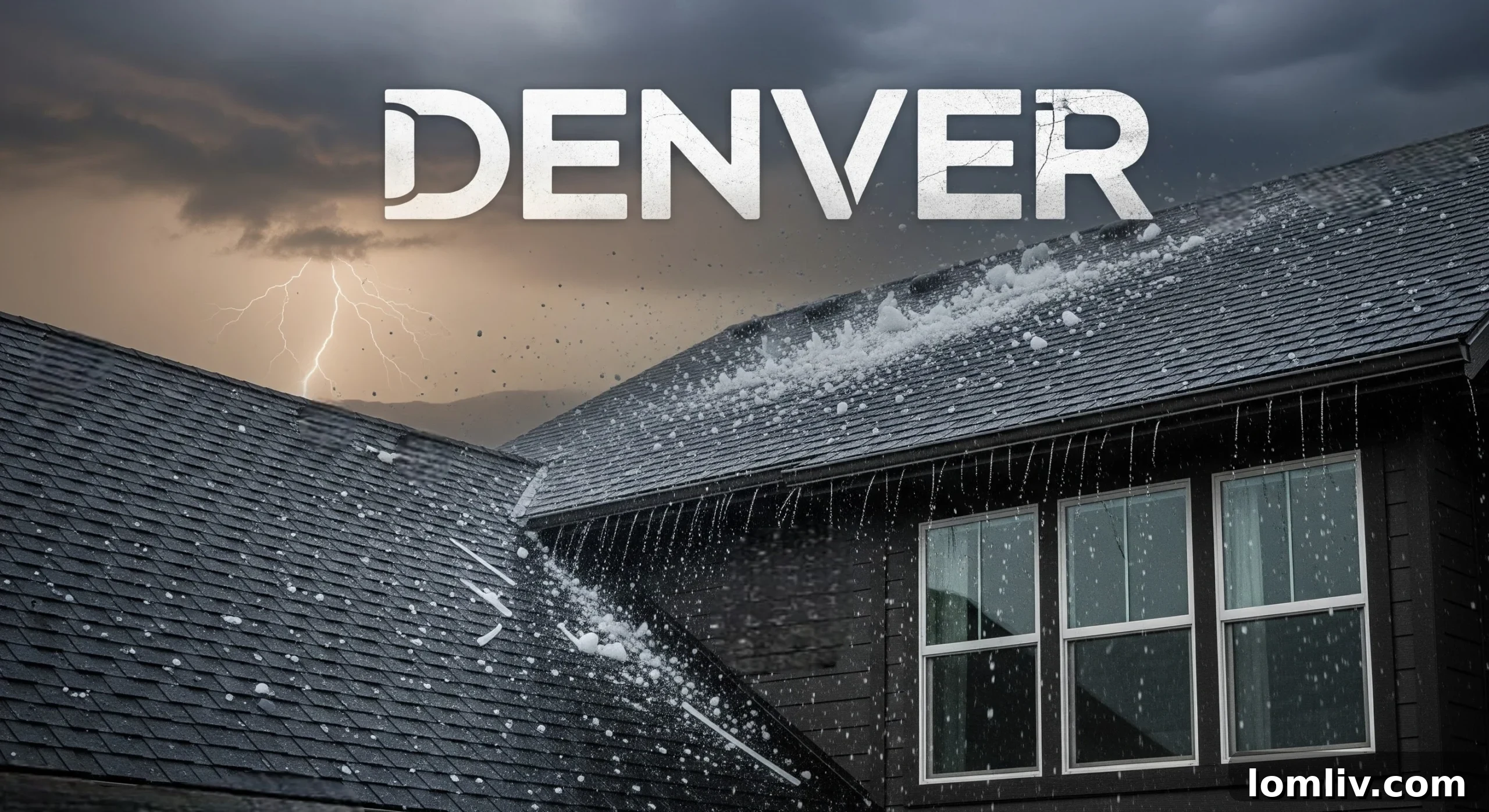
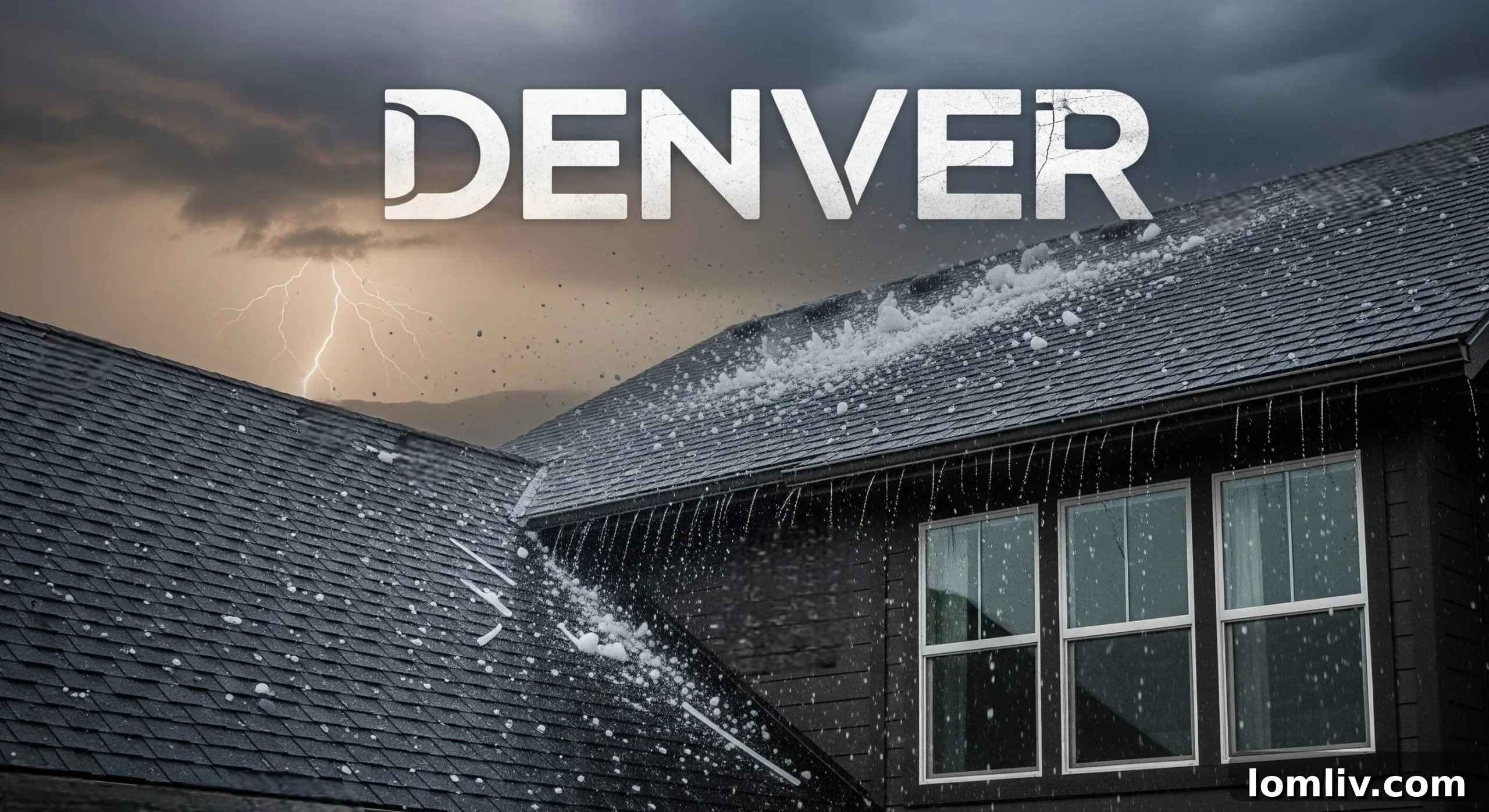
Living in Denver, Colorado, often means contending with unpredictable and sometimes severe weather, especially during the spring and summer months. Nestled within the Great Plains, Denver has a storied history of intense hailstorms, making proactive home protection not just a recommendation but a necessity. These storms can unleash hailstones ranging from pea-sized pellets to golf ball or even softball-sized chunks of ice, posing a significant threat to homes and properties across the Front Range.
The damage inflicted by a severe hailstorm can be extensive, affecting everything from your roof and windows to siding and outdoor structures. When storm damage is catastrophic, a full roof replacement is often the only viable solution to restore your home’s integrity and safety. In such scenarios, opting for roof replacement for hail damage in Denver becomes an opportunity to upgrade to impact-resistant materials, specifically those with a Class 4 rating. This strategic choice is paramount for ensuring your roof can withstand future weather assaults, offering enhanced durability and peace of mind.
Fortunately, homeowners are not powerless against nature’s fury. There are numerous proactive steps you can take to weather-proof your property, significantly minimizing potential damage and safeguarding your most valuable investment. Implementing these measures not only fortifies your home but also provides invaluable peace of mind, allowing you to face severe weather events with greater confidence. Let’s explore effective strategies to protect your Denver home from the devastating impact of hail and other storm-related hazards.
Fortify Your Roof: Your Home’s Primary Defense
Your roof stands as your home’s first and most critical line of defense against the elements, making its fortification a top priority. In hail-prone regions like Denver, paying meticulous attention to roofing materials, installation quality, and ongoing maintenance is absolutely essential. While it’s challenging to prepare for impending hail damage at a moment’s notice, certain steps can be taken to significantly enhance your roof’s resilience.
Even what appears to be minor damage, such as small dents or granule loss, can compromise your roof’s integrity over time, leading to leaks and more extensive problems. Regularly inspect your roof for any signs of damage after a storm, including cracks, missing, or loose shingles. If you discover any vulnerabilities, consider replacing them with high-performance, impact-resistant asphalt shingles. These materials are specifically designed and rigorously tested to resist impacts from hail and wind-driven debris, often carrying a Class 4 rating – the highest possible rating for hail resistance. Such an upgrade not only offers superior protection but can also qualify you for reduced homeowner’s insurance premiums, making it a wise long-term investment.
Beyond material choice, professional installation is key. Always hire a reputable and certified roofing contractor to ensure your roof is installed correctly, with proper ventilation and an appropriate slope. Correct installation minimizes the risk of wind uplift, which can peel shingles away during high winds, exposing your roof to further damage. Furthermore, scheduling annual professional roof inspections is a proactive way to maintain its durability and catch potential issues before they escalate. A professional can identify hidden damage, assess the condition of flashing, and ensure all components are performing optimally. By taking these comprehensive steps, you transform potential vulnerabilities into robust protection, securing your home against the relentless force of Denver’s hailstorms and extending the lifespan of your roof for many years to come.
Install Impact-Resistant Windows for Enhanced Safety
Windows are a crucial component of your home’s envelope, providing light and views, but standard glass can be surprisingly vulnerable to the force of hail and high winds. A shattered window not only presents a significant safety hazard from flying glass but also leaves your home exposed to water intrusion and potential interior damage, leading to expensive and disruptive repairs. Investing in protective window designs is a smart and necessary choice for homeowners in hail-prone areas.
Upgrading to impact-resistant windows is a strategic move for bolstering your home’s safety and security. These advanced windows feature laminated glass, which consists of multiple panes of glass bonded together with a durable plastic interlayer, typically made of polyvinyl butyral (PVB). This innovative construction allows the glass to flex upon impact rather than shattering into dangerous sharp pieces. Even if the glass cracks, the interlayer holds the fragments in place, maintaining the window’s structural integrity and preventing water and debris from entering your home. This protection extends beyond hail, offering increased security against forced entry and significantly reducing outside noise.
For an additional layer of protection, consider integrating storm shutters or robust metal screens. Storm shutters, available in various styles like roll-down, accordion, or colonial, can be deployed quickly before a storm to create an impenetrable barrier over your windows. Metal screens, made from heavy-gauge aluminum or steel mesh, offer a permanent solution that can deflect smaller hail and debris. Beyond storm protection, maintaining clean windows is also important; accumulated dirt and grime can sometimes weaken seals or obscure minor damage. These enhancements not only protect your home from potential breakage but also contribute to improved energy efficiency by providing better insulation, keeping your home comfortable and reducing utility costs throughout the year. Ultimately, impact-resistant windows are an investment in your home’s long-term resilience, safety, and energy performance.
Keep Gutters Clean to Prevent Water Damage
While often overlooked, clean and functional gutters are absolutely critical for preventing extensive water damage to your home, particularly in regions susceptible to heavy rainfall and hailstorms. Gutters are designed to channel rainwater and melted hail away from your roof, walls, and foundation. When they become clogged with leaves, twigs, shingle granules, and other debris, this essential drainage system fails, leading to a cascade of potential problems.
Schedule thorough gutter cleanings at least twice a year – typically in the spring and fall – or promptly after any significant storm that might deposit debris onto your roof. This routine maintenance ensures that water can flow freely, preventing overflows that can saturate your fascia, rot soffits, and even compromise your home’s foundation. During colder months, clogged gutters can lead to ice dams, where melting snow and ice back up under your roof shingles, causing severe leaks and interior damage. Proper drainage is also key to preventing soil erosion around your foundation and protecting your landscaping.
To extend the life of your gutters and reduce the frequency of manual cleanings, consider installing gutter guards. These protective covers, available in various designs such as mesh screens, reverse curve systems, or fine filters, allow water to enter while effectively blocking out larger debris. This means less maintenance for you in the long run and consistent protection for your home. During inspections, always check seams and joints for any signs of leaks or separations. These weak points can be easily sealed with waterproof caulk, ensuring the entire system remains intact and watertight. Finally, ensure your downspouts are properly directed away from your home’s foundation, preferably using extensions or splash blocks that guide water several feet away. This simple yet crucial routine can help you avoid expensive water damage, maintain the structural integrity of your home, and significantly enhance its resilience against adverse weather conditions.
Trim Trees Around Your Home for Safety
Maintaining the trees and landscaping around your property is one of the most effective and often underestimated ways to prevent storm damage, especially in areas prone to high winds and hail. Overhanging or weak tree branches pose a significant risk during severe weather events. During high winds, these branches can act like battering rams, striking your roof, siding, windows, and even vehicles, leading to scratches, punctures, broken gutters, or shattered glass. Large falling limbs or entire trees can cause catastrophic structural damage.
Regularly inspect the trees on your property, paying close attention to branches that extend over your home, driveway, or frequently used outdoor spaces. Look for dead, diseased, or decaying wood, as these branches are significantly more likely to snap under stress from wind, heavy rain, or the weight of accumulated hail. Also, identify any branches that show signs of rubbing against your roof or siding, as this can cause continuous abrasive damage over time.
For large jobs, or for any tree work involving significant height or proximity to power lines, it is always best to hire a certified arborist. Arborists have the expertise, equipment, and insurance to safely and effectively prune trees, ensuring their health and minimizing risks. They can assess the structural integrity of your trees, identify potential hazards, and perform professional trimming that promotes healthy growth while mitigating storm risks. For smaller branches (under two inches thick) that are safely within reach, you can use sharp pruning shears or loppers, making clean cuts at the appropriate points to encourage healing. Beyond trimming, mulching around the base of your trees helps to retain soil moisture, regulate temperature, and deter pests, contributing to overall tree health and stability. This proactive maintenance not only builds a safer landscape and reduces potential storm damage but also enhances your property’s curb appeal and can even improve the health and longevity of your trees, making them more resilient to future weather challenges.
Review Your Home Insurance Policy Annually
If you reside in a hail-prone region like Denver, a comprehensive understanding and regular review of your homeowner’s insurance policy are not just advisable, but absolutely essential. Your insurance policy serves as your primary financial safeguard in the event of unforeseen damage, and verifying its coverage for hailstorms is critical to ensuring you remain financially secure should a worst-case scenario unfold.
Begin by meticulously examining your policy documents to confirm that hail damage is explicitly covered. Most standard homeowners’ insurance policies (typically HO-3 or HO-5) do include coverage for hail and wind damage, but there can be important nuances. In some high-risk areas, insurers might impose separate, higher deductibles specifically for wind and hail events, which are often a percentage of your home’s insured value rather than a flat dollar amount. Be sure to understand these deductibles, as they can significantly impact your out-of-pocket expenses after a storm. Additionally, inquire about any specific endorsements or limitations on coverage for your roof or other structures, as some older roofs or certain materials might have different coverage terms. Always review exclusions for windstorms or hail to ensure your protection aligns perfectly with the unique local risks you face.
It’s also a smart practice to document all weather-proofing upgrades you implement, such as installing a Class 4 impact-resistant roof or impact-resistant windows. Keep detailed records, including photos, receipts, and contractor invoices, as this documentation can be invaluable. Not only can it streamline the claims process, but many insurance companies offer discounts or lower premiums for homes with enhanced protective features. Furthermore, consider adding scheduled personal property riders for high-value items, like jewelry, art, or specialized equipment, as their coverage under a standard policy might be limited. A thorough and proactive approach to reviewing and updating your insurance policy brings invaluable financial peace of mind, helping to minimize stress and unexpected expenses in the aftermath of a severe storm. Don’t wait for a storm to hit; ensure your coverage is adequate and current today.
FAQs About Hail Protection
Do hail blankets work for vehicles?
Hail blankets can be a highly effective temporary solution for protecting your car from small to medium-sized hailstones. They function by absorbing the impact thanks to their thick foam or neoprene padding, significantly minimizing the risk of dents and dings. High-quality versions designed for hail can offer substantial protection, especially when a garage or covered parking isn’t available. For optimal effectiveness, they need to be deployed quickly before a storm hits and securely fastened. While useful for specific situations, a sturdy garage or professional car shelter will always offer superior, comprehensive protection against the full force of a severe hailstorm.
What is the most hail-proof roof material?
Class 4 metal roofing, particularly standing seam or stone-coated steel, is widely considered the most hail-proof roof material. These roofs are rigorously tested to withstand impacts from objects simulating golf-ball-sized hailstones (up to 2 inches in diameter) without showing significant damage. Metal roofs offer exceptional durability, a long lifespan (often 50+ years), minimal upkeep, and resistance to fire and wind. Unlike traditional asphalt shingles that can crack or lose granules, metal can flex upon impact, dissipating energy without compromising integrity. Furthermore, installing a Class 4 rated metal roof often qualifies homeowners for significant insurance discounts due to its superior resilience. Proper professional installation is crucial to maximize these protective benefits.
What size hail typically damages a roof?
The size of hail that causes damage can vary, but generally, hail about an inch in diameter (quarter-sized) is sufficient to inflict noticeable damage on standard asphalt shingles, leading to granule loss, bruising, or cracks. For many roofing materials, hail the size of a golf ball (roughly 1.75 inches) or larger can cause severe and widespread damage, including punctures, widespread granule loss, and structural compromise. However, several factors can increase the risk and severity of damage, including the age and condition of your roof (older roofs are more brittle), the wind speed and direction during the storm, and the angle at which the hail strikes the roof. It is always wise to have a professional inspection performed after any significant hailstorm, regardless of the apparent size of the hailstones.
What should I do immediately after a hailstorm?
After a hailstorm, prioritize safety. Check for broken glass, downed power lines, or gas leaks. Once safe, perform a visual inspection from the ground; look for dents on gutters, siding, or vehicles, and any visible damage to the roof (like missing shingles or obvious indentations). Do not climb onto the roof if you’re not trained. Document all visible damage with clear photos and videos. Contact your insurance company immediately to report potential damage and begin the claims process. Then, reach out to a reputable local roofing contractor for a professional assessment. They can safely inspect your roof and other exterior components and provide an accurate estimate for repairs.
How often should I have my roof inspected in a hail-prone area?
In hail-prone areas like Denver, it is highly recommended to have your roof professionally inspected at least once a year, preferably in the spring before storm season fully begins. This annual inspection allows professionals to identify any minor issues, wear and tear, or latent damage that might not be immediately obvious. Additionally, it is crucial to schedule an inspection immediately after any significant hailstorm or severe weather event, even if you don’t notice obvious damage from the ground. Hidden damage can quickly lead to leaks and more extensive problems if left unaddressed, compromising your roof’s integrity over time.
Protecting your home from the unpredictable force of hail in Denver requires a continuous and diligent effort. However, the immense benefits derived from these proactive measures—encompassing your family’s safety, the structural integrity of your home, and your financial peace of mind—are undeniably worth every investment. Each strategic step you take, whether it’s upgrading to impact-resistant roofing, fortifying your windows, maintaining your gutters, or ensuring your trees are properly trimmed, adds a crucial layer of defense. This layered protection collectively works to significantly lower potential repair costs, mitigate the stress that inevitably accompanies severe storms, and enhance the overall resilience of your property.
Make weather-proofing a top priority in your home maintenance regimen. By doing so, you not only equip your home to withstand the harshest weather conditions but also cultivate an environment of security and stability for your loved ones throughout the entire year. Investing in prevention today is the smartest way to protect your tomorrow, ensuring a safer and more durable home for generations to come.