Navigating North Texas Snake Season: A Comprehensive Homeowner’s Guide to Safety
As the lush landscapes of North Texas burst forth with renewed life, propelled by recent heavy rains, another aspect of local wildlife is becoming increasingly visible: snakes. This surge in activity, particularly after periods of intense precipitation, often brings these reptiles out of their natural habitats and, sometimes, uncomfortably close to human dwellings. Understanding why these encounters are becoming more frequent, how to identify common local species, and what preventative measures homeowners can take is crucial for ensuring safety and peace of mind during peak snake season.
Startling Encounters in Dallas Neighborhoods
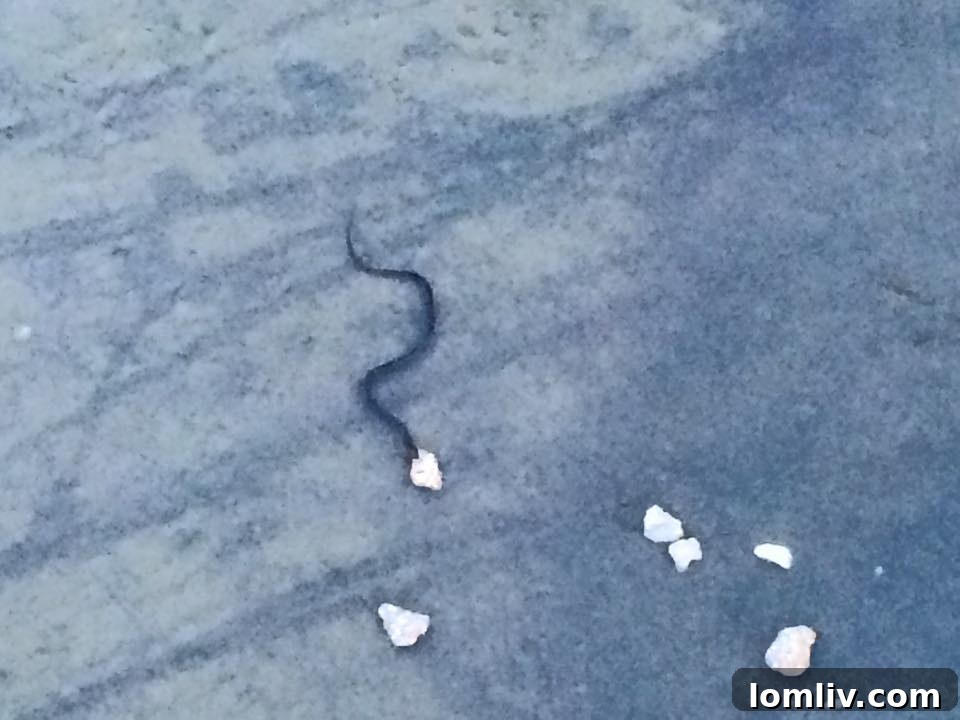
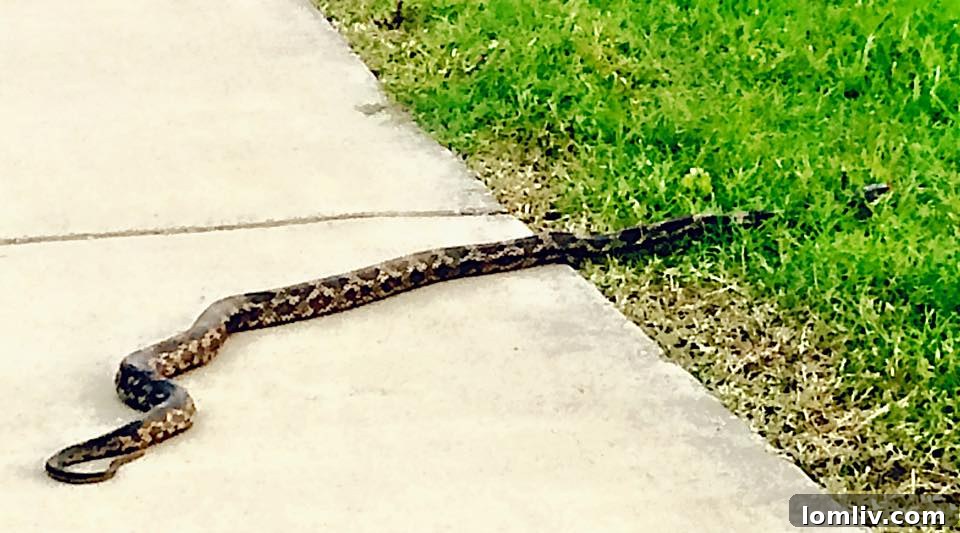
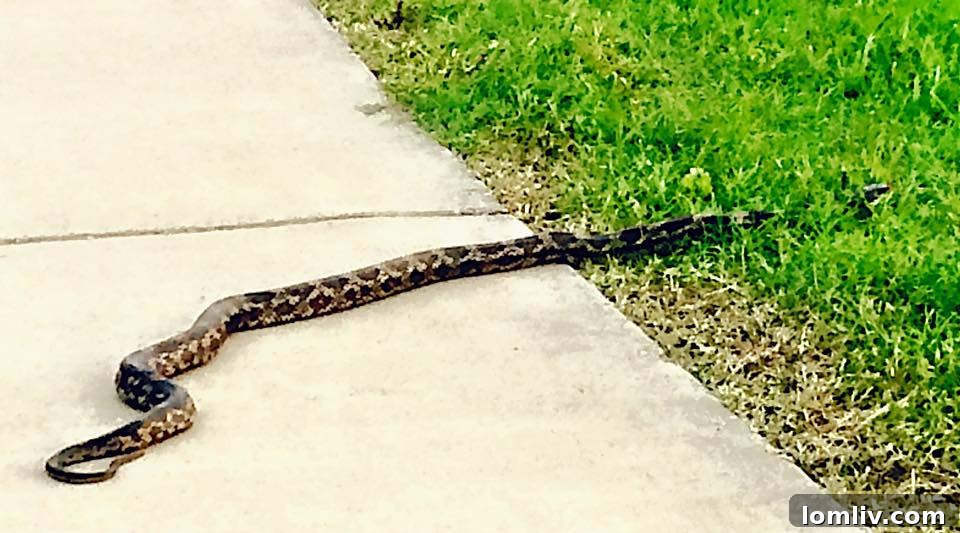
The anecdotal evidence of increased snake sightings is widespread, reflecting a genuine trend across the Dallas-Fort Worth metroplex. One vivid account comes from Keller Williams agent Alyssa McKissack and her husband, Brad McKissack. During a routine jog through their Far North Dallas neighborhood just recently, they experienced a disconcerting series of encounters.
Alyssa recounted the incident, stating, “We came around the corner & saw this monster Copperhead just chillin’.” The sight of a Copperhead, a venomous snake known for its excellent camouflage, is enough to startle anyone. However, their run took an even more dramatic turn shortly thereafter. As they proceeded over a nearby bridge, they looked down to discover another unwelcome visitor: a Water Moccasin. Understandably, Alyssa concluded, “Tonight’s run was done after that…”. Such close-proximity encounters highlight the urgent need for residents to be aware and prepared.
The “Perfect Storm”: Why Snakes Are Everywhere
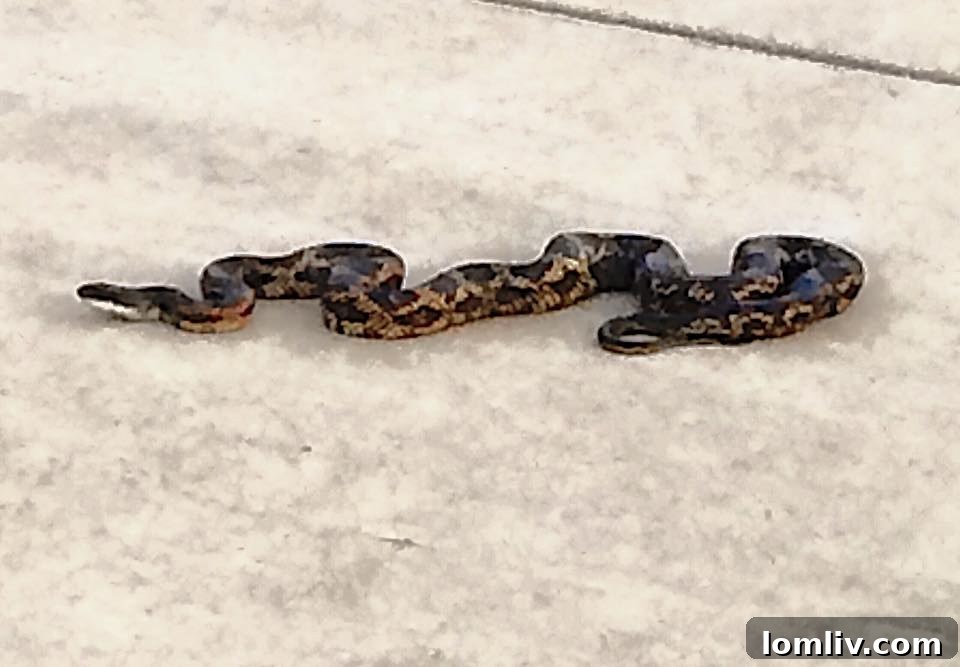
It’s not just the McKissacks’ neighborhood; snakes are indeed “out all over town.” The primary catalyst for this heightened activity is the combination of mild spring weather, followed by the significant rainfall and subsequent rising water levels that North Texas has experienced. These conditions create what experts refer to as a “perfect storm” for increased snake visibility and displacement.
When natural habitats like burrows, rock crevices, and dense vegetation become inundated with water, snakes are forced to seek higher, drier ground. This often leads them into residential areas, including gardens, sheds, and, alarmingly, sometimes directly into homes. A recent report from the Dallas area highlighted a particularly unnerving incident where a woman living near White Rock Lake discovered a live snake inside her house, making its way towards her linen closet. Such an event underscores the urgency for homeowners to take preventative measures.
Bonnie Bradshaw, whose company 911 Wildlife holds contracts with Dallas and other area municipalities to manage wildlife calls, confirms the surge in activity. She states, “We’re getting hundreds of calls about snakes right now,” directly attributing this to the prevailing weather patterns. The sheer volume of calls indicates that this isn’t an isolated phenomenon but a widespread issue impacting communities across the region.
The mild spring weather, heavy rains and rising waters have driven snakes out into the open, sometimes into homes or sheds, much to the dismay of city dwellers.
“It’s a perfect storm,” said Bonnie Bradshaw, whose company, 911 Wildlife, has a contract with Dallas and other area municipalities to handle wildlife calls. “We’re getting hundreds of calls about snakes right now.”
The key is not to overreact, said the state’s top snake expert, herpetologist Andrew Gluesenkamp with the Texas Department of Parks and Wildlife.
Identifying Common North Texas Snakes
While encountering any snake can be alarming, understanding the common species in North Texas, especially the venomous ones, is vital for appropriate action and safety. Texas is home to over 100 species and subspecies of snakes, but a few are particularly relevant to homeowners in the Dallas area:
1. Copperheads (Agkistrodon contortrix)
- Appearance: Copperheads are medium-sized, stout-bodied snakes, typically growing to 2-3 feet. They are famously identified by their distinctive hourglass-shaped crossbands that are broader on the sides and narrower along the back, resembling “Hershey’s Kisses.” Their coloration ranges from light brown or reddish-brown to pinkish-tan or grayish, allowing them to blend seamlessly with leaf litter and rocky environments. They have a triangular head and elliptical pupils.
- Habitat: These snakes are adaptable, thriving in deciduous forests, rocky hillsides, stream beds, and increasingly, suburban greenbelts and residential areas where cover is abundant.
- Danger: Copperheads are venomous, but their bites are rarely fatal to healthy adults. However, a bite can be extremely painful, causing significant tissue damage, swelling, and requires immediate medical attention. They are generally not aggressive but will strike if stepped on or threatened.
2. Water Moccasins (Cottonmouths) (Agkistrodon piscivorus)
- Appearance: Water Moccasins are heavy-bodied, semi-aquatic snakes, typically 3-4 feet long. Adults are often dark-colored, ranging from olive to dark brown or black, sometimes with faint crossbands. Juveniles may have more distinct patterns. Their most iconic identifying feature is the bright white lining of their mouth, which they display when threatened – hence the name “Cottonmouth.” They have a prominent triangular head and tend to swim with most of their body floating on the water’s surface.
- Habitat: Exclusively found near water bodies such as lakes, ponds, swamps, marshes, irrigation ditches, and slow-moving streams.
- Danger: Water Moccasins are venomous, and their bites are considered medically significant. They can cause severe pain, swelling, and tissue damage, requiring prompt medical care. Like most snakes, they prefer to retreat but will strike if cornered or handled.
3. Rat Snakes (Pantherophis obsoletus complex)
- Appearance: Often mistaken for venomous species due to their size and defensive displays, Rat Snakes are non-venomous constrictors. They can grow quite long, sometimes exceeding 6 feet. In North Texas, the Texas Rat Snake is common, often appearing dark gray to black, sometimes with faint patterns. They have a slender body and a relatively small head. When threatened, they may coil, vibrate their tail (mimicking a rattlesnake), and even strike, which can be alarming.
- Habitat: Highly adaptable, they inhabit forests, fields, barns, and readily venture into suburban and urban environments. They are excellent climbers, often found in trees, attics, and rafters, preying on rodents and birds.
- Benefits: Rat Snakes are beneficial to the ecosystem, playing a vital role in natural pest control by preying on mice, rats, and other small rodents that can otherwise infest homes and properties.
Expert Advice: The Importance of Staying Calm
“The key is not to overreact,” emphasizes Andrew Gluesenkamp, the state’s top snake expert and a herpetologist with the Texas Department of Parks and Wildlife. While this advice can be challenging to follow in the heat of the moment, particularly when a snake invades your personal space, it is profoundly important. Panic can lead to poor judgment, increasing the risk of a bite or unnecessary harm to the animal.
It’s understandable to feel a primal fear when confronted with a snake, especially a venomous one. The sentiment that “a snake in the house requires a Xanax post removal” perfectly captures the anxiety many feel. However, embracing a calm approach, as Alyssa and Brad did by simply avoiding the snake-laden bridge on subsequent walks, is a far more effective strategy than panic. Education and preparedness are your best allies.
Comprehensive Snake Prevention Strategies for Homeowners
Proactive measures are the most effective way to minimize snake encounters on your property. By making your yard and home less appealing to snakes, you can significantly reduce the risk of unwelcome reptilian visitors.
1. Yard and Landscape Maintenance: Remove Attractions
- Regular Mowing: Keep your lawn mowed short, particularly around the perimeter of your house, outbuildings, and play areas. Tall grass provides excellent cover for snakes to hide and hunt.
- Clear Debris: Eliminate potential hiding spots. This includes piles of leaves, rock piles, woodpiles, compost heaps, and any construction debris. Stack firewood neatly on an elevated rack, away from the house.
- Trim Vegetation: Keep shrubs, bushes, and low-hanging tree branches trimmed back from your home’s foundation. This reduces cover and creates an open space that snakes are less likely to cross.
- Manage Water Sources: Remove standing water from your yard, such as clogged gutters, bird baths, or poorly drained areas. Standing water attracts amphibians and insects, which are prey for snakes.
2. Home Sealing: Fortify Your Perimeter
- Inspect Foundation: Critically examine your home’s foundation for any cracks, gaps, or holes, even small ones. Snakes can squeeze through surprisingly tiny openings. Seal these with caulk, mortar, or expanding foam.
- Secure Doors and Windows: Ensure all exterior doors have tight-fitting sweeps or thresholds at the bottom. Check that window screens are intact and without tears. Repair or replace any damaged screens.
- Cover Vents and Pipes: Install fine-mesh hardware cloth over all outdoor vents (e.g., dryer vents, foundation vents, attic vents). Seal around pipes where they enter the house.
- Garage Doors: Make sure your garage door seals tightly to the ground when closed, as gaps can provide easy entry.
3. Pest Control: Eliminate Food Sources
- Snakes are often drawn to properties with an abundant food supply, primarily rodents (mice, rats) and large insects. Implementing effective rodent control strategies is a crucial, indirect method of snake prevention. This includes storing pet food and bird seed in sealed containers, cleaning up spilled food, and using traps or professional pest control if rodent activity is detected.
4. Consider Repellents (with Caution)
- Products marketed as “snake repellents,” such as “Snake-Away,” are available. While some homeowners report success, their effectiveness is often debated by wildlife experts. If you choose to use them, follow the instructions carefully and understand that they may not be a foolproof solution. The idea of carrying “Snake-Away in baggies in your pocket,” as mentioned humorously by Alyssa, might offer psychological comfort but isn’t a practical defense.
What to Do if You Encounter a Snake
Despite all preventative measures, encounters can still occur. Knowing how to react safely is paramount:
- Stay Calm: Remember the expert advice. Do not panic or make sudden movements.
- Maintain Distance: Give the snake plenty of space. Do not attempt to approach, handle, or harm it. Most snake bites occur when people try to interact with or kill snakes.
- Back Away Slowly: If you are close to the snake, slowly and carefully back away from it.
- Identify if Possible (from a safe distance): If you can safely get a photo or accurately identify the type of snake (venomous vs. non-venomous) from a distance, this information can be helpful if professional removal is needed or if a bite occurs.
- If Indoors: If a snake enters your home, try to confine it to one room by closing doors and placing a towel under the door to block its escape. Call a professional wildlife removal service immediately. Do NOT attempt to catch or kill it yourself.
- If Outdoors: Most outdoor snakes will move on their own if left undisturbed. If the snake is in a problematic area (e.g., near a doorway, children’s play area) and does not move after a reasonable time, call a professional.
- In Case of a Bite: Seek immediate medical attention. Do not attempt to suck out venom, apply a tourniquet, cut the wound, or apply ice. Keep the bitten limb still and below heart level if possible. Try to remember the snake’s appearance for medical staff, but do not risk further injury by trying to capture it.
The Real Estate Perspective: Snakes and Property Showings
Beyond the personal fright, the presence of snakes can introduce an unforeseen variable into the real estate market. Imagine the scenario: You’re showing a meticulously staged home to a potential buyer, and a snake suddenly appears in the yard or, worse, near the entrance. Does it “freak out the buyer”? Or do they perhaps quip, “Great, no rats in this yard!”
While the latter, more lighthearted reaction might be rare, a snake sighting can undeniably create an immediate negative impression that can overshadow a property’s other attractive features. For homeowners preparing to sell, especially during peak snake season, extra diligence in yard maintenance and home sealing is crucial. A well-maintained, snake-free exterior and interior not only contribute to safety but also ensure a smoother, more appealing showing experience. It’s an often-overlooked aspect of property preparation that speaks volumes about the overall care and safety of a home, potentially influencing a buyer’s decision.
Conclusion: Coexisting with Vigilance
As the “perfect storm” of heavy rains continues to influence North Texas, the likelihood of encountering snakes remains elevated. While these encounters can be unsettling, they serve as a potent reminder of the rich and diverse wildlife that shares our environment. By understanding the reasons behind increased snake activity, familiarizing ourselves with common local species, and diligently implementing robust prevention strategies, homeowners can significantly reduce potential risks and foster a safer coexistence with these fascinating, albeit sometimes frightening, reptiles.
Stay vigilant, maintain your property, and remember the experts’ core advice: stay calm. Professional help is readily available for snake removal, ensuring both your safety and the well-being of these creatures, which play an important role in our ecosystem. Our homes are our sanctuaries, and with careful attention and preparedness, we can ensure they remain so, even during the most active snake season.