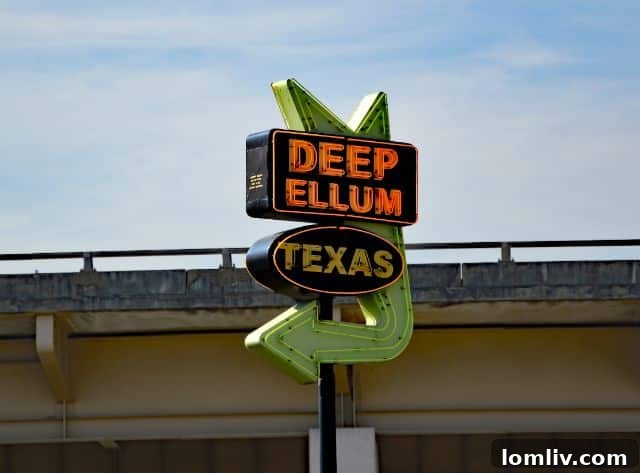
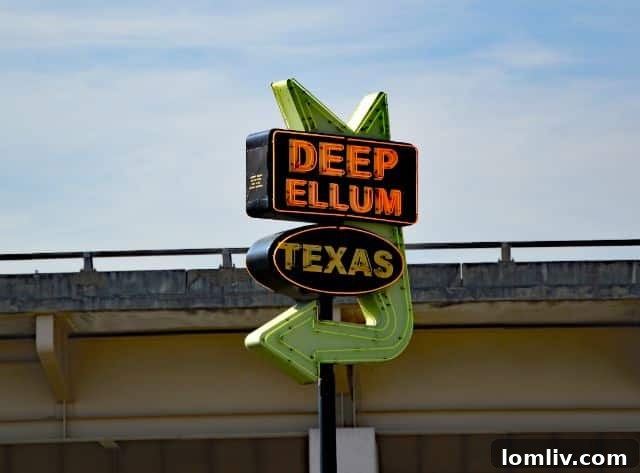
Deep Ellum, a vibrant cultural and entertainment hub in Dallas, stands on the cusp of achieving a monumental milestone: a potential designation as a National Register of Historic Places district. This prestigious recognition would not only honor the neighborhood’s rich and multifaceted past but also unlock significant opportunities for its future preservation and economic vitality. While over 20 individual buildings within Deep Ellum already hold individual National Register listings, the district itself has, until now, remained without this overarching federal acknowledgment, a situation many in the community believe is long overdue for such a historically significant area.
The journey to securing a National Register district designation is, however, far from straightforward. It involves a rigorous, multi-faceted process guided by precise criteria established by the National Park Service. For those interested in the intricate details, the requirements for a district to qualify for the National Register of Historic Places are comprehensively outlined in a 54-page PDF document available on the National Park Service website. This extensive guide underscores the depth of historical and architectural documentation required for such an application, emphasizing the meticulous detail necessary to demonstrate a district’s significance.
For those seeking a more concise understanding, the core qualification for a historic district can be summarized as follows:
A District possesses a significant concentration, linkage, or continuity of sites, buildings, structures, or objects united historically or aesthetically by plan or physical development.
This definition highlights the importance of not just individual historic structures, but their collective impact, how they narrate a continuous story, and their role in the planned or organic development of a specific geographical area. Deep Ellum, with its distinct architecture, storied past in music and industry, and unique urban fabric, presents a compelling case for meeting these stringent criteria.

Unlocking Deep Ellum’s Historic Potential: Bridging the Knowledge Gap
Given Deep Ellum’s undeniable historical significance, the question naturally arises: why has it taken so long for the district to pursue this federal recognition? It’s certainly not due to a lack of intrinsic value or community interest. The neighborhood, born in the late 19th century as a commercial and entertainment hub for Dallas’s burgeoning population, particularly its African American community, boasts a rich heritage in jazz, blues, and early manufacturing. Its streets once buzzed with legendary musicians, innovative entrepreneurs, and a vibrant cultural scene that profoundly shaped Dallas and the broader American landscape.
Stephanie Keller Hudiburg, the executive director of The Deep Ellum Foundation, shed light on the challenges that have historically prevented this designation. “There have been talks about being on the National Register as a district for over a decade,” she explained. “However, what we primarily lacked was the specific knowledge and understanding about the detailed requirements and intricate processes necessary to qualify for such a prestigious designation. This wasn’t a question of desire, but of expertise and strategic guidance.”
This critical knowledge gap has now been systematically addressed. The Deep Ellum Foundation, driven by a renewed commitment to celebrating and preserving the neighborhood’s unique identity, has meticulously developed both a strategic plan and a cultural plan. A cornerstone of this cultural plan is the explicit goal to “celebrate our history” and ensure that Deep Ellum’s past remains an integral part of its vibrant present and future. Last year marked a pivotal turning point when the Foundation partnered with Preservation Dallas, a highly respected local preservation organization. This collaboration was initiated to conduct a comprehensive assessment, meticulously evaluating whether Deep Ellum possessed the necessary historic assets and integrity to meet the National Register’s rigorous qualification standards.
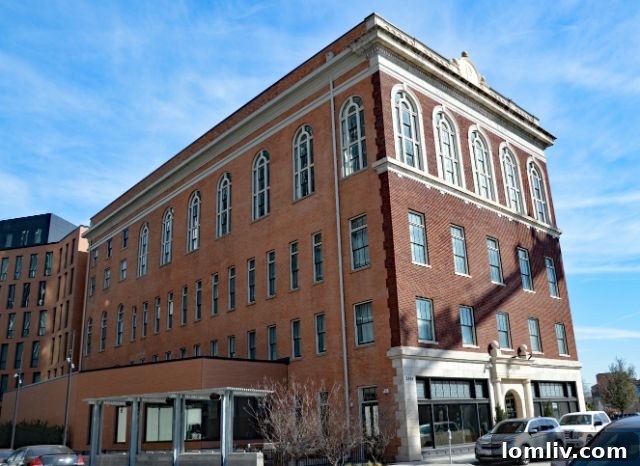
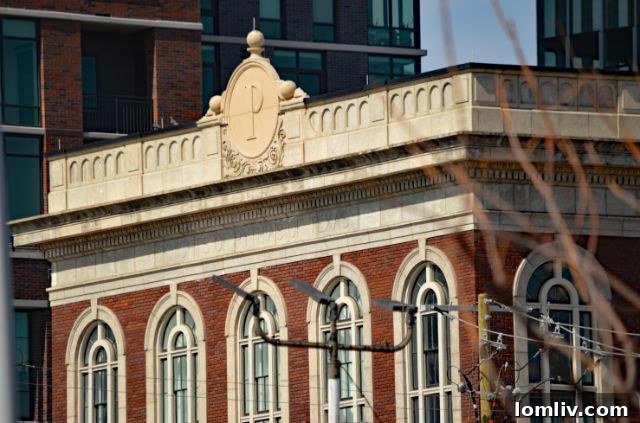
The fruit of this crucial partnership is the recently completed Historic Resources Survey of Downtown Dallas and Deep Ellum. This extensive survey, which meticulously cataloged and assessed the historical integrity of countless structures, was a monumental undertaking. David Preziosi, Executive Director of Preservation Dallas, elaborated on the survey’s findings in an article published in early February, highlighting the wealth of historic properties that contribute to the district’s unique character and eligibility.
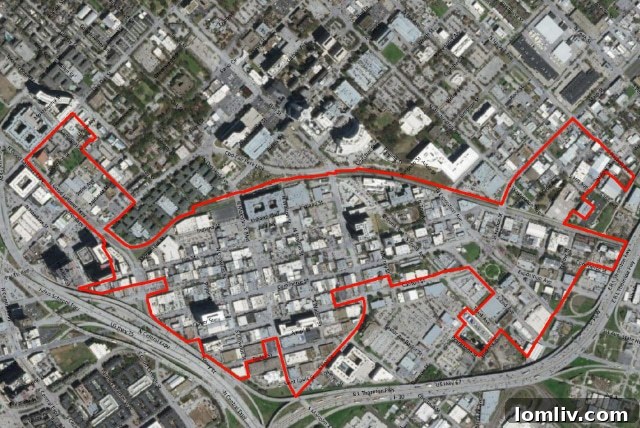
A Wealth of History: Deep Ellum Exceeds Eligibility Requirements
The results of the Historic Resources Survey were overwhelmingly positive and decisively cleared any lingering doubts about Deep Ellum’s eligibility. Technically, for a district to qualify for the National Register, a minimum of 50 percent of its contributing buildings must possess historical significance and integrity. Deep Ellum, to the delight of its proponents, far surpasses this threshold, with an impressive 76 percent of its structures meeting the criteria. This high percentage not only ensures qualification but also underscores the remarkable preservation of its historical fabric despite decades of urban development and change.
With the critical assessment phase successfully completed and a clear demonstration of Deep Ellum’s historic factors, the momentum for the designation rapidly accelerated. The next pivotal step involved engaging a specialized consultant to meticulously prepare the “Determination of Eligibility” paperwork. This complex document requires expert knowledge in historical research, architectural documentation, and National Register guidelines. Preservation Dallas, leveraging its extensive network and experience, once again engaged the highly regarded services of HHM and Associates in January, entrusting them with this crucial task.
The project received another significant boost in February when it secured a generous grant from The Summerlee Foundation. This vital funding was specifically allocated to cover the substantial costs associated with the consultant’s work and the comprehensive documentation process. This convergence of community will, expert consultation, and dedicated financial support created an optimal environment for moving the Deep Ellum National Register district application forward. It truly felt like a perfect alignment of efforts and resources, pushing a long-held aspiration closer to reality.
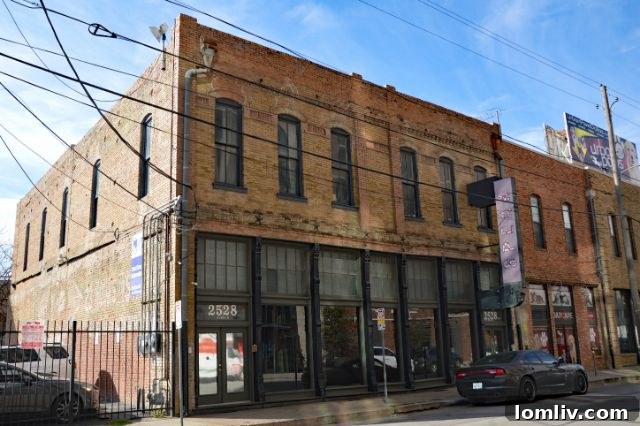
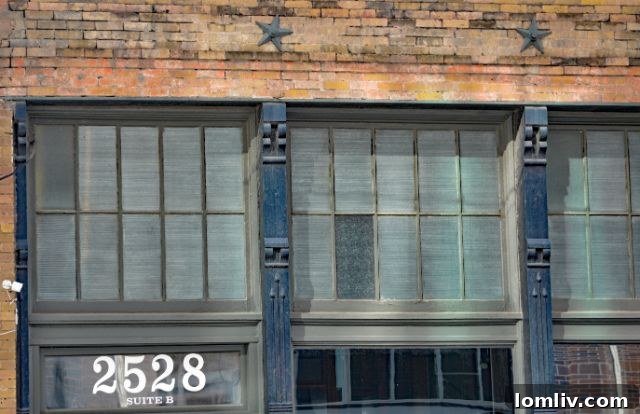
The Tangible Benefits: The Economics of Historic Preservation in Deep Ellum
Beyond the inherent value of honoring its past, why is securing this federal recognition as a historic district so critically important for a neighborhood like Deep Ellum? Of course, a fundamental motivation is to celebrate and preserve the deep, layered history that has shaped its identity and to ensure the architectural integrity of its unique buildings for future generations. However, the benefits extend far beyond sentiment, encompassing significant economic and cultural advantages that can profoundly impact the district’s long-term sustainability and prosperity.
Stephanie Keller Hudiburg underscored the tangible economic benefits of such a designation. “We are currently recognized as the No. 1 entertainment district in the region,” she stated. “With over 100 bars and restaurants, Deep Ellum operates almost on a 24/7 basis, making it a colossal visitor destination. People are inherently drawn to historic districts; they seek authentic experiences and appreciate the unique character that only preserved heritage can offer. Therefore, having the National Register designation will significantly enhance the district’s importance, elevating its profile on both a national and international stage. This recognition provides an unparalleled opportunity to showcase the profound history and cultural richness of the neighborhood, attracting even greater numbers of tourists, residents, and businesses.”
The economic impact of historic designation is well-documented. It often leads to increased property values within the district, as the guaranteed protection and unique aesthetic appeal make properties more desirable. More importantly, it can catalyze heritage tourism, drawing visitors who are specifically interested in exploring historically significant places, leading to increased revenue for local businesses, hotels, and cultural attractions. Furthermore, National Register status can open doors to crucial federal and state tax credits for historic rehabilitation projects, making it financially more feasible for property owners to invest in the sensitive restoration and adaptive reuse of their historic buildings. This encourages private investment, stimulates job creation in specialized trades, and fosters small business growth, all while maintaining the unique character that defines Deep Ellum. It transforms preservation from a cost into an economic engine, ensuring that history is not just revered but actively contributes to the community’s future.
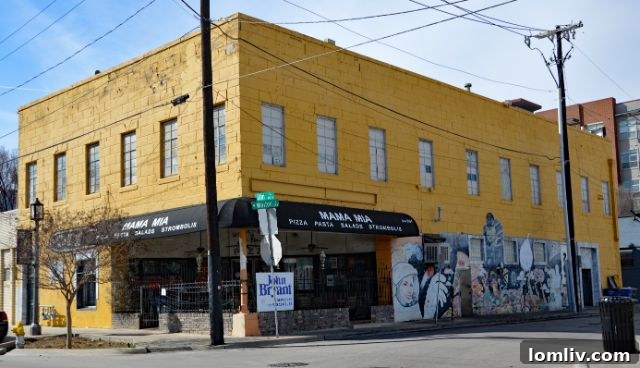

As of today, a significant milestone has been reached: the meticulously prepared Determination of Eligibility paperwork is now in the expert hands of the Texas Historical Commission. This represents a crucial stage in the approval process, and the community eagerly anticipates a positive decision in the coming days or weeks. Following state review and approval, the application will then proceed to the National Park Service for its final federal review and endorsement. This multi-tiered process, while thorough, ensures that only the most deserving and well-documented districts receive this esteemed designation.
The entire, comprehensive process, from initial assessment to final federal approval, is projected to be completed within approximately 18 months. This timeline holds particular significance, as it is expected to culminate just in time for Deep Ellum’s momentous 150th anniversary. Achieving National Register status during such a landmark year would provide an incredible focal point for celebrations, public engagement, and renewed civic pride, solidifying Deep Ellum’s place not just in Dallas history, but as a recognized treasure within the nation’s cultural heritage. The future looks exceptionally bright for this historic Dallas gem.