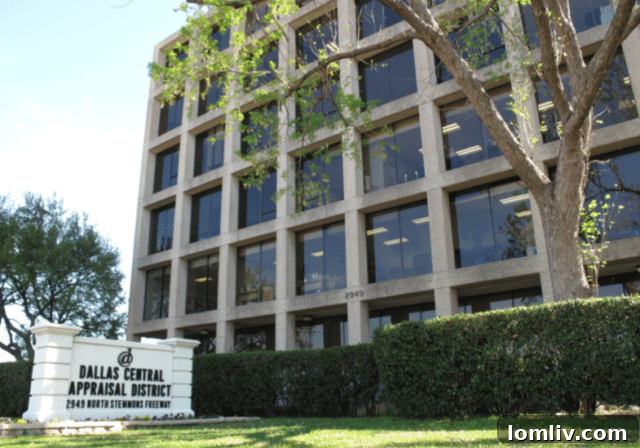
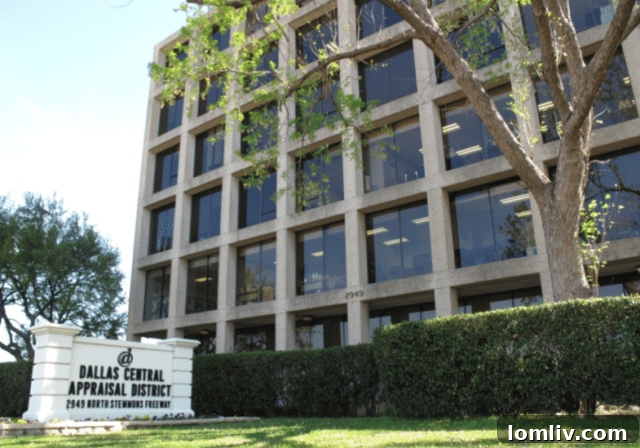
In the bustling world of Texas real estate, the Dallas Central Appraisal District (DCAD) website stands as an indispensable resource. Often visited multiple times a day by countless real estate professionals, appraisers, and property owners, DCAD is the authoritative source for critical property information. However, the recent weeks have cast a long shadow over its operations, highlighting the increasing vulnerability of even vital public services to sophisticated cyber threats. For those in the real estate sector and beyond, the most coveted gift this season is simply patience, as DCAD navigates the complex aftermath of a crippling ransomware attack.
The ordeal began on November 8th, when the primary DCAD website went offline, plunging real estate operations into an unprecedented state of disarray. This catastrophic shutdown meant that all essential appraisal work, typically facilitated by digital tools and extensive online databases, had to revert to arduous manual processes. Appraisers were forced to conduct their evaluations by hand, on paper, a stark reminder of a bygone era. The immediate aftermath was characterized by widespread frustration and a desperate scramble for alternative data sources. Adding to the challenge, a new, bare-bones website was launched last week with the crucial assistance of tech vendor BIS Consultants, offering only rudimentary functionalities and demanding continued patience from its users as the district strives for full recovery.
Navigating the Digital Void: How Real Estate Professionals are Researching Properties
The abrupt unavailability of the DCAD website left real estate agents, investors, and property tax consultants in a precarious position. Their daily workflow, heavily reliant on accurate and up-to-date property data, was severely disrupted. In response to the crisis, DCAD quickly posted a message on its Facebook page, directing users to an alternative search method: the State Comptroller’s Property Tax Transparency website. This portal, accessible via https://www.texas.gov/living-in-texas/property-tax-transparency/, allows users to search for “Dallas County” where prompted by “Find your county’s website” to access some basic ownership and value information. While a temporary workaround, it falls far short of the comprehensive data and intuitive interface DCAD previously offered.
Many agents also turned to the MetroTex Dashboard, specifically utilizing its Realist Tax feature. This platform provided some relief, yet its data presented a significant limitation: all figures were current only as of November 8th, 2022, the precise day the ransomware attack rendered DCAD’s systems inaccessible. This meant that any market changes, new appraisals, or updated property information since that date remained unavailable, leading to potential inaccuracies in property valuations and market analysis. The reliance on outdated information created a ripple effect, impacting everything from listing prices to mortgage approvals and property tax protests, underscoring the critical need for real-time data in the dynamic real estate market.
A Troubling Trend: Ransomware Strikes Travis County Appraisal District
The cyberattack on DCAD is not an isolated incident but rather a symptom of a larger, more alarming trend targeting public institutions. Dallas was not the only Texas appraisal district to fall victim to such malicious activity. In early December, the Travis County Appraisal District, serving the Austin metropolitan area, was also hit by a sophisticated Royal ransomware attack. This assault severely impacted its operational capacity, shutting down crucial phone lines and disabling its online chat system. According to the Austin American Statesman, the specific demands of the attackers remained unclear, as the agency made a principled decision to refuse communication with the hackers. Fortunately, Travis County demonstrated a more rapid recovery, managing to restore its website and essential services within approximately one week, a stark contrast to the prolonged difficulties faced by DCAD. This incident in Travis County serves as a somber reminder that no public agency, regardless of its size or location, is immune to the escalating threat of cyber warfare, and highlights the urgent need for enhanced digital resilience across all government entities.
DCAD’s Phased Recovery: The Launch of a Bare-Bones Website
In the wake of the extensive disruption, the Dallas Morning News reported that DCAD enlisted the expertise of BIS Consultants, a Farmers Branch-based firm widely regarded as excellent by industry insiders. Their primary task was to assist DCAD in restoring some semblance of online functionality. This collaboration led to the launch of a new, albeit “bare-bones,” website on a recent Thursday evening. This foundational site offers minimal features, primarily serving property owners who are still navigating ongoing appraisal processes. Insiders revealed to Daltxrealestate.com that the ransomware attack indeed took control and locked DCAD’s systems, with attackers demanding a ransom to reinstate access to the vast and sensitive property data held by the district. The compromised data included not only property values but potentially other critical information necessary for the functioning of the real estate ecosystem.
The new home website, while a critical step forward, currently includes only contact information for the agency, a list of local tax offices, and a rudimentary property search function. This basic set of tools is intended to provide property owners with the ability to search for ownership details and property values, as explained by a DCAD representative. However, the representative also acknowledged the severe limitations, stating, “We still are not fully operational. We still cannot process exemptions or deeds or anything, but we’re still working on that.” Reaffirming the current state, the representative concluded, “It’s bare bones right now.” This candid assessment underscores the long road ahead for DCAD in fully restoring its essential services and regaining the comprehensive functionality that real estate professionals depend on daily.
The agency, which bears the crucial responsibility of determining the values of Dallas County real estate, has publicly stated its intentions to expand the website’s features and capabilities over the coming weeks. This phased approach suggests they are effectively building a “shadow site,” gradually adding content and functionality as they securely rebuild their digital infrastructure. A prominent disclaimer on the new site serves as a gentle plea for understanding: “Dallas Central Appraisal District has a new service provider for the website. Please be patient as we add more content in the upcoming days and weeks.” This message signals an ongoing recovery effort that requires not just technical expertise but also the continued patience and cooperation of the public and real estate community.
The Financial Realities: Insurance and the Cost of Cyberattacks
A critical question in the aftermath of such a significant cyberattack revolves around the financial implications, particularly regarding insurance coverage. Given that Dallas County manages DCAD, there have been ongoing efforts to confirm whether the district possesses insurance coverage that would specifically address a ransomware attack. This inquiry is paramount because many municipal agencies, including those within Dallas County, operate under a self-insured model. This means they bear the financial risk themselves, rather than relying on external insurance providers. If DCAD is indeed self-insured, the financial burden of recovering from the ransomware attack, including system restoration, potential ransom payments (if ever considered), and legal fees, would fall directly on the county’s taxpayers, highlighting the broader economic consequences of such breaches.
To gain further insight into the landscape of cybersecurity insurance, Daltxrealestate.com engaged in a conversation with Patrick Costello, co-founder and principal of evolvemga.com, a specialized cybersecurity insurance firm that helps companies mitigate the financial fallout from precisely this type of hacking incident. Costello emphasized the alarming prevalence of ransomware attacks in the current digital environment. He noted that ransomware, alongside Wire Transfer Fraud (WTF), represents the two most common and financially devastating forms of cybercrime impacting businesses and organizations today. This expert perspective underscores the systemic nature of the threat and the critical need for robust cybersecurity measures and comprehensive insurance policies.
Understanding the Mechanics: How a Ransomware Attack Unfolds
To truly grasp the severity of the DCAD incident, it’s essential to understand the typical modus operandi of a ransomware attack. Patrick Costello provided a clear explanation of how these insidious attacks typically originate and propagate. The process almost invariably begins with a seemingly innocuous email – a phishing attempt – sent to an employee within the target organization. If an unsuspecting recipient clicks on a malicious link embedded within this email, or opens a compromised attachment, the ransomware is unleashed. It then infiltrates the system, rapidly spreading and taking over like an aggressive digital virus. The primary function of this malware is to encrypt critical data and, in many cases, lock users out of their entire system, rendering it completely inoperable. This system lockdown directly leads to business interruption, which Costello highlighted as a massive and increasingly significant component of evolving cybersecurity insurance policies. Beyond the immediate disruption, the attackers then issue a demand for a ransom, usually in cryptocurrency, in exchange for a decryption key to unlock the compromised data.
Reflecting on the DCAD incident, Costello speculated, “Most likely someone clicked on a link and it invaded the DCAD system.” This simple act, often an honest mistake, can have catastrophic consequences for an entire organization. His stark warning to all digital users is unambiguous: “Do not click on unknown emails ever.” He further cautioned individuals and organizations to “be especially careful transferring money,” recognizing the intertwined nature of ransomware and financial fraud. The implications extend beyond just data access; they encompass significant financial losses, reputational damage, and a severe erosion of public trust in the ability of institutions to safeguard sensitive information.
Demands for Transparency and Enhanced Security: Protecting Public Data
The DCAD ransomware attack has ignited a chorus of calls for greater transparency, more detailed information, and a significantly higher level of security for an agency entrusted with calculating property tax bills for an entire county. Critics argue that DCAD’s communication regarding the specifics of the attack has been insufficient, leaving real estate professionals and property owners in the dark about the extent of the breach and potential compromises of personal data. In contrast, Marya Crigler, the Chief Appraiser for Travis County, offered a more reassuring narrative following their district’s ransomware attack. She explained that their robust security protocols were instrumental in protecting private taxpayer information from being accessed and enabled the agency to maintain most of its core operations without interruption. Crucially, property tax bills and payments handled by the Travis County tax office remained entirely unaffected.
However, the situation in Dallas presents a more unsettling picture. At least one prominent tax consultant reported receiving a suspicious email in the aftermath of the DCAD hack, an email that *could* have been related to the breach. This incident fuels the concerns of cybersecurity experts like Glenn Goodrich, founder and CEO of propertytax.io. Goodrich articulated the core problem: “The initial assurance that everything was public was concerning because the hackers had control over emails, which can often contain personal information.” He continued, expressing his frustration with the lack of detailed communication: “I don’t know if that email came from the hack or not… which is part of the problem. DCAD should have given more details about what the phishing looked like. Was it a file similar to one in my email? I have no idea because they have provided zero details.” Goodrich advocates for a more responsible approach from public agencies: “It would have been more responsible for DCAD to say ‘be extra diligent since your email address may have been compromised if you have emailed us.’” His overarching concern resonates with many: “We trust that government entities are safe with our private data — but the truth is, they may not be.” This incident serves as a critical call to action for all government agencies to re-evaluate and fortify their cybersecurity defenses, and to prioritize clear, timely, and comprehensive communication with the public in the event of a breach.