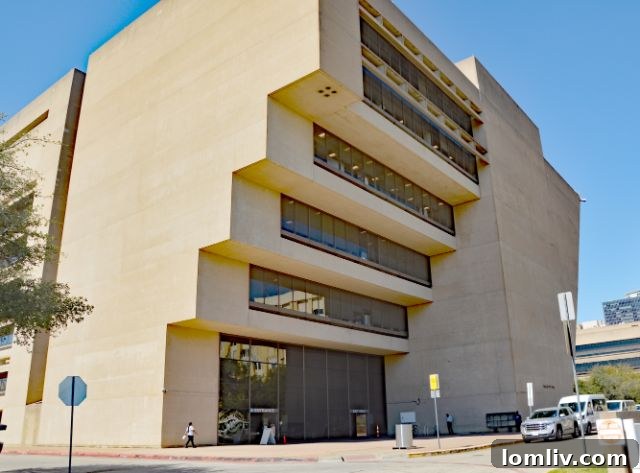
The year 2023 proved to be a pivotal and dynamic period for Dallas, characterized by significant shifts in leadership, escalating cybersecurity threats, fervent debates over the city budget and property tax rates, and the unwavering resolve of its diverse neighborhoods. From the halls of power to the streets where communities thrive, Dallasites navigated a landscape of change with a distinctive blend of resilience and hope. This comprehensive review delves into the most impactful stories that emerged from Dallas City Hall throughout 2023, shaping the future trajectory of this vibrant metropolis.
The narratives outlined below represent critical moments that defined the city’s political, social, and economic landscape, impacting residents and businesses alike. These events underscore the complex challenges and strategic decisions made by city officials, often under intense public scrutiny, as Dallas continues its journey of growth and evolution, proving once again its capacity for adaptation and its strong community spirit.
Dallas City Council Takes Stance Against Neighborhood Short-Term Rentals
One of the most contentious issues to dominate Dallas City Hall in recent years reached a significant turning point in June 2023: the regulation of short-term rentals (STRs). Following a protracted struggle that pitted neighborhood residents against STR operators, the Dallas City Council cast a decisive 12-3 vote to prohibit short-term rentals in residential neighborhoods. This landmark decision aimed to restore peace and preserve the character of single-family areas, which many residents argued were being eroded by the commercialization associated with STRs.
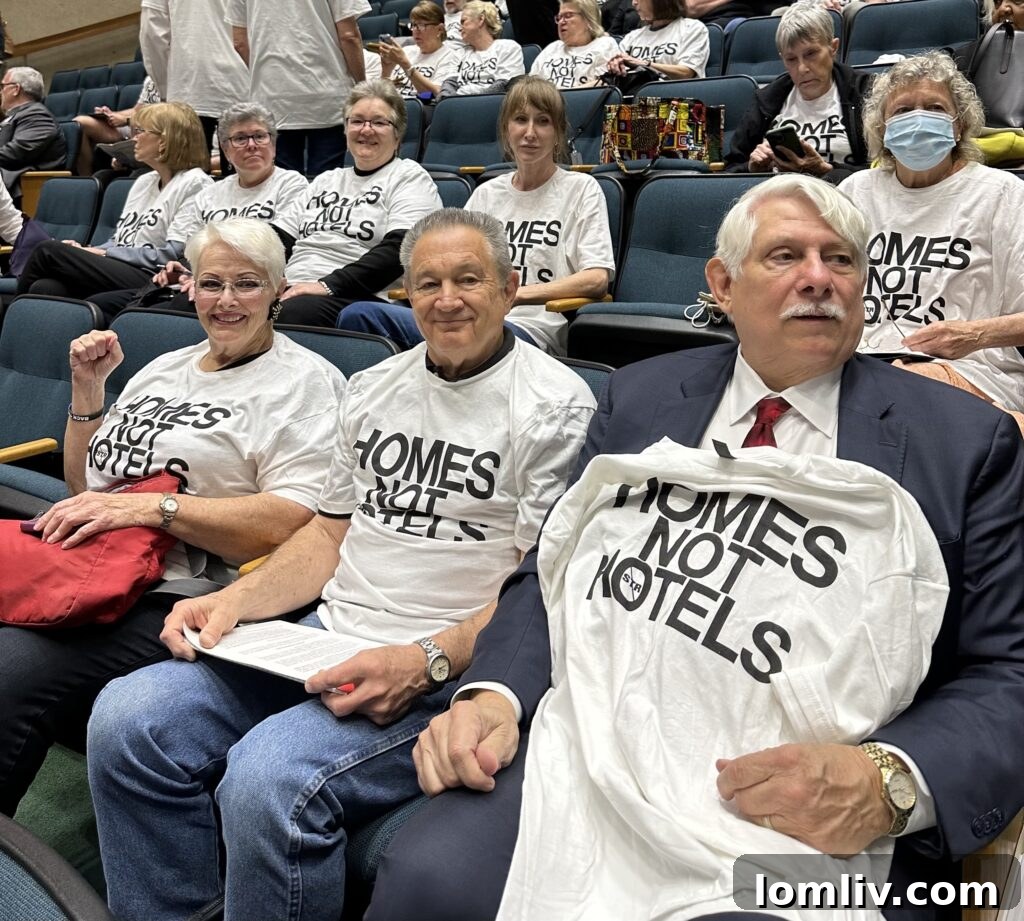
The ban, intended to take effect later in the year, was met with immediate legal challenges. The Dallas Short Term Rental Alliance sued the city, arguing against the legality and fairness of the new ordinance. This legal battle saw a temporary victory for STR operators when a judge issued an injunction, effectively postponing the city’s ability to enforce codes against illegal STRs while the case proceeds through the court system. This judicial intervention means that the long-awaited enforcement, initially planned for December 14th, 2023, was put on hold, leaving the future of STRs in Dallas residential zones in a state of uncertainty.
City officials have since indicated that they are actively exploring their options, including the possibility of appealing the judge’s ruling. The ongoing legal complexities highlight the deeply divided opinions surrounding STRs – balancing property owners’ rights to rent out their homes with the community’s desire to maintain residential integrity and peace. This issue remains a top priority for Dallas City Hall, promising further developments in the coming year as the city seeks a definitive resolution that aligns with its vision for sustainable urban living and ensures neighborhood stability. The debate over the economic benefits versus community impact continues to be a defining characteristic of Dallas’s approach to modern urban challenges.
Key Housing and Planning Officials Depart Dallas Leadership
The year 2023 also saw a significant restructuring within critical departments at Dallas City Hall, as several top housing and planning officials resigned from their leadership roles. David Noguera, the Director of Housing and Neighborhood Revitalization, Julia Ryan, the Planning and Urban Design Director, and Assistant Housing Director Kyle Hines all departed the city’s employ within the year. These high-profile exits occurred during a period of intense activity and critical policy initiatives, raising questions about continuity and leadership stability in crucial urban development sectors, and signaling potential shifts in the city’s strategic direction.
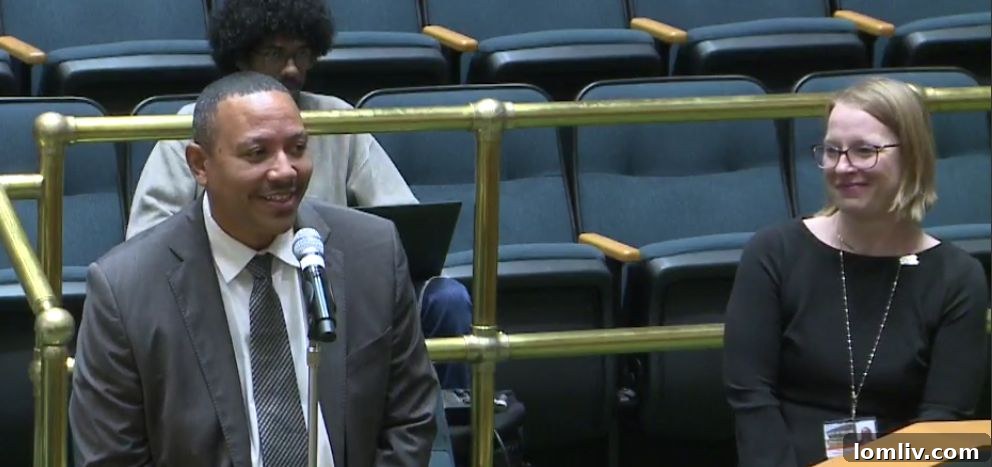
These departures were particularly impactful given the array of ambitious projects underway. The city was in the midst of a comprehensive development code overhaul, an update to the ForwardDallas comprehensive land use plan, the strategic implementation of Dallas Housing Policy 2033, and the foundational work for numerous Public Facility Corporation (PFC) projects aimed at affordable housing development. Kyle Hines, who was instrumental in the formation of the PFC board, left Dallas in mid-2023 to become the first housing trust fund manager for Oakland County, Michigan, signifying a brain drain for the city. Albert Gonzalez has since stepped in as the new staff liaison for these vital PFC projects, tasked with maintaining their momentum.
David Noguera, a respected figure in housing circles, departed in September to take on a role with the U.S. Department of Housing and Urban Development in Miami. In his poignant farewell address at City Hall, Noguera passionately urged city staff to “continue to support the housing needs of those who call Dallas home,” emphasizing the enduring importance of accessible and affordable housing for the city’s future. Cynthia Rogers-Ellickson has assumed the role of interim director, tasked with maintaining momentum on these critical housing initiatives.
Similarly, Julia Ryan, whose contributions to urban planning were highly valued, also left in September to transition into a transportation planner position in the private sector in Arkansas. Her departure left a void in the planning department, with Andrea Gilles stepping in as interim director. The transitions across these departments underscore a challenging period for Dallas’s long-term urban development and housing strategies, necessitating strong leadership and clear vision from the new and interim officials to ensure these vital programs continue to advance effectively for all Dallas residents and contribute to the city’s inclusive growth.
Dallas Under Siege: Cybersecurity Attacks Disrupt City Operations
The year 2023 brought a stark reminder of the growing vulnerability of digital infrastructure, as Dallas experienced significant cybersecurity breaches that severely impacted key city and district operations. The first major incident targeted the Dallas Central Appraisal District (DCAD), effectively shutting down its operations for over two months. This ransomware attack, which originated in late 2022 but whose effects reverberated well into 2023, caused considerable disruption, especially as the deadline for property tax bills loomed. After initially being tight-lipped about the extent of the breach, DCAD eventually disclosed that it paid a ransom of $170,000 to the cybercriminal group known as Royal Ransomware to restore its systems.
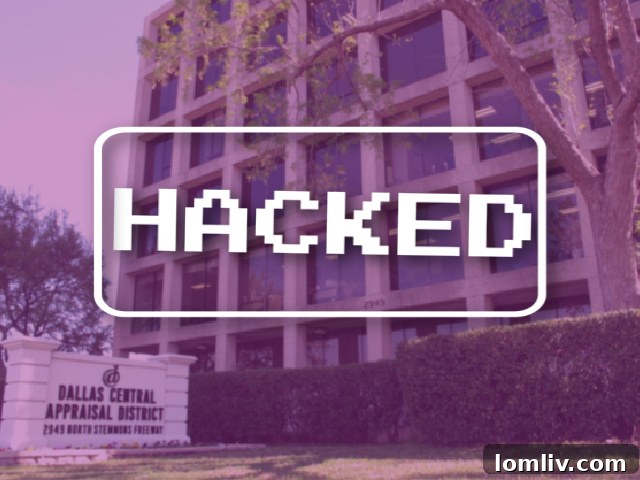
The city itself was not immune to these threats. On a May morning, during a routine Dallas City Council meeting, the livestream abruptly went dark, signaling a broader system compromise. City websites became inaccessible, and for several days, residents found themselves unable to access essential services, including making non-emergency police calls or even obtaining permits for simple activities like garage sales. This extensive disruption was later confirmed to be another ransomware attack, with the same Royal hackers identified as the perpetrators. The attack compromised the personal data of more than 30,000 Dallas residents and city employees, raising serious concerns about data privacy and digital security across the municipality.
While Chief Information Officer Bill Zielinski was praised for the city’s swift response in mitigating the immediate impacts, the incidents underscored a critical need for enhanced protection against future digital threats. In a proactive move, Dallas significantly bolstered its cybersecurity budget, allocating almost $10 million in the 2024 budget specifically for safeguarding against future attacks and strengthening its digital infrastructure. These events serve as a sobering reminder of the persistent and evolving threat of cybercrime to municipal services and public trust, prompting Dallas to prioritize robust digital defenses for the foreseeable future, ensuring the integrity and accessibility of its public services. More details emerged later on the extent of the attack. Read more about the Dallas ransomware attack.
Elm Thicket/Northpark: One Year On, Zoning Battle Lingers
The resilient community of Elm Thicket/Northpark continued to navigate the aftermath of a hard-fought zoning battle against Dallas City Hall that culminated in 2022. While residents successfully secured the zoning changes they desired, the neighborhood’s healing process has been slow and complex. The victory, intended to preserve the area’s historic character and prevent overdevelopment, did not immediately resolve all the challenges faced by its long-standing residents, who continued to grapple with the pressures of urban transformation.
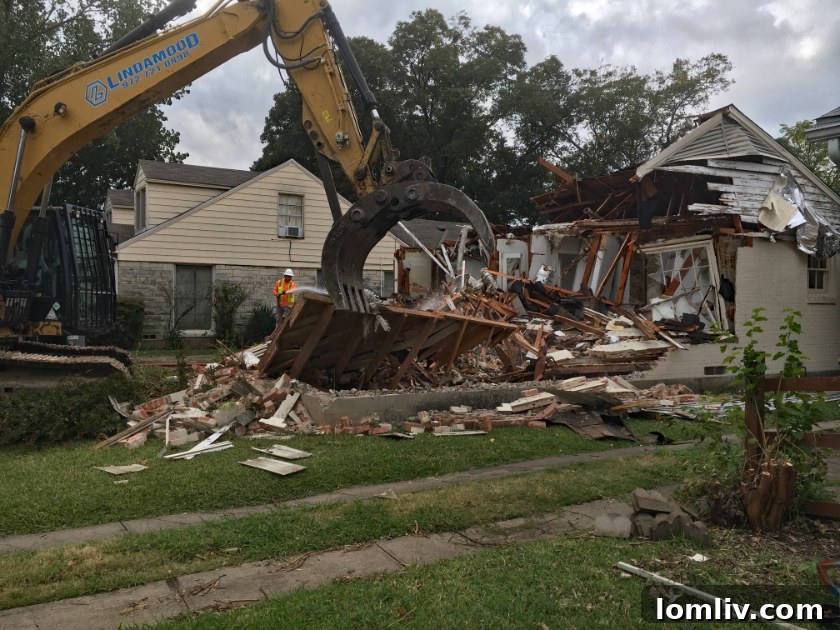
Due to grandfathering clauses in the new zoning, some large structures continue to be built adjacent to smaller, legacy homes. This ongoing development, often out of scale with the existing neighborhood fabric, remains a visual and emotional reminder of the battle, causing friction within the community. Compounding this, real estate investors frequently target residents, making daily calls and offering a fraction of what their homes are truly worth, pressuring them to sell and contributing to fears of gentrification. These predatory practices exploit the community’s vulnerabilities, attempting to push out long-term residents and disrupt the tight-knit family structures that define Elm Thicket/Northpark.
However, the residents of Elm Thicket/Northpark are renowned for their feisty spirit and deep community ties, with many living near their relatives for generations. They have consistently demonstrated that they are not easily swayed and are committed to staying put, safeguarding their heritage. Despite the continued influx of developers like Lou Olerio, whom they accuse of contributing to the gentrification of their cherished neighborhood, the community has proven its unwavering resolve to fight for its identity and future. The story of Elm Thicket/Northpark is a powerful testament to the enduring strength of community activism in the face of rapid urban development and gentrification pressures, showcasing how collective action can influence the trajectory of a historic Dallas neighborhood. One year later, the echoes of the zoning battle still resonate. Learn more about the lingering effects in Elm Thicket/Northpark.
Debate Intensifies Over Dallas’s 2024 Bond Package: Streets, Parks, and Housing at Stake
As Dallas looked ahead to the new year, one of the most significant items on the city’s agenda was the deliberation and formulation of the 2024 bond package. This substantial financial initiative, which will ultimately go before voters, involves the allocation of $1.1 billion across various critical city infrastructure and development projects. The stakes are high, and the debates within Dallas City Hall in 2023 provided a preview of the intense scrutiny and public interest that will surround this monumental decision, influencing the city’s future growth and quality of life for decades to come.
To ensure broad input and expert recommendations, Dallas City Council members established a 90-person task force composed of diverse community leaders and professionals. This task force was charged with the crucial responsibility of making recommendations on how best to distribute the bond funds, focusing on areas such as streets, parks, public facilities, and housing. Their detailed proposals aimed to reflect the most pressing needs and strategic priorities for the city’s future growth and quality of life, acting as a crucial bridge between citizen needs and city planning.
However, the process was not without its points of contention. During a December meeting, Mayor Eric Johnson’s absence coincided with City Manager T.C. Broadnax’s recommendation that the council adopt staff recommendations as a baseline for the ballot. These staff proposals differed significantly from the task force’s suggestions, particularly in allocating less funding for parks and more for streets. This generated immediate debate and concern among council members and the public, leading to a swift response from Mayor Johnson, who emphasized the importance of community-led recommendations.
Mayor Johnson quickly addressed the matter, asserting that the task force’s recommendations, rather than staff proposals, would serve as the appropriate starting point for the council’s deliberations. This intervention highlighted the critical balance between administrative expertise and community-driven input in major municipal decisions, reinforcing the democratic process. While the final configuration of the bond ballot remains to be determined as we enter the new year, council members have affirmed that all considered projects are worthy investments for Dallas. The ongoing discussions underscore the complexity of resource allocation and the commitment to transparency and public engagement in shaping the city’s future infrastructure and services, promising a robust public discourse leading up to the vote. Discover more about the debate between Mayor Johnson and City Manager Broadnax.
Lakewood Conservation District Expansion: A Battle for Historic Preservation
In the historic and highly sought-after Lakewood neighborhood, a significant community effort to expand the existing conservation district faced persistent hurdles throughout 2023. More than a year ago, concerned Lakewood neighbors initiated a movement aimed at protecting architecturally significant homes, such as the distinguished residence at 7226 Lakewood Blvd., from demolition and inappropriate redevelopment. Their goal was to broaden the conservation district’s boundaries, thereby preserving the unique character and historical integrity of their beloved community for future generations.
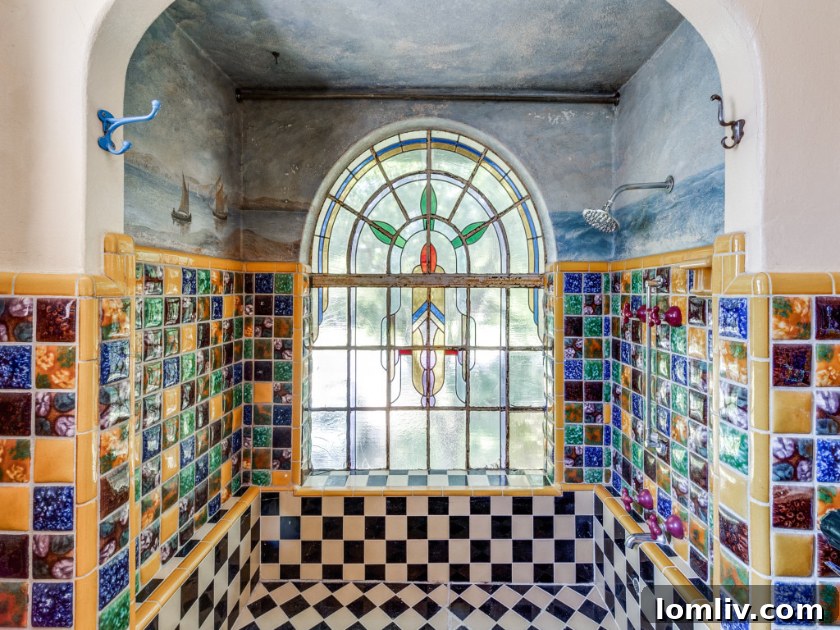
However, the proposed expansion encountered strong opposition from a segment of residents, particularly those along Tokalon Drive. These homeowners expressed concerns that an expanded conservation district would unduly infringe upon their property rights and limit their ability to make desired modifications or redevelopment decisions, leading to a clash of interests. This divergence of opinions created a complex impasse, resulting in significant delays in the legislative process. As a consequence, a draft ordinance, which would provide the legal framework for the expansion, has yet to reach the final stages of approval and implementation, leaving the future of many historic homes uncertain and vulnerable.
Compounding the frustration for preservation advocates, a tragic loss occurred on November 15th: a historic home designed by the acclaimed Clifford D. Hutsell, which would have been protected under the proposed expansion, was instead demolished. This event served as a stark and painful reminder of the urgency behind the conservation efforts and the consequences of prolonged delays and political gridlock. Summer Loveland, a leading organizer of the effort to expand the conservation district, remains optimistic, stating her expectation for a draft ordinance to be presented in January. This ongoing battle highlights the delicate balance between urban development, individual property rights, and the collective desire to safeguard Dallas’s architectural heritage for future generations, demonstrating the persistent struggle for historical preservation in a rapidly modernizing city. Read more on the renewed push for Lakewood conservation.
Mayor Johnson Advocates for Lower Property Tax Rate Amid Affordability Concerns
The financial well-being of Dallas residents and the city’s overall affordability were central themes in 2023, culminating in a passionate plea from Mayor Eric Johnson for a lower property tax rate. During a significant September City Council meeting, Mayor Johnson delivered a heartfelt speech, imploring his fellow elected officials to provide much-needed property tax relief for Dallas homeowners and businesses. His advocacy underscored growing concerns that Dallas was rapidly becoming an unaffordable place to live, threatening the economic stability of many residents and potentially impacting the city’s long-term demographic diversity.
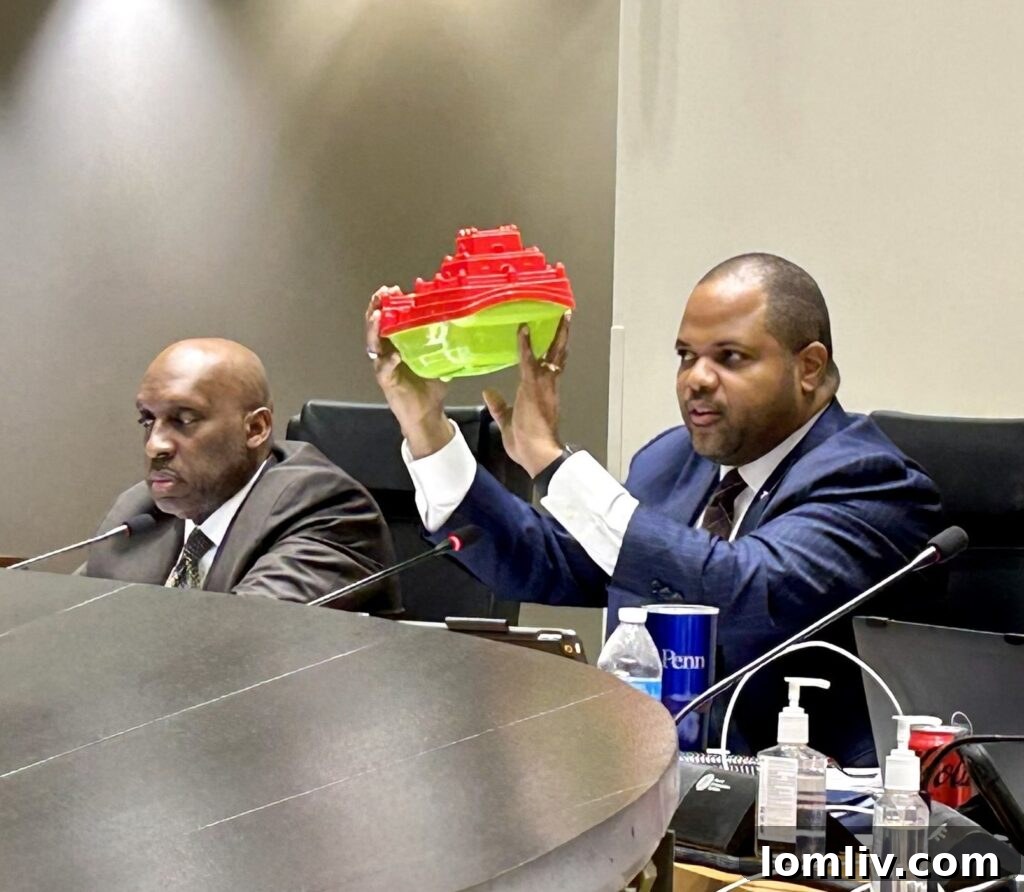
Despite the Mayor’s fervent appeal, the City Council ultimately adopted a substantial $4.6 billion budget, which included a lowered tax rate of 73.57 cents per $100 assessed valuation. While a reduction was achieved, the vote was not unanimous, reflecting ongoing divisions and concerns among council members regarding the delicate balance between funding essential city services and alleviating the tax burden on residents. Mayor Johnson and several other council members continued to express apprehension that even with the slight reduction, the city’s overall trajectory was pushing Dallas into an increasingly expensive category, potentially displacing long-term residents and hindering economic diversity in the long run.
The debate highlighted the complex interplay between property values, tax rates, and the cost of living in a rapidly developing urban center. It emphasized the ongoing challenge for city leadership to manage ambitious growth initiatives while simultaneously ensuring that Dallas remains accessible and affordable for all its citizens. The Mayor’s call for greater tax relief remains a poignant reminder of the economic pressures faced by many Dallasites and will undoubtedly continue to be a key area of focus for City Hall in the coming years, as the city strives to foster inclusive growth and maintain its vibrant community spirit. Explore Mayor Johnson’s plea for property tax relief.
City Attorney Retires Amidst Poker Room Controversy
The legal landscape of Dallas City Hall experienced a significant shake-up in early 2023 with the retirement of City Attorney Chris Caso in February. His departure occurred amidst a heated and protracted controversy surrounding the legality of poker rooms within the city – a debacle that drew considerable public and political attention, casting a shadow over the City Attorney’s office. The core of the issue stemmed from conflicting interpretations of state law regarding gambling operations and the subsequent advice provided to the City Council, creating a complex legal quagmire for the city.
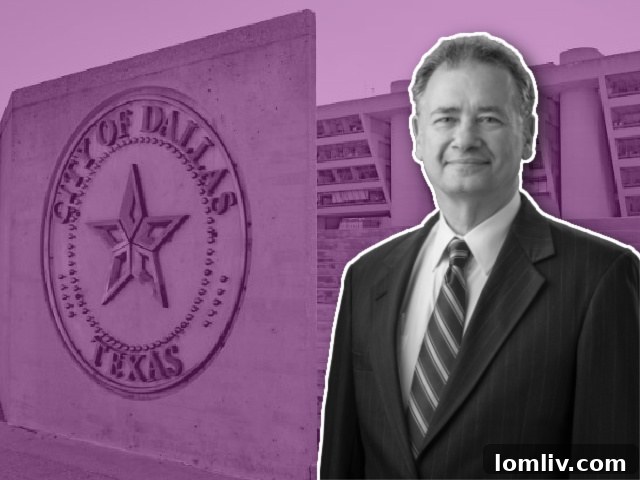
Initially, in 2019, Caso had advised the council to issue certificates of occupancy (COs) for various gambling facilities, under the interpretation that certain poker room operations were permissible under existing laws. However, he later reversed his decision, suggesting that state law had been misinterpreted and that the previously issued COs were, in fact, illegal. This abrupt change in legal guidance created a ripple effect, leading to considerable confusion, legal challenges from affected businesses, and significant financial implications for the city as it sought to rectify the situation. Poker room operators, who had invested based on the initial advice, filed lawsuits against the city, resulting in a complex web of legal disputes that demanded immediate attention.
In an attempt to resolve these disputes and manage the fallout, Dallas incurred substantial legal expenses, spending more than half a million dollars on attorneys’ fees. The controversy highlighted the critical importance of clear and consistent legal counsel for municipal governance and the potential for misinterpretations to lead to costly and drawn-out battles that impact public funds and trust. Following Caso’s retirement, Tammy Palomino stepped in as interim city attorney and, after a period of effective leadership during a challenging time, was officially hired as the permanent city attorney earlier in 2023. Her appointment marked a new chapter for the legal department, tasked with navigating ongoing challenges and ensuring sound legal guidance for the city’s future endeavors, safeguarding its legal standing and fiscal health. Read more about the City Council’s response to the poker room debate.
Love Field Neighbors Advocate for Quieter Nights
For residents living in the flight path of Dallas Love Field Airport, the persistent issue of aircraft noise has long been a source of frustration, impacting their quality of life. However, 2023 saw a significant escalation in community activism, suggesting that this long-standing nuisance might finally be on the path to resolution. While the story is still developing, it holds the promise of becoming a success narrative – a testament to how determined neighbors can collaborate with a city-owned airport to achieve meaningful compromises and secure a better quality of life for their communities, demonstrating the power of grassroots advocacy.

A common sentiment suggests that those who choose to live near an airport must accept the noise as an inevitable part of their environment. While there’s a degree of truth to this, the residents near Love Field have a compelling argument that goes beyond mere proximity: pilots are often not complying with the existing Voluntary Noise Program. This program, designed to minimize disturbance, specifically suggests that no flights should take off or arrive between 11 p.m. and 6 a.m. – a guideline frequently disregarded, leading to disturbed sleep and decreased quality of life for thousands of Dallas residents in surrounding neighborhoods.
In response to these ongoing concerns, a dedicated Citizens Action Committee formed and began working closely with the city’s Aviation Department. This collaborative effort has been fruitful, with the committee presenting more than a dozen concrete recommendations to both the Environmental Advisory Commission and the City Council. These proposals aim to enhance compliance with the voluntary program, explore technological solutions for noise reduction, and introduce stricter operational guidelines where feasible. While the Federal Aviation Administration (FAA) regulates many aspects of airport operations that are beyond the direct control of local governing bodies, there appears to be a growing momentum for change. The proactive engagement of Love Field neighbors, coupled with the city’s willingness to consider innovative solutions, indicates that a quieter future for these communities is within reach, making this one of Dallas’s most encouraging stories of collective action in 2023. Discover how the Dallas City Council is addressing aircraft noise.
As 2023 drew to a close, Dallas City Hall and its surrounding communities reflected on a year defined by significant challenges and remarkable acts of resilience. From the nuanced legal battles over short-term rentals and the disruptions caused by sophisticated cyberattacks, to the critical shifts in leadership within key planning and housing departments, the city demonstrated its capacity to adapt and respond to an array of complex issues. Debates surrounding the 2024 bond package and property tax rates highlighted the ongoing commitment to fiscal responsibility and community investment, while passionate advocacy in neighborhoods like Elm Thicket/Northpark, Lakewood, and Love Field showcased the enduring power of citizen engagement in shaping the city’s character.
The events of 2023 underscored that Dallas is a city in constant motion, where progress is often born out of vigorous debate and collaborative effort. The ability of Dallasites to unite in the face of adversity, whether advocating for historical preservation, demanding greater cybersecurity measures, or fighting for quieter nights, paints a clear picture of a community deeply invested in its future. As Dallas looks ahead, the lessons learned and the foundations laid in 2023 will undoubtedly serve as crucial guideposts, reinforcing the spirit of innovation and collective determination that defines this dynamic Texas city, ensuring its continued growth and prosperity for all its residents.