Preserving Dallas: The Vital Role of Historic Landmark Designation
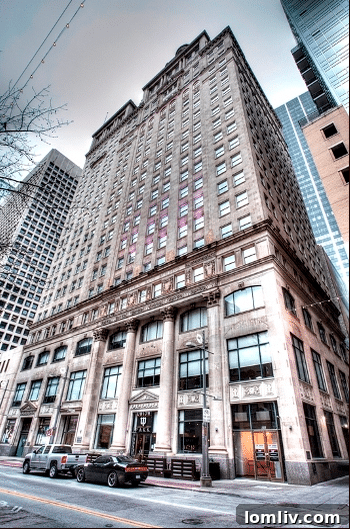
Dallas, a city known for its vibrant modernity and rapid growth, also boasts a profound and captivating historic and architectural legacy. This rich heritage is beautifully embodied in structures and districts that tell the story of the city’s evolution. From the culturally significant Texas Theatre in the heart of Oak Cliff, a place etched into cinematic history, to the serene beauty of the DeGolyer House and Gardens in East Dallas, and the industrial charm of the Eastside Warehouse District alongside the elegant residential enclave of State Thomas in Uptown, Dallas’s architectural tapestry is diverse and compelling. These sites are not merely old buildings; they are living testaments to the people, events, and artistic movements that have shaped the metropolis into what it is today, offering invaluable windows into its past and contributing immensely to its unique character.
However, the existence of a profound historical narrative or architectural significance does not automatically guarantee a building’s survival. In a dynamic city like Dallas, marked by continuous development and urban renewal, historic structures and even entire neighborhoods face constant threats. The allure of modern development, economic pressures, and the evolving needs of a growing population often place historic properties at risk, leading to significant alterations or, in the most unfortunate cases, complete demolition. This stark reality underscores the urgent need for robust preservation efforts and legal protections to safeguard these irreplaceable assets for future generations.
The Impermanence of Unprotected Heritage: Lessons from Dallas’s Past
The fragility of unprotected historic architecture was vividly demonstrated just a few years ago when 1611 Main Street and its adjacent structures were razed. This Romanesque Revival masterpiece, constructed in 1885, was one of Downtown Dallas’s oldest and most beautiful buildings. Its demolition in September, as part of the Joule’s ambitious expansion plans, represented a significant loss of urban history. This act followed a similar fate met by another downtown landmark in 2012: the former Praetorian Building, also cleared to make way for the Joule. Such incidents serve as poignant reminders that without formal protections, even the most cherished and historically significant buildings can be lost forever, erasing tangible links to the city’s past.
Another prominent example of a beloved but currently unprotected structure is the iconic Lakewood Theater. This cinematic gem holds a special place in the hearts of many Dallasites, but its future remains precarious. Despite its cultural importance and community affection, there are no legal safeguards to prevent its demolition. Its fate currently rests solely on the assurances of its owner that it will not be demolished as part of ongoing renovation plans. This situation perfectly illustrates why historic designation is not just a bureaucratic formality but a critical shield against irreversible loss, providing the legal framework necessary to ensure a future for these irreplaceable cultural touchstones.
Historic Designation: Dallas’s Shield for the Future
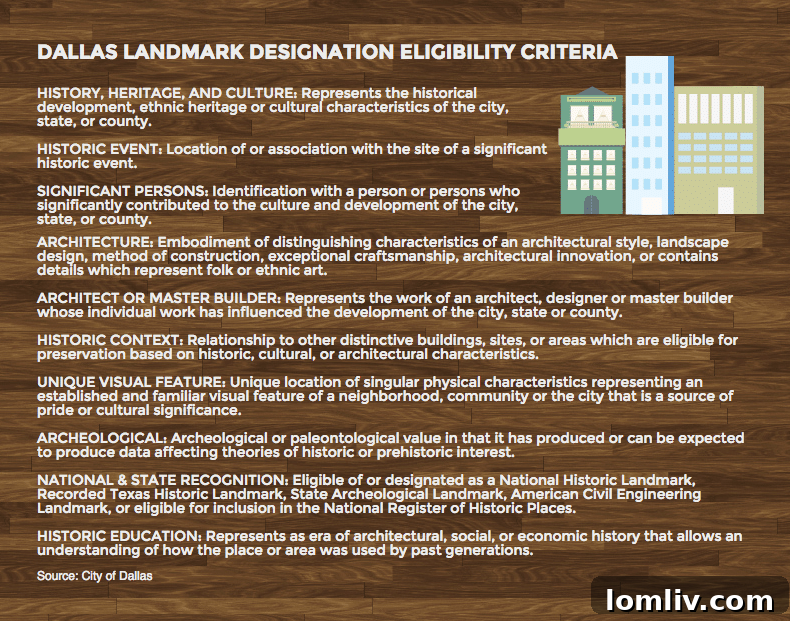
This is precisely where the concept of historic designation becomes paramount, forming the cornerstone of efforts by dedicated Dallas preservationists. These individuals and organizations tirelessly work to secure the future of the buildings, neighborhoods, and places that have played a pivotal role in shaping our city’s identity. Historic designation offers a formal recognition of a property’s significance and, crucially, provides specific legal protections against demolition or inappropriate alterations. It’s a proactive measure designed to ensure that the architectural and cultural heritage of Dallas endures for generations to come, fostering a sense of continuity and pride in the city’s unique story.
Leading the charge in these vital efforts is David Preziosi, the executive director of Preservation Dallas. This esteemed nonprofit organization has been a stalwart advocate for the preservation and revitalization of the city’s historic buildings, neighborhoods, and significant places since its inception in 1972. In his extensive role, Preziosi possesses deep expertise in the complex requirements and intricacies surrounding historic designation, acting as a crucial guide for those seeking to protect Dallas’s past.
Navigating the Tiers of Historic Status: Local, State, and National
“There are a few different levels of historic status, each offering unique benefits and protections,” Preziosi explains, outlining the multi-tiered system that governs historic preservation. “You have local status, which is granted by the City of Dallas; state-level designation through the venerable Texas Historical Commission; and at the national level, inclusion in the prestigious National Register of Historic Places.” While all three levels require a significant commitment to often-painstaking research and comprehensive documentation to designate a property or neighborhood, their practical implications and the scope of protections they afford vary considerably.
Understanding these distinctions is crucial for effective preservation. “The National Register of Historic Places, while conferring significant prestige and recognition, does not inherently provide direct protection for a property against demolition or unsympathetic alterations,” Preziosi clarifies. “Its protective capacity primarily comes into play for projects involving federal funding or federal permitting, such as if the Texas Department of Transportation (TxDOT) proposed a highway expansion through a nationally registered district like Swiss Avenue. In such cases, federal agencies must consider the impact on historic resources.”
For robust, everyday protection, the focus shifts to the local level. “All of your most significant protection against demolition and drastic changes comes at the local level,” Preziosi emphasizes. “This is achieved through specific ordinances adopted by cities. Within the City of Dallas, we proudly have landmark status for approximately 120 individual properties and about 20 historic districts. These local designations are the ultimate safeguard, providing a legally binding framework to preserve the integrity of Dallas’s invaluable historic fabric.”

The Intricate Journey of Historic Designation in Dallas
The path to obtaining historic designation in Dallas is a detailed and often lengthy endeavor, reflecting the seriousness with which the city approaches its preservation responsibilities. The process is a multi-stage journey that begins with a comprehensive rezoning application, followed by the submission of a landmark nomination form. This form requires meticulous, detailed research into the property’s or neighborhood’s history, architectural significance, and cultural contributions. Once submitted, the application undergoes rigorous review by the Designation Committee, which assesses its merits and suitability for landmark status.
Should the committee recommend approval, the process moves to the City Council for final consideration and approval. For larger designations, particularly those involving entire neighborhoods, public hearings are a crucial component, allowing community members, stakeholders, and property owners to voice their perspectives. “Sometimes it’s two to four years just to review and select a property for designation. It’s not a quick process,” Preziosi notes, highlighting the extensive nature of the review. “However, if an applicant has all their documentation perfectly prepared and all their ‘ducks in a row,’ the process could potentially be streamlined to as little as six months.” This variance underscores the importance of thorough preparation and proactive engagement from the outset.
The extensive nature of this process is not without purpose. Its primary goal is to determine a property’s inherent worthiness for designation and, critically, to craft a bespoke ordinance tailored specifically to that location. These custom-designed ordinances meticulously outline the types of changes that can and cannot be made to the property, effectively safeguarding it from inappropriate development or, most importantly, from demolition. Each designated structure or district is protected by these carefully developed ordinances, ensuring that preservation efforts are specific and effective.
“Each one of those structures and districts is protected through ordinances that are developed and meticulously tailored for those specific properties or districts,” Preziosi explains further. “For instance, the regulations governing alterations and maintenance for Swiss Avenue, renowned for its grand early 20th-century mansions, will be distinctly different from those applied to the historic bungalows of Winnetka Heights. The same principle applies to individual properties, each receiving an ordinance that respects its unique architectural style, historical context, and prevailing community character. These nuanced details are all thoroughly determined during the comprehensive designation process.”
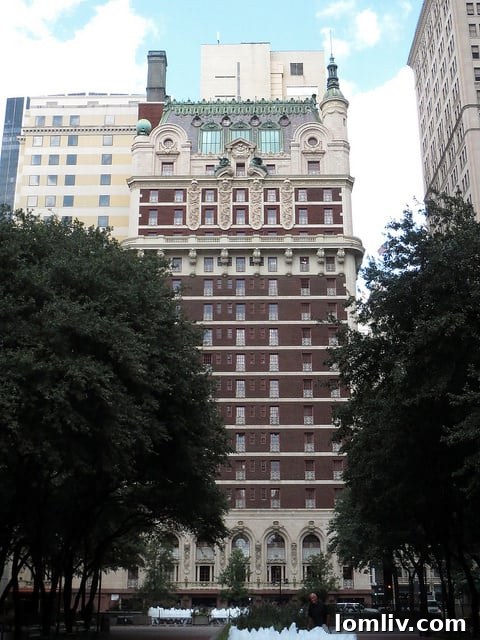
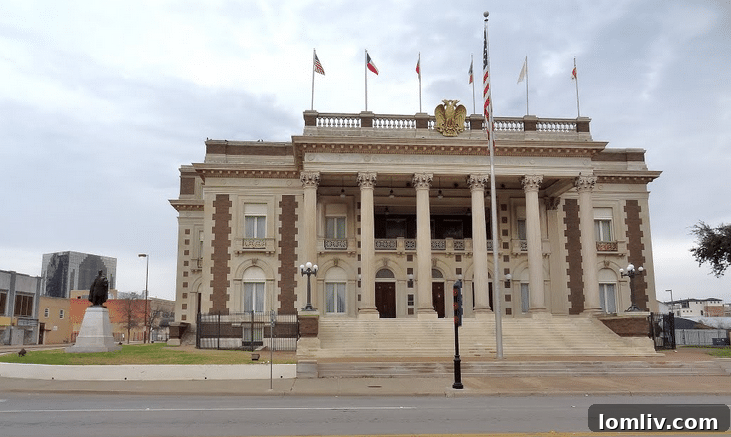
While the designation process typically proceeds more smoothly when property owners are fully supportive and engaged, it’s notable that properties can and sometimes are designated over owner objections. This occurs in instances where the property’s historical or architectural significance is deemed to be of such paramount public interest that it outweighs private objections. “There have been very few, but impactful, cases where this has occurred,” Preziosi recalls. “Dallas High School, a significant piece of educational architecture, was landmarked over owner objections, as were the historic St. Ann’s School and the striking Knights of Pythias Temple in Deep Ellum. These instances highlight the city’s commitment to protecting its most vital historic assets.”
Financial Incentives and the Benefits of Preservation
Beyond the inherent value of safeguarding history, Dallas offers tangible financial incentives to encourage historic preservation. The city’s historic preservation tax incentive program provides significant tax abatements on city taxes for property owners who commit to investing in the restoration and maintenance of historic resources. This program can lead to substantial cost savings for owners, making preservation a more financially attractive option. Additionally, other tax incentives are available at state and federal levels, further sweetening the deal for those dedicated to heritage conservation.
“At the city level, historic designation offers concrete benefits in the form of tax abatements for the property, ensuring its protection and viability for the future,” Preziosi explains. “Furthermore, if a property is listed on the National Register of Historic Places, it becomes eligible to receive valuable federal and state tax credits for qualified rehabilitations to the building. It’s important to note, however, that these specific federal and state tax credits are not available for private, owner-occupied residences. They are primarily designed for income-generating properties, such as offices, restaurants, retail spaces, and hotels, which contribute economically to the urban fabric. These incentives significantly offset the costs of historically sensitive renovations, encouraging developers and owners to choose preservation over new construction.”
Who Champions Dallas’s Historic Preservation?
The initiative to begin the historic designation process can technically come from anyone. However, due to the substantial time commitment, rigorous research requirements, and often complex bureaucratic navigation involved, it is most frequently undertaken by individuals deeply connected with the property, such as its owner, a dedicated community group, or a highly experienced paid professional consultant specializing in historic preservation. “Some of the properties that come through the designation committee are larger-scale properties,” Preziosi notes, “and for these, owners often enlist a professional consultant to meticulously handle the extensive research, documentation, and application process, ensuring everything is in order.” These experts possess the necessary knowledge of architectural history, preservation standards, and local regulations to effectively guide a property through the designation journey.
Currently, two significant properties are in the queue for Dallas Historic Landmark Designation, representing ongoing efforts to expand the city’s protected heritage: the Missionary Baptist Church Cemetery, also historically known as Haymarket Cemetery, located in West Dallas; and the elegant Pearce-Matson House in South Dallas. The successful designation of these sites will further enrich Dallas’s inventory of protected historic resources, ensuring their stories and physical forms endure as vital components of the city’s evolving narrative.
Join the Conversation: What Dallas Landmarks Deserve Protection?
The work of historic preservation is a continuous and collaborative endeavor. It relies not only on dedicated organizations and city officials but also on the collective awareness and passion of the community. As Dallas continues its remarkable journey of growth and transformation, the question of how to best honor and integrate its past remains crucial. What buildings or districts do you believe are essential to Dallas’s identity and should receive Dallas Historic Landmark Designation? Your insights and perspectives are invaluable in shaping the future of our city’s heritage. We invite you to engage in this important discussion. Leave us a comment below and let us know which structures or areas you would like to see protected for generations to come!