The Demise of Exchange Park: A Dallas Landmark’s Last Stand Against Progress
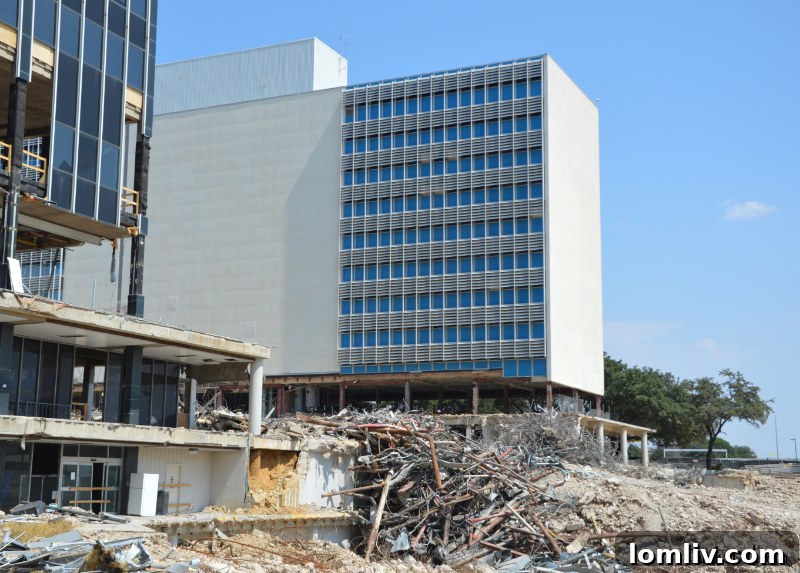
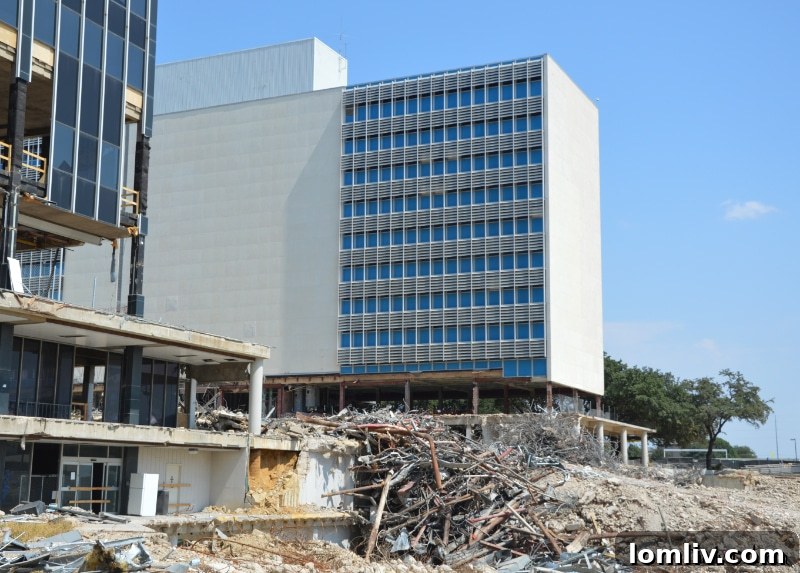
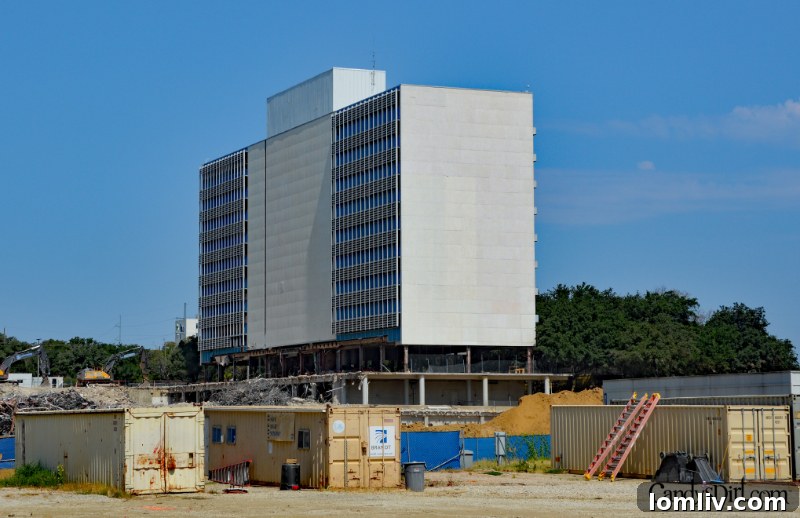
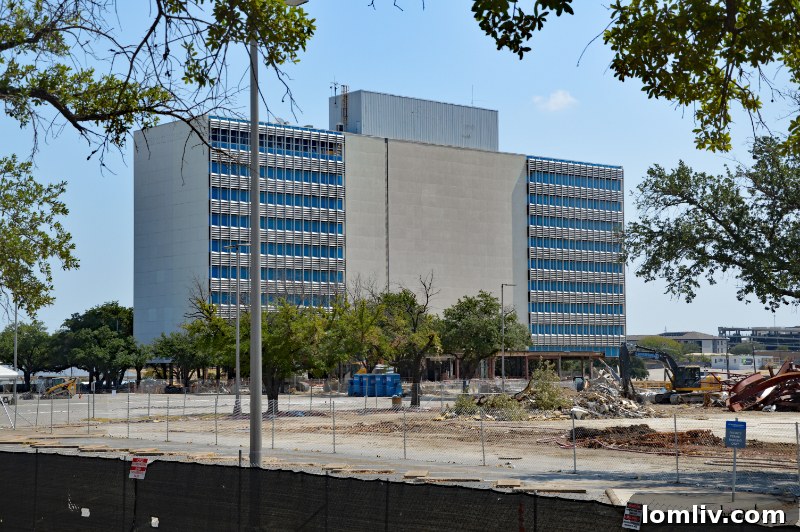
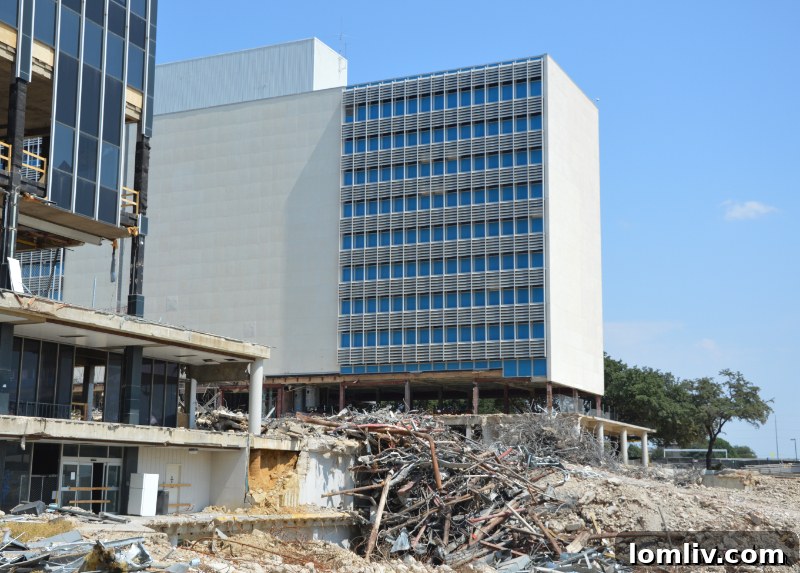
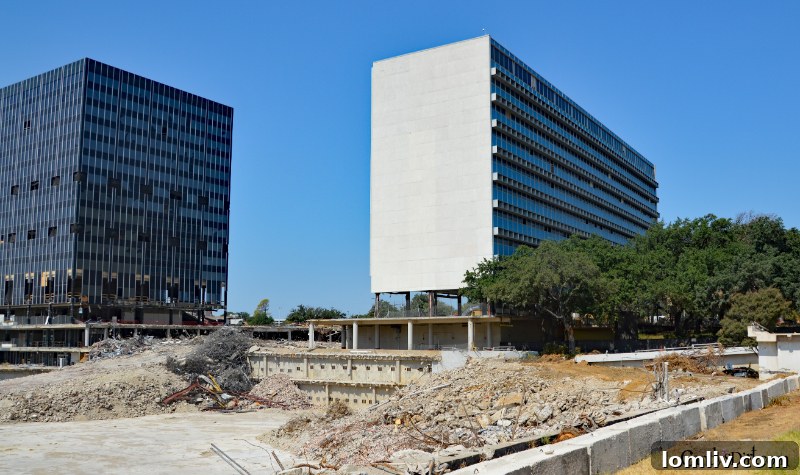
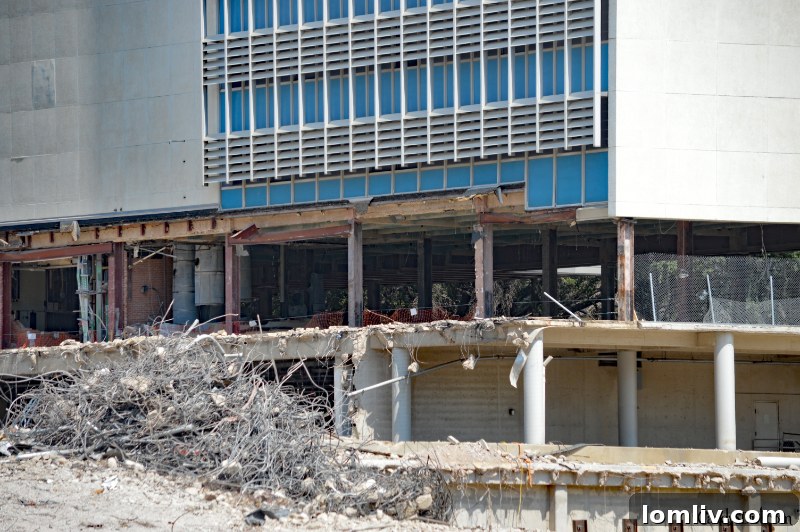
For many dedicated to safeguarding Dallas’ rich architectural heritage, the current events at Exchange Park are a painful, yet anticipated, reality. As demolition crews dismantle this iconic structure, a piece of Dallas history is being irrevocably erased. The news, though forewarned, still strikes a chord of sorrow among preservationists and those who remember the park in its prime.
The site, now under the ownership of UT Southwestern, is being cleared to make way for a state-of-the-art pediatric cancer research center. While the humanitarian value and advanced medical capabilities of this new facility are undeniable – indeed, it represents the highest and best use of the land in terms of immediate societal benefit – the decision to raze Exchange Park sidestepped the opportunity to utilize historic tax incentives that could have facilitated its rehabilitation. This regrettable outcome highlights the perennial conflict between forward-looking progress and the preservation of a significant past. Exchange Park, in its 1956 inauguration, was itself a beacon of innovation, a testament to mid-century American ingenuity. The inability of creative minds to integrate this groundbreaking “city within a city” into future plans leaves a profound void in Dallas’ architectural narrative.
Exchange Park: A Pioneering “City Within a City” Vision
Conceived as a revolutionary concept, Exchange Park wasn’t merely a collection of buildings; it was an entire ecosystem designed for the future of business and community living. Its ambition was encapsulated perfectly:
An entirely new concept of the business community of the future — a city within a city, containing all of the facilities necessary to provide goods and services under the most favorable conditions — comfort and convenience without congestion.
Architectural South Magazine 1957
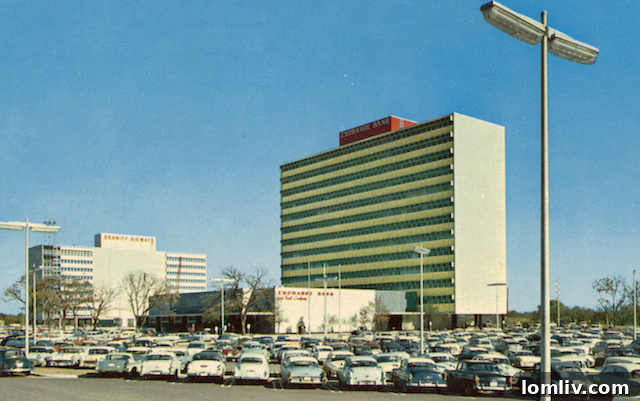
The visionary behind this monumental undertaking was William Blakley. He engineered America’s first weather-controlled mixed-use commercial development, meticulously landscaped to resemble a tranquil park setting. The architectural plans, meticulously crafted by Lane, Gamble & Associates, brought Blakley’s ambitious dream to life. Though only a fraction of the expansive master plan was ultimately realized, Exchange Park’s groundbreaking design profoundly resonated with both developers and the public. Its innovative approach to integrated commercial, retail, and leisure spaces, all within a climate-controlled environment, laid the foundational blueprint for what would become the ubiquitous modern indoor mall concept that swept across the nation.
This forward-thinking development offered an unparalleled environment where businesses thrived, and people congregated, all shielded from the unpredictable Texas weather. It was a self-contained world where every need could be met, from banking to dining, all within a comfortable and aesthetically pleasing setting. Exchange Park truly embodied the optimism and innovative spirit of the 1950s, projecting an image of efficiency, luxury, and convenience that was well ahead of its time.
Architectural Splendor and Corporate Anchors
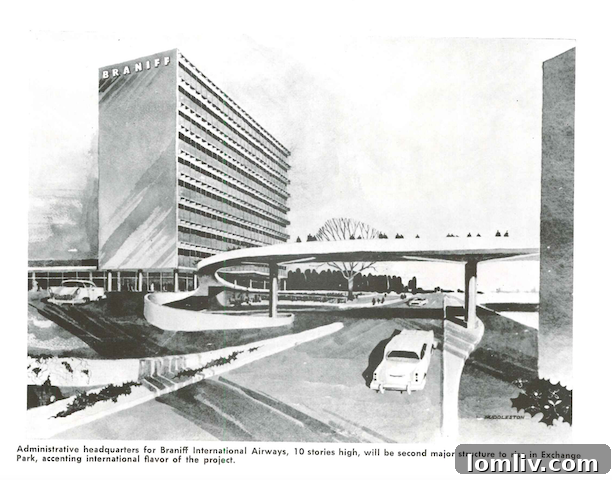
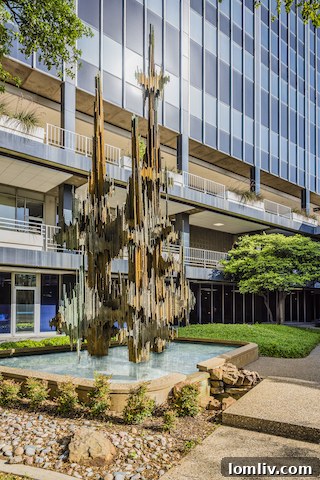
Exchange Park was characterized by its trio of imposing office towers, each serving as a hub for prominent corporations of the era. The first tower housed the Exchange Bank and Trust Company, a vital financial institution for the burgeoning complex. By 1958, the second office tower became the proud home of Braniff Airlines, a major player in the golden age of air travel, establishing a strong corporate presence. The third building proudly hosted Frito Lay, a household name in the snack food industry. This particular structure was famed for a distinctive five-ton copper water sculpture by renowned artist Wilbert Verhelst, majestically adorning its front entrance – a detail that added artistic flair to its corporate facade and became a memorable landmark for visitors and employees alike.
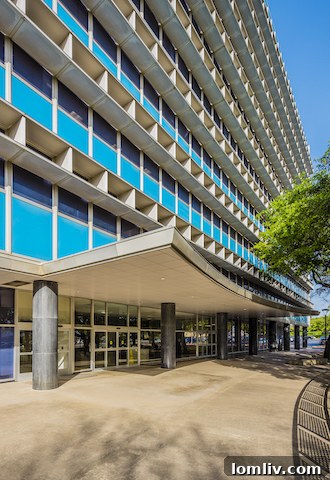
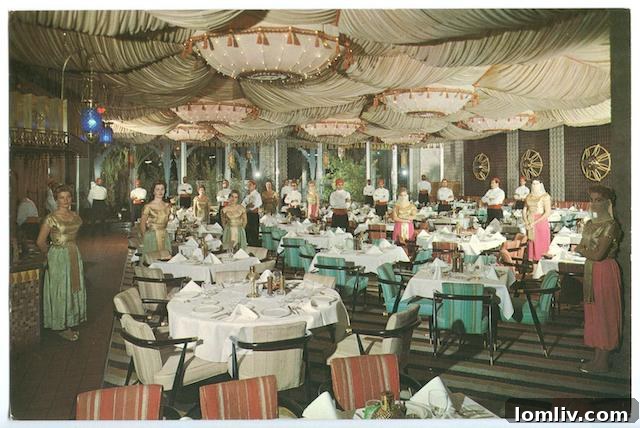
Beyond its corporate anchors, Exchange Park offered a vibrant array of amenities designed to cater to every visitor and tenant. Perhaps one of its most memorable features was La Tunisia, an exotic restaurant concept that transported diners to a setting reminiscent of the tales of Arabian Nights. This immersive dining experience was a marvel in itself, designed by the very same firm that supervised the construction of Disneyland, ensuring a level of thematic detail and enchantment that was truly unique for its time. Patrons of La Tunisia would often reminisce about its captivating ambiance and culinary delights, making it a beloved destination within the park.
The “city within a city” concept extended to a comprehensive suite of services and leisure options. Exchange Park boasted a bustling bowling alley, offering a popular recreational outlet for employees and families. A French cafe provided a charming spot for lunch, while a dentist’s office, a sophisticated dress shop, and even a florist were all conveniently located within the climate-controlled confines. This thoughtful integration of daily necessities with entertainment and business facilities created an unparalleled urban experience, fostering a sense of community and self-sufficiency that truly set Exchange Park apart as a model for future urban planning and commercial development.
The Preservation Battle: Voices Against Demolition
The impending demolition of Exchange Park was not a sudden turn of events but rather the culmination of years of growing concern and advocacy from preservation groups. As early as 2021, David Preziosi, then the Executive Director of Preservation Dallas, penned a guest post, sounding a clear and urgent alarm about the park’s ultimate demise. His words served as a stark reminder of the continuous threats faced by Dallas’s architectural heritage.
Soon, Exchange Park will be a footnote in history and another significant loss of an important piece of Dallas’ architectural history. Unfortunately, UT Southwestern only sees the dirt as valuable and not the office towers and retail space complex. They are taking the familiar road that many developers do here with old buildings by scraping the site clean for new development.
In the process, our architectural heritage is lost, and copious amounts of building materials, a staggering amount due to the sheer size of the over one-million-square-foot complex, are carted off to the landfill, taking up valuable space. The energy and raw materials that were used to create the massive complex will be lost, and precious new raw materials and energy will be needed to build something new.
It is a shame for an organization that cares so much for people’s health to not to work harder to care for the environment’s health by working to reuse the existing buildings of Exchange Park and not wasting so much to build new ones eventually.
David Preziosi, FAICP, Hon. AIA Dallas
Preziosi’s poignant statement underscored a fundamental tension: the perception of land value versus the inherent value of existing structures and their embedded history. He critically highlighted the common developer practice of “scraping the site clean,” a method that not only obliterates unique architectural landmarks but also carries a substantial environmental cost. The demolition of a complex exceeding one million square feet translates into an immense volume of materials destined for landfills, squandering the “embodied energy” – the energy consumed in the original construction and transportation of those materials. Furthermore, the construction of a new facility necessitates the extraction of fresh raw materials and additional energy, contributing to a cycle of waste that is increasingly unsustainable.
The environmental argument is particularly compelling when directed at an institution like UT Southwestern, dedicated to human health. Preservationists argue that genuine commitment to health should extend to the health of the planet, advocating for adaptive reuse and sustainable development practices. The demolition of Exchange Park, from this perspective, represents a missed opportunity for leadership in green development, where existing structures could have been reimagined and repurposed, reducing environmental impact while honoring historical significance. This philosophical divide between immediate utility and long-term sustainability defines much of the modern preservation movement, with Exchange Park standing as a stark example of its challenges.
A Community Remembers: Personal Stories of Exchange Park
The emotional impact of Exchange Park’s fate resonated deeply with our readers, who flooded us with comments and personal recollections. These anecdotes underscore that buildings are not just structures of brick and mortar; they are vessels of human experience, memory, and community connection.
My mother and father met at Exchange Park. She worked as a secretary for Mr. William Blakely. My father had an office there and had locked himself out. They met when my mom had to go unlock the door for him. I have heard all kinds of stories about the bowling alley and the restaurant. What a shame to tear it all down.
Cheri Reed
Cheri Reed’s heartwarming account illustrates how Exchange Park served as a backdrop for significant life events. The story of her parents meeting there, a simple yet profound moment, highlights the intimate human connections fostered within its walls. The mention of the bowling alley and restaurant, common features that brought people together, evokes a sense of vibrant community life that will now exist only in memory.
That was the most beautiful office there with a mall-like atmosphere. I remember the French cafe was my favorite place to have lunch when I could afford it. They had a dentist’s office, a dress shop, and restaurants. When I worked at Lone Star Life Ins, the company had the florist shop in the mall deliver a carnation in a vase to our desk on our birthday. I worked there in 1972 at Lone Star Life Ins and later at Frito Lay.
Nancy
Nancy’s detailed recollection further paints a vivid picture of Exchange Park as a cherished daily destination. Her description of the “mall-like atmosphere” emphasizes its pioneering mixed-use nature, offering convenience and a pleasant environment for both work and leisure. The specific mention of the French cafe as a favorite lunch spot, the availability of a dentist, a dress shop, and the thoughtful gesture of a birthday carnation from the florist, all contribute to the understanding of Exchange Park not just as a workplace, but as a full-service community hub that enriched the lives of its inhabitants. Her career path, working for Lone Star Life Insurance and then Frito Lay within the complex, speaks to the dynamic corporate environment it provided over decades. These personal narratives humanize the loss, transforming it from a mere architectural tragedy into a collective heartbreak over vanished memories and shared history.
The Broader Implications: Dallas’s Preservation Challenge
The saga of Exchange Park is more than an isolated incident; it’s a profound reflection of a pervasive challenge facing Dallas: the ongoing struggle to balance rapid urban development with the preservation of its architectural past. While organizations and media outlets can raise awareness and champion causes, the tools at their disposal, such as demolition delays, often prove to be merely temporary reprieves against what is ultimately deemed inevitable. These delays, though valuable for advocacy and documentation, rarely possess the power to permanently halt development driven by high land values and ambitious new projects.
This persistent pattern of prioritizing new construction over the adaptive reuse or preservation of existing significant structures threatens to strip Dallas of its unique identity. If the city, its businesses, and its developers continue to underestimate or disregard the value of its architectural heritage, Dallas risks becoming an anonymous urban landscape, indistinguishable from “Anywhere, USA.” Lost in this process is not just the aesthetic beauty of historic buildings, but also the tangible connection to past eras, the stories embedded in their walls, and the unique character that defines a city. A city’s built environment tells its history, and when that history is continually erased, a part of its soul goes with it.
Preservation, truly, “takes a village.” It requires a concerted effort from all stakeholders: informed citizens, proactive city planning departments, visionary developers, and businesses willing to explore creative solutions for integration rather than outright replacement. The harsh reality, as underscored by the demolition of Exchange Park, is that complacency or indifference makes one complicit in the problem. Until a collective appreciation for our architectural past takes root, fostering policies and practices that incentivize preservation and adaptive reuse, Dallas will continue to lose irreplaceable elements of its urban fabric. The question is not whether new development is necessary, but how that development can respectfully integrate with, and learn from, the city’s rich and vibrant history, ensuring that future generations can also connect with the physical legacies of those who came before.