Preserving Dallas History: The Unrivaled Legacy of 4712 Lakeside Drive
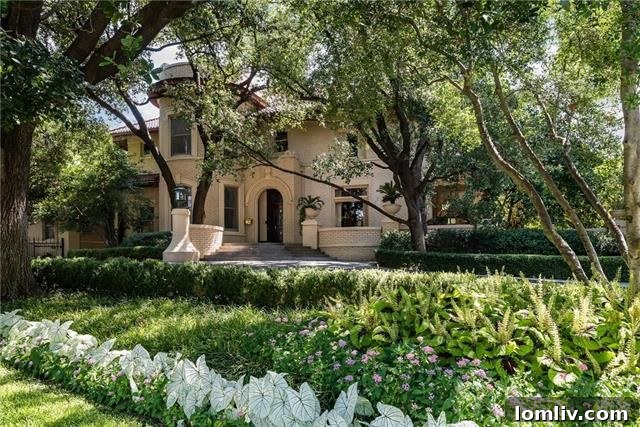
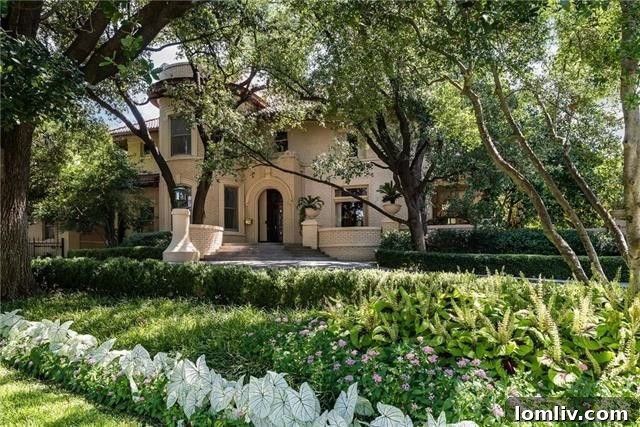
Nestled on the prestigious Lakeside Drive, the historic Cary estate stands as more than just an architectural marvel; it is a profound testament to the foresight, ambition, and unwavering determination that forged Dallas into the vibrant metropolis it is today. Within these elegant walls, the foundational ideas, grand dreams, and strategic plans that transformed Dallas into a leading medical center were conceived, nurtured, and brought to fruition. This isn’t merely a luxurious residence; it’s a silent sentinel, bearing witness to pivotal moments in the city’s development. Its significance transcends its grandeur, embedding it deeply within the very fabric of Dallas’s rich history. Understanding the profound importance of this iconic home is crucial, underscoring why such a vital piece of our community’s heritage must be diligently preserved for future generations.
A Masterpiece Crafted for a Visionary Family
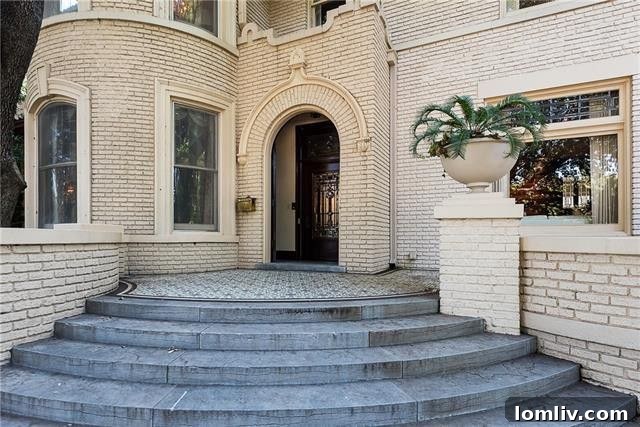
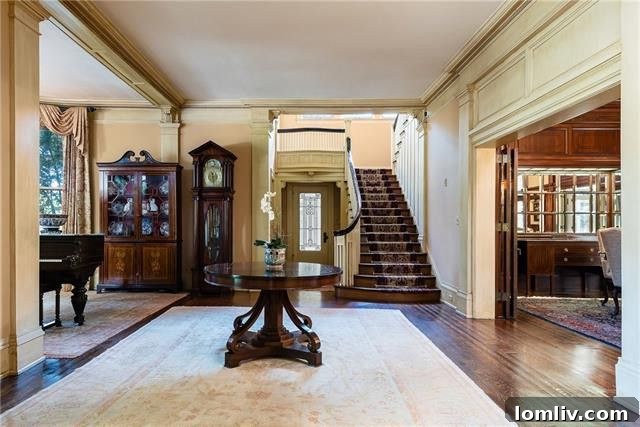
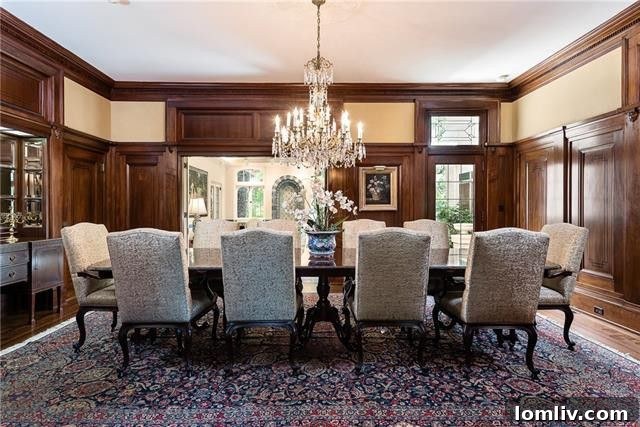
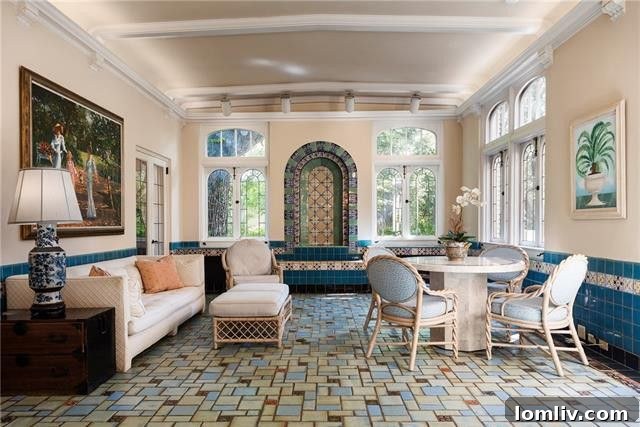
The magnificent Cary estate at 4712 Lakeside Drive was originally envisioned and constructed by Dr. Edward Henry Cary as an exceptional wedding gift for his beloved bride, Georgia Schneider. Construction commenced around 1910 and culminated in 1912 under the meticulous supervision of C.W. Bulger and Son, a name synonymous with quality and enduring design. No expense was spared in its creation; the finest craftsmen were commissioned from Europe, bringing unparalleled artistry to Dallas. Their skilled hands meticulously crafted the intricate woodwork, laid the exquisite imported Italian tile, and installed the stunning leaded glass windows that still shimmer with timeless elegance. From its inception, this estate was designed to be a showplace, a beacon of refinement and architectural excellence that continues to captivate and inspire even today.
Dr. Edward Henry Cary was not just a prominent physician; he was a towering figure in Dallas history, a true visionary whose impact reshaped the city’s destiny. His singular dedication ensured that Dallas would emerge as the undisputed medical center of the Southwest, a legacy that continues to define the region. While his name may not be as immediately recognizable to everyone today, his influence is pervasive. He moved in circles of equally influential individuals, including close friends such as W. H. Flippen, Karl Hoblitzelle, and Murrell Buckner. Indeed, countless buildings, thoroughfares, parks, and hospitals across Dallas bear the names of these distinguished pioneers, serving as enduring monuments to their transformative contributions to the city’s infrastructure and public life.
The drive to achieve great things, to innovate and lead, appears to have been an inherent trait within the Cary lineage. Dr. Cary’s grandfather, Jules Edouard Schneider, himself a foundational figure in Dallas’s early development, exemplified this spirit. Schneider was a key founder of the Dallas Gas Company and played an instrumental role in establishing the Dallas Public Library, fostering both industrial growth and intellectual enrichment. He was also among the distinguished gentlemen responsible for bringing essential infrastructure to Dallas, including railroads that connected the city to the wider world and electric lights that illuminated its burgeoning streets. This impressive ancestral legacy undoubtedly fueled Dr. Cary’s own ambitions, instilling in him a profound sense of responsibility and a tireless commitment to advancing Dallas’s prosperity and reputation on a national scale.
Dr. Edward Henry Cary: A Pioneer of Medical Excellence in Dallas
Dr. Cary’s list of honors and accolades is so extensive it could easily fill an entire volume. Among his many significant achievements, he proudly served as president of the American Medical Association, a testament to his esteemed standing within the national medical community. Locally, his impact was even more profound: he was not only the dean but also a part-owner of The University of Dallas Medical School, an institution that would later evolve into the renowned Baylor University Medical Center. His tireless pursuit of medical advancement didn’t stop there; he went on to found the Southwestern Medical College, which today stands as the prestigious UT Southwestern Medical Center, a global leader in medical research and patient care. The Carys were also the driving force behind the Medical Arts Building, a monumental achievement in its time. Erected in 1920 at 1717 Pacific Avenue, this 19-story skyscraper was the world’s first dedicated entirely to housing physicians and dentists, a pioneering concept that revolutionized medical practice. Its unfortunate demolition in 1978 marked a sad day for preservationists, serving as a stark reminder of the importance of protecting Dallas’s architectural and historical treasures.
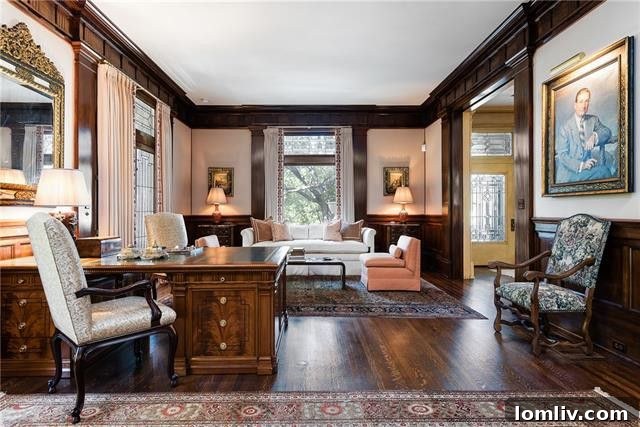
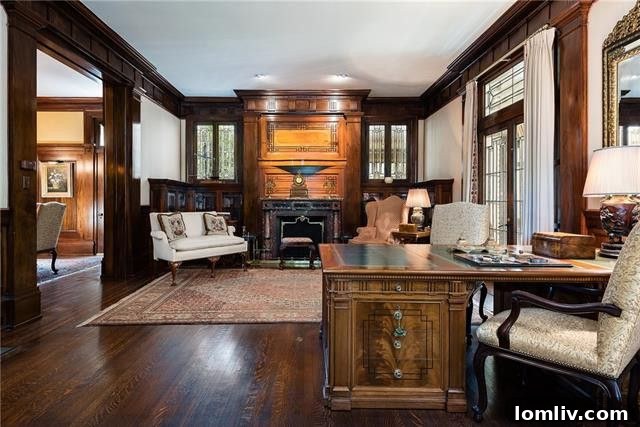
Imagine, for a moment, the vibrant intellectual and social energy that permeated the Cary estate. Within these historic walls, the true movers and shakers of early 20th-century Dallas regularly convened. Here, grand plans were meticulously laid out, ambitious strategies were forged, crucial fundraising efforts were coordinated, and the collective intentions to elevate Dallas into the extraordinary city it has become were solidified. These gatherings were not merely social events; they were pivotal sessions where the future trajectory of Dallas was debated, designed, and decided. It was a nexus of power, influence, and vision, a place where the seeds of a modern metropolis were sown and carefully cultivated.
A compelling illustration of Dr. Cary’s visionary thinking emerged in 1949 when he shared with the Dallas Morning News his ambitious vision for the future. He described the gently rolling green hills of Harry Hines Boulevard as the ideal location for a new, expansive medical center, one capable of rivaling world-renowned institutions like The Mayo Clinic and Johns Hopkins. Remarkably, the land for this monumental undertaking had already been strategically secured, a testament to his proactive planning and influence. Dr. Cary had the immense satisfaction of witnessing the initial phases of this dream come to life, watching as the groundwork was laid for what is now one of the most vital and respected medical centers in America. The realization of his vision stands as a profound testament to his enduring legacy and his unparalleled commitment to Dallas’s growth and well-being.
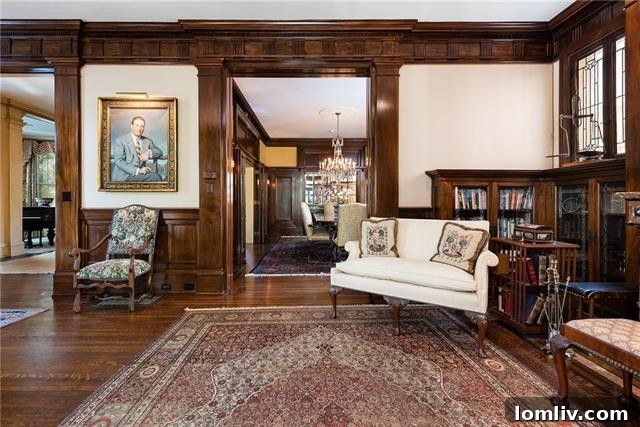
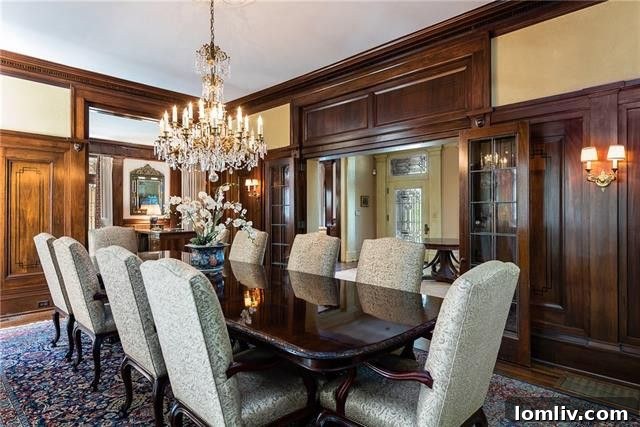
The compelling narrative of the Cary estate underscores its profound historical significance. This is far more than just another opulent residence for affluent families; it is the very crucible where the future of Dallas was meticulously charted and debated. The audacious visions of the city’s founders, the ambitious blueprints for its growth, and the strategies for its prosperity were not confined to boardrooms; they were intimately discussed and refined within the estate’s elegant spaces. Over cocktails served on the beautifully tiled sun porch and during exquisite dinners in the hand-crafted, wood-paneled dining room, these pivotal conversations unfolded. When researching the estate, discovering details like the 1926 buffet supper and informal reception for 300 members of the House of Delegates of the American Medical Association hosted at the Cary estate, one can only begin to fathom the extraordinary plans and policies that emerged from such a gathering, shaping not just Dallas but potentially national medical standards. This home truly embodies the spirit of civic leadership and groundbreaking innovation.
An Unparalleled Dallas Estate: Where History Meets Modern Luxury
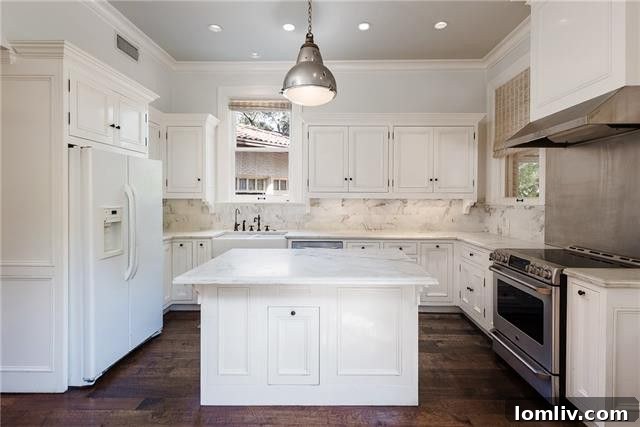
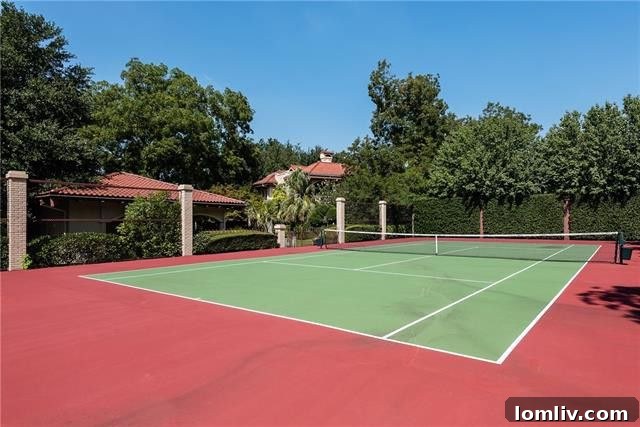
The esteemed Cary family resided in this magnificent home for decades, a testament to its enduring charm and functionality, until Mrs. Cary’s passing in 1970. Following their tenure, the estate briefly passed through the hands of the T.C. Stricklin family and Mrs. Viva Ellison. However, it found its next long-term custodians in the 1970s when the prominent Al Hill family acquired it. For over 40 years, the estate has remained a cherished part of the Hill family legacy, an extraordinary span that further underscores the home’s exceptional quality and timeless appeal. The longevity of ownership by just two primary families across more than a century speaks volumes about the home’s inherent design and adaptability, perfectly suiting their evolving needs over generations. While meticulously preserving its historical integrity, the Hills undertook necessary updates to modernize amenities. Notably, Al Hill secured special permission to install the very first tennis court in a Highland Park residence, adding a distinctive and highly coveted recreational feature to this already exceptional property.
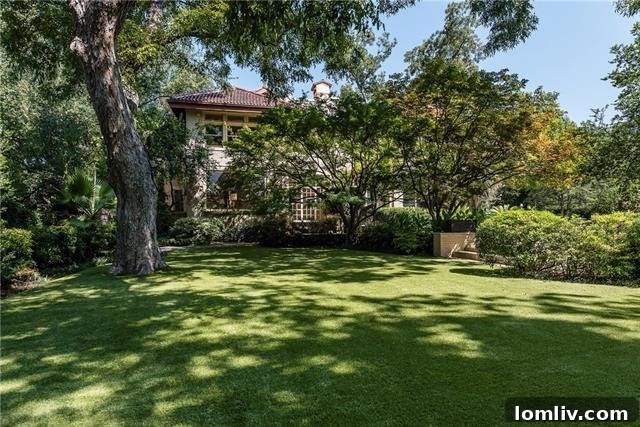
The Cary estate distinguishes itself as one of those truly rare Dallas properties that flawlessly combines every desirable attribute. It is a historic home, meticulously engineered with a quality of craftsmanship and an array of materials that are virtually impossible to replicate in contemporary construction. As David Nichols, the seasoned listing agent for Allie Beth Allman, aptly observes, “It’s built like a rock. It’s in tremendous shape and has been perfectly maintained.” This enduring structural integrity is paired with an unparalleled location. Boasting the highest elevation on Lakeside Drive, the estate offers breathtaking, unobstructed views of the shimmering water and the verdant parkland beyond. It represents the last remaining grand estate on Lakeside, a generational opportunity to acquire a sprawling 1.3-acre parcel in this highly sought-after, prestigious Highland Park locale, a scarcity that makes it truly invaluable in today’s market.
Luxury Amenities and Enduring Appeal
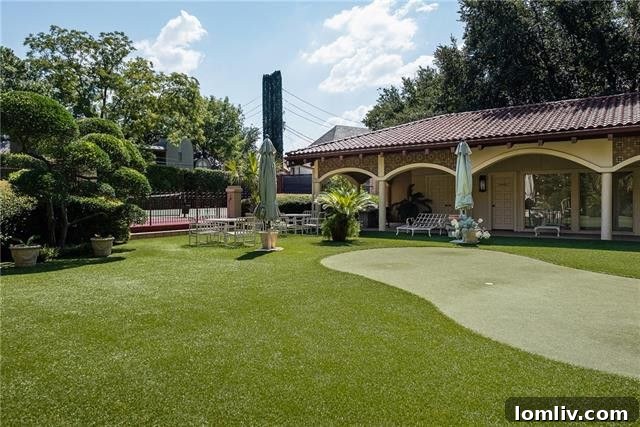
Beyond its historical prestige and prime location, the Cary estate offers an expansive and luxurious living experience. Spanning an impressive 7,643 square feet, the residence features five generously sized bedrooms and six full bathrooms, complemented by two convenient powder baths, ensuring ample space and privacy for residents and guests alike. The property further boasts detached quarters, providing flexible space for staff, extended family, or a private home office. Outdoor amenities elevate the estate to a true sanctuary: a charming cabana invites relaxation by the pool, a private putting green offers leisurely golf practice, and the meticulously maintained tennis court, a pioneering feature for Highland Park, caters to active lifestyles. Every detail contributes to a lifestyle of comfort, elegance, and exclusivity, blending historic charm with contemporary luxury.
David Nichols shared a particularly poignant anecdote that encapsulates the estate’s profound connection to its past: Dr. Cary’s grandson recently visited the home and, with a knowing glance, pointed out the exact spot where his esteemed grandfather would sit every Sunday afternoon. This vivid detail brings the past to life, allowing us to almost picture Dr. Cary contemplating his next grand vision for Dallas, unaware of the immense legacy he was building. The Cary estate is, without exaggeration, one of the most significant and historically rich homes in all of Dallas. As it enters a new chapter, our fervent hope is that its next owner possesses both the astute intelligence and a deep, genuine appreciation for history necessary to safeguard its integrity. Preserving this irreplaceable landmark is not just about maintaining a structure; it’s about honoring the very foundations upon which modern Dallas was built, ensuring its stories continue to inspire for generations to come.
For those seeking to own a piece of Dallas history, Allie Beth Allman and David Nichols proudly present the historic Cary estate at 4712 Lakeside Drive, listed for $12.5 million. This is more than a home; it’s a legacy awaiting its next steward.