Reimagining Dallas: Prioritizing Quality of Life Over “World-Class” Aspirations
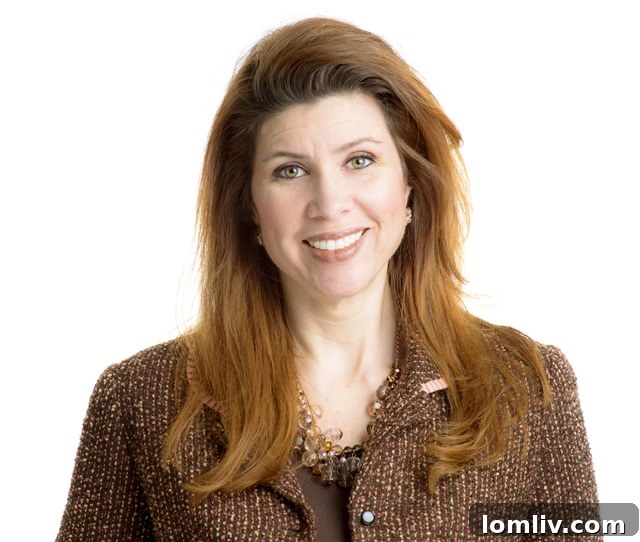
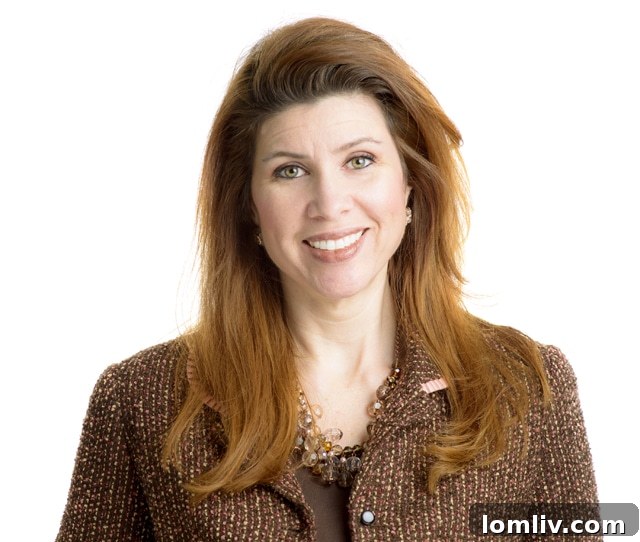
In the vibrant and ever-evolving landscape of urban development, cities often grapple with their identity and future direction. For Dallas, a recent column by former City Council member Angela Hunt has sparked a crucial conversation, urging a shift in perspective that resonates deeply with contemporary urban planning philosophies. Her insights, eloquently articulated in the Advocate, serve as a powerful reminder that true progress isn’t measured by superficial accolades or grand, expensive projects, but by the tangible improvement in the quality of life for its residents. This perspective aligns perfectly with the sentiments shared by urban thinker Vishaan Chakrabarti, who, prior to The Dallas Festival of Ideas, challenged us to temper our obsession with being “world-class” and instead cultivate a city that genuinely nurtures its community. The core message is clear: focus on fostering an exceptional living environment, and the rest—recognition, prosperity, and a distinctive identity—will naturally follow.
Hunt’s column is more than just an opinion piece; it’s a profound call to introspection for Dallas, a plea to re-evaluate its priorities and consider the authentic well-being of its citizens above all else. It encourages the city to shed external pressures and look inward, building on its unique character and fostering a sense of belonging for everyone who calls it home. The journey to becoming a truly great city, as Hunt and Chakrabarti suggest, begins not with outward displays of grandeur, but with a foundational commitment to creating livable, equitable, and sustainable communities.
The Peril of “World-Class Nonsense”: A Critical Examination
Angela Hunt’s column cuts straight to the heart of a common urban dilemma: the relentless pursuit of being “world-class.” She powerfully articulates:
First of all, you’ve got to let go of this world-class nonsense. You spend way too much time talking about being a world class “this” and having a world class “that.” Then you petulantly threaten that if you don’t get a gazillion dollars to spend on some shiny new bauble, your friends won’t think you’re world class. You must stop trying to out-fancy the more popular cities and focus on being the best Dallas you can be. And stop worrying about what your friends think.
This excerpt encapsulates a sentiment increasingly shared by urban planners and residents alike. The quest for “world-class” status often translates into a fixation on monumental projects, iconic architecture, and international events, sometimes at the expense of fundamental infrastructure, public services, and the everyday needs of the city’s inhabitants. This superficial pursuit can lead to misplaced investments, creating gleaming facades while essential community services struggle. The danger lies in a city becoming a reflection of what external observers deem important, rather than a genuine haven for its own people.
The concept of “shiny new baubles” highlights the allure of prestige projects—be it a grand convention center, an extravagant arts district, or a technologically advanced sports arena—that promise global recognition. While such developments can bring economic benefits and cultural vibrancy, Hunt questions whether they truly serve the city’s long-term interests if they don’t integrate with, or worse, detract from, the existing fabric of neighborhoods and community life. Vishaan Chakrabarti’s earlier remarks echo this sentiment, advising cities to look inward and cultivate their authentic identity. Instead of striving to emulate popular global metropolises, Dallas, he suggested, should focus on celebrating its unique strengths, fostering its distinct culture, and enhancing the local experience. This approach ensures that development is rooted in genuine need and local character, rather than a competitive drive to “out-fancy” other cities.
Unmasking Influences: The “Rich Kids” and External Agendas
Hunt delves deeper into the external pressures Dallas faces, particularly from influential groups she metaphorically refers to as “rich kids”:
Speaking of your “friends,” I’m worried you’re being overly influenced by this crowd you’re hanging around with, these rich kids. When they say “jump,” you say “how many horse parks do you want?” I just don’t think they have your best interests at heart, and I think they manipulate you to line their own pockets. Do they even live in Dallas, or do they retreat to their manses in the bubble when it comes time to return your friendship? What does that tell you about how much they care?
This powerful critique speaks to the pervasive influence of wealthy developers, corporate interests, and powerful lobbying groups in urban planning. Hunt suggests that these “friends” often dictate development agendas, pushing for projects that primarily serve their financial interests or enhance their prestige, rather than contributing equitably to the city’s overall well-being. The rhetorical question about their residency strikes at the core issue of accountability and genuine stake-holding. If those who exert the most influence do not directly experience the daily realities of Dallas life, if they retreat to insulated enclaves, how deeply invested can they truly be in the city’s long-term health and the welfare of its diverse residents?
This dynamic raises critical questions about democratic urban governance. When decisions are swayed by those with deep pockets but shallow roots, the voice of the average citizen can be marginalized. The concept of “manipulation to line their own pockets” points to potential conflicts of interest where public resources might be directed towards private gain. Ensuring transparent decision-making processes and prioritizing community input becomes paramount in safeguarding against such external influences. Dallas, like any major city, must carefully scrutinize who benefits most from its growth and development, striving for a balance that serves all its communities, not just a select few.
The Suburban Conundrum: Cooperation and Compromise
Hunt extends her analysis to Dallas’s relationship with its suburban neighbors, acknowledging the importance of collaboration while highlighting potential pitfalls:
Your friends from the suburbs are another matter. I like them. I do. And I think it’s important for you to work on projects together. But you’re letting them take advantage of you. You’re more than willing to spend your own money and pour concrete over a huge swath of Dallas parkland so they can get home a couple of minutes faster. Once you give them what they want, they’ll drive past, and won’t even stop by to visit. Is that really what’s best for you and your residents?
This passage thoughtfully navigates the complex relationship between a central city and its surrounding suburbs. While regional cooperation is undoubtedly vital for economic and infrastructural development, Hunt’s concern lies in the unequal distribution of benefits and burdens. The vivid imagery of “pour concrete over a huge swath of Dallas parkland so they can get home a couple of minutes faster” is a poignant critique of unchecked urban sprawl and highway expansion. This often translates to sacrificing precious green spaces, increasing pollution, and fragmenting urban neighborhoods to facilitate commuter traffic, predominantly from areas outside the city’s tax base.
The fundamental question Hunt poses—”Is that really what’s best for you and your residents?”—challenges Dallas to reconsider the long-term environmental, social, and economic costs of such compromises. While fostering good regional relations is important, it should not come at the expense of Dallas’s own environmental assets, neighborhood cohesion, or the quality of life for its residents. Sustainable urban planning advocates for integrated public transport systems, walkable communities, and the preservation of green infrastructure, rather than continuously expanding roadways that incentivize car dependency. Dallas must advocate for its own interests in regional planning, ensuring that collaborations are genuinely reciprocal and that its core urban fabric remains vibrant and healthy for those who live within its boundaries.
Charting a New Course for Dallas: Grassroots Engagement and Local Focus
Angela Hunt’s powerful column serves as a rallying cry, urging Dallas to shift its focus from external validation to internal strength. The message is clear: true urban greatness emerges not from mimicking others or chasing fleeting trends, but from cultivating a city that genuinely prioritizes the well-being of its own people. This means investing in robust public services, enhancing green spaces, developing efficient public transportation, supporting local businesses, and creating vibrant, walkable neighborhoods that foster a strong sense of community.
The path forward for Dallas, as envisioned by Hunt, is one of self-reliance, authenticity, and unwavering commitment to its residents. It’s about building a city where every citizen feels valued, where neighborhoods thrive, and where decisions are made with the collective good at heart. This grassroots approach to urban development acknowledges that sustainable change originates from within the community, driven by the voices and needs of those who live and work in Dallas every single day. It’s about fostering a civic culture where residents are not just consumers of urban spaces but active participants in shaping them.
This critical juncture calls for increased community engagement and open dialogue about Dallas’s future. It’s precisely why events like the Community Roundtable discussion, moderated by Peter Simek at Dallas Heritage Village, are so vital. These forums provide invaluable platforms for residents, local leaders, and urban enthusiasts to converge, share perspectives, and collectively envision a Dallas that truly serves its diverse population. The discussion, focusing on key issues affecting downtown Dallas neighborhoods from Victory to Deep Ellum, is a prime example of how crucial conversations can lead to actionable insights and drive real, meaningful change from the ground up.
Seriously, go read Angela Hunt’s entire column in theAdvocateright now. Its message is more relevant than ever. Following that, make a point to attend and participate in local discussions. The Community Roundtable discussion at Dallas Heritage Village, starting at 6:30 p.m., offers an excellent opportunity to get involved and contribute to the vital dialogue about Dallas’s direction. Go and get involved, Dallas, because real, transformative change for a better future truly starts at the grassroots level, with every resident playing a part in shaping the city they call home.