Dallas Unleashes Its Real Estate Potential to Tackle $3 Billion Pension Deficit and Drive Urban Growth
The City of Dallas faces a formidable financial challenge: a staggering $3 billion deficit in its police and fire pension fund. This pressing need for capital has catalyzed a groundbreaking initiative, prompting city officials to scrutinize Dallas’s vast, often overlooked, real estate portfolio. With a strategic imperative to not only bridge this funding gap but also to revitalize urban spaces, the city has enlisted the expertise of the Economic Development Corporation (EDC) to chart a new course for its sprawling land assets and underutilized buildings.
The conversation around city-owned real estate gained significant traction during the recent budget deliberations. District 1 Councilman Chad West, who chairs the influential Government Performance and Financial Management Committee (GPFM), initiated an inquiry into the city’s assets. What came as a revelation to many, even within city leadership, was the sheer scale of Dallas’s holdings: an astonishing 50,000 acres of land. This discovery underscored the immense, untapped potential lying dormant within the city’s control, presenting both a challenge and an unprecedented opportunity for strategic urban development.
“We are confronting substantial future expenses, most notably the critical shortfall in our police and fire pension fund,” Councilman West articulated. “My committee has engaged extensively with city management and staff to explore the most effective ways to leverage our city’s real estate to address these financial obligations. Simultaneously, Dallas is experiencing an urgent demand for more housing options, enhanced park facilities, and accessible green spaces. This initiative is designed to tackle all these priorities concurrently.”
West emphasized that the critical first step in this ambitious undertaking is a comprehensive inventory and assessment: identifying precisely what assets the city possesses and determining which properties might need to be acquired to fulfill strategic development goals. To navigate this complex landscape, the city sought the specialized knowledge and strategic foresight of the Economic Development Corporation, signaling a proactive shift in Dallas’s approach to asset management and urban planning.
The $3 Billion Imperative: Addressing Dallas’s Pension Crisis
The $3 billion deficit in the Dallas Police and Fire Pension System represents one of the most significant financial burdens on the city. This substantial shortfall, a legacy of past investment challenges and demographic shifts, jeopardizes the financial security of thousands of retired and active public safety personnel while placing considerable strain on municipal finances. Addressing this deficit is not merely an administrative task; it’s a moral imperative and a cornerstone of the city’s long-term fiscal stability. Without a robust solution, the shortfall could lead to increased taxpayer burden, necessitate cuts in essential city services, or impede future municipal investments.
In this context, monetizing or strategically leveraging city-owned real estate emerges as a viable and attractive path forward. Unlike raising taxes or cutting services, optimizing property assets offers a revenue generation strategy that taps into existing resources. The scale of Dallas’s land ownership—50,000 acres—provides a unique and substantial platform for such an endeavor. This isn’t just about selling off parcels; it’s about a sophisticated approach to asset management that considers market value, community needs, and the broader economic development goals of the city.
Unlocking Potential: Dallas’s Strategic Real Estate Portfolio
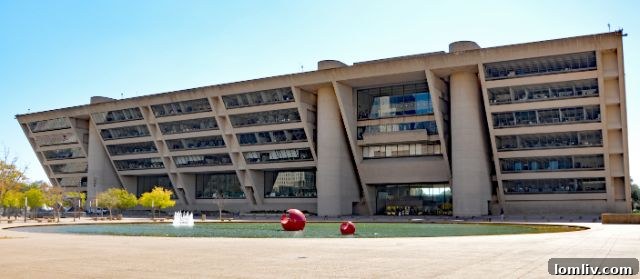
Historically, the Dallas real estate office, operating as a division of Public Works, has adopted a largely “reactionary” stance. This meant responding to immediate needs rather than proactively identifying and pursuing strategic transactions that could benefit the city’s long-term goals. The GPFM Committee, under Councilman West’s leadership, recognized the critical need to transition from this reactive model to a forward-thinking, strategic plan that maximizes the value and utility of the city’s vast property holdings.
The 50,000 acres of city-owned land encompass a diverse array of properties, from undeveloped plots ripe for residential or commercial projects to underutilized municipal buildings and former industrial sites. Effectively managing such an extensive portfolio requires a high degree of expertise in urban planning, market analysis, and economic development. By adopting a strategic framework, Dallas aims to not only generate much-needed revenue for its pension fund but also to shape its future urban landscape in a way that aligns with contemporary needs for housing, green space, and robust economic activity.
The Economic Development Corporation Steps In: A New Era for Dallas Real Estate
To spearhead this transformative initiative, the City of Dallas has engaged the Economic Development Corporation, an entity specifically designed to encourage investment, attract new businesses, and foster economic growth within the city. John Stephens, president of the EDC board, confirmed that the corporation, which is currently in the process of hiring its first-ever CEO to lead these expanded efforts, has already commenced an in-depth review of the city’s extensive real estate portfolio.
“At the EDC, our primary mandate is to drive market activities for the City of Dallas, actively encouraging investment and working to attract and expand businesses,” Stephens explained. “We’ve initiated discussions with the city manager to undertake a collaborative review of the city’s real estate assets. Our goal is to provide comprehensive information and strategic insights into whether these properties present opportunities for economic development or can help achieve other critical city objectives. While we are actively engaged in this process, we are still in the preliminary stages of this significant undertaking.”

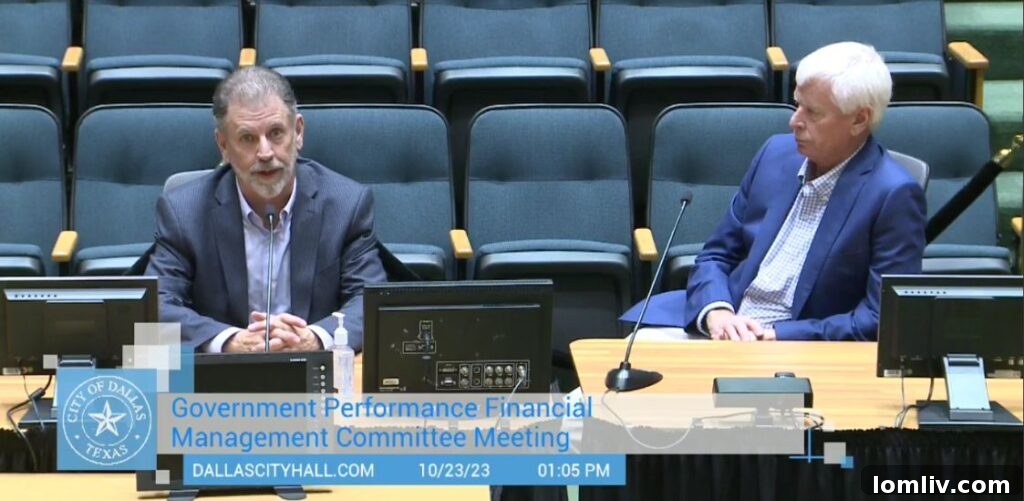
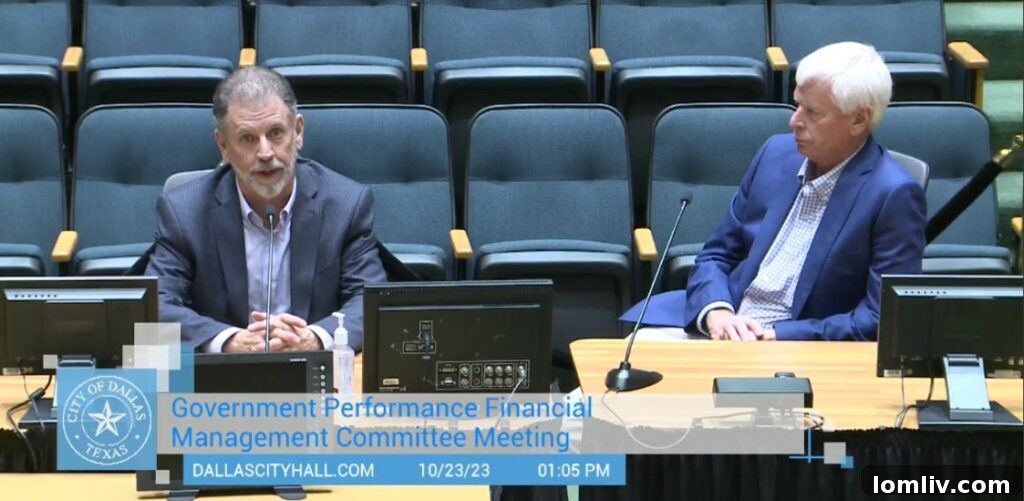
During a GPFM meeting on October 23, Stephens addressed questions regarding the EDC’s role in evaluating land specifically for potential housing development. He clarified the corporation’s focus: “We are not currently at the stage of directly planning housing projects, and frankly, I’m not certain that will be our direct purview.” However, he elaborated on the EDC’s crucial contribution: “Our role will be to conduct thorough evaluations of the land and existing buildings to ascertain their intrinsic value and identify viable alternative uses. We will then present these findings to the city manager and the city council, ensuring our recommendations are comprehensive and align with all of the city’s overarching goals, including those related to housing and community development.”
Beyond Monetization: Housing, Green Space, and Community Impact
The initiative is not solely focused on financial returns. Dallas City Councilman Jaime Resendez, representing District 5, emphasized the need for a holistic approach. “I want to ensure that our analysis rigorously considers both the housing aspect and the green space aspect,” Resendez stated. He underscored the symbiotic relationship between these factors and broader economic vitality: “These two elements significantly influence economic development. Expanding the scope of our analysis to incorporate these critical community needs would be immensely beneficial.” Furthermore, Resendez highlighted the importance of proactively identifying additional land that the city could acquire to further its strategic objectives.
John Stephens, who attended the GPFM meeting alongside former Dallas City Councilman and fellow EDC board member Alan Walne, indicated that the EDC anticipates delivering its initial recommendations to city officials in the first quarter of 2024. These recommendations are expected to provide a clear roadmap for the strategic disposition and development of Dallas’s city-owned assets.
Optimizing Value: The Quest for “Highest and Best Use”
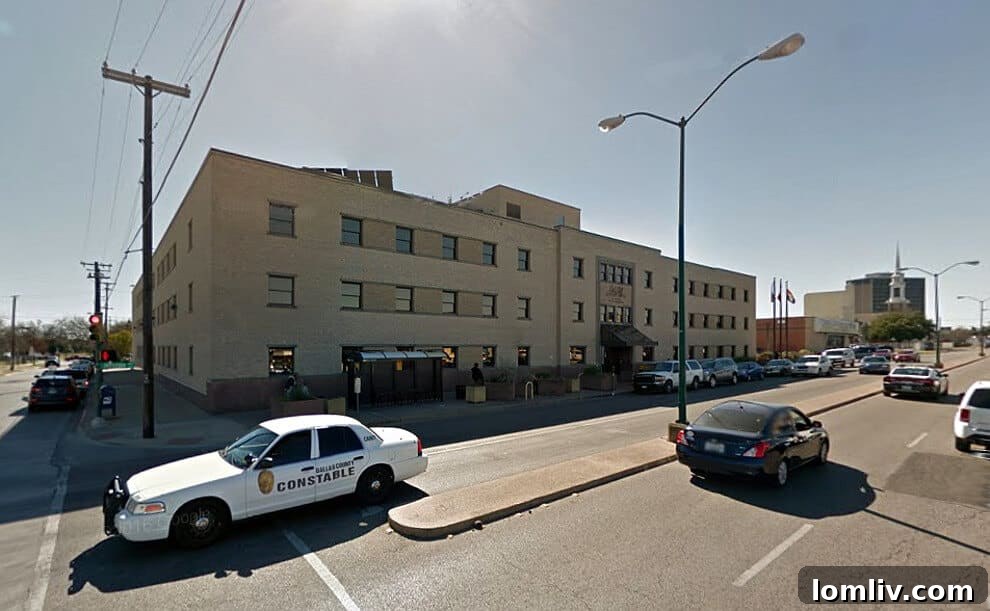
Assistant City Manager Robert Perez outlined the city’s internal process for asset review. Annually, department directors are mandated to evaluate the properties under their administration, determining whether these buildings are essential for future projects or can be designated as surplus. “This year, we are taking an even more rigorous approach, extending our review beyond just undeveloped land to encompass all our facilities,” Perez explained. “Our objective is to activate any existing office spaces that are currently underutilized. We are meticulously examining every asset with the goal of developing a comprehensive master plan for how we will optimize the use of all our city facilities.”
Perez provided examples of ongoing transitions, noting that employees from the Oak Cliff Municipal Center are relocating to a new location on Stemmons Freeway. Similarly, employees working at Hensley Field will be reassigned once that site undergoes its planned development. These relocations free up valuable city-owned properties for potential repurposing or sale, further contributing to the strategic asset management plan.
Chief Financial Officer Jack Ireland unequivocally confirmed that the city’s extensive real estate portfolio is a central component of discussions aimed at closing the formidable $3 billion gap in the police and fire pension fund. This highlights the direct link between effective asset management and the city’s fiscal health.

District 9 Councilwoman Paula Blackmon passionately advocated for the EDC board to focus intently on determining the “highest and best use” for every city-owned property. “The reality is, we are going to need significant cash flow,” she emphasized. “I believe every single asset should be thoroughly analyzed. If the outcome of that analysis is ‘not this, not now,’ that’s a perfectly acceptable conclusion. However, to prematurely dismiss any property from consideration is likely not a sound practice. Our imperative is to maximize the value we derive, whether through optimized lease agreements or strategic sales, always striving for the highest and best price.”
Councilwoman Cara Mendelsohn of District 12 raised an important point regarding past oversight, noting that in recent years, the City Manager’s office has largely been responsible for determining the fate of city buildings that become obsolete, such as the Oak Cliff Municipal Center. “Whose ultimate responsibility has it been to ensure that we are effectively monetizing or preserving land as needed, whether for park development, economic growth, or other critical purposes?” she queried, seeking clarity on accountability in the new strategic framework. Perez clarified that the city manager continues to make such decisions, informed by detailed recommendations from his staff, emphasizing a continuous process of review and planning.
District 2 Councilman Jesse Moreno expressed considerable enthusiasm for the initiative, suggesting that the Economic Development Corporation should also consider conducting a comprehensive needs assessment. “Many of these facilities are in a state of disrepair, and maintaining them will require substantial financial investment,” Moreno pointed out. “As we deliberate whether to refurbish these structures, consolidate operations, or relocate to entirely new sites, these conversations are incredibly exciting. I view this as a pivotal opportunity for our city to grow, to provide more housing options, cultivate a stronger workforce, and expand our precious green spaces.” His perspective underscores the broader vision for this real estate strategy: not just a financial fix, but a catalyst for comprehensive urban improvement and sustainable development.
Challenges and Opportunities: Charting Dallas’s Real Estate Future
While the strategic management of Dallas’s 50,000 acres presents immense opportunities, it is not without its challenges. Navigating public sentiment regarding the sale of city assets, addressing complex zoning regulations and environmental considerations, and adapting to fluctuating real estate markets will require deft leadership. The city must also carefully balance the immediate need for revenue with long-term strategic visions for urban development, ensuring that decisions made today contribute positively to Dallas’s future for decades to come. Furthermore, ensuring equitable development, where benefits are distributed across all communities, will be paramount.
However, the opportunities far outweigh these hurdles. This initiative has the potential to transform underutilized public properties into vibrant community assets, fostering economic growth, alleviating the housing crisis, and enhancing the quality of life for Dallas residents. By embracing public-private partnerships, creative lease agreements, and strategic sales, Dallas can unlock significant capital. This bold approach positions Dallas as a leader in innovative urban planning and responsible fiscal management, setting a precedent for other metropolitan areas facing similar challenges.
Looking Ahead: Recommendations and Impact
The anticipation is high as the Economic Development Corporation prepares to deliver its initial recommendations in the first quarter of 2024. These insights are expected to lay the groundwork for a new era of proactive real estate management in Dallas. The collaborative efforts of the EDC, the City Council, and city management signal a unified commitment to addressing the pressing $3 billion pension deficit while simultaneously fostering sustainable urban growth.
Ultimately, this strategic endeavor aims to cultivate a more financially stable city, provide urgently needed housing solutions, expand accessible green spaces, and build a stronger, more dynamic economic foundation for all of Dallas’s citizens. By meticulously evaluating and intelligently leveraging its vast real estate holdings, Dallas is not just solving a financial problem; it is actively shaping a more vibrant, resilient, and prosperous future.