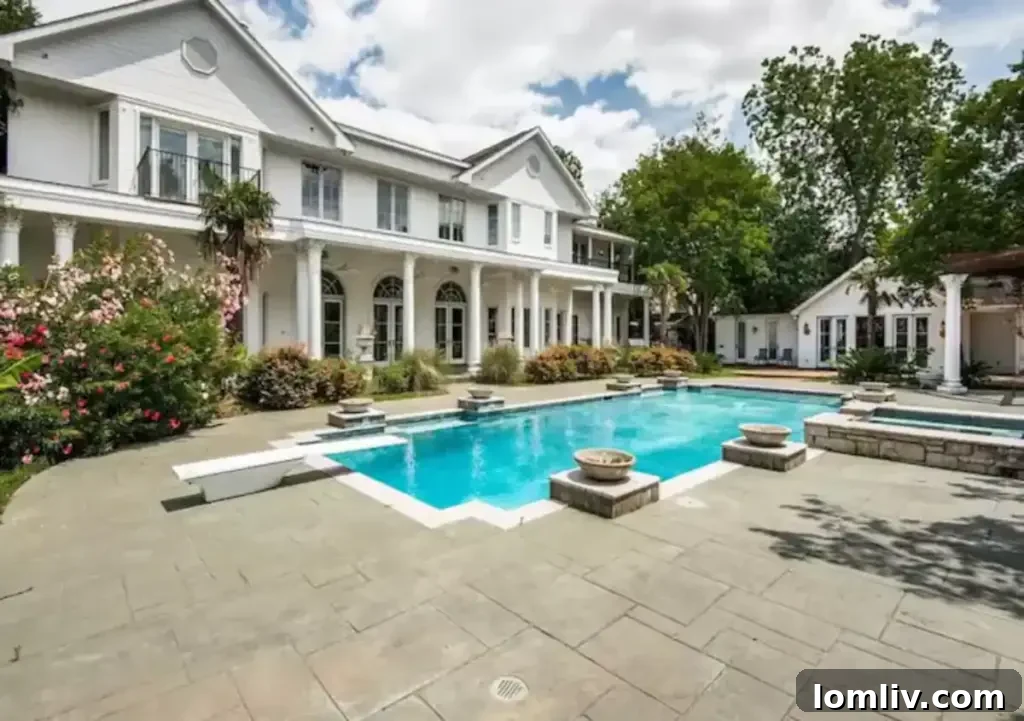
After four years of fervent public discourse and exhaustive deliberation, the Dallas City Council reached a landmark decision just before midnight on Wednesday, enacting a comprehensive ban on short-term rentals (STRs) within single-family neighborhoods across the city. This pivotal vote culminates a lengthy and often contentious debate that has deeply divided residents, property owners, and policymakers regarding the future of residential communities in Dallas. The move aims to restore peace and preserve the character of these neighborhoods, which have increasingly seen traditional homes converted into transient lodging accommodations.
The approved measure, formally known as the “Keep It Simple Solution” (KISS), was championed by District 14 Councilman Paul Ridley. It received a crucial recommendation from the council-appointed City Plan Commission last summer, setting the stage for Wednesday’s decisive vote. This new zoning ordinance, which passed with a significant 12-3 majority, takes immediate effect. However, the full force of its enforcement protocols will commence in six months, providing a critical transition period for property owners and city officials to adapt to the new regulatory landscape. This delay is intended to allow existing STR operators time to cease operations or transition their properties to long-term rentals, minimizing immediate economic shock.
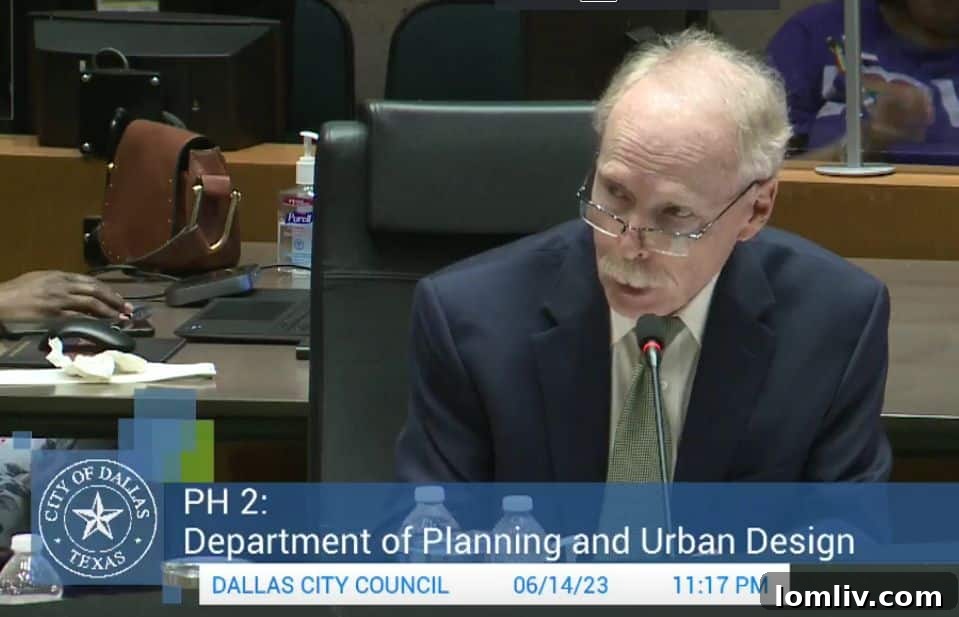
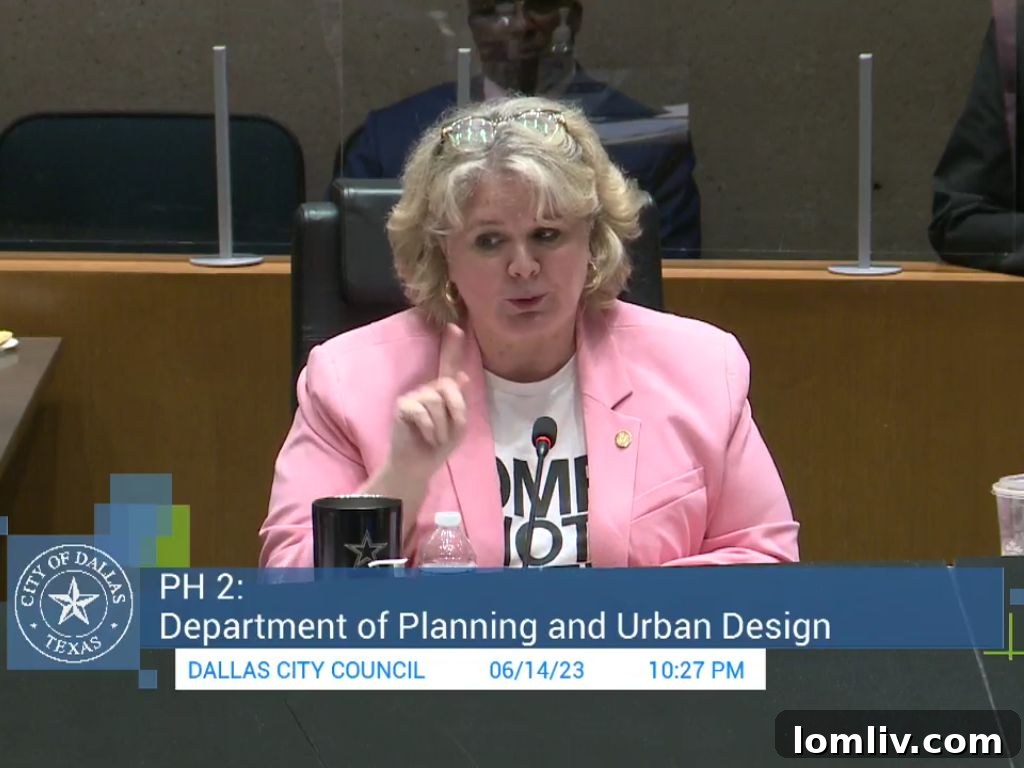
In a significant modification to the original proposal, District 7 Councilman Adam Bazaldua introduced an amendment that garnered broad support, passing with an overwhelming 14-1 vote. This amendment carves out an exception, permitting short-term rentals by right in multi-family districts. The nuanced discussion surrounding STRs in apartment complexes and other multi-family housing units highlighted a city-wide recognition that the impact and concerns associated with STRs vary significantly between residential zones. While single-family neighborhoods sought protection from the perceived disruptions of commercial lodging, multi-family areas were viewed as potentially more accommodating to such uses, often featuring different community dynamics, higher densities, and existing commercial activities that align more closely with transient occupancy.
Conversely, a fiercely debated amendment proposing to “grandfather” existing short-term rentals – allowing them to continue operating despite the new ban – narrowly failed with an 8-7 vote. This outcome signifies a clear intent from the council to implement a clean break from previous practices, ensuring that all STRs in single-family zones will eventually cease operation once the enforcement period begins. This decisive action, while praised by ban proponents for its equitable application, presents considerable challenges and financial implications for current STR operators who now face the prospect of shutting down, relocating, or converting their businesses to long-term leasing models. The failure to grandfather existing operations signals the council’s firm stance on prioritizing residential zoning integrity over established commercial interests in these specific zones.
Throughout the extensive meeting, council members engaged in a spirited debate not only about the ban itself but also about the practicalities of its enforcement. City staff members, particularly from departments like Code Compliance, had previously expressed a preference for regulating STRs through a robust registration ordinance rather than an outright prohibition. Their arguments often centered on the perceived ease of monitoring, accountability, and potential revenue generation through a well-structured registration system. Staff also highlighted the significant resources required for enforcement, suggesting that a ban might strain existing city services. However, the council ultimately sided with a more stringent approach, signaling a strong commitment to reclaiming the residential character of single-family zones, believing that regulation alone would not suffice to address the core issues.
The legislative action approved on Wednesday formally amended the Dallas Development Code. It meticulously defines a new land use category termed “short-term rental lodging” and outlines its associated regulations. This legal reclassification is a critical step, establishing the clear framework for the future enforcement of the ban. By explicitly defining STRs within the city’s zoning regulations and designating them as incompatible with single-family residential zones, Dallas has equipped itself with the necessary legal tools to address non-compliant properties. This move aims to eliminate previous ambiguities that hampered regulatory efforts, providing a clear legal basis for action against unauthorized short-term rental operations.
The marathon council meeting, which commenced shortly after 9 a.m. and extended for over 14 hours, was marked by an extraordinary level of public engagement. A diverse group of sixty speakers registered to address the council, with most remaining throughout the day and into the late hours to share their impassioned perspectives. These testimonies offered a vivid tapestry of experiences, ranging from residents recounting stories of disrupted peace, safety concerns, and increased traffic to STR owners defending their property rights and economic livelihoods. The sheer duration and intensity of the public hearing underscored the profound impact that short-term rentals have had on the social fabric and economic landscape of Dallas, highlighting the deep divisions within the community.
Olive Talley, a resident of District 14 and a vocal advocate for neighborhood preservation, received a round of applause as council chambers slowly cleared out late Wednesday night. Her sentiments encapsulated the frustration felt by many residents, highlighting the perceived imbalance in the debate. “It was unfathomable,” Talley stated, “that up to half a million residential property owners found themselves the underdogs in a fight against a fraction of STR owners to preserve housing and neighborhoods in Dallas.” Her powerful words resonated with many who felt their quality of life was being compromised by commercial interests encroaching upon residential spaces, shifting the focus from homes to hotels.
“They’re fighting for higher profit margins, while we’re losing money in the fight to keep our homes. And we’re paying for city services to enforce the problems they cause and enduring the misery they bring to our doorsteps.”
District 14 resident Olive Talley eloquently summarizing the residents’ plight during the Dallas City Council meeting.
This impassioned plea from a long-time resident underscored a core argument made by proponents of the ban: that the proliferation of short-term rentals was not merely an inconvenience but a fundamental threat to the character, safety, and affordability of Dallas neighborhoods. The economic disparity she highlighted – residents bearing the costs of disrupted peace, increased city services, and potentially rising housing costs versus operators seeking profit – became a central theme in the protracted debate. The human element of these debates often takes center stage, and Talley’s statement served as a powerful reminder of the deeply personal stakes involved for many Dallasites who view their homes and neighborhoods as sanctuaries, not commercial zones.
Understanding the Divisive Debate Over Dallas Short-Term Rentals
The path to Wednesday’s decision was paved with years of intense lobbying, public meetings, and robust debate, reflecting a nationwide struggle cities face in balancing property rights with neighborhood stability. For many residents, especially those in single-family zones, the rise of STRs transformed quiet residential streets into bustling, sometimes chaotic, transient hubs. Complaints ranged from excessive noise and late-night parties to increased traffic, parking congestion, and concerns about safety and security. Moreover, many argued that the commercialization of residential properties was eroding the sense of community and contributing to a shortage of affordable long-term housing options, as investors increasingly purchased homes for short-term rental purposes rather than for local residents seeking permanent housing.
On the other side, STR owners and operators vehemently defended their right to utilize their property as they saw fit, citing economic freedom and the potential for supplementary income. They argued that STRs contribute significantly to the local economy, attracting tourists, supporting small businesses, and providing flexible lodging options for visitors. Many operators also emphasized responsible management practices, highlighting that not all STRs caused problems and that a blanket ban unfairly penalized conscientious owners. They often advocated for a comprehensive registration and regulation system as a more equitable and effective solution, arguing that it would allow the city to address problematic properties without stifling the entire industry or infringing upon the property rights of responsible homeowners. The debate highlighted a fundamental clash between individual property autonomy and collective community well-being.
The City Staff’s Alternative Proposal to Regulate Short-Term Rentals
Prior to the final vote, a “collaborative staff recommendation” issued by Dallas city departments, including Planning and Urban Design and Code Compliance, outlined a distinctly different approach. City staff generally favored simplified, enforceable regulations over an outright ban. This recommendation stemmed from their practical understanding of municipal operations, where managing a registration and permitting system often appears more administratively feasible and less susceptible to legal challenges than enforcing a widespread prohibition. City Manager T.C. Broadnax acknowledged the inherent complexity of the issue, stating that “there is no solution that is going to please everyone,” but affirmed that staff had performed professionally in navigating the challenges. Their proposal aimed to balance the concerns of residents with the economic realities of the STR market, suggesting a middle ground that prioritized compliance and accountability without resorting to a total ban.
An alternative option, closely aligned with the staff’s preference for regulation, was put forth by District 1 Councilman Chad West. His comprehensive proposal garnered support from several speakers during Wednesday’s protracted hearing, presenting a potential compromise that many hoped would address core issues without resorting to a complete ban in single-family areas. West’s approach sought to eliminate the most egregious problems associated with STRs, particularly the infamous “party houses,” which he believed were the primary source of community frustration and noise complaints. He aimed to target the specific negative impacts rather than broadly prohibit an entire class of property use.
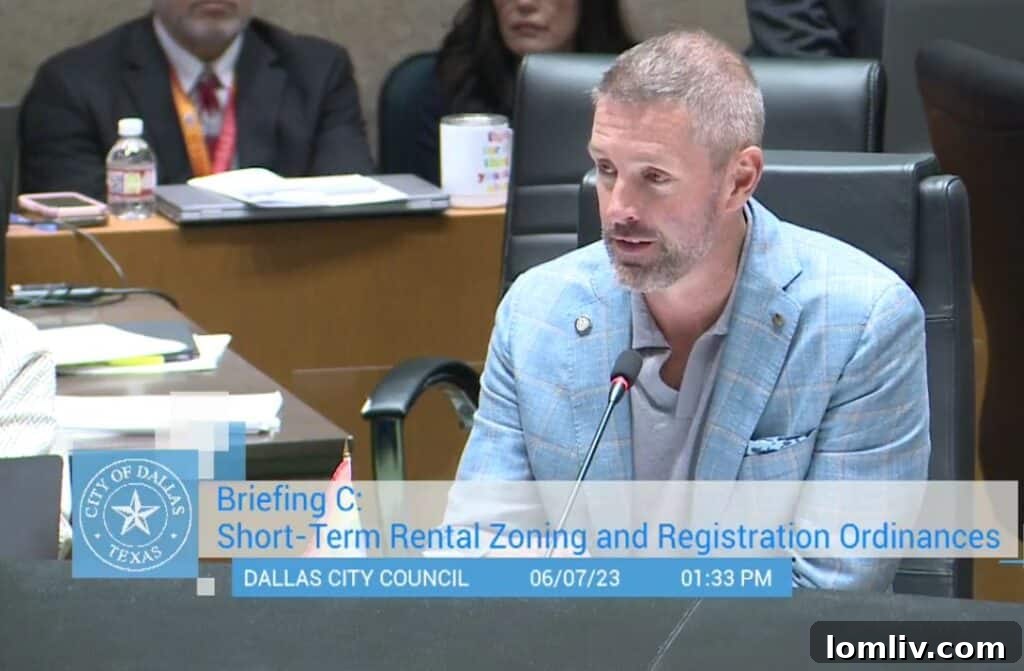
Councilman West repeatedly emphasized that implementing a mandatory on-site caretaker requirement would effectively neutralize the threat of “party houses,” a goal he believed was shared by all stakeholders present at the council meeting. He cited survey data indicating strong support within his district: “Over 66 percent of District 1 residents supported allowing STRs in some fashion in all areas so long as they are heavily regulated, with the vast majority preferring a caretaker to be on site.” West further reinforced his argument by referencing legal precedents, stating, “The Fifth Circuit has made it clear that cities cannot mandate that an ‘owner’ be on site but suggested that requiring a ‘caretaker’ to be present on site during the rental process would pass legal muster.” This legal distinction was crucial, offering a pathway to robust regulation that could withstand potential court challenges while directly addressing the problematic behavior.
For years, the vast majority of speakers who testified at City Hall consistently complained about the proliferation of unruly party houses. “In the stories we have heard,” West recounted, “a universal complaint by residents is that no one lives in those party houses, and neighbors have never met the homeowner.” He passionately argued that requiring a dedicated, on-site caretaker would fundamentally alter the dynamic of these problematic properties, fostering accountability and immediate response capabilities. This would ensure that there was always a responsible party available to address noise, parking, or guest behavior issues swiftly, thereby mitigating neighborhood disturbances. “I believe that this addition to the proposed ordinance would shut down virtually all of them,” West asserted, presenting his proposal as a targeted solution designed to tackle the root cause of neighborhood disturbances without resorting to a sweeping prohibition on all short-term rentals.
Councilman West’s meticulously crafted proposal included several key stipulations designed to create a responsible and regulated short-term rental environment, aiming for a balance between property rights and community peace:
- Requirement for On-Site Caretaker: A mandatory provision that short-term rentals must have a designated caretaker present on site during the rental period to address any issues promptly, acting as an immediate point of contact for neighbors and city officials.
- “Two Strikes and You’re Out” Policy: A recommendation for a stringent enforcement mechanism where two verified violations of city ordinances or rental rules would lead to the permanent revocation of an STR permit, ensuring accountability for problematic properties.
- Adjusted Occupancy Limits: A revised occupancy formula limiting guests to two persons per bedroom plus an additional two guests per property, aimed at preventing overcrowding and mitigating associated issues like excessive noise and parking strain.
- Mandatory Owner-Operator Insurance: A requirement for all owner-operators to maintain adequate liability insurance, protecting both guests and neighboring properties from potential damages or incidents, thereby adding an extra layer of financial responsibility.
- Prohibition as Event Venue: A clear stipulation that STRs cannot be used as venues for commercial events, parties, or large gatherings, directly targeting the “party house” issue and preserving the residential character of the area.
- Regular Public Updates: A commitment for city staff to provide public updates every six months on the effectiveness and enforcement of the STR regulations, ensuring transparency and allowing for continuous evaluation and adjustment of the policy.
Despite the detailed nature of West’s proposal and its potential to address many of the concerns raised by residents, it ultimately failed to garner sufficient support from a majority of the council members. The decision to pursue an outright ban in single-family areas reflected a prevailing sentiment that only the most stringent measure would adequately protect residential neighborhoods from the perceived negative impacts of short-term rentals, and that a regulatory framework, even a robust one, might not be enough to control the inherent issues of transient occupancy.
What’s Next for Short-Term Rentals in Dallas: Enforcement and Future Challenges
The immediate future for short-term rentals in Dallas, particularly those operating in single-family neighborhoods, remains uncertain following Wednesday’s decisive vote. Many existing STR operators have already taken proactive steps, organizing into advocacy groups and retaining legal counsel. This suggests that the City of Dallas may face legal challenges to the new zoning ordinance, potentially leading to further protracted battles in the courts. The efficacy of the ban will heavily depend on the city’s ability to defend its new regulations against such legal scrutiny, which could cite property rights arguments or challenge the scope of the city’s zoning authority, making the implementation period crucial for establishing legal precedents.
From an administrative standpoint, Code Compliance officials have openly stated that it will take a minimum of six months to fully implement the necessary enforcement protocols and significantly bolster staffing levels required to police the new ban. This period will involve developing new operational guidelines, training personnel, and potentially investing in new technologies to identify non-compliant properties. The resource allocation for this undertaking is expected to be a major topic during the upcoming budget hearings this summer, where the city will have to commit substantial funds to ensure the ban is not merely symbolic but effectively enforced. Some council members, acknowledging the complexity, also suggested that the initial “Keep It Simple Solution” could be refined and adjusted in the future, once the initial implementation phases are complete and real-world impacts are assessed, allowing for iterative improvements to the policy.
Councilman Ridley, the architect of the ban, offered a clear vision for its enforcement, downplaying the logistical difficulties. He posited that effective enforcement wouldn’t require a massive police force knocking on doors but rather a strategic, tech-driven approach. “The solution is to outlaw [short-term rentals] and police that with the software services of companies like Granicus that can identify and establish that they are illegal land uses,” Ridley explained. He suggested a streamlined process: “All we have to do is send them a letter and tell them to cease and desist.” Ridley pointed to Denver as a successful model, stating, “There is no major enforcement problem, as demonstrated by Denver, which has employed that exact strategy.” This strategy relies heavily on data analytics and automated identification of STR listings, followed by formal legal notices, shifting the burden of compliance onto property owners and minimizing direct confrontation.
The Dallas City Council’s vote represents a pivotal moment in the ongoing national conversation about how cities should manage the burgeoning short-term rental industry. While proponents celebrate the decision as a victory for neighborhood integrity and quality of life, opponents lament what they see as an infringement on property rights and an economic setback for many. As the six-month enforcement period looms, all eyes will be on Dallas to observe how this bold new policy unfolds and what ripple effects it will have on the city’s housing market, tourism sector, and the broader relationship between residents and short-term rental enterprises. The comprehensive ban serves as a testament to the community’s determination to preserve its residential character, setting a strong precedent for other major metropolitan areas grappling with similar issues and seeking definitive solutions to the challenges posed by the rapid growth of the short-term rental market.
For continuous updates, in-depth analysis, and reactions on the Dallas City Council’s historic vote to approve the Keep It Simple Solution and its far-reaching implications for short-term rentals, stay tuned to daltxrealestate.com.