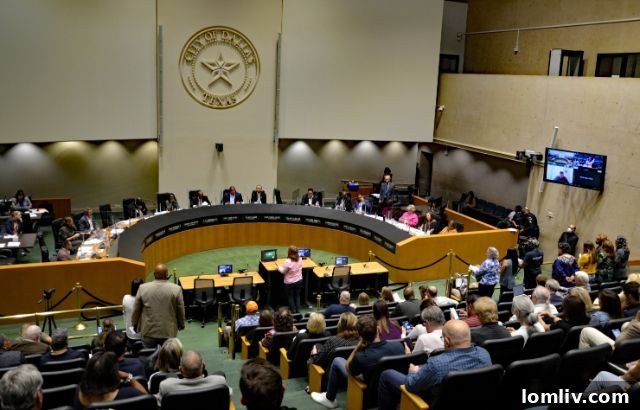
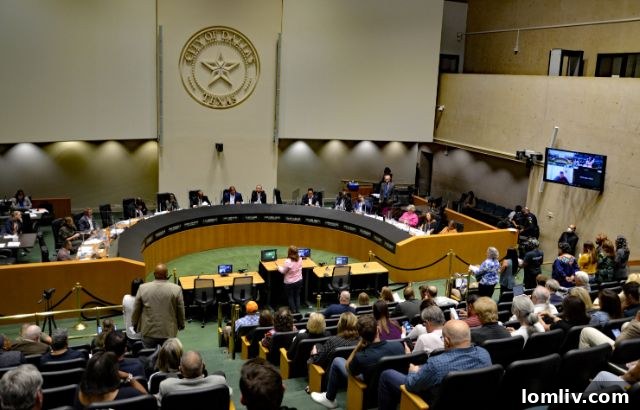
The city of Dallas, a vibrant economic and cultural hub, recently concluded a significant chapter in its municipal governance with the Dallas City Council’s approval of a substantial $55 million settlement. This payment resolves a long-standing lawsuit with Trinity East Energy LLC, a natural gas company, bringing an end to a contentious legal battle that has implications for city planning, environmental policy, and taxpayer finances.
The origins of the dispute date back to 2014 when Trinity East Energy initiated legal action against the City of Dallas. The company alleged that Dallas had reneged on a crucial agreement to issue specialized drilling permits, despite having previously entered into a lease with Trinity to explore and extract natural gas from city-owned land. This claim underscored a complex interplay between economic development aspirations, environmental stewardship, and the evolving regulatory landscape within the city.
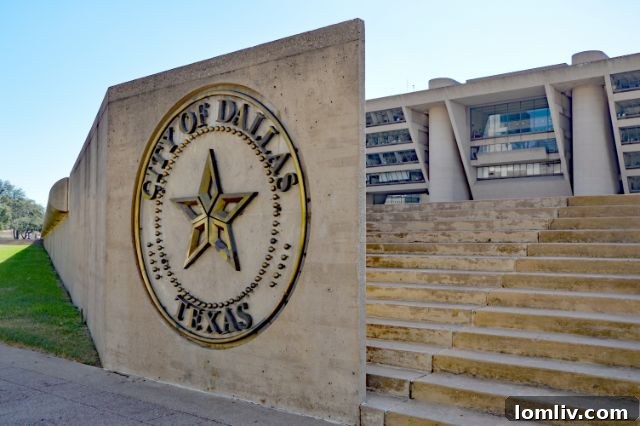
A city spokesperson confirmed to KERA that the significant payout would be financed through the issuance of municipal bonds. While the specifics of the settlement were deliberated in closed-door sessions, the court of public opinion has largely characterized the situation as a misstep by a previous city administration. Concerns are mounting among residents that Dallas taxpayers will ultimately bear a substantial portion of this multi-million dollar expense, raising questions about accountability and foresight in municipal contracts.
Further details emerged from a January 24th report by Everton Bailey Jr. in the Dallas Morning News. According to Trinity East Energy, the company initially paid the city $19 million in 2008 to lease over 3,500 acres. These tracts of land were strategically located in northwest Dallas, adjacent to prominent recreational areas such as the Luna Vista Golf Course and the Elm Fork gun range. The company asserted that it subsequently invested millions more into planning and development, operating under the explicit assurance from then-City Manager Mary Suhm, conveyed in a formal letter, that it would be granted permission to drill.
However, the situation was complicated by conflicting information. In the same year, 2008, city staff had also briefed the Dallas City Council, clearly stating that no drilling would be permitted on park land—a restriction already stipulated by the city’s drilling ordinance at that time. This apparent contradiction laid the groundwork for future disputes. The proposal to allow drilling ignited significant public protests, driven by environmental concerns and the potential impact on public spaces. Consequently, in August 2013, the Dallas City Council formally denied Trinity East Energy’s three applications to drill, citing that the proposed locations were deemed inappropriate. Two of the sites were situated within a city park and a floodplain, areas sensitive to environmental disruption, while a third was near a city soccer complex, a popular community amenity. The applications faced further rejection from the City Plan Commission, underscoring broad opposition across various municipal bodies. This historical account reveals a critical lesson in municipal contract clarity and public engagement, emphasizing the need for robust environmental review processes and consistent policy application when dealing with valuable city assets and public trust.
Dallas Charter Review Commission Navigates 123 Proposed Amendments for Governance Overhaul
In a crucial initiative poised to shape the future of Dallas governance, the Dallas Charter Review Commission has dedicated the initial three months of 2024 to an exhaustive review of proposed changes to the city’s foundational governing document, the City Charter. This comprehensive undertaking encompasses a broad spectrum of proposals, ranging from minor technical revisions aimed at improving administrative efficiency to more profound amendments concerning the powers, functions, and fundamental framework of the city government, as detailed in a press release issued on January 24th.
The review process commenced after an intensive three-month period dedicated to soliciting amendments from a diverse array of sources, including city residents, key stakeholders, and dedicated city staff. This widespread engagement resulted in a significant influx of suggestions, with the Commission receiving an impressive total of 123 proposed amendments by the mid-January submission deadline. This high volume underscores a strong public interest in local governance and a collective desire to refine how Dallas operates.
Commission Chairman Allen Vaught expressed optimism regarding the progress made thus far. “We are making good progress,” Vaught stated, highlighting the initial stages of the review. “These first two meetings have allowed us to dispense of some amendments that were not appropriate for a document like the charter so that we can focus on the weighty amendment discussions in the weeks ahead. I expect robust conversation as we go forward and look at important changes to make local government in Dallas fairer and more efficient.” This statement signals the Commission’s commitment to a methodical and impactful review, filtering out proposals that fall outside the charter’s purview to concentrate on those that can truly enhance civic life.
The city charter serves as the constitutional blueprint for Dallas, defining the structure of its government, the responsibilities of its elected officials, and the rights of its citizens. Amendments often address critical areas such as mayoral powers, council representation, citizen-initiated legislation, and mechanisms for greater accountability and transparency. The Commission’s work is vital for ensuring that Dallas’s governing document remains relevant, responsive, and effective in meeting the evolving needs of its rapidly growing and diverse population. Potential outcomes of this review could include adjustments to election processes, new ethical guidelines for public officials, or expanded avenues for public participation, all aimed at fostering a more equitable and dynamic urban environment. The public is encouraged to stay informed and engaged, with recordings of the latest Charter Review Commission meetings available here.
ARPA Funds Empower Dallas’s Rapid Rehousing Program to Combat Homelessness
The Dallas City Council is set to make a pivotal decision on February 28th concerning the allocation of additional resources to address the ongoing challenge of homelessness. The council will vote on a proposal to utilize up to $2.5 million in American Rescue Plan Act (ARPA) funds, which remain from the original Dallas REAL Time Rapid Rehousing Initiative. These funds are specifically earmarked to expand crucial services for the unhoused population within the city.
This additional financial injection is projected to significantly bolster the city’s capacity to assist its most vulnerable residents. Christine Crossley, Director of Homeless Solutions, explained during a January 22nd meeting of the Housing and Homelessness Solutions Committee that the funds would enable the city to serve an additional 265 to 300 individuals. This expansion is critical for a city grappling with a growing unhoused population, reflecting a commitment to providing immediate and effective housing solutions.
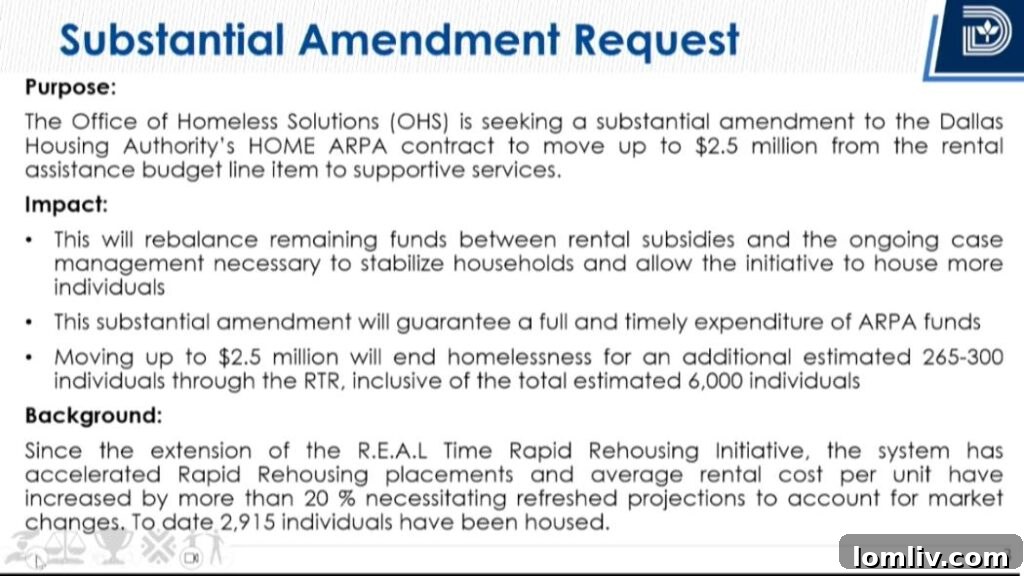
Crossley further elaborated on the specific need these funds address. “We already have enough in terms of obligated rent through Dallas Housing Authority,” she noted, indicating that the primary challenge isn’t securing housing units themselves. “What we don’t have enough of is the supportive service money to pair with that to make sure that everyone who goes into housing has comprehensive services.” This highlights a key principle of rapid rehousing: simply providing shelter is often insufficient without accompanying support for individuals to maintain housing stability, including case management, mental health services, and employment assistance.
The American Rescue Plan Act, signed into law in March 2021, provided critical federal funding to states and local governments to mitigate the economic and health impacts of the COVID-19 pandemic. A significant portion of these funds was directed towards addressing homelessness, recognizing the pandemic’s exacerbated challenges for vulnerable populations. Rapid rehousing is a highly effective, evidence-based approach designed to move individuals and families experiencing homelessness from streets or shelters into permanent housing quickly. It typically involves short-term rental assistance and targeted supportive services to help clients achieve self-sufficiency. However, the program faces a dynamic economic environment. Rising rental rates across Dallas are impacting the cost-effectiveness of these initiatives. Consequently, the Office of Homeless Solutions is currently re-evaluating the exact amount needed to present to the city council later this month, ensuring that the allocated funds can genuinely meet the program’s ambitious goals amidst fluctuating market conditions.
Dallas Fortifies Eviction Prevention with American Rescue Plan Act Funds
In a proactive move to safeguard its residents from housing instability, Dallas City Council members unanimously agreed during a January 24th meeting to allocate an additional $230,000 in American Rescue Plan Act (ARPA) funds. These critical funds are designated to bolster the city’s eviction assistance programs, directly supporting individuals and families facing the daunting prospect of losing their homes.
The council’s decision specifically involved approving a 12-month extension to its contract agreement with Legal Aid of Northwest Texas. This vital partnership, spanning from February 2024 through January 2025, ensures the continued provision of essential legal services to Dallas residential tenants who are at risk of eviction and homelessness. The initiative primarily targets those experiencing financial hardships that were either caused or exacerbated by the profound economic disruptions of the COVID-19 pandemic.
District 7 Councilman Adam Bazaldua emphasized the lasting impact of the pandemic on housing equity. “One of the most impactful pieces of policy that we’ve passed since I’ve been on this body was our eviction ordinance that gave a tool for advocates and lawyers alike to keep people in place,” Bazaldua remarked. He highlighted that the pandemic unveiled and amplified many existing disparities, including the fundamental ability of residents to maintain safe and stable housing. The Dallas eviction ordinance, often lauded for its robust tenant protections, has proven to be a crucial mechanism in preventing immediate displacement by providing tenants with more time and resources to resolve disputes or seek alternative housing.
Councilman Bazaldua further underscored the strategic importance of legal support: “In addition to the policy, the Eviction Assistance Initiative was established to provide legal support to prevent eviction and assist in preventing homelessness by providing legal counsel and services to Dallas residents facing evictions.” This initiative recognizes that legal guidance can be a decisive factor in eviction proceedings, often enabling tenants to navigate complex legal processes, negotiate with landlords, or access available rental assistance programs. By ensuring access to legal aid, Dallas is not only helping individuals avoid homelessness but also mitigating the broader social and economic costs associated with displacement, such as increased demands on shelters, social services, and healthcare systems. The continued investment in this program reflects Dallas’s commitment to building a more resilient and equitable community where housing stability is a priority for all its residents, especially in the wake of lingering pandemic-related economic challenges.