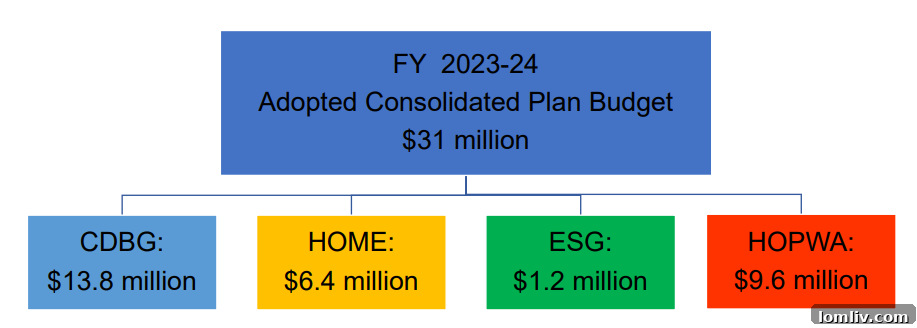
Dallas is set to receive a substantial allocation of approximately $31 million in housing and community development funds for Fiscal Year 2023-24, generously provided by the U.S. Department of Housing and Urban Development (HUD). This vital funding underscores the federal government’s commitment to supporting local communities in addressing critical housing needs, fostering urban development, and assisting vulnerable populations. For a dynamic and growing city like Dallas, these funds are indispensable in maintaining and expanding programs that provide safe, affordable, and stable housing options for its residents.
The city qualifies for participation in four key HUD-funded programs, each designed to tackle specific facets of community welfare and housing stability. These programs form the bedrock of Dallas’s strategy to combat homelessness, enhance neighborhood infrastructure, and support its most at-risk citizens. The four pillars of this federal support include the Community Development Block Grant (CDBG), the HOME Investment Partnerships Program (HOME), the Emergency Solutions Grant (ESG), and the Housing Opportunities for Persons with AIDS (HOPWA) program.
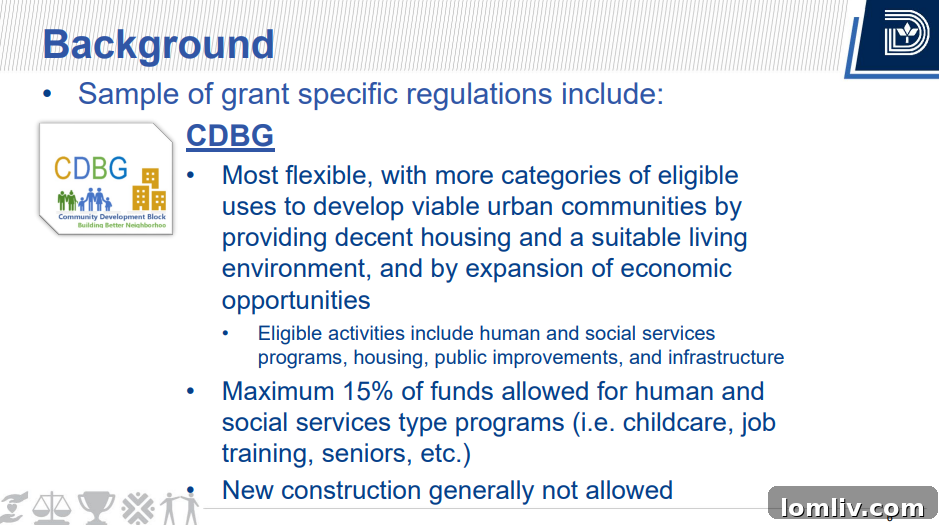
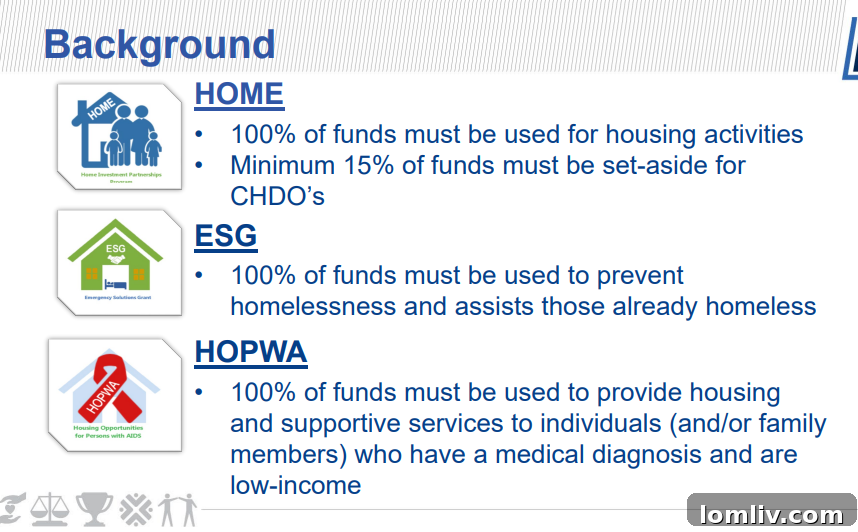
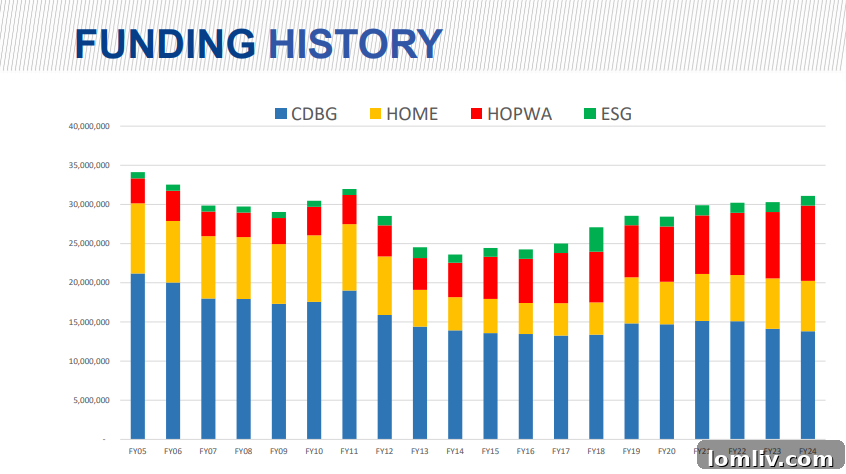
During a recent Dallas City Council presentation, Budget Director Janette Weedon offered an insightful review of the funding history and the often-stringent regulations governing each of these categories. Understanding these guidelines is crucial for the efficient and compliant distribution of funds. For instance, the HOPWA program mandates that its resources be directed exclusively towards low-income individuals who have received an HIV diagnosis, ensuring that a highly specific and vulnerable group receives targeted assistance. Similarly, the CDBG program, while broad in its scope, limits the use of its funds for human and social services to just 15 percent, emphasizing its primary focus on physical development and economic opportunities. A notable restriction across several programs, particularly CDBG, is the general prohibition against using funds for new housing construction, steering resources instead towards rehabilitation, preservation, and supportive services. Despite these differences, all four programs converge on the common goal of enhancing housing conditions and community well-being in Dallas.
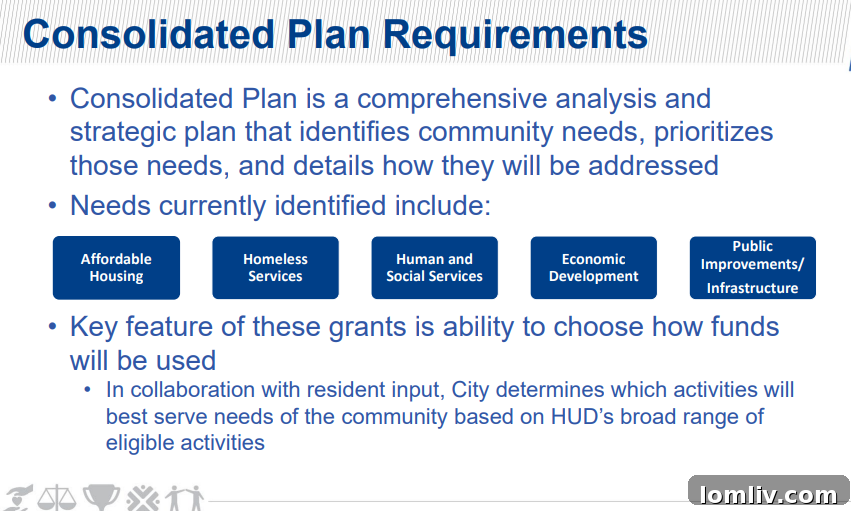
While specific grant awards for programs addressing homelessness (ESG) and those assisting persons with AIDS (HOPWA) have seen increases over the years, a broader trend indicates an overall decline of approximately $3 million in total HUD funding for Dallas since 2005. This long-term decrease presents challenges for the city, necessitating strategic planning and efficient resource allocation to continue meeting the growing demands for housing and community services. The City Council is currently preparing to approve a comprehensive five-year consolidated plan for HUD funds in December. This plan will serve as a critical roadmap, outlining the city’s housing and community development priorities, identifying specific projects, and ensuring the judicious use of federal resources over the next half-decade.
Understanding HUD Fund Allocation in Dallas
The process by which HUD funds are allocated to cities like Dallas is meticulous and data-driven. Assistant Budget Director Chan Williams elaborated on this, explaining that HUD determines designated amounts for each grant primarily based on the city’s population size and other crucial demographic indicators. This ensures that larger, more populous urban centers with greater needs receive appropriate levels of support.
“Each year, we have a vital opportunity to direct those funds into the needs that have been identified and prioritized within our established five-year consolidated plan,” Williams stated. She further clarified the underlying data points that inform these allocations, explaining, “It’s primarily based on comprehensive Census data, which includes key metrics such as overall housing stock, population demographics, and critically, the age and condition of existing housing infrastructure, among other factors.” This data-centric approach ensures that funding decisions are rooted in observable community needs and challenges.
Dallas’s position as a major metropolitan area means it competes with numerous other cities nationwide that boast populations exceeding 50,000 for these essential federal grants. This competitive landscape underscores the importance of a well-articulated and compelling consolidated plan to secure maximum funding. “Each year, we receive official notification detailing the specific amounts the city will receive from each of the four designated grants,” Williams added, highlighting the annual cycle of allocation and planning that city officials meticulously manage.
Community Engagement and Strategic Input
A cornerstone of Dallas’s approach to HUD funding is its commitment to public participation. District 2 Councilman Jesse Moreno emphasized the crucial opportunity residents and various stakeholders have to actively weigh in on specific projects and priorities. These critical input sessions are typically scheduled for January and February of each year, providing a transparent and democratic platform for community voices to shape the future of housing and development initiatives. This direct engagement ensures that allocated funds genuinely address the most pressing local needs and reflect community aspirations.
This community-driven approach also extends to broader financial planning. District 13 Councilwoman Gay Donnell Willis brought forward an important strategic suggestion: that if certain infrastructure and housing projects are eligible for HUD funds, this knowledge should be integrated into the discussions of the 2024 Community Bond Task Force when it formulates its recommendations. This thoughtful coordination could prevent redundancy and optimize the use of various funding streams.
“If we are allocating HUD funds to specific areas, that information should directly inform our decisions regarding the city bond proposals, or at the very least, we should be fully aware of it,” Willis asserted. “This awareness allows us to make more informed decisions about whether to increase or decrease bond allocations for similar projects.” She further explained the strategic benefit: “I believe it’s highly possible that some initiatives might already be covered by a different ‘bucket’ of money, such as HUD funds. This strategic overlap is something the bond committee and ultimately the City Council can thoroughly analyze and work through to maximize efficiency and impact across all city projects.” This proactive integration of funding knowledge is essential for Dallas to achieve comprehensive, cost-effective, and impactful urban development.
The Critical Role of HUD Funds in Dallas’s Future
The continued influx of HUD funding, even with its fluctuating trends, remains a cornerstone of Dallas’s efforts to build a more equitable and resilient city. These federal resources are not merely financial allocations; they represent a lifeline for countless residents seeking safe shelter, a stepping stone for communities striving for revitalization, and a vital tool for the city government in executing its ambitious urban development agenda. The four primary programs—CDBG, HOME, ESG, and HOPWA—collectively address a broad spectrum of needs, from direct housing assistance for the most vulnerable to broader community-wide improvements.
The Community Development Block Grant (CDBG) is particularly versatile, enabling Dallas to undertake a wide array of activities aimed at neighborhood revitalization, economic development, and improved community facilities. While typically restricted from new housing construction, CDBG funds are crucial for rehabilitating existing affordable housing, upgrading vital public infrastructure such as water and sewer systems, and providing essential public services to low- and moderate-income residents. These investments lay the groundwork for sustainable growth and enhanced quality of life in historically underserved areas.
The HOME Investment Partnerships Program (HOME) directly tackles the affordable housing crisis, a challenge faced by many rapidly growing cities, including Dallas. HOME funds are instrumental in developing and preserving affordable rental housing, facilitating homeownership opportunities for low-income families, and supporting housing rehabilitation projects. This program is essential for increasing the stock of decent, safe, and affordable housing units, thereby alleviating pressure on a competitive housing market and preventing displacement.
Addressing homelessness is a top priority, and the Emergency Solutions Grant (ESG) program is Dallas’s primary federal resource for this critical effort. ESG funds support street outreach programs to connect unsheltered individuals with services, operate and improve emergency shelters, provide rapid re-housing assistance to quickly move people from homelessness into permanent housing, and fund homelessness prevention initiatives that help families avoid losing their homes in the first place. The reported increase in ESG funding highlights the growing recognition of the urgent need to combat homelessness effectively.
Finally, the Housing Opportunities for Persons with AIDS (HOPWA) program offers life-saving support for a highly vulnerable population. By providing housing assistance and supportive services to low-income individuals living with HIV/AIDS, HOPWA helps stabilize their living situations, improve their health outcomes, and enhance their overall quality of life. The targeted nature of these funds ensures that critical needs are met for those who often face significant health and socio-economic challenges.
As Dallas moves forward, the strategic integration of these federal funds with local initiatives, such as the upcoming Community Bond Task Force recommendations, will be paramount. The thoughtful coordination suggested by Councilwoman Willis represents a forward-thinking approach to public finance, ensuring that every dollar, whether federal or local, is maximized for the benefit of Dallas residents. The commitment to public input further strengthens these programs, ensuring that the city’s housing and community development strategies remain responsive, equitable, and truly reflective of the community’s evolving needs. The continuous effort to secure and wisely manage HUD funding underscores Dallas’s dedication to fostering an inclusive city where all residents have access to safe, stable, and affordable housing.