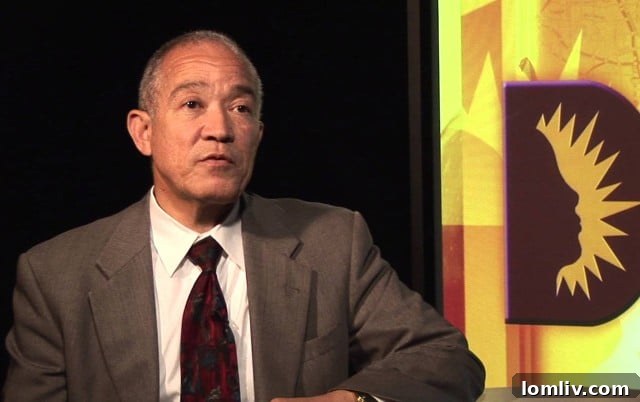
The Dallas Independent School District (DISD) is a cornerstone of education in one of America’s largest and most dynamic cities. Its leadership plays a pivotal role in shaping the future of countless students, families, and communities. In a development that sent ripples throughout the educational landscape, multiple news outlets reported on the impending resignation of Dallas ISD Superintendent Mike Miles, an announcement made during a 9:30 a.m. press conference. This news, while perhaps anticipated by some given the intense scrutiny often faced by urban school leaders, nevertheless marked a significant moment for the district.
Leading an urban school district like Dallas ISD is a monumental undertaking, fraught with unique challenges and relentless pressures. The role of superintendent demands an extraordinary blend of pedagogical expertise, administrative acumen, political savvy, and unwavering resilience. It is a position that, by its very nature, places immense demands on an individual, often requiring personal sacrifices that extend far beyond the professional realm. From navigating complex budgetary constraints and diverse student populations to addressing socio-economic disparities and managing vast public expectations, the superintendent’s seat is undeniably one of the most demanding in public service. Understanding this context helps shed light on the immense personal and professional pressures that likely contributed to Superintendent Miles’ decision.
The Impact of Leadership Transitions on Dallas Public Schools
Regardless of one’s agreement or disagreement with specific policies or the leadership style of Mike Miles, his departure represents a significant moment for Dallas public schools. Such transitions, particularly at the highest level, invariably introduce a period of uncertainty and can disrupt ongoing initiatives. For an urban school district, where continuity and long-term strategic planning are crucial for sustainable improvement, a leadership change can pose substantial hurdles.
The challenges inherent in running an urban school district are formidable and are only becoming more complex. These districts often serve diverse student populations with varying needs, including those from low-income backgrounds, English language learners, and students requiring special education services. Addressing these needs effectively requires innovative programs, robust support systems, and a consistent vision. Furthermore, urban districts frequently contend with aging infrastructure, intense political pressures from various stakeholder groups, and the constant demand to demonstrate academic progress in a high-stakes environment. The next individual to step into this role will undoubtedly face these same profound difficulties, and the landscape is unlikely to become any easier.
The Herculean Task: Why Three Years Isn’t Enough for Reform
A critical, often overlooked aspect of leadership in public education, particularly in large urban centers, is the unrealistic timeline imposed on superintendents. The question that must be asked is: who will truly desire a job where they are expected to accomplish a truly Herculean task in a mere three years? Real, systemic educational reform is not a quick fix; it is a long-term endeavor requiring years of dedicated effort, consistent policy implementation, and the cultivation of trust among students, parents, teachers, and the broader community.
It is plausible, even probable, that any success achieved by Miles’ successor will, in large part, be a testament to the foundation laid by Miles himself. Significant policy changes, curriculum reforms, or structural improvements initiated by a superintendent often take more than three years to fully mature and yield observable results. If the incoming leader chooses to retain many of the existing policies, their subsequent achievements could be attributed to the groundwork meticulously established by their predecessor. This highlights a troubling pattern: as voters and stakeholders who hold the school board accountable, we often fail to grant new leaders the necessary time—any more time than we afforded Miles—to enact meaningful, lasting reform. This short-sighted expectation creates a revolving door of leadership, hindering true progress and fostering an environment where superficial changes are prioritized over deep, sustainable transformation.
Navigating Criticism and Media Narratives
Superintendent Miles, like any leader, had his share of challenges and criticisms. He was at times perceived as stubborn, and some critical personnel missteps provided ammunition for those already intent on scrutinizing his administration. Effective leadership in a public institution requires not only vision but also the ability to build consensus, communicate transparently, and manage human capital with dexterity. Missteps in these areas, even minor ones, can be magnified in a high-profile position.
However, it is equally important to acknowledge the role that external narratives, particularly those propagated by news organizations, play in shaping public perception. Unfortunately, there have been instances where reporting on DISD leadership has been inaccurate or misleading, contributing to an often-distorted public understanding of the district’s operations and achievements. It is crucial to reiterate, especially when inaccuracies persist, that a balanced perspective is necessary:
- The Finance Chief’s Departure: The district’s finance chief, a highly sought-after professional, resigned after receiving a significantly attractive offer from Garland ISD that DISD simply could not match. This was a competitive recruitment outcome, not necessarily an indictment of DISD’s financial health or management.
- Robust Reserve Funds: Contrary to some narratives, Dallas ISD consistently maintained a reserve fund that exceeded state requirements. A healthy reserve fund is a strong indicator of sound financial management, providing stability and flexibility for the district, and demonstrating fiscal responsibility.
- High Student Satisfaction: One of the most vital metrics for assessing the effectiveness of school leadership and policies is student satisfaction. During Miles’ tenure, student satisfaction remained high. This particular metric is a powerful indicator of a positive learning environment and student engagement, reflecting success where it truly matters—with the students themselves.
These points underscore the importance of looking beyond sensational headlines and delving into the facts to form a comprehensive understanding of the district’s performance and challenges.
The Lingering Challenge: A Three-Year Imperative
Therefore, instead of celebrating the perceived vanquishing of a “boogeyman,” the community should instead be deeply concerned about the underlying systemic issue: the next superintendent will likely be afforded the exact same, often insufficient, three-year window to tackle the daunting task of steering DISD. This short timeframe creates a cycle of transitional leadership, making it exceedingly difficult to implement and sustain long-term strategic plans that are essential for meaningful educational improvement.
Three years is barely enough time for a new leader to fully understand the intricate workings of a massive organization like DISD, build critical relationships with stakeholders, and begin to implement their vision effectively. For many highly qualified educational leaders, such a brief and intensely scrutinized tenure may hardly seem worth the considerable personal and professional investment required to relocate to Dallas and take on such an arduous role. The continuous turnover not only disrupts progress but also deters top talent from considering the position, ultimately harming the students and the community DISD serves.
For Dallas ISD to achieve sustained excellence, it requires stability, a realistic understanding of the timeline for change, and a collective commitment from all stakeholders to support its leaders over the long haul. Without addressing the underlying issue of unrealistic expectations and short tenures, the district risks perpetuating a cycle where promising leaders are set up for failure, and true, transformative reform remains an elusive goal. The future success of Dallas public schools hinges on learning from past experiences and fostering an environment where leaders are empowered to drive change with the necessary time and support.