Dallas ISD Renovation Challenges: Bridge Plan Schools Navigate Budget Overruns and Community Advocacy
A Foundational Promise: The Dallas ISD Bridge Plan and the $1.6 Billion Bond
In a landmark decision on March 26, 2015, the Dallas Independent School District (DISD) board of trustees unanimously approved a comprehensive “Bridge Plan.” This ambitious initiative was designed to kick-start a critical first round of renovations for public schools, setting the stage for multiple subsequent waves of vital upgrades. The successful execution of this district-wide transformation hinged entirely on the community’s support for a substantial $1.6 billion bond package, a sum deemed essential to modernize and improve countless aging school facilities.
That evening, amidst the celebratory mood, Trustee Eric Cowan delivered a poignant message to the communities benefiting from this initial plan, specifically mentioning Lakewood Elementary and Stonewall Jackson Elementary. He underscored the profound importance of the upcoming bond election, emphasizing that the district harbored many more schools with extensive and pressing needs. Cowan candidly described his vote as a “leap of faith,” an act of trust in the unwavering commitment of these schools’ supporters to actively champion the bond’s passage. Their collective effort, he stressed, was not just for their own schools but for the betterment of the entire Dallas ISD community, ensuring that the ambitious vision for renovated learning environments could become a reality.
Indeed, the community rose to the occasion, and the vital bond election successfully passed. This victory signaled widespread public confidence in DISD’s commitment to enhancing educational infrastructure, promising a future where students and educators would benefit from state-of-the-art facilities designed for optimal learning and safety. However, the journey from bond approval to actual construction proved more complex than anticipated. Just recently, news circulated that several schools initially prioritized under the Bridge Plan faced unexpected delays in their eagerly awaited renovations. This development quickly ignited a passionate response from parents, community activists, and local school board candidates, all determined to hold the district accountable and ensure its promises were upheld.
Unforeseen Setbacks: Budget Overruns Threaten Renovation Schedules
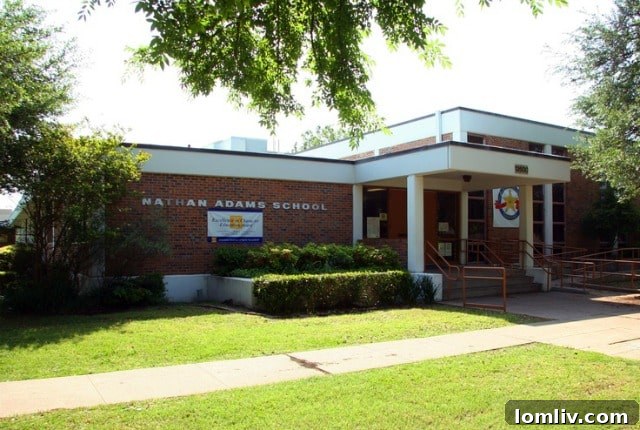
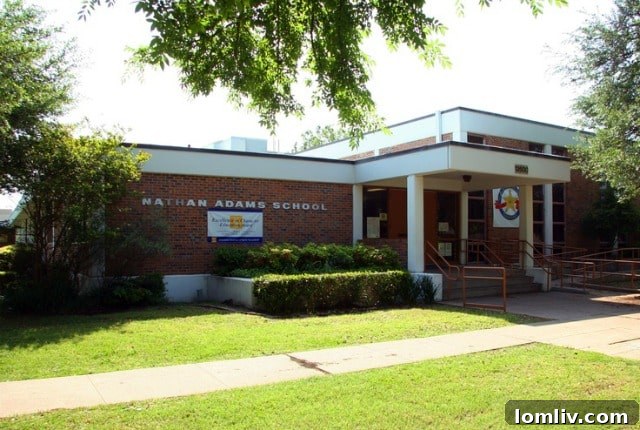
The core of the recent controversy centered on four specific schools: Lakewood Elementary, Stonewall Jackson Elementary, Nathan Adams Elementary, and Seagoville High. These institutions suddenly found their critical renovation projects in limbo, prompting immediate and decisive action from their respective communities. The prospect of extended delays, particularly after years of anticipation following the bond’s passage, was a source of deep frustration and concern.
Dustin Marshall, a prominent District 2 school board candidate, was quick to address the looming crisis. “I learned last Thursday, May 12th, of the recommendation to delay Bridge Plan projects on 4 schools including Lakewood Elementary and Stonewall Jackson,” Marshall stated on Facebook. He expressed strong disagreement with the administration’s decision and outlined his immediate efforts: “I have been working diligently with several parent leaders to change the outcome of this decision,” he affirmed, highlighting his commitment to advocating for the schools.
Fellow District 2 candidate Mita Havlick also voiced her dismay, emphasizing her personal dedication to the cause. “As someone who spearheaded advocacy in favor of the IBP (Initial Bridge Plan) because of my concern over unsafe and inadequate facilities, I am deeply vested in having the IBP projects move forward in the original timeframe to which the District committed,” Havlick communicated to her supporters. Her powerful statement resonated widely: “No child should have to learn – and no teacher should have to teach – in a classroom that doesn’t meet basic standards for safety and comfort,” underscoring the fundamental necessity of these renovations for a quality learning environment.
Both candidates were not content with mere statements. Marshall detailed his direct engagement, confirming meetings with current trustees and Dallas ISD administration. Demonstrating a proactive approach to transparency and accountability, he also “set-up introductory discussions with a third-party construction firm (not involved in the bidding process) to verify that the initial bids are in line with market conditions.” This strategic move sought independent validation of the escalating costs. Havlick, too, demonstrated extensive outreach, communicating with both chairs of the Lakewood and Stonewall Jackson Site-Based Decision Making committees, as well as maintaining dialogue with “four of the eight current trustees.” This dual-pronged effort by the candidates exemplified responsive leadership in a time of crisis.
The community’s response was equally robust. The Lakewood Elementary Expansion Foundation (LEEF) mobilized rapidly, contacting media outlets and distributing urgent bulletins to its members and Lakewood parents. Their proactive communication aimed to keep stakeholders informed and united. LEEF’s call-to-action provided crucial specifics regarding the financial challenge: “Lakewood Elementary’s bids were approximately $3.5M over the allocated $9.47M for construction costs.” Crucially, LEEF added, “Note that there were four bidders on the project and therefore we can feel confident that the overages are due to ongoing high construction demand affecting market pricing.” This transparency helped to contextualize the issue, attributing the cost surges to broader market forces rather than district oversight.
A Timely Reconsideration: Dallas ISD Adjusts Its Course
The coordinated pressure from community advocates and local leaders yielded swift results. Almost as quickly as LEEF’s urgent bulletins were disseminated, news emerged that the district had reevaluated its initial stance on delaying the Bridge Plan projects. This rapid reconsideration highlighted the significant influence of an engaged public and responsive administrative action.
Superintendent Michael Hinojosa promptly issued a memo outlining the district’s revised strategy. He acknowledged the core problem: “Although bids for these Bridge projects came in well over budget due to market conditions and other factors, the recommendation is to reject and rebid (the) Seagoville High School addition and go forward with the other elementary school projects, Nathan Adams ES, Lakewood ES, and Stonewall Jackson ES, per the bid evaluations.” This decision marked a major victory for the elementary school communities, ensuring their long-anticipated renovations would proceed as initially planned.
However, the path forward for Seagoville High School diverged. The memo revealed a specific and prohibitive challenge for this project: it received only a single bid, priced at an exceptionally high rate of nearly $400 per square foot. This figure was “significantly higher than current values in the North Texas area,” rendering it financially unsustainable for the district to accept. Consequently, the decision was made to reject this sole bid and initiate a new bidding process for Seagoville High, an unfortunate but necessary step that will inevitably lead to further delays for the high school community.
Deconstructing the Overruns: Understanding Escalating Construction Costs
The central question that emerged from these developments was the root cause of the significantly higher-than-anticipated construction bids. Superintendent Hinojosa’s memo provided a detailed explanation, drawing on insights gathered from the construction industry itself. Several interwoven factors contributed to the alarming cost overruns:
- Explosive Construction Demand: The North Texas region was experiencing an unprecedented surge in attractive construction projects across various sectors. This intense activity created what Hinojosa termed a “bubble of construction activity,” driving up demand for resources and services, consequently inflating prices for all projects.
- Critical Subcontractor Labor Shortages: A severe scarcity of skilled labor, particularly within crucial subcontractor trades, meant that fewer qualified teams were available. This imbalance of supply and demand allowed existing subcontractors to command significantly higher rates, directly impacting overall project costs.
- Material Availability and Price Hikes: Global and local supply chain disruptions, coupled with high demand, led to increased costs and reduced availability of essential construction materials. The memo specifically cited concrete as a key example, but broader material market fluctuations played a considerable role in budget escalations.
- Competition from the Private Sector: Public sector construction projects, such as those undertaken by Dallas ISD, are subject to rigorous governmental controls, complex bidding processes, and extensive regulatory frameworks. While vital for transparency and accountability, these processes can sometimes render public projects less appealing or more cumbersome for contractors compared to private sector developments, which often offer greater flexibility and quicker timelines. This competitive landscape can lead to higher bids for public contracts, as contractors factor in the additional complexities.
These combined economic and logistical challenges illustrate a complex environment that public entities must navigate when undertaking large-scale infrastructure projects. The overages were not merely clerical errors but a direct consequence of a dynamic and inflationary construction market.
Looking Ahead: Funding Solutions, Strategic Planning, and Lingering Concerns
To bridge the immediate financial gap for the elementary school projects, Superintendent Hinojosa proposed a pragmatic and resourceful solution: the necessary additional funds would be sourced from the remaining allocations of the 2008 bond funds. This strategic decision showcases the district’s commitment to fulfilling its promises by efficiently leveraging existing financial resources.
Furthermore, the district outlined proactive measures to mitigate similar challenges in future projects, including the upcoming re-bidding for Seagoville High School. Dallas ISD plans to significantly enhance its engagement with the broader construction industry. This involves actively seeking dialogues with construction industry organizations and their members to better market upcoming projects. The goal is to gain deeper insights into contractor perspectives, streamline bidding processes, and present district projects in a manner that attracts a wider pool of competitive bids, ultimately aiming to secure more favorable and cost-effective pricing for future endeavors.
While the resolution for Lakewood, Stonewall Jackson, and Nathan Adams Elementary schools brought immense relief, the situation surrounding Seagoville High serves as a stark reminder of the persistent challenges. The necessity of a re-bidding process implies an inevitable delay for the high school’s crucial addition, impacting students and faculty who eagerly anticipate these improvements. The district’s continued commitment to finding a viable and timely solution for Seagoville High remains a paramount concern.
The initiation of the bidding process for the first tier of schools under the 2015 bond package has undeniably proven to be a complex and revealing undertaking. The current experience with over-budget bids introduces significant complexity into the overall budgeting and planning process for the district’s ambitious, multi-year renovation strategy. While official statements from the district regarding long-term implications are pending, a palpable sense of anxiety has begun to emerge within the communities of students attending Tier 4 and Tier 5 schools. These schools are scheduled for renovations much later in the bond cycle, and parents and community members are understandably worried about whether the current cost overruns will ultimately “eat into their respective and worthy projects,” potentially delaying or diminishing the scope of improvements for schools further down the priority list. This situation raises critical questions about equitable fund distribution and the district’s capacity to navigate future market fluctuations without compromising its promises to all schools across the district.